
Some people seem naturally skilled with money. They may not be wealthy, but they consistently handle what they have with discipline and foresight. These quieter money habits often go unnoticed, yet they deliver significant long-term benefits. Below are practical, low-key behaviors that reveal someone manages money better than most.
Pay Yourself a Weekly Allowance

Credit: pexels
Giving yourself a weekly allowance—even as an adult—can be a powerful way to control discretionary spending. Designate a specific card or envelope for nonessential purchases and stop spending from it once the money is gone. This creates a clear, guilt-free boundary that prevents overspending while still allowing regular treats.
Understand the Time Value of Money

Credit: Getty Images
People who appreciate the time value of money avoid letting cash sit idle. They recognize that a dollar today typically has more purchasing power than a dollar tomorrow, due to inflation and opportunity cost. These savers and investors prioritize early contributions and long-term growth, steadily building wealth while others lose value through inaction.
Buy in Bulk When It Makes Sense

Credit: Getty Images
Shopping in bulk can significantly lower unit costs and reduce frequent trips to the store. Savvy shoppers buy larger quantities of items they truly use, which prevents waste and saves money over time. The key is buying only what will be consumed before expiration or spoilage.
Use Dollar-Cost Averaging

Credit: Getty Images
Investing a fixed amount at regular intervals reduces emotional decision-making and avoids attempts to time the market. When prices fall you buy more shares; when prices rise you buy fewer. Over time, this disciplined approach can outperform sporadic investments driven by market timing or guesswork.
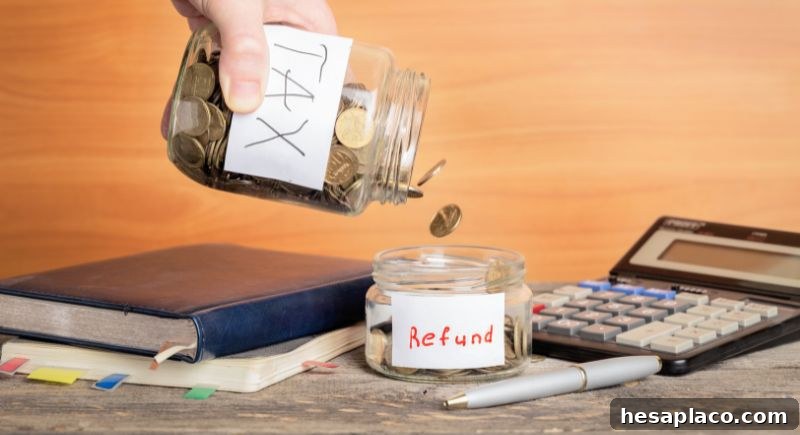
Use Tax Refunds Strategically
Credit: Getty Images
A tax refund is not a bonus; it’s money you overpaid during the year. Financially prudent people use refunds to pay down high-interest debt, bolster emergency savings, or invest. Treating refunds as purposeful contributions to long-term goals prevents them from being immediately spent on fleeting pleasures.
Automate Recurring Payments

Credit: Getty Images
Automating recurring bills prevents missed payments and costly late fees. Many financially disciplined people also automate savings and investments so contributions happen without relying on willpower. This reduces stress, protects credit scores, and ensures consistent progress toward financial goals.
Record Every Income and Expense

Credit: Getty Images
Tracking every dollar in and out of your accounts may feel tedious, but it reveals spending patterns and opportunities to cut costs. Whether using a simple notebook or a budgeting app, seeing the full financial picture encourages intentional choices and prevents mindless overspending.
Carry Cash for Daily Spending

Credit: Studio Indonesia
Physical cash can make spending feel more tangible, which often reduces impulse purchases. Some people limit everyday expenses by using only the cash they carry; once it’s gone, they stop spending. This tactile approach is a simple but effective way to enforce a budget.
Invest in Retirement Accounts

Credit: studioroman
Contributing to retirement accounts like 401(k)s or IRAs is a common habit among financially savvy people. These accounts offer tax advantages and the power of compound returns. The earlier contributions begin, the more time investments have to grow.
Use Investment Apps to Simplify Saving

Credit: Getty Images
Investment apps can make saving and investing accessible and automated. Many users round up purchases, set recurring contributions, and monitor portfolios with little effort. These tools remove friction and help people build investment habits without needing to time markets or manage frequent trades.
Monitor Interest Rates on Debt

Credit: pexels
Not all debt is equal. People who manage money well know the interest rates they pay and proactively refinance, negotiate, or transfer balances when it improves their repayment outlook. Even small differences in rate can meaningfully affect how quickly debt is eliminated.
Delay Impulse Purchases

Credit: doucefleur’s Images
Putting items in a cart and waiting 48 hours before buying is a common tactic among disciplined spenders. That pause helps distinguish fleeting desires from genuine needs. Often the urge passes, and unnecessary purchases are avoided. If the item still feels worthwhile after the delay, the decision is more deliberate.
List and Separate Needs from Wants

Credit: Getty Images
Clearly distinguishing essentials from discretionary items keeps budgets realistic. Writing down needs and wants forces honesty and highlights patterns of overspending. People who do this regularly can reallocate funds toward priorities and cut back on needless purchases.
Consume Content from Trusted Money Experts

Credit: Mojo_cp
People serious about personal finance read widely—newsletters, reputable blogs, and books by experienced professionals. They avoid relying on a single influencer and instead form a well-rounded understanding. Staying informed helps them recognize trends, steer clear of scams, and make more confident decisions.
Use One Card for a Single Purpose

Credit: Proxima Studio
Assigning one credit card to a particular category—like groceries or gas—and paying it off monthly simplifies tracking and helps maximize rewards. This focused approach reduces confusion and prevents cards from accumulating uncontrolled balances.
Treat Savings as a Fixed Bill

Credit: 89Stocker
Top savers prioritize putting money away as if it were a recurring bill. Instead of saving what’s left over, they transfer a set amount into savings or investments first. Making saving nonnegotiable ensures steady progress, even on modest incomes.
Monitor Net Worth Regularly, Without Obsession

Credit: pexels
Financially aware people know their net worth—the sum of assets minus debts. They check it monthly or quarterly, make adjustments when necessary, and then move on. This practice fosters awareness and accountability; what gets measured tends to improve over time.
Delay Major Purchases Intentionally

Credit: iStockphoto
People who avoid buyer’s remorse often wait before committing to expensive purchases. Taking several days or weeks to reconsider separates emotional impulses from practical needs. If the purchase still makes sense after the waiting period, it is more likely to be a well-considered decision.