Big corporations spent decades and vast sums building the brands we know today. What many people don’t realize is that several of these companies were once on the verge of collapse. Leadership teams faced moments that required risky, uncertain decisions. Those high-stakes choices ultimately helped these companies survive crises and emerge stronger.
FedEx
Credit: Wikimedia Commons
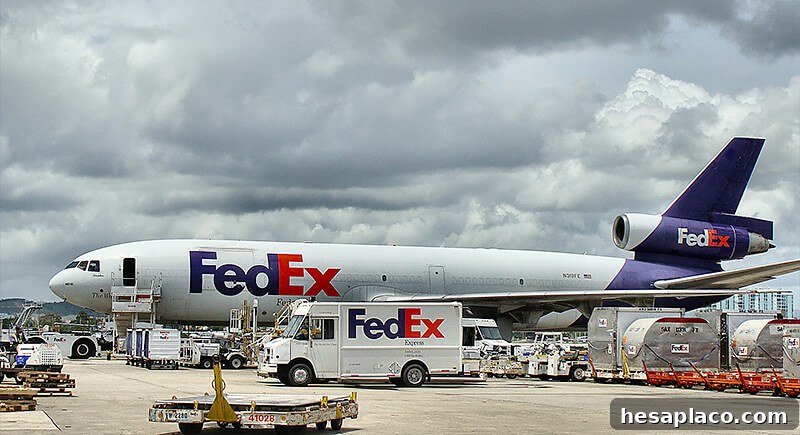
In its early days FedEx was losing roughly a million dollars a month, and rising fuel costs threatened the viability of an overnight delivery model. With only $5,000 remaining, founder Fred Smith famously went to Las Vegas and played blackjack, returning with $27,000—enough to keep the planes flying for another week. That brief runway allowed the company to secure $11 million in financing and continue growing into a global logistics leader.
Marvel
Credit: Reddit
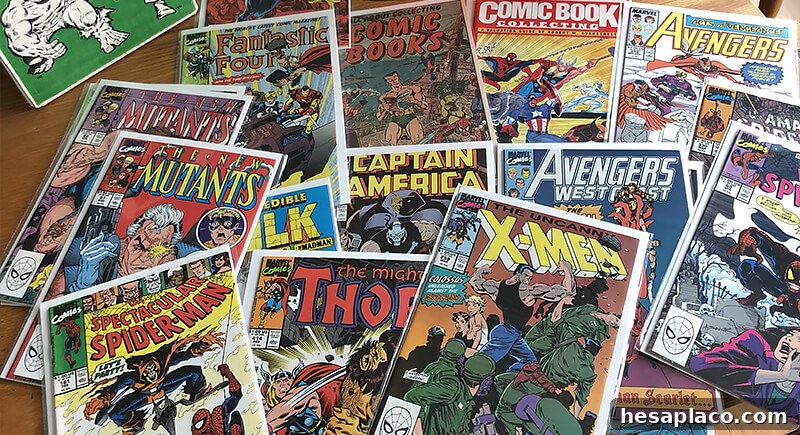
A collapse in comic-book sales pushed Marvel into Chapter 11 bankruptcy in the mid-1990s. Although the company had licensed many character film rights to studios, those deals generated limited revenue. Executives eventually took the bold step of producing films independently, risking the potential loss of character control if early movies failed. The gamble paid off: Iron Man’s 2008 debut was a massive success and helped launch a new era of profitable film franchises.
Disney
Credit: Wikimedia Commons
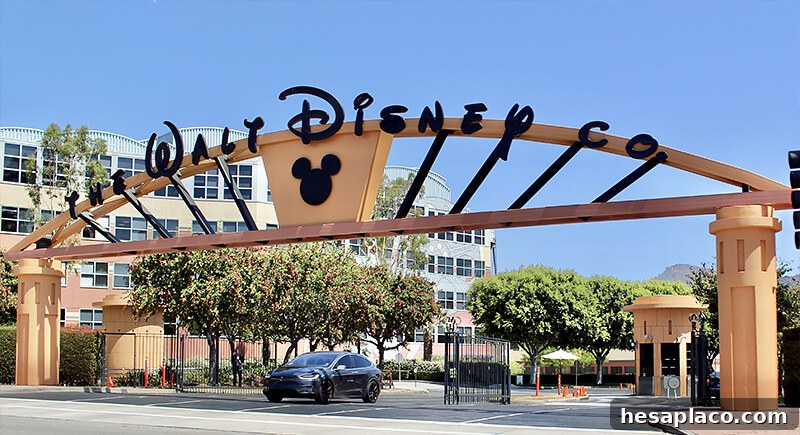
In the early 1930s Walt Disney’s studio carried heavy debt and had few reserves. Short animated films drew attention but didn’t guarantee long-term stability. Disney committed nearly all available resources to Snow White and the Seven Dwarfs—the first full-length cel-animated feature. Many industry experts predicted audiences wouldn’t sit through a feature-length cartoon, but the film became a commercial triumph and financed the expansion that led to Walt Disney Studios and future projects.
Airbnb

Credit: Wikimedia Commons
In 2008 Airbnb struggled to attract investors and had almost no operating capital. Founders Brian Chesky and Joe Gebbia needed quick cash to keep the business alive. Rather than folding, they created limited-edition novelty cereal—Obama O’s and Cap’n McCain—tied to the U.S. presidential election. Selling the branded boxes online generated about $30,000, enough to sustain operations and continue developing the platform until more substantial funding arrived.
Charmin

Credit: Reddit
Charmin took an unconventional approach to a well-known household product by embracing playful, self-aware humor on social media. In 2014 the brand leaned into bathroom-related jokes and lighthearted content—an unexpected move for a legacy consumer goods company. The strategy paid off: engagement rose, the brand gained a stronger digital presence, and Charmin connected with new audiences while reinforcing its product positioning.
TOMS

Credit: Wikipedia
TOMS encountered skepticism when founder Blake Mycoskie introduced the simple canvas shoe and the “one for one” model that promised a donated pair for every purchase. Many investors questioned the design and the sustainability of the social mission. Mycoskie pressed on, and the model became central to the company’s brand identity, helping to popularize purpose-driven consumption among a generation of buyers.
Spanx

Credit: Wikimedia Commons
Sara Blakely launched Spanx without formal business training or apparel-manufacturing experience. Frustrated by uncomfortable pantyhose, she developed a prototype, wrote her own patent, researched factories, and used personal savings to fund early production. Despite initial skepticism, the shaping undergarments won customers quickly and grew into a major brand in women’s apparel.
SpaceX

Credit: Wikimedia Commons
SpaceX made private spaceflight possible for a wide audience, but the path was rocky. Elon Musk invested most of his PayPal proceeds into the company. After three launch failures and severe cash strain, a successful fourth Falcon 1 flight helped secure a crucial NASA contract and validate the company’s approach to reusable rockets and lower-cost access to space.
Starbucks
Credit: pexels
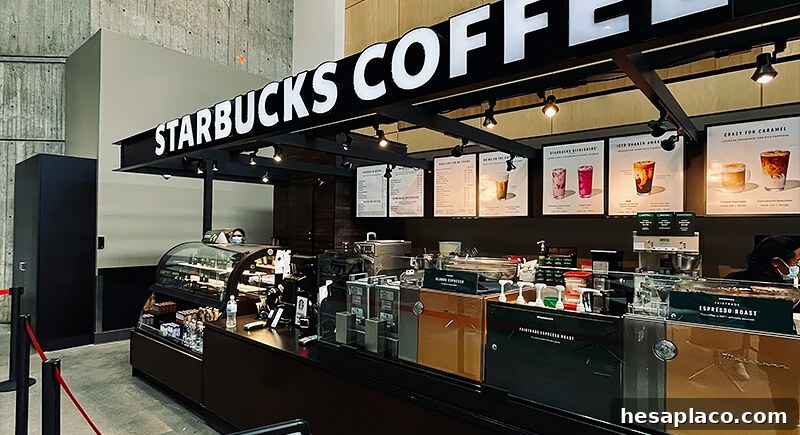
Starbucks began as a seller of coffee beans and brewing equipment rather than the global café chain it is now. Growth was limited until Howard Schultz experienced Milan’s espresso bar culture and envisioned a different kind of coffee business—one focused on the café experience. That strategic pivot transformed Starbucks into a worldwide coffeehouse brand.
Nintendo

Credit: Wikimedia Commons
Founded in 1889 as a small playing-card maker, Nintendo survived by adapting to changing tastes. After years producing hanafuda cards and experimenting with varied businesses, the company made a strategic move into electronic entertainment. That shift led Nintendo to create influential game consoles and iconic franchises that shaped generations of players.
These stories show a common thread: bold, sometimes unconventional decisions taken under pressure can reverse a company’s fortunes. While not every risk succeeds, calculated gambles—backed by determination and creative thinking—have helped many well-known brands navigate crises and build lasting success.