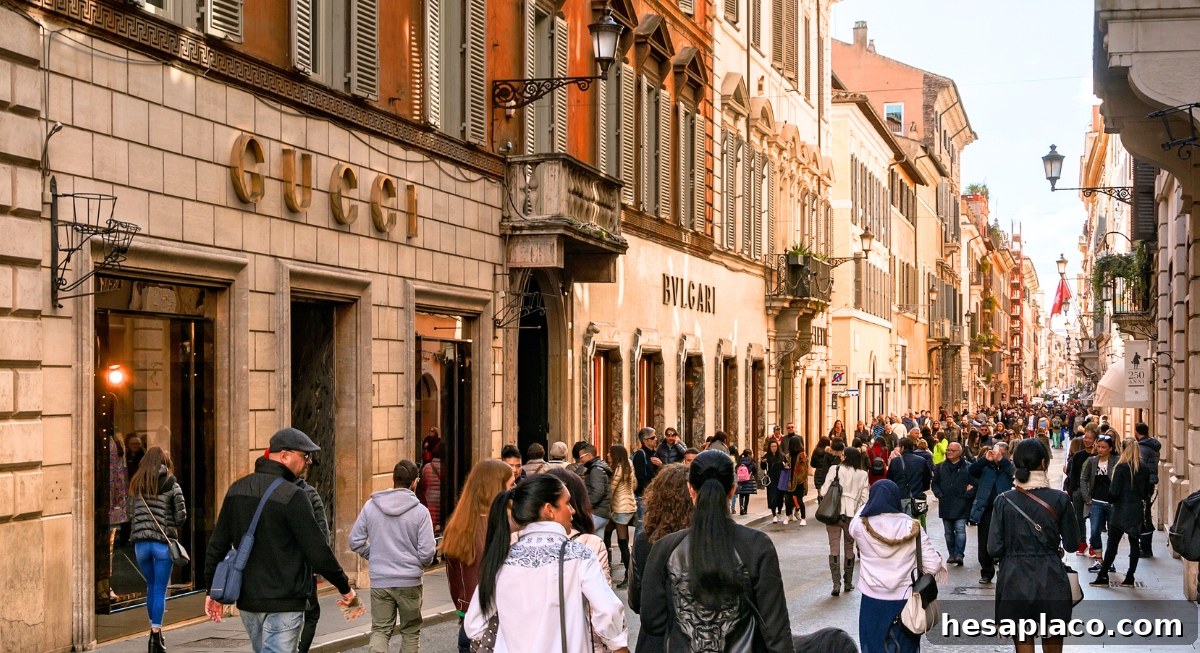
Some luxury brands lose their allure when they become too common. For people who inherit wealth, status is often signaled by rarity, discretion, and subtle details most others won’t notice.
That’s why well-off shoppers sometimes abandon brands that have become ubiquitous. When labels are overly copied, discounted, or tied to fleeting trends, they stop communicating exclusivity. Here are several brands that many affluent buyers now tend to avoid.
Michael Kors
Credit: pexels
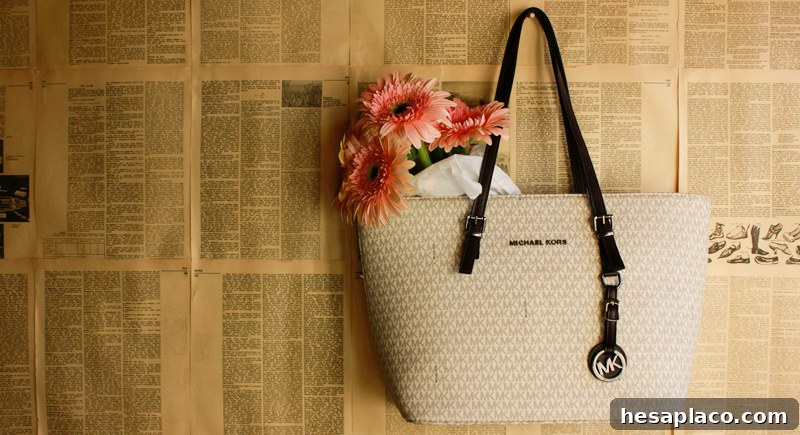
Frequent presence in outlet stores and regular clearance promotions turned Michael Kors into a brand that feels overly familiar. When a label is readily available at mall counters and duty-free shops, it ceases to serve as a discreet marker of wealth. For many buyers who value uniqueness, the brand lost its cachet once it became impossible to miss.
Hugo Boss
Credit: Wikimedia Commons
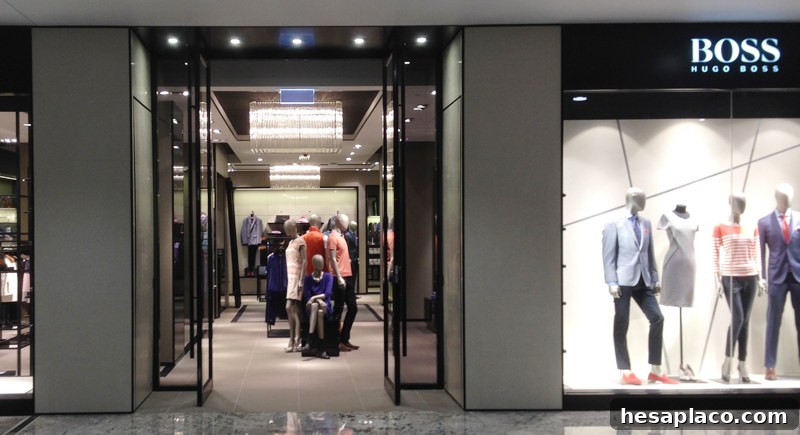
Hugo Boss has tried to update its image, but it often finds itself in a middle ground—too polished for trend-led luxury, yet too mainstream for bespoke wardrobes. Wealthy men who prioritize distinct tailoring and unique pieces frequently skip brands that feel like a compromise between high street and high fashion, opting instead for small-label or custom-made suits.
Coach
Credit: Wikimedia Commons
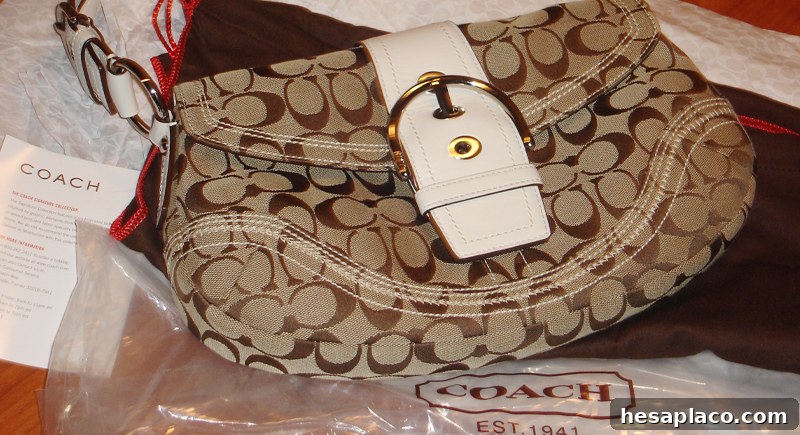
Coach bags can still attract attention, but not the kind that appeals to those seeking understated exclusivity. Once signature motifs and monograms appear consistently on discount racks, their desirability for collectors and wealthy shoppers declines. That said, the brand has worked to shift perception with higher-end lines since 2018, appealing to some buyers looking for an elevated direction.
Gucci Logo Pieces
Credit: pexels
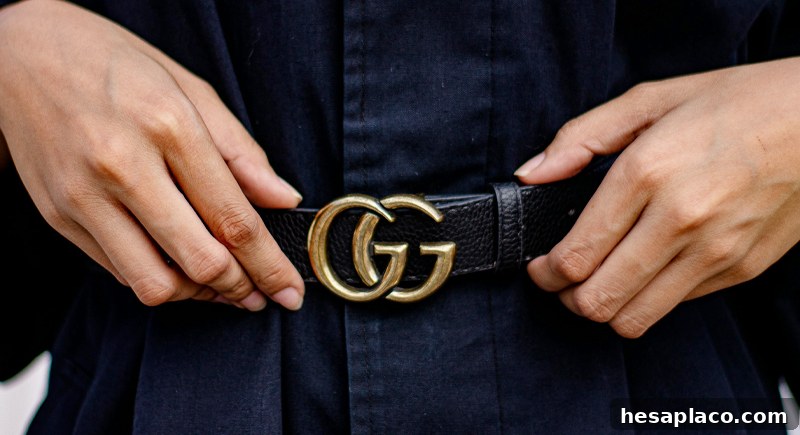
Prominent logos tend to lose their appeal among discreet buyers. Items like double-G belts and heavily branded slides are now recognizable symbols of entry-level luxury. Wealthy shoppers often prefer subtle, low-key pieces—or they seek archival or unbranded runway items from the house that don’t shout the label.
Kate Spade
Credit: Wikimedia Commons
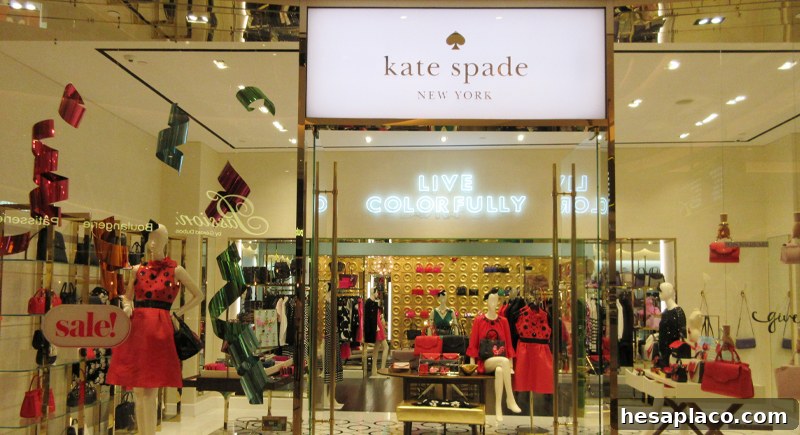
Kate Spade’s playful designs, bright colors, and bow motifs resonate with entry-level shoppers, but that youthful aesthetic can feel too obvious for elite collectors. Even when craftsmanship is strong, these pieces seldom become part of a selective wardrobe where custom or rare items are preferred.
BMW Entry-Level Models

Credit: Wikimedia Commons
High-net-worth buyers don’t always want visible badges on lower-tier trims. Models like the 3 Series and X1 are seen as mass-market entries to the brand and are often skipped in favor of more exclusive or distinctive options—customized models, luxury trims, or electric vehicles that better reflect personal taste and modern values.
Rolex Submariner
Credit: Wikimedia Commons
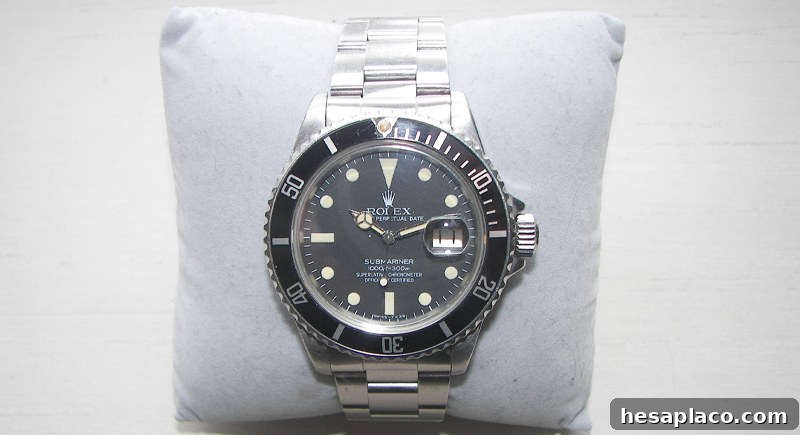
The Submariner is a classic entry point to luxury watches, which makes it feel predictable to seasoned collectors. While many still admire the craftsmanship, numerous wealthy buyers prefer independent watchmakers or lesser-known complications that are not instantly recognized—seeking rarity and personal resonance over obvious branding.
Louis Vuitton Monogram Bags
Credit: iStockphoto
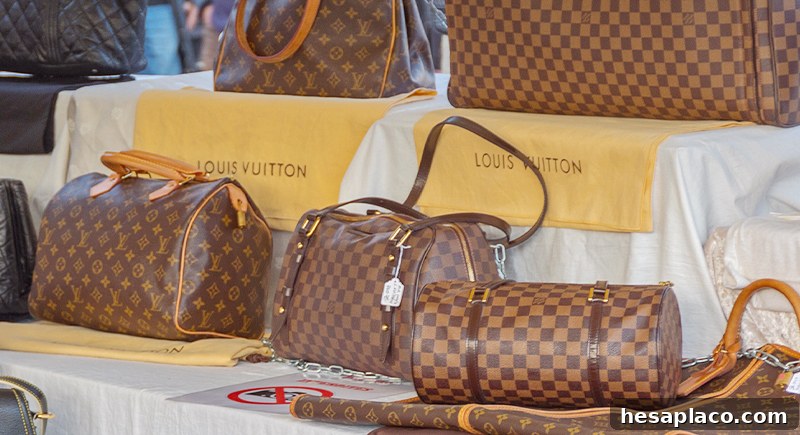
The iconic LV monogram is everywhere—authentic or not—so its ubiquity has altered how elite shoppers view it. The pattern still sells broadly, but many affluent clients now lean toward less conspicuous options from the house, such as Capucines styles, Nomade leather, exotic skins, made-to-order pieces, or artist collaborations that feel more exclusive.
Versace
Credit: Wikimedia Commons
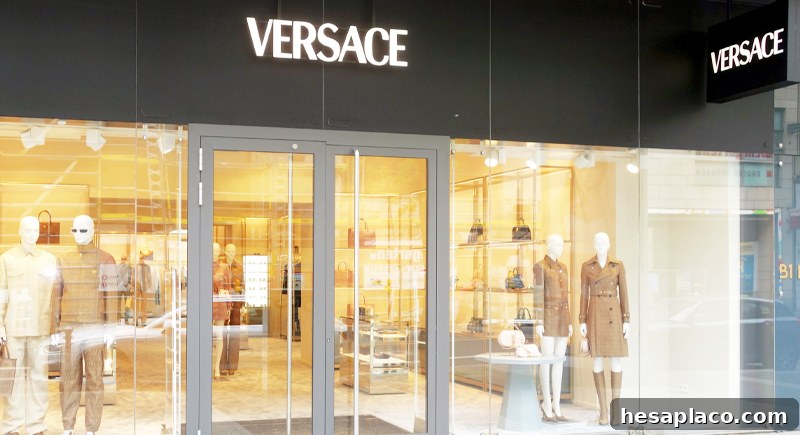
Versace’s bold prints, gold accents, and dramatic patterns attract attention, but not everyone with means wants to be loudly noticed. Many wealthier buyers prefer houses that offer quieter elegance and timeless restraint rather than overt glamour, reserving Versace for occasions that call for theatrical style.
Balenciaga Streetwear
Credit: Wikimedia Commons
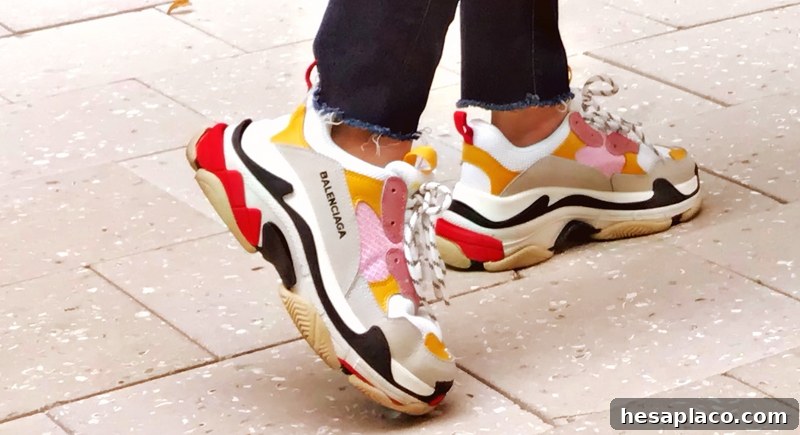
Oversized sneakers and ironic streetwear once felt cutting-edge, but mass exposure through memes and viral trends diluted that edge. As Balenciaga moved into mainstream visibility, many affluent shoppers stepped back, choosing brands and pieces with proven longevity rather than fleeting buzz.
Ultimately, wealthy buyers often prioritize discretion, rarity, and craftsmanship over conspicuous logos and mass appeal. Brands that maintain a sense of exclusivity—through limited distribution, bespoke services, or understated design—are more likely to hold enduring appeal for those who seek to signal status subtly.