
Money affects relationships more deeply than many couples anticipate. Research underscores its influence: SunTrust Bank found that 35% of people identify money as their primary source of conflict with a partner, and Fidelity reports that 45% of couples argue about finances at least occasionally. Everyday financial choices can quickly escalate into major issues. Below are ten common financial mistakes that can hurt a marriage and suggestions for avoiding them.
Hiding Money

Credit: iStockphoto
Financial secrecy undermines trust. Research from the National Endowment for Financial Education shows that two in five couples have lied about money, and three-quarters say those lies harmed the relationship. Discovering hidden accounts or secret spending often produces shock and insecurity; openness about finances fosters stability and prevents surprises that can damage intimacy.
Overspending

Credit: Canva
When one partner spends freely without consulting the other, resentment can build rapidly. This is especially true if income is unequal and one person feels the pressure of bills and savings goals more intensely. Agreeing on basic rules—such as saving a fixed percentage of income or setting an individual spending limit—creates expectations that reduce conflict and help both partners feel more secure.
Hiding Debt
Credit: Canva
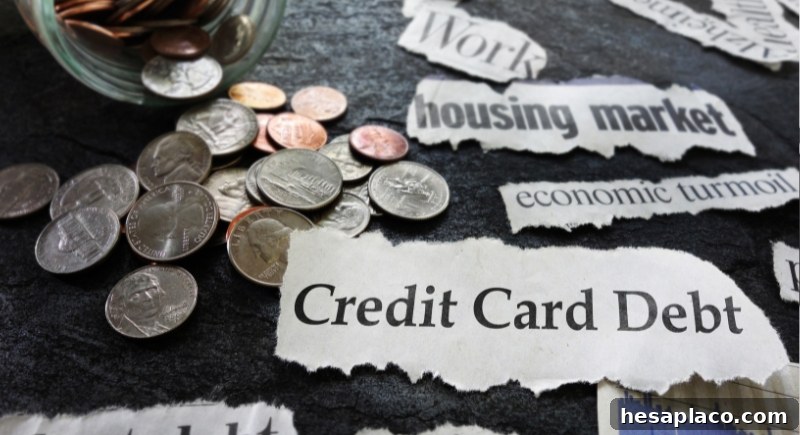
Concealed debt frequently surfaces when it’s already a crisis. Surveys by sources like CreditCards.com indicate that many people view hiding financial obligations as a serious betrayal—sometimes worse than infidelity. Debt affects day-to-day budgets and long-term plans, so full disclosure and a joint repayment strategy are essential to avoid resentment and instability.
Underspending

Credit: Getty Images
Extreme frugality can be as damaging as reckless spending. Constant penny-pinching may create awkwardness in social situations, frustration at home, and feelings that life is being overly restricted. Working with a financial planner or creating a balanced budget can help partners agree on appropriate savings and reasonable spending, easing tensions while maintaining financial goals.
Materialism

Credit: Getty Images
When possessions and status become priorities, relationships can suffer. A household focused on upgrades and luxuries forces partners to keep up appearances instead of enjoying their life together. That pressure increases stress and creates emotional distance; refocusing on shared experiences and long-term security helps preserve connection.
Conflicting Money Values

Credit: pexels
Couples often realize they view money in fundamentally different ways: one partner treats it as protection, while the other sees it as a means to enjoy life now. Research suggests that couples who argue about money weekly are significantly more likely to divorce than those who argue less often. Recognizing these differences early and negotiating shared priorities can reduce ongoing conflict.
Opposing Money Styles

Credit: Canva
The saver-versus-spender dynamic is common in research and in real life. These differences can work if there is structure: agreed budgets, designated discretionary funds, or automatic transfers into savings. Studies show that feeling your partner spends recklessly increases divorce risk. Structure and mutual respect for each person’s style reduce instability and resentment.
Power Plays

Credit: iStockphoto
When one partner controls most of the income or financial decisions, money can become a tool of influence rather than a topic for collaboration. Fidelity’s research highlights the importance of communication: couples that talk openly about money feel more confident about their future. Including both partners in financial planning prevents imbalance and builds shared responsibility.
Family Responsibilities

Credit: pexels
Financial obligations to extended family—like helping a sibling with rent or covering a parent’s emergency—can ignite conflict if partners haven’t agreed on boundaries. Major life events magnify emotions, and money intended for shared goals may be redirected, leaving the other partner feeling sidelined. Setting clear expectations in advance prevents surprises and eases tension during crises.
Refusing Joint Planning

Credit: iStockphoto
Couples who avoid discussing long-term goals or financial plans tend to repeat the same fights. Fidelity reports that open communication correlates with greater confidence about retirement and the future. Regular check-ins—monthly or quarterly—help partners stay aligned on spending, debt repayment, and shared objectives. Transparency makes tough conversations less fraught and keeps both partners engaged in decision-making.