
Most drivers use their cars every day without realizing how many helpful, time-saving, and potentially costly-problem-preventing features are already built into them. Many of these conveniences are tucked away in the owner’s manual or hidden behind controls you rarely explore. Spending a few minutes learning about them can make routine maintenance simpler, help you avoid unnecessary service calls, and improve your overall driving experience.
The Arrow Next to Your Gas Gauge
Credit: Canva
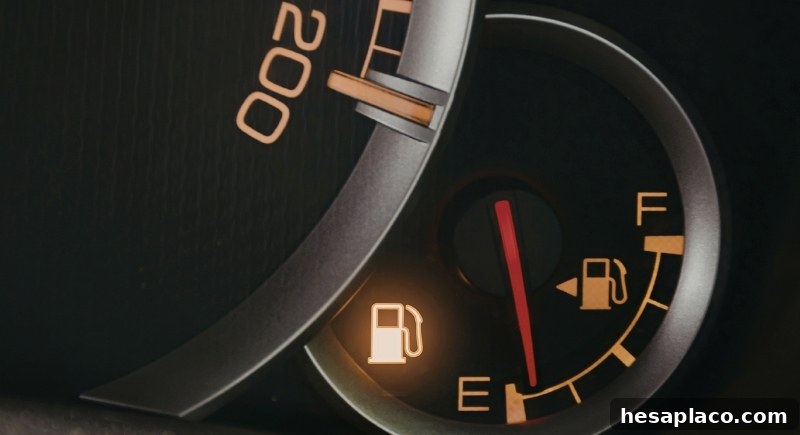
A tiny arrow beside the fuel pump icon on your dash can save you awkward trips around the car at the gas station. Introduced by automakers in the late 1980s and widespread by the 1990s, the arrow indicates which side of the vehicle the fuel filler door sits on. Although not required by federal law and therefore not present on every vehicle, it’s a simple feature worth checking before pulling into a pump.
The Dead Key Fob Hack

Credit: Canva
Modern key fobs almost always hide a mechanical key inside. Look for a release button or sliding latch on the fob’s back to extract it. Many car door handles conceal the manual keyhole beneath a small cover. If your fob battery dies or the remote fails, this metal key often gets you into the vehicle and can let you access the owner’s manual or the ignition backup—saving an unnecessary tow or roadside call.
Wiper Blades Replacement

Credit: Getty Images
Many cars include a service position for windshield wipers that lifts the arms away from the glass, making blade replacement quick and easy. The exact sequence to enable this position varies by make and model—often involving cycling the ignition and touching or holding the wiper control—but once engaged you can swap blades in just a few minutes. New blades are inexpensive, and replacing them yourself avoids a dealership markup and improves visibility when needed.
Brake Fluid Flushes
Credit: Getty Images
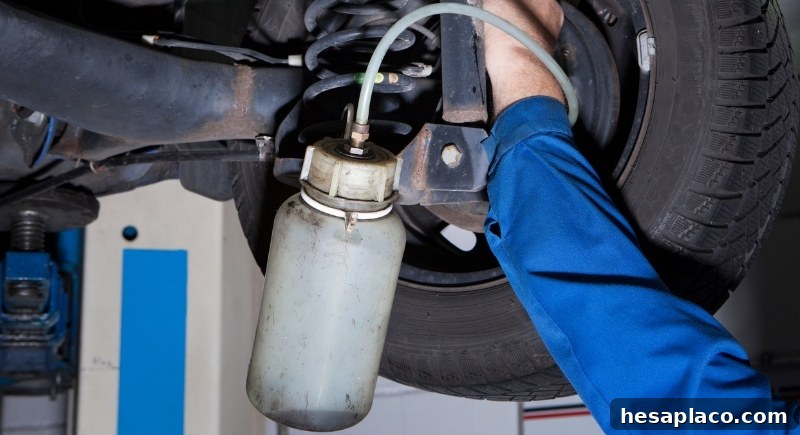
Brake fluid naturally absorbs moisture over time, which lowers its boiling point and can lead to internal corrosion in lines and calipers. You don’t always need to rely solely on mileage intervals; a simple moisture tester or copper test strip—both inexpensive from auto parts stores—lets you assess fluid condition at home. Professional brake fluid flushes typically cost $80 to $130, so testing first helps you avoid unnecessary service while protecting braking performance and component life.
The 3,000-Mile Oil Change
Credit: Canva
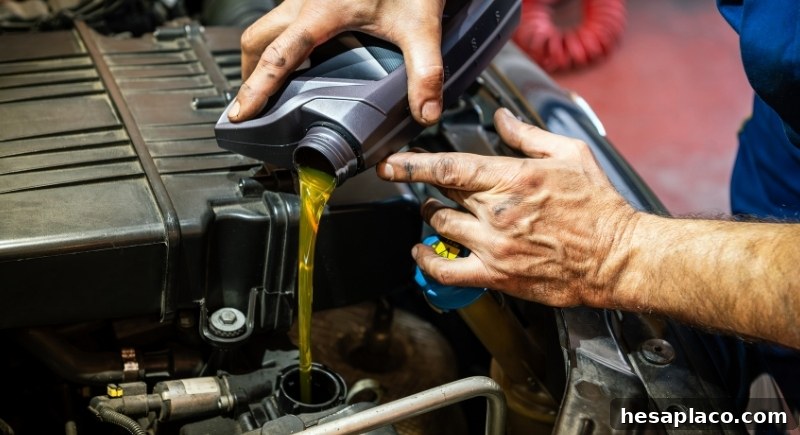
The old rule of changing oil every 3,000 miles grew from earlier oil and engine technology and the business model of quick-lube shops. For most modern cars built since roughly 2010, manufacturer-recommended intervals usually fall between 7,500 and 10,000 miles, and many vehicles use oil-life monitoring systems that trigger a change based on driving data. Some models can even go to 15,000 miles between changes; consult your owner’s manual for the exact recommendation for your vehicle and driving conditions.
Battery Terminal Corrosion
Credit: freepik
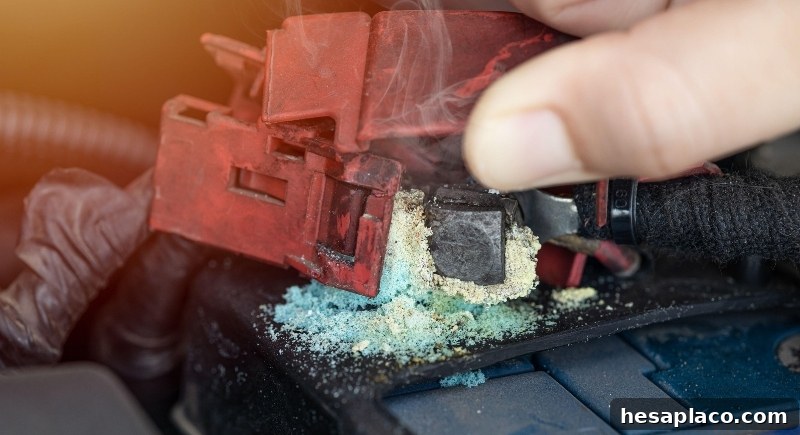
The white or bluish crust that forms on battery terminals can impede electrical connection and lead to hard starts or other electrical symptoms. Cleaning it is straightforward: wear safety gloves and eye protection, mix a tablespoon of baking soda into a cup of water, apply it to the terminals, scrub gently with an old toothbrush, rinse, and dry thoroughly. Baking soda neutralizes the acid and keeps the connection healthy; storing this simple cleaning routine in your maintenance schedule every six months can prevent many starting issues.
Cabin Air Filters Are a Massive Dealership Upsell
Credit: Getty Images
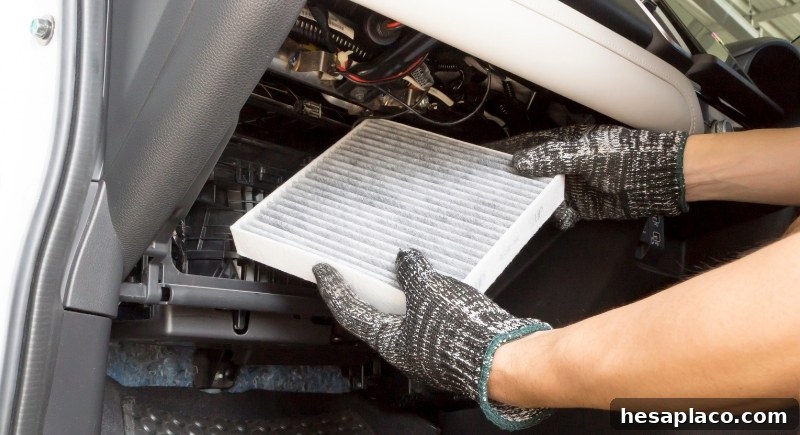
Replacing the cabin air filter is often a simple, low-cost task most dealerships charge far more for when labor is included. On many cars the filter sits behind the glove box and can be accessed without tools; replacement filters typically cost $10 to $40 at parts stores. Dealers may charge $85 to $130 for the same service, so learning where the filter is and swapping it yourself can save money while ensuring cleaner cabin air. Most manufacturers suggest replacing it about every 15,000 miles or once a year, depending on conditions.
Fixing a TPMS Warning Light
Credit: Canva
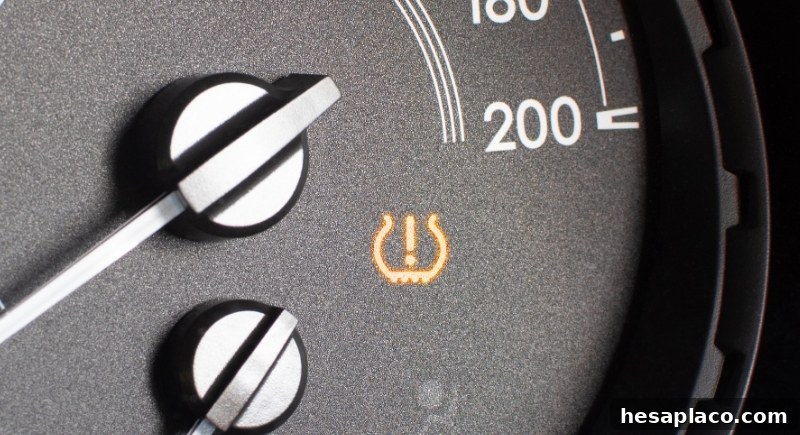
A TPMS (tire pressure monitoring system) warning typically illuminates when one or more tires fall about 25 percent below the recommended PSI. Inflate all tires to the pressure listed on the sticker inside the driver’s door and the light will often clear after a few miles of driving. If it remains lit, check for a TPMS reset button in your vehicle, hold it until the indicator blinks three times, and then start the car—many systems will then relearn the correct pressure state. If the light persists, inspect for slow leaks or sensor issues.
NHTSA’s Open Recall on Your Car
Credit: Getty Images
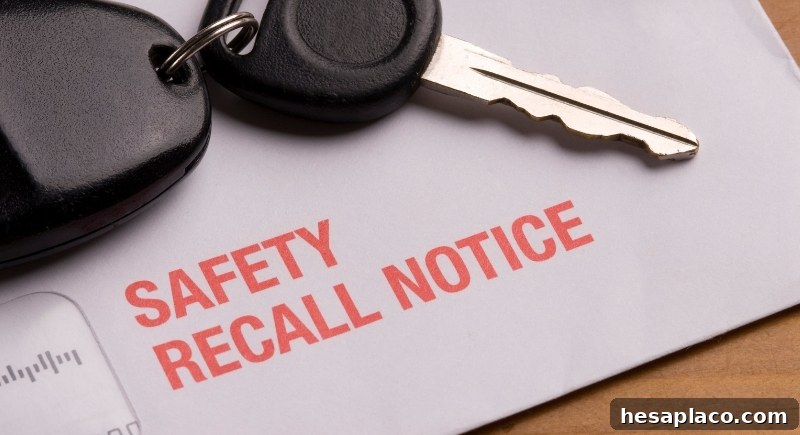
Manufacturers sometimes send recall notices to outdated addresses, and they are not always required to track down every owner. The NHTSA maintains a recall database where you can enter your vehicle’s 17-digit VIN to quickly see any open safety recalls. If a recall applies, the required repair or part replacement must be provided free of charge at an authorized dealer, unless the repair is temporarily delayed by parts availability or the vehicle falls under exclusion criteria for a specific program.
Cooling Down a Hot Car
Credit: Canva
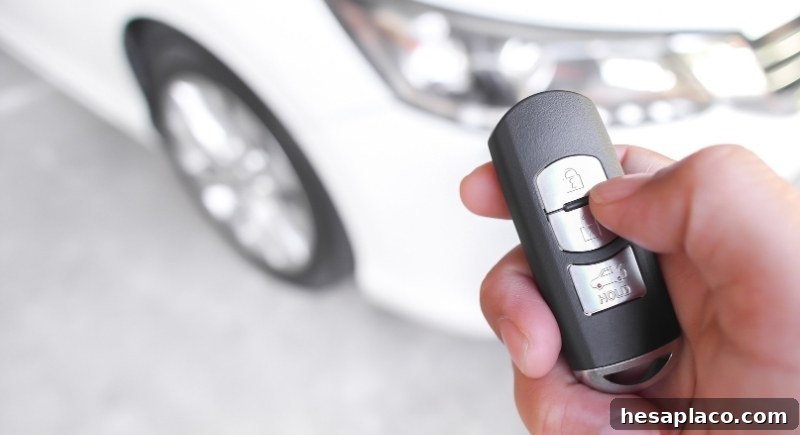
Many vehicles let you roll the windows down remotely to vent heat before you get inside. On several brands, holding the unlock button on the key fob for a few seconds will lower all windows; other models require a double-press and hold or enabling the feature in the vehicle settings. Manufacturers such as Volkswagen, BMW, and some General Motors models support this capability from the factory. Using this trick can make entering a parked car on hot days much more comfortable.
Exploring your owner’s manual and experimenting safely with these features can reveal many small conveniences and maintenance shortcuts. Understanding how your vehicle works not only saves money, it improves safety and helps you catch small problems before they become costly repairs.