Shark Tank businesses often depend on momentum and visibility, but a wave of tariffs during President Trump’s second term disrupted that formula for many entrepreneurs. Rising import costs, factory complications, and reworked supply chains forced a number of companies to alter plans they never imagined changing. Below are ten Shark Tank alumni that had to scramble when new trade policy upended their production and pricing.
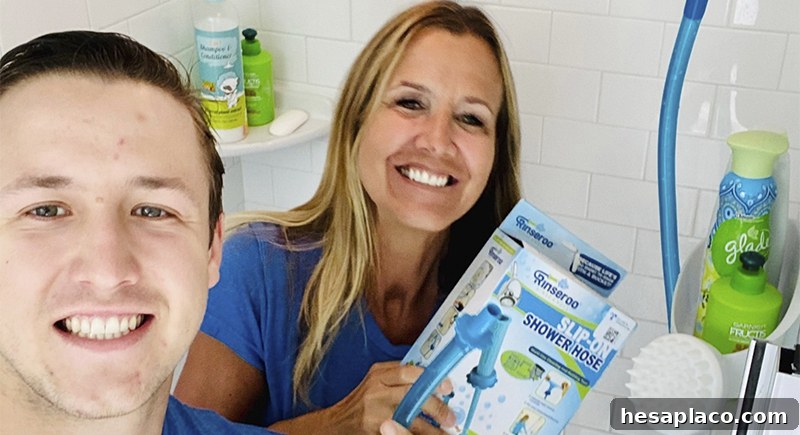
Rinseroo Got Soaked by Shipping Costs
Credit: Facebook
Lisa Lane’s slip-on shower hose—popular with pet owners and renters—had been manufactured in China for just under $4 per unit. After tariffs took effect, the landed cost to import the same item rose to about $8.67 per unit before any markup. Faced with squeezed margins, Lane cut advertising budgets and warned staff that layoffs might follow while she searched for alternatives.
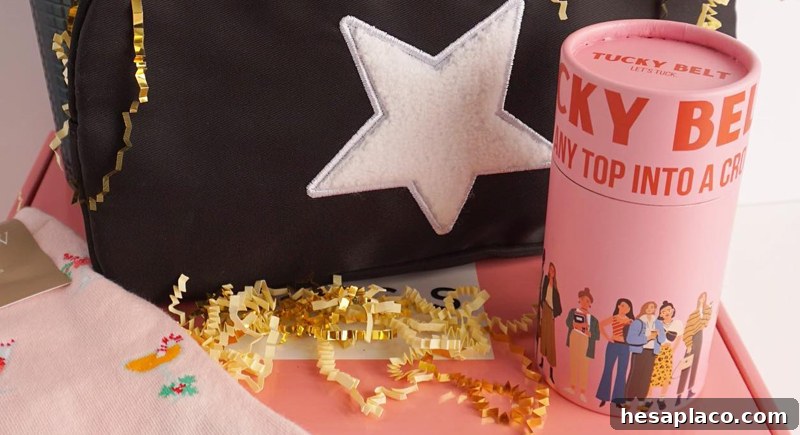
Tucky’s Fashion Fix Got Too Expensive
Credit: Facebook
Tucky began as a creative way to crop a sweatshirt and quickly became a viral sensation. Both the original product and a follow-up tool, the Stitchy, were sourced in China for roughly $5 each. Founder Brooke Knaus was left with a 50,000-unit shipment when tariffs kicked in, forcing her to re-evaluate pricing, inventory, and how to move forward without obliterating the brand’s accessibility.
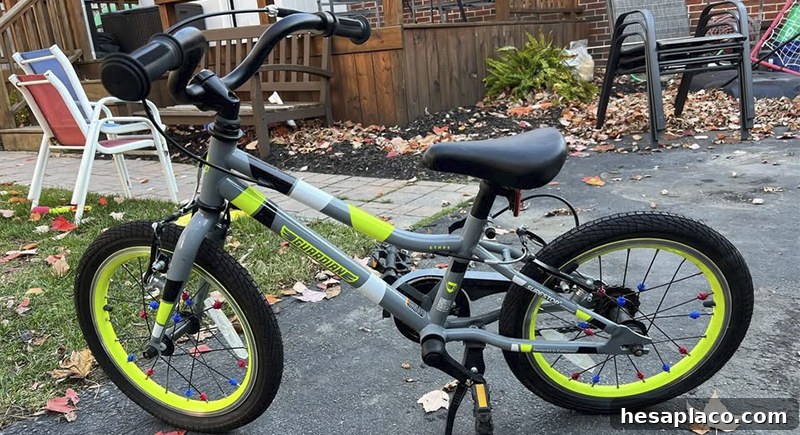
Guardian Bikes Saw It Coming Early
Credit: Facebook
Guardian’s children’s bikes feature a patented braking system developed by founder Brian Riley after a family cycling accident. Anticipating trade risk, Riley had already moved much of production to the U.S. and alternative countries like Vietnam and Brazil. When Chinese-made bike parts became subject to tariffs, that diversification prevented a sudden $150-per-bike price hike for customers.
NightCap’s Drink Covers Took a $1,200 Hit
Credit: Facebook
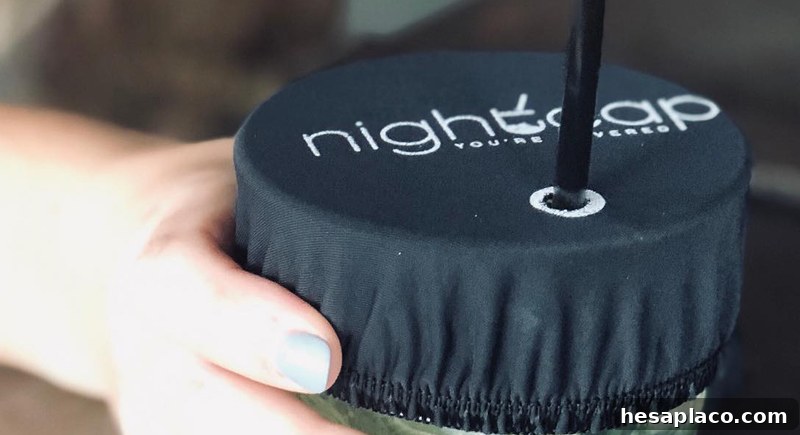
The NightCap conceals a beverage cover inside a scrunchie to help prevent spills and contamination at bars and parties. Michael Benarde sourced production in China to keep costs low. A $6,000 shipment destined for the U.K. was unexpectedly hit with $1,200 in tariff charges, an expense that undermined pricing strategies and forced the company to absorb or pass on extra cost.
ZipString’s Loop Nearly Broke
Credit: Instagram
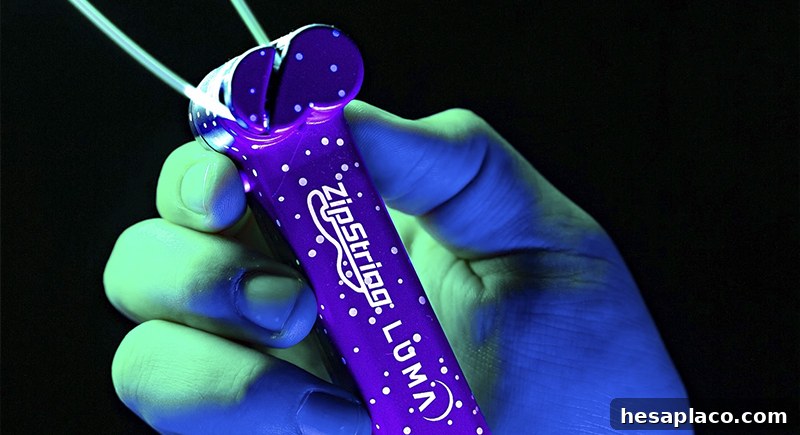
ZipString is a toy that launches a loop of string into the air, but its motor assembly and many components were manufactured in China. When tariffs surged—reaching punitive rates for certain parts—the company could not raise retail prices without losing key retail partners. To cope, ZipString froze hiring, paused new orders, and struggled with counterfeit products copying their design while they regrouped.
Bucket Golf Got Hit Mid-Swing
Credit: Facebook
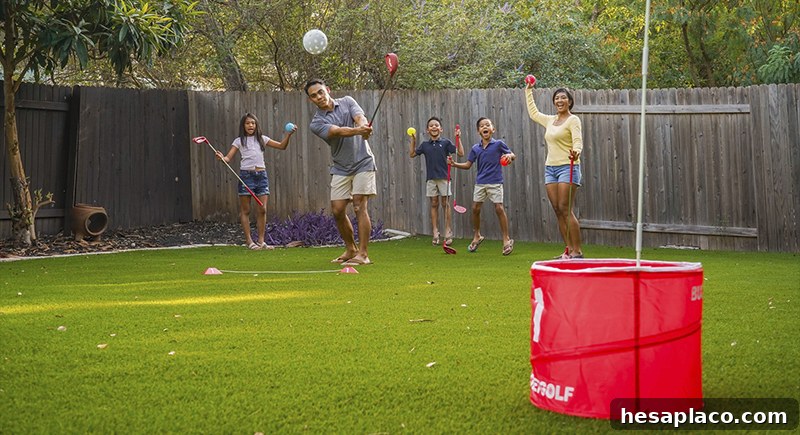
Tyler Simmons’ backyard golf game grew quickly after exposure on Shark Tank, but production costs jumped dramatically. A set that used to cost about $55 to manufacture suddenly climbed to roughly $150 once tariffs were applied. Simmons explored factories in Mexico and Southeast Asia, but none matched the original price and quality combination, so he tightened budgets and delayed expansion.
Scrub Daddy Braced for a Double-Tax Scenario
Credit: Wikimedia Commons
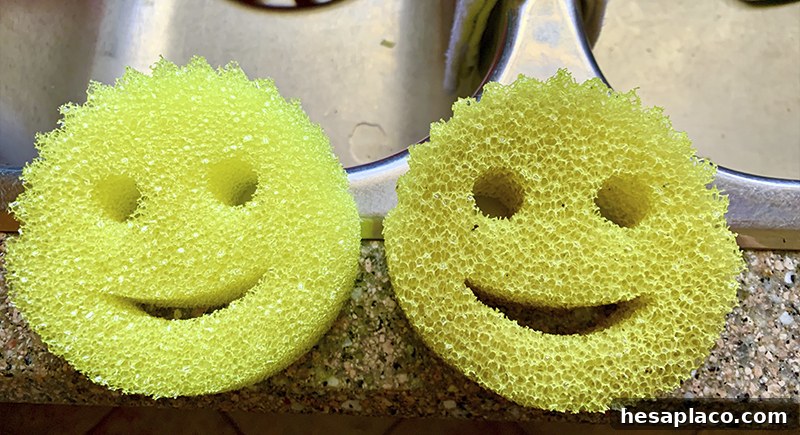
The iconic Smiley Sponge remains primarily manufactured in the U.S., but Scrub Daddy still outsources some components to Mexico. CEO Aaron Krause feared the company would face tariffs on both sides of the U.S.-Mexico border—a double-tax outcome that would have severely squeezed margins. A trade agreement ultimately prevented that worst-case scenario, but Krause described the episode as one of the most uncertain moments the business had faced.
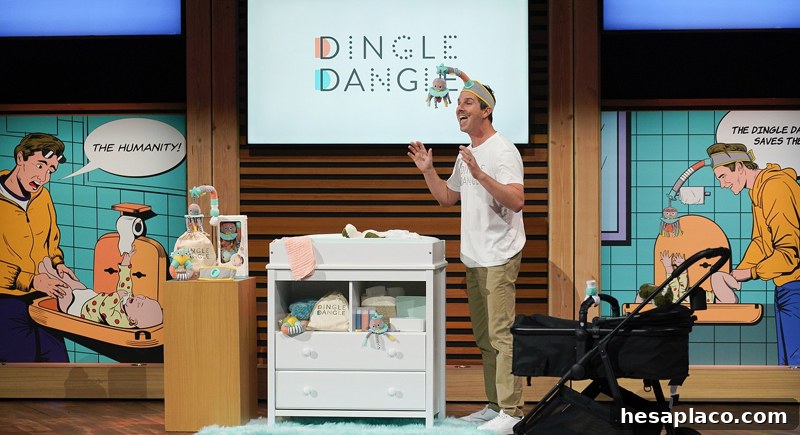
Dingle Dangle Was Stuck in Baby Product Limbo
Credit: Facebook
Stewart Gold’s multi-use baby toy, which doubles as a diaper distraction and teether, carved out a reliable niche. But when tariffs made Chinese production cost-prohibitive, the team struggled to find alternative factories that could match both price and consistent quality. Shifting production across multiple U.S. facilities increased complexity and the risk of assembly errors, creating a difficult trade-off.
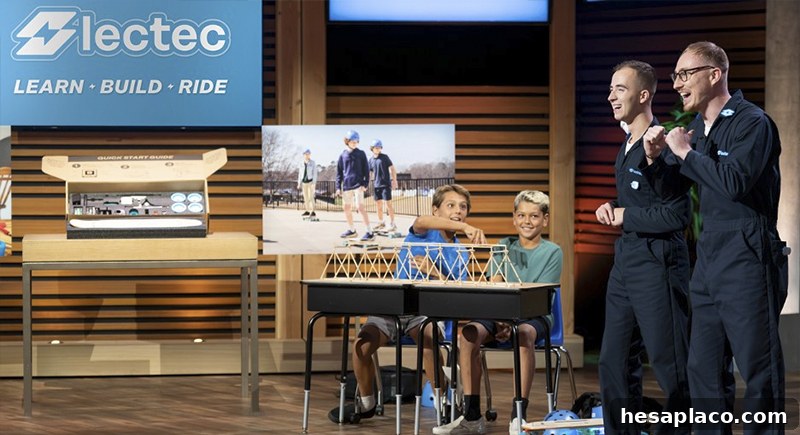
Lectec’s DIY EV Kits Ran Into a Wall
Credit: Facebook
Lectec sells build-it-yourself electric vehicle kits that combine hands-on learning with STEM education. The kits depend heavily on Chinese-sourced motors, circuit boards, and other specialized parts. A sudden tariff increase forced the company to choose between delaying preorders or increasing the price by roughly $150 on kits that already retail near $380—an unwelcome choice that risked customer churn.
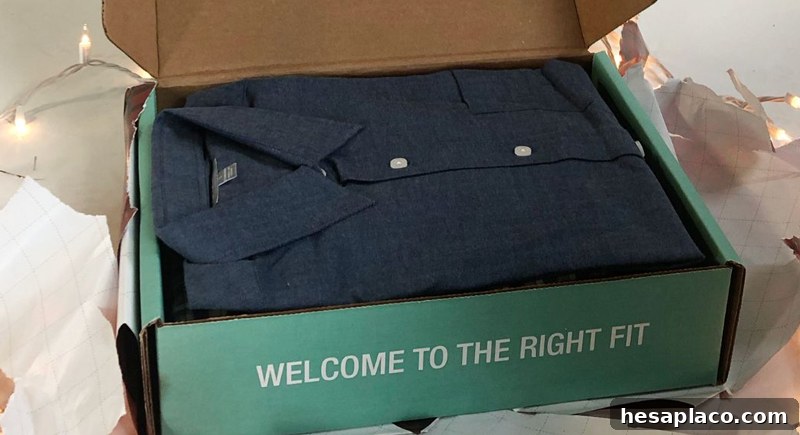
Ash & Erie’s Apparel Line Hit a Sizing Problem
Credit: Facebook
Ash & Erie built a brand around clothing tailored for men under 5’8″, sourcing production across Peru, Mexico, Vietnam, and China—sometimes completing sections of a single garment in multiple countries. When tariffs hit mid-production, some spring items made it to market at acceptable costs while others ballooned in price. The patchwork supply chain left the company vulnerable to sudden policy changes and forced more conservative planning.
Across these examples, the common lesson is clear: sudden trade policy shifts can ripple through small and growing companies, surprising founders who rely on predictable manufacturing costs. Some brands mitigated damage by diversifying production, while others absorbed added expenses or delayed growth. For many Shark Tank entrepreneurs, the tariff shock was a costly reminder that global supply chains and politics can reshape a business overnight.