
Most of us pick up skincare or pharmacy products without stopping to consider how much they actually cost to make. The reality is often surprising: many creams, serums, and drugstore staples cost only a small fraction of their retail price. When you add packaging, branding, marketing, distribution and retailer margins, the final price can be many times the original production cost. Below are 10 categories where the gap between cost and retail price is particularly striking.
Fur Oil
Credit: Instagram
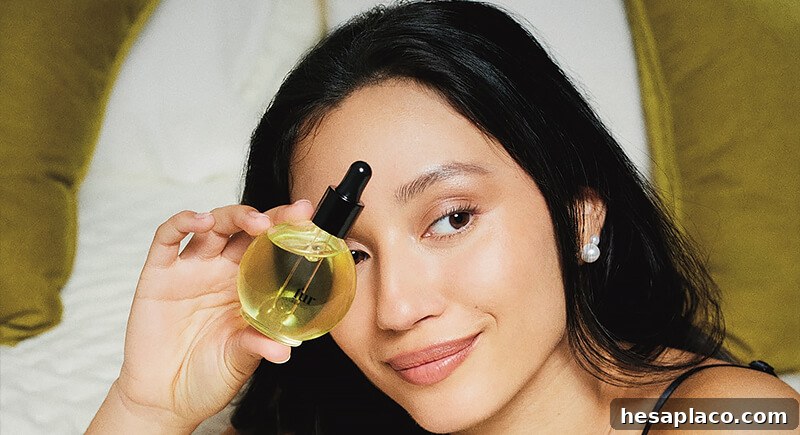
On a recent episode of Shark Tank, founders Laura Schubert and Lillian Tung disclosed that their fur-grooming oil costs roughly $5.34 to produce, yet it retails for about $46. That represents a markup exceeding 700%, a reminder of how dramatic price multipliers can be once marketing and retail markups are applied.
Cosmetics
Credit: Reddit
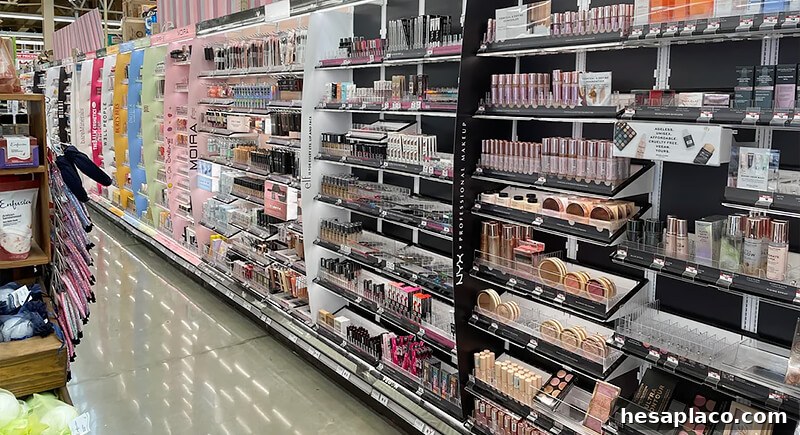
Walk down any makeup aisle and the disparity is obvious. Many cosmetic items that cost around $5 to manufacture sell for roughly $46 on the shelf. A common industry target is to keep production costs near 10% of the retail price; the remainder covers retailer margins, packaging, marketing campaigns and promotional partnerships that raise visibility.
Prescription Drugs

Credit: Getty Images
It’s not just beauty items that see large markups. Prescription medications can undergo price increases ranging from 200% to 3,000% in some cases. A medication bought wholesale for about $100 might cost around $700 at the pharmacy once dispensing fees, insurance negotiations and pharmaceutical pricing strategies are included.
Luxury Skincare Oils

Credit: Getty Images
High-end facial oils often look premium on store shelves, but many formulas are built mainly from simple plant oils like jojoba, grapeseed, rosehip or almond. When purchased in bulk, these ingredients are relatively inexpensive. After investing in branding, packaging and marketing, the finished product frequently retails for $40 or more.
EpiPen
Credit: Reddit
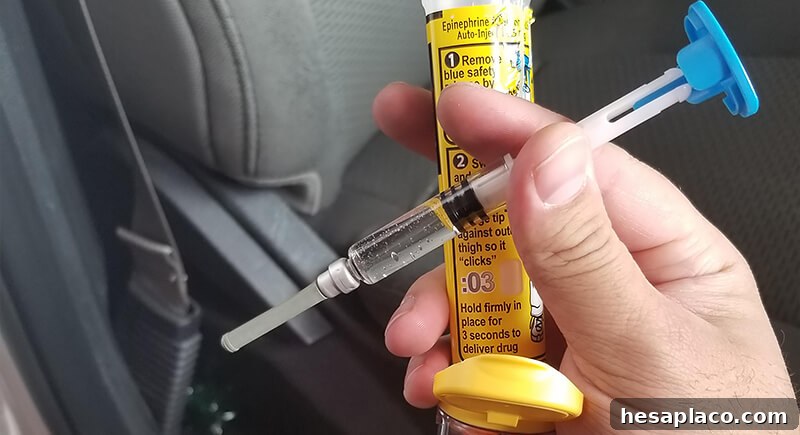
The EpiPen became a widely discussed example of pharmaceutical pricing. Once commonly priced at about $100, a two-pack rose to roughly $600 by 2016 amid supply issues and limited competition. That sharp increase sparked nationwide debate over drug affordability and pricing transparency.
Premium Facial Serums

Credit: Rido
Small glass bottles of serum often carry some of the highest margins in skincare. A serum that costs about $12 to manufacture can retail for approximately $40. In many cases, the packaging itself—heavy glass bottles, droppers and ornate boxes—can cost more than the ingredients, adding to the perception of luxury and raising the retail price.
Natural Skincare Products
Credit: pexels
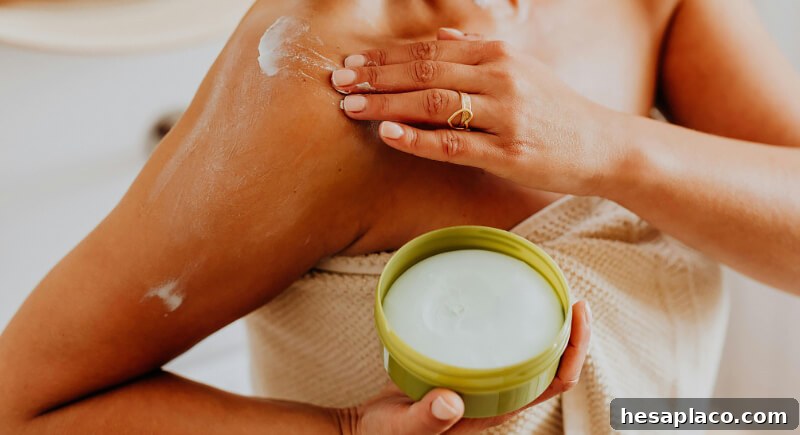
Organic moisturizers and “clean beauty” creams often follow a similar pattern. Many creams are primarily water—typically 60% to 80% of the formula—so the cost of raw ingredients can be low compared with branding and packaging expenses. Because these products frequently avoid synthetic preservatives, they may have shorter shelf lives and require smaller production runs or refrigerated storage, which increases costs for smaller brands.
Prestige Skincare Brands
Credit: Canva
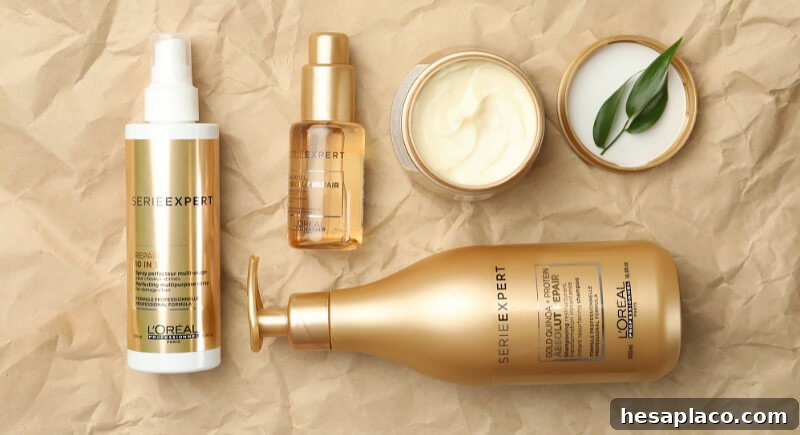
Luxury skincare relies heavily on perception. A high price tag creates an aura of exclusivity and can make a product feel more effective or desirable. Brands capitalize on this by investing in celebrity endorsements, high-end retail displays and premium packaging to reinforce the product’s perceived value.
Retail Beauty Distribution
Credit: Getty Images
The final price you pay at the counter depends heavily on the retail channel. Retailers typically buy products at wholesale prices and apply their own markups—often doubling the wholesale cost—to cover rent, staff and profit. That’s why a cream that costs a retailer $50 can appear with a $100 price tag on the shelf.
Indie Skincare Brands
Credit: pexels
Small, independent skincare companies face unique financial pressures. Contract manufacturers often require minimum orders of 500 to 1,000 units, and brands must invest in formulation, stability and safety testing before launch. Packaging design, regulatory compliance and smaller production runs add costs that can push retail prices higher, even for niche or artisanal lines.