
Shopping malls spent years losing foot traffic to online retail, and for a while it seemed like they might never recover. But Gen Z is changing that in a surprising way: they’re not just shopping with a purpose, they’re showing up for social experiences. Malls are adapting to meet them—food halls, beauty pop-ups, lounge areas, and stores designed for TikTok-friendly moments are drawing young visitors who grew up during lockdowns and now want places to spend time offline with friends.
The Return of Trying Clothes On In Person
Credit: pexels
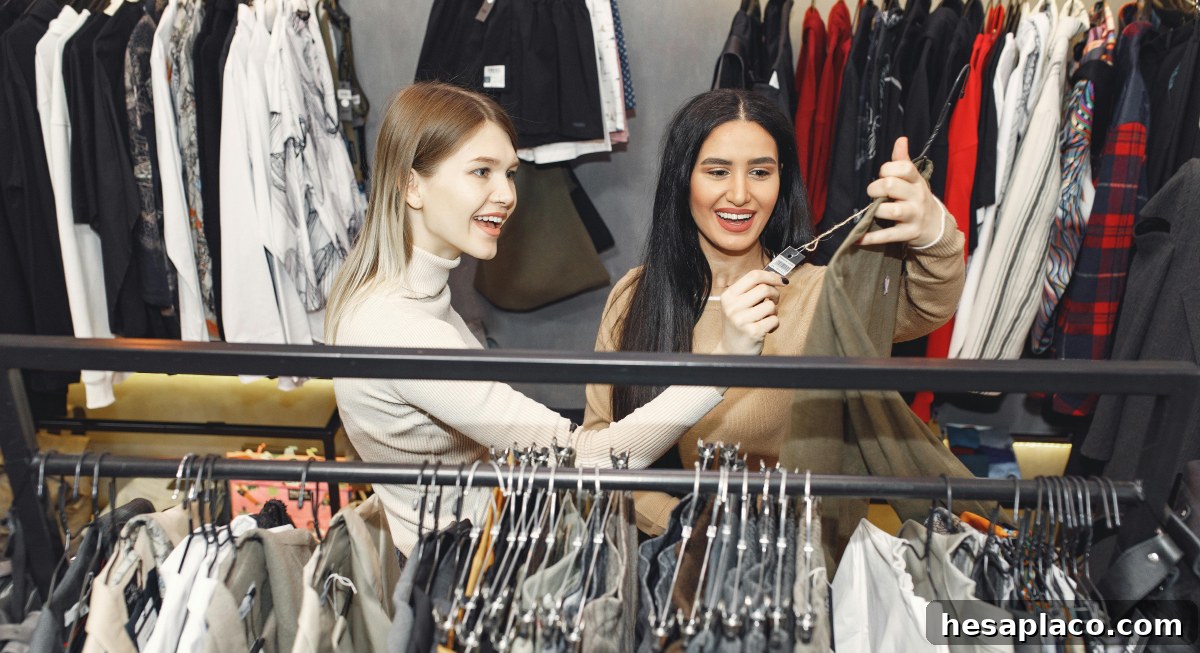
For years, fast-fashion websites made online shopping feel fast and convenient, but inconsistent sizing and high return rates frustrated both shoppers and retailers. Gen Z has brought fitting rooms back into fashion: trying clothes on in person avoids sizing surprises and turns shopping into a social activity, with friends offering opinions and making the trip part of a shared experience.
Mall Food Courts Are Social Hotspots Again
Credit: pexels
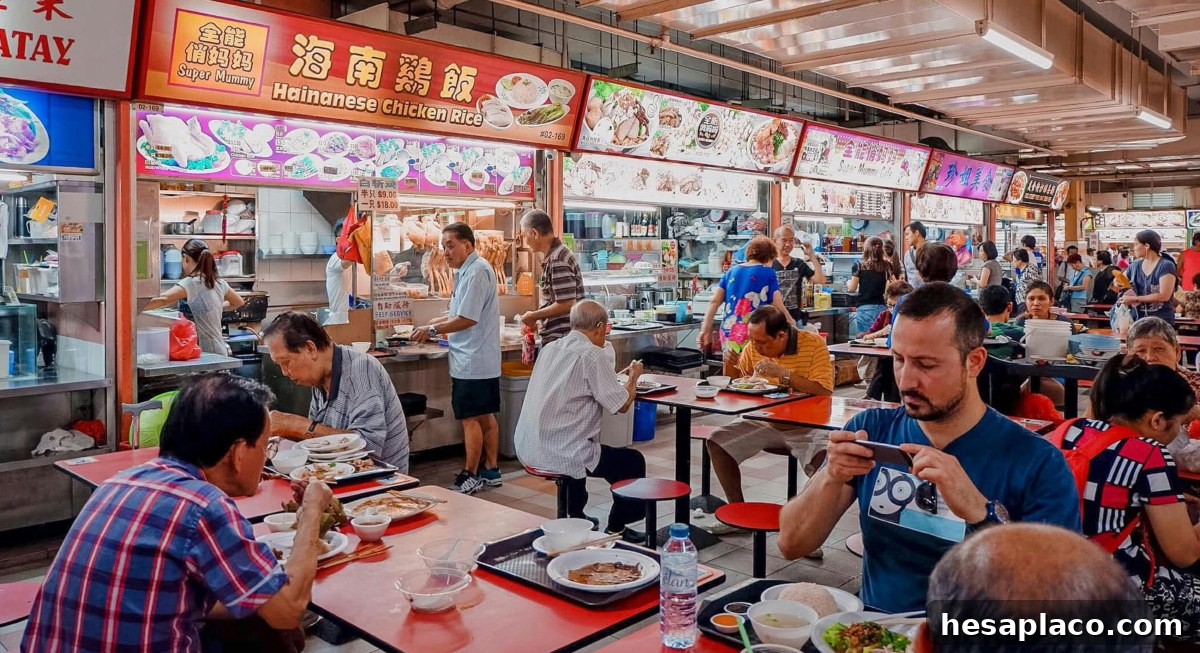
Food courts have shifted from quick meal stops into social destinations. Bubble tea lines, Korean corn dogs, and other trendy snack vendors draw crowds that often linger for hours. Many teens and young adults visit malls without intending to shop, instead treating casual dining and snacking as a key part of their social life. In response, mall operators have added more seating, communal tables, and lounge spaces to accommodate groups who stay and socialize.
Vintage Mall Brands Feel Fresh Again
Credit: pexels
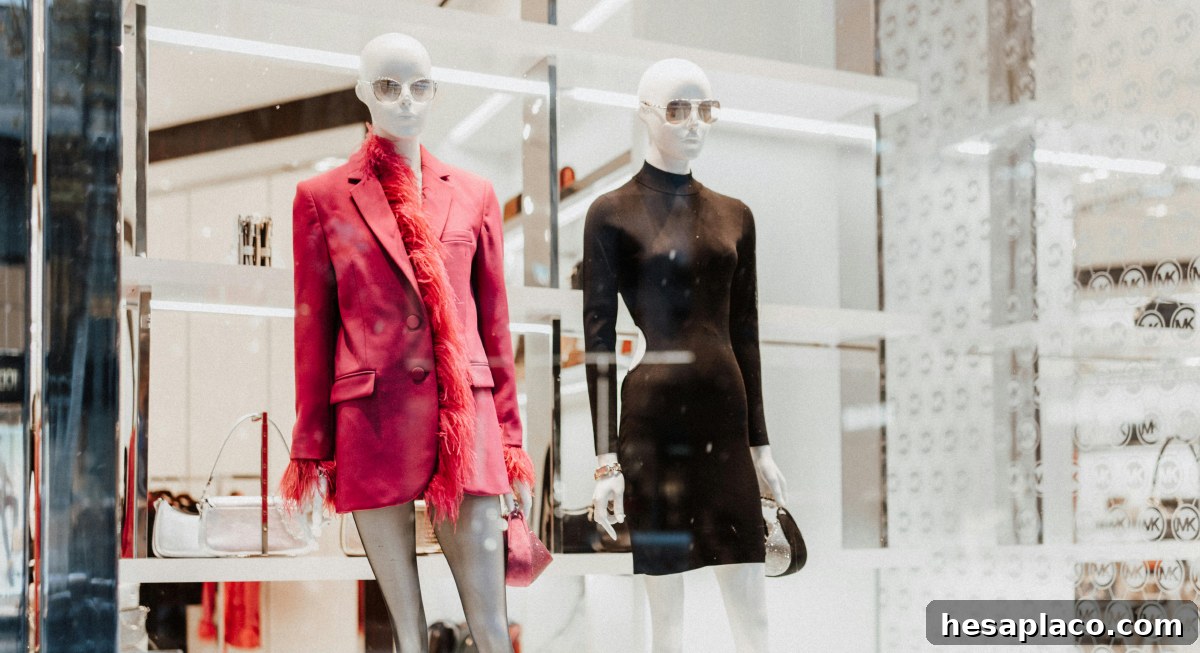
Brands that once felt dated—Gap, Victoria’s Secret, Bath & Body Works—have enjoyed renewed attention. Social media trends and nostalgia-driven content have repositioned these names for younger shoppers who never lived through their previous peaks and declines. What older generations saw as relics of the past now look like fresh discoveries to Gen Z, prompting many to revisit mall staples with curiosity and enthusiasm.
Teen Hangouts Are Moving Back Indoors
Credit: pexels
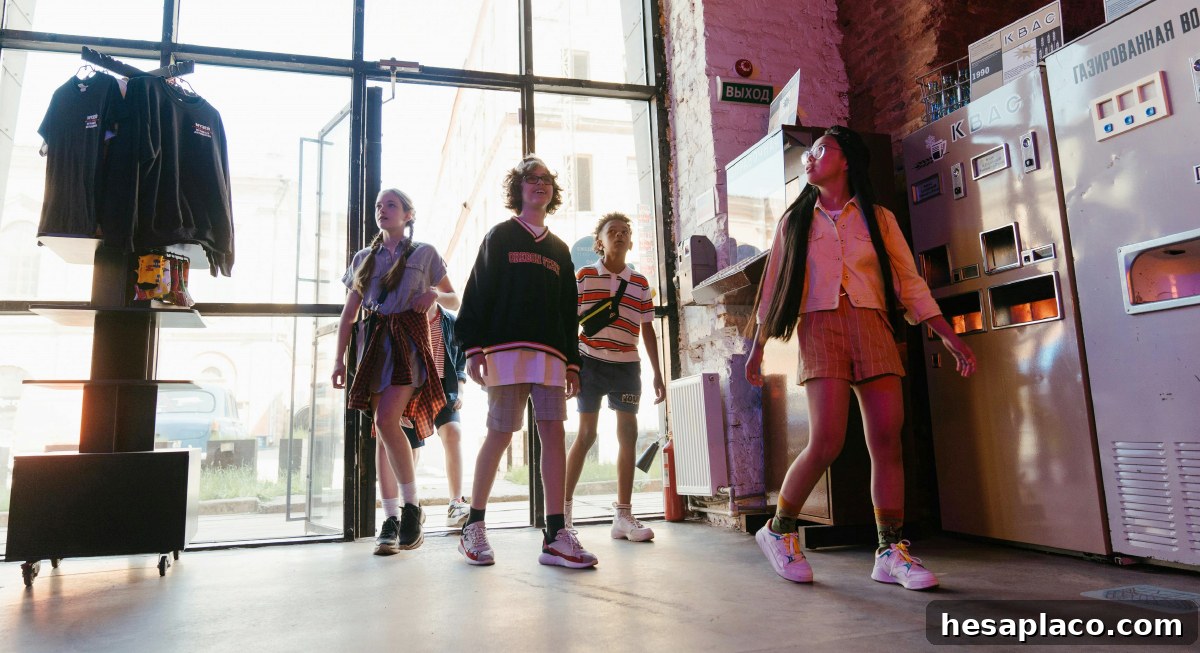
Decades of parents complaining about teens loitering in malls have given way to a new wave of young people seeking supervised, public indoor spaces. The pandemic made many outdoor and small local hangouts less accessible, and malls stepped in to fill that void. With safe, weather-proof common areas and a variety of activities nearby, malls became natural spots for teens to gather after school or on weekends.
TikTok Turned Mall Visits Into Content
Credit: iStockphoto
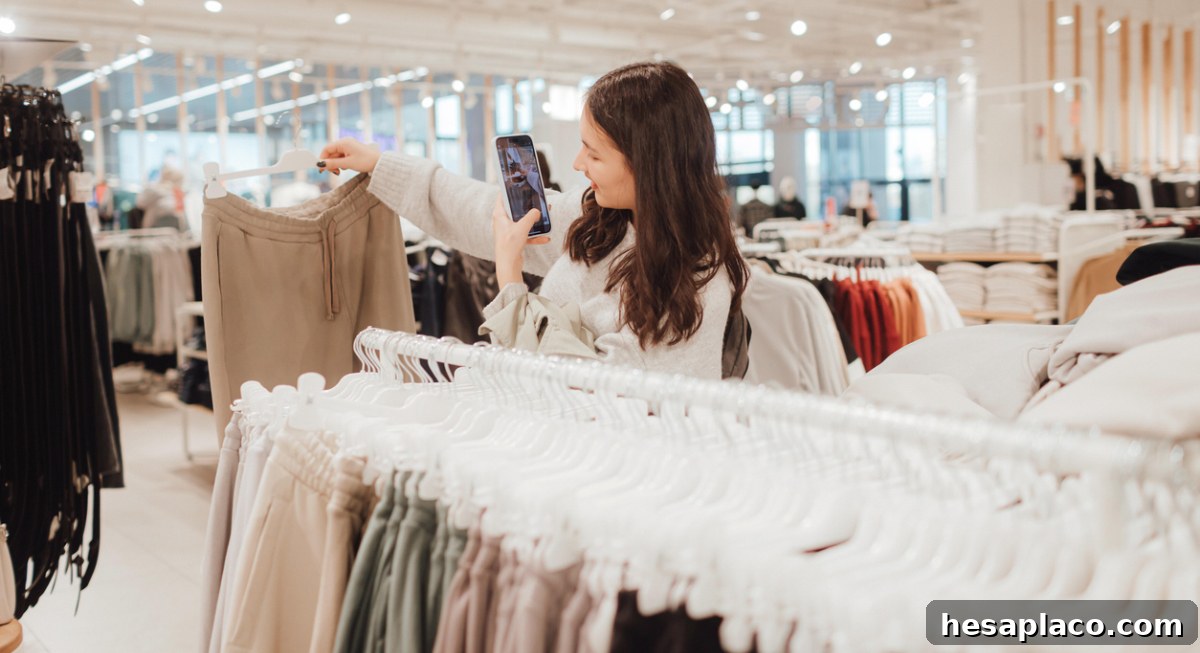
Social platforms like TikTok and Instagram have reframed mall visits as content opportunities. Dressing room mirrors, beauty counters, and dessert shops often appear in short-form videos that drive curiosity and foot traffic. Retailers quickly noticed that visually appealing interiors and shareable spots can generate more attention than traditional ads, so many malls have redesigned interiors with photo-friendly features and bright, memorable backdrops.
Limited Drops Created a New Reason to Visit Stores
Credit: iStockphoto
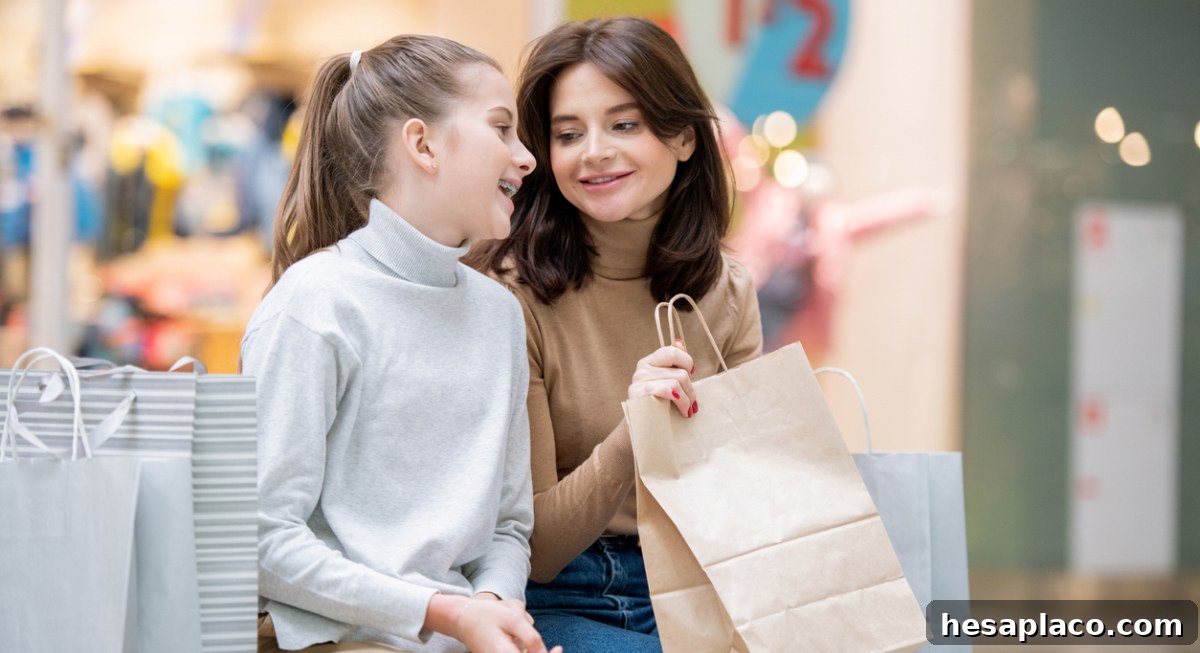
Limited-edition drops and exclusive in-store collaborations have reignited the thrill of showing up in person. Makeup partnerships, celebrity collections, and one-off releases create urgency and long lines, drawing shoppers back into malls. When a collection goes viral online, people often want to see and try the items before buying, which brings digital buzz into physical stores and increases foot traffic.
Mall Walking Stopped Feeling Embarrassing
Credit: pexels
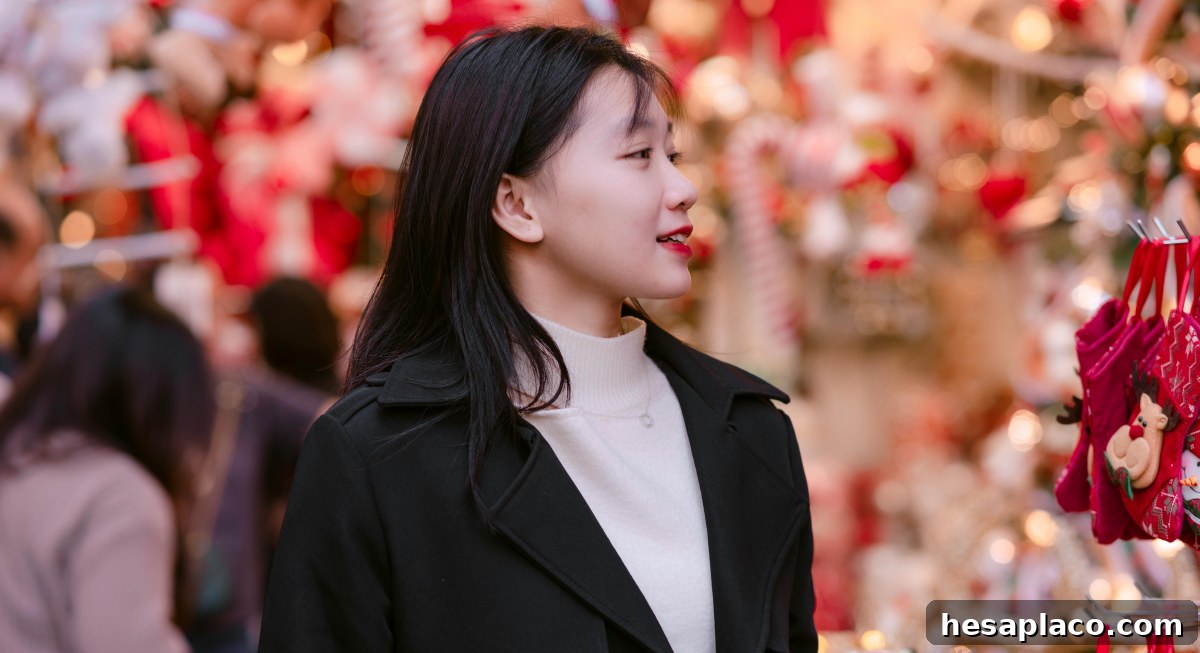
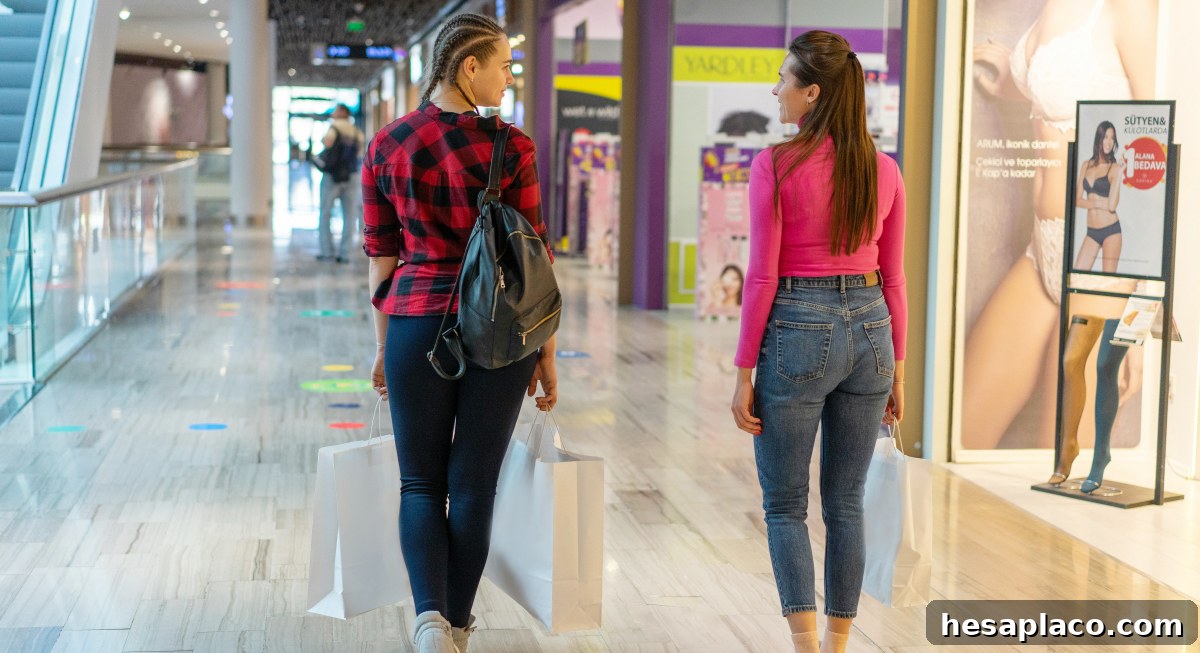
Earlier generations mocked aimless mall wandering, but Gen Z has normalized browsing as a casual, social pastime. Young shoppers treat malls like indoor neighborhoods: they grab coffee, check out new arrivals, people-watch, and hang out together without pressure to make purchases. This shift has made mall walking a typical and accepted way to spend time.
Beauty Stores Became Gathering Spots
Credit: pexels
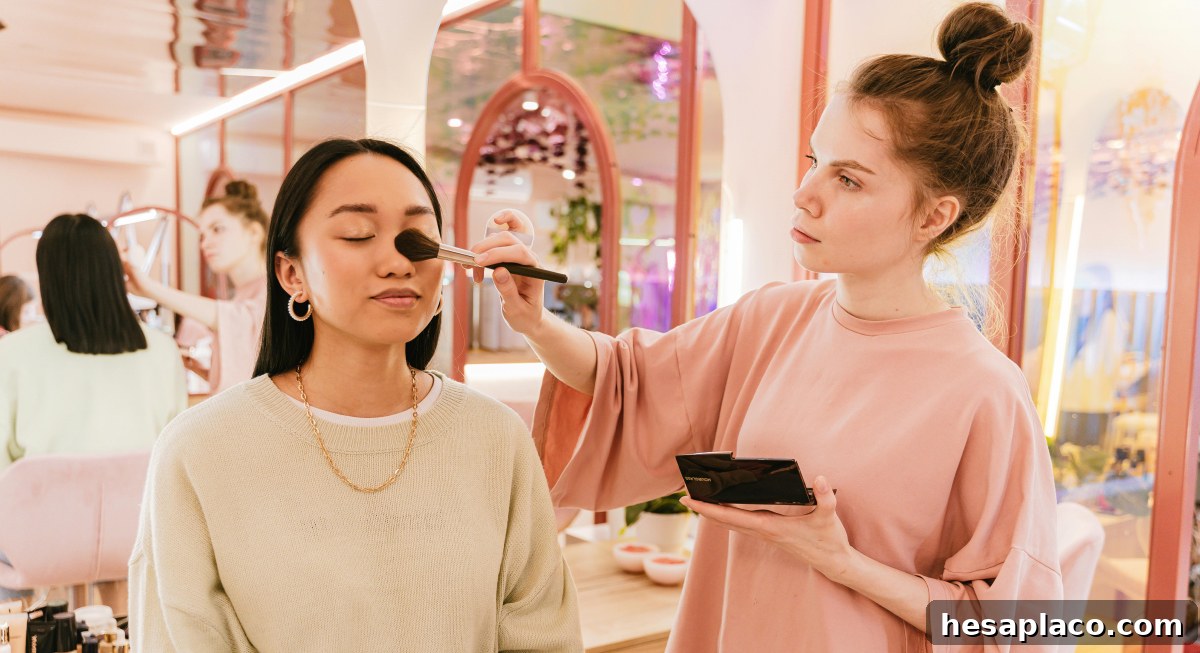
Beauty retailers have adapted by offering interactive experiences: skincare consultations, makeup sampling stations, and group-friendly layouts now invite customers to linger. Younger shoppers often discover trends online and then head to stores to test textures, compare shades, and try products together. These hands-on experiences help convert online curiosity into in-person engagement.
Indoor Activities Started Sharing Space With Retail

Credit: pexels
The traditional mall model relied heavily on department stores for steady traffic, but as chains downsized, operators filled vacant space with entertainment and experiences. Rock-climbing walls, arcades, mini golf, and other attractions now sit alongside shops, turning malls into mixed-use destinations that appeal to younger audiences seeking active, social ways to spend time indoors.
Gen Z Treats Nostalgia Like a Discovery
Credit: pexels
Millennials remember 1990s mall culture firsthand; Gen Z encounters it through a different lens. Much of what older generations see as nostalgia feels like a fresh discovery to younger shoppers. Analysts note that “mallcore” aesthetics spread on social media and then translated into real-world behavior, helping revive malls as cultural places where old habits are reframed as new experiences.
Overall, malls are no longer competing solely on price and product selection. They’re competing on experience—offering social spaces, interactive retail, and entertainment that encourage people to arrive, stay, and connect. As Gen Z continues to redefine how physical and digital culture intersect, malls that evolve beyond traditional retail stand the best chance of thriving in this new era.