
Money left in a flexible spending account (FSA) can disappear if it isn’t used before the plan’s deadline. Many employers still operate under use-it-or-lose-it rules, meaning remaining balances may be forfeited at year’s end. The good news is that FSA dollars cover far more than prescriptions and routine doctor visits. From everyday health items to unexpected medical needs, the following are ten often-overlooked eligible purchases that can help you make the most of your FSA funds.
Acne Treatments With Active, Recognized Ingredients

Credit: Canva
Over-the-counter acne products are FSA-eligible when they contain FDA-recognized active ingredients like benzoyl peroxide or salicylic acid. Well-known brands such as Neutrogena, Proactiv, and La Roche-Posay often qualify. You can purchase these items through standard retailers or FSA-specific storefronts, but keep receipts in case your plan requests documentation.
Sunscreen—If It’s Broad-Spectrum and SPF 15 or Higher

Credit: Canva
Not all sunscreens are eligible. To qualify for FSA reimbursement, a sunscreen must be broad-spectrum and have an SPF of at least 15. Protective lotions meeting those standards—such as high-SPF formulas from established brands—are typically allowed. Products marketed solely for tanning or labeled as “cosmetic” do not qualify.
Menstrual Products Are Now Eligible

Credit: Getty Images
Since the CARES Act change in 2020, menstrual care products such as pads, tampons, menstrual cups, and period underwear are FSA-eligible. These items were once excluded but are now recognized as qualified medical expenses, and no prescription or special approval is required to use FSA funds for them.
Guide and Service Animals—and Their Related Costs

Credit: Getty Images
When a guide or service animal is needed for a documented medical condition, FSA funds may cover more than just the animal itself. Training, food, grooming, and veterinary expenses for a qualified service animal can be eligible if the animal is prescribed or recommended for a specific medical purpose. Household pets without a medical justification remain ineligible.
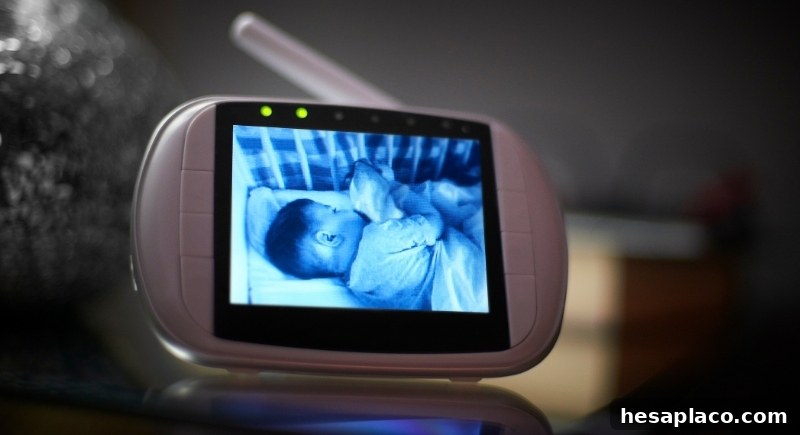
Medical-Grade Baby Monitors
Credit: Getty Images
Basic baby monitors are commonly covered, and many advanced models that track heart rate or oxygen levels—designed for medical monitoring—may also qualify. Products intended to monitor a baby’s health rather than provide convenience typically meet eligibility requirements. Keep product descriptions and receipts in case your FSA administrator requests verification of medical purpose.
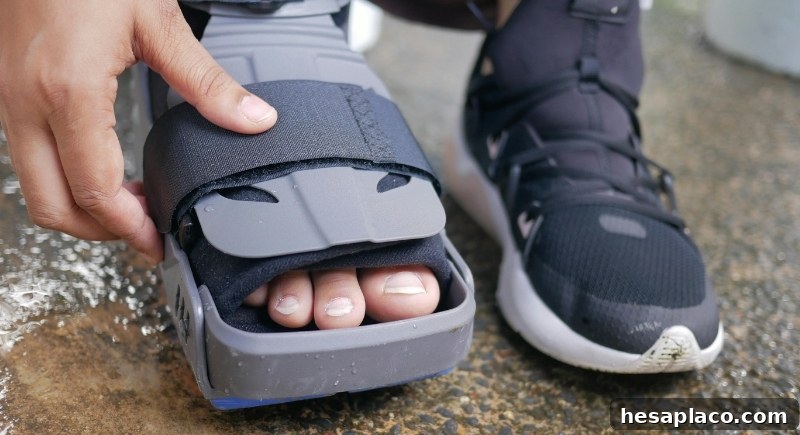
Orthopedic Inserts and Arch Supports
Credit: pexels
Foot care devices such as orthopedic shoe inserts, custom or over-the-counter arch supports, and orthotics are FSA-eligible when used to treat a diagnosed condition like plantar fasciitis, flat feet, or alignment problems. These items are typically covered when recommended by a healthcare professional to address a specific medical issue.
Home and Vehicle Modifications for Medical Needs

Credit: Getty Images
Structural changes to a home—such as installing a wheelchair ramp, widening doorways, or modifying bathrooms—can be eligible if a doctor certifies the modifications as necessary to treat or accommodate a medical condition. Similarly, medically required vehicle modifications like wheelchair lifts or hand controls may qualify when they directly support mobility or daily living needs.
Pregnancy-Related and Fertility Supplies

Credit: pexels
Items related to pregnancy and fertility—such as pregnancy tests, ovulation kits, prenatal vitamins, breast pumps, and certain fertility monitors—are generally FSA-eligible. Some fertility treatments and associated supplies may also qualify depending on the specific medical circumstances. When in doubt, retain documentation that links the expense to medical or family-planning care.
DNA and Genetic Health Tests—When They Screen for Medical Risks

Credit: Getty Images
Pure ancestry DNA tests are not FSA-eligible, but genetic testing that includes health screenings or identifies medical risk factors can be. Tests like a health-focused DNA panel that provides clinically relevant results may qualify if intended to inform medical care. Save receipts and any supporting documentation that explain the medical purpose in case your FSA provider requests proof.
Medical Travel Expenses Beyond Mileage

Credit: Canva
Travel required for medical care may be partly reimbursable through FSA funds. In addition to mileage, eligible travel costs can include parking fees, tolls, public transportation fares, and—in certain cases—lodging when overnight stays are necessary for treatment. Meals are generally not covered, and trips must be primarily for medical reasons to qualify.
Because FSA rules and employer plan specifics can vary, always check your plan’s eligible expense list and retain receipts or medical documentation when making claims. Doing so ensures you can confidently use FSA dollars for a wider range of helpful, medically related purchases before your balance expires.