
Many people assume saving money means always buying the cheapest option. That idea seems practical but often backfires: bargain items can wear out quickly, break easily, or require costly repairs. Spending more upfront on certain purchases can prevent repeated replacements, unexpected repair bills, and ongoing frustration. The ten items below may look pricey at checkout, but they frequently protect your budget over time.
Quality Athletic Shoes

Credit: Canva
Worn-out sneakers can lead to discomfort and injury. A $150 pair of running shoes may seem expensive beside $40 discount options, but good footwear offers better support, lasts for hundreds of miles, and reduces the risk of knee, hip, or back problems down the line. Investing in durable, well-designed shoes can protect your joints and spare you from higher medical costs later.
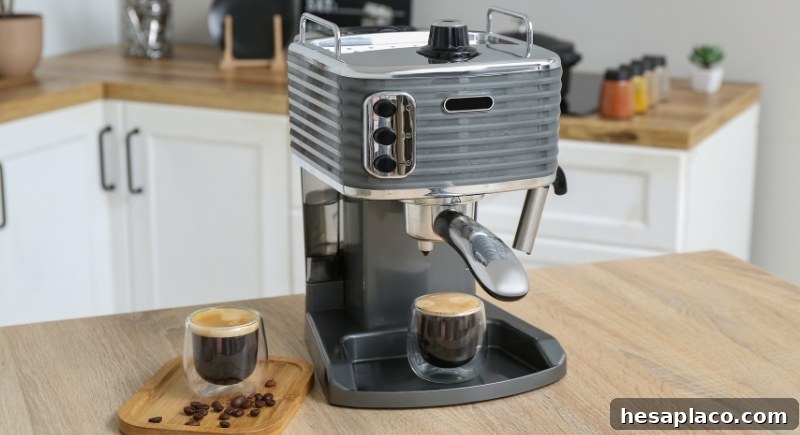
Home Espresso Machine
Credit: Canva
If you buy coffee out daily, the costs add up quickly. Five $5 drinks a week can amount to more than $1,300 a year. An entry-level espresso machine and grinder—often under $1,000—can pay for themselves in a few months, especially if you learn basic techniques from online guides. Making coffee at home saves money and gives you control over taste and ingredients.
Therapy Sessions

Credit: pexels
Therapy can improve more than mental well-being—it can reduce costly habits like impulse buying and stress-related spending. Many people report that regular sessions helped them curb unnecessary purchases, saving hundreds each month. Insurance plans often cover part of therapy, lowering out-of-pocket costs. Better mental health supports clearer financial decisions and long-term savings.
Quality Backpacks

Credit: pexels
A well-made backpack can last for years, while cheaper models often fail within a single season. Brands that offer lifetime warranties and sturdy construction typically cost between $50 and $80, but they save money by avoiding frequent replacements. Durable zippers, reinforced straps, and quality seams mean fewer hassles and lower long-term costs—especially for students or commuters carrying laptops and textbooks.
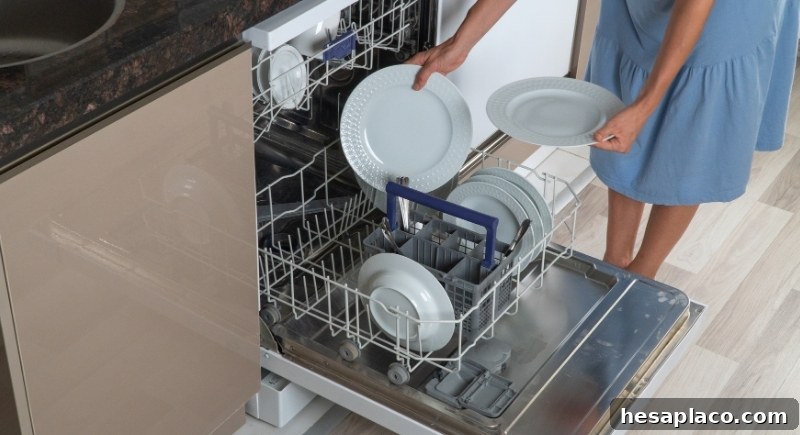
A Dishwasher
Credit: Canva
Modern dishwashers use far less water per load than washing by hand and can lower overall water usage and utility costs. They also save significant time—time you can spend on work, family, or rest. Although a dishwasher adds to your electricity bill, the water savings and convenience often make it a worthwhile investment for many households.
Preventive Dental Care

Credit: pexels
Skipping routine dental visits to save money now can lead to expensive procedures later. Regular cleanings and exams catch cavities early when a simple filling will do, and hygienists remove plaque buildup that home brushing can miss. Many dental plans cover preventive care, and routine visits also include screenings for gum disease and oral cancer. Preventive dentistry protects oral health and reduces long-term expenses.
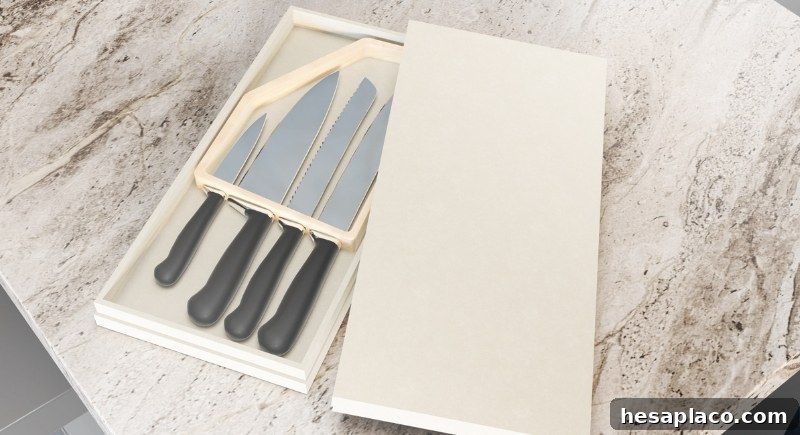
Quality Kitchen Knives
Credit: Canva
A sharp, well-made chef’s knife improves safety, efficiency, and enjoyment in the kitchen. Quality knives priced between $80 and $150 can last decades with occasional sharpening and proper care. Low-cost knives often dull or chip quickly, requiring replacement. One durable 8-inch chef’s knife can handle most tasks, removing the need for an expensive set of blades.
Quality Winter Coat

Credit: Getty Images
Cheap coats can lose insulation after one season, forcing frequent replacements. Investing in a well-built coat with quality down or technical fabrics—often around $300—can provide reliable warmth for 10 to 15 years. Durable outerwear reduces the need for extra heating and frequent purchases, making it both a comfort and a cost-saving choice over time.
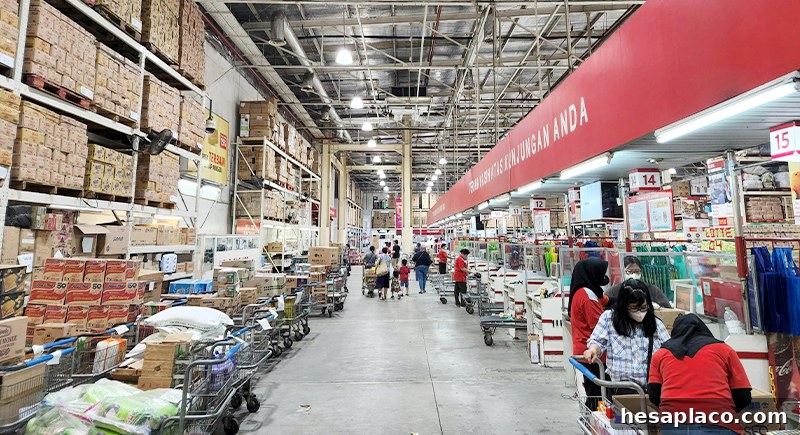
Bulk Warehouse Shopping
Credit: pexels
Buying in bulk can lead to substantial savings on staples like toilet paper, paper towels, and laundry detergent, but it requires storage space and upfront cash. For families, bulk purchases—especially of items used regularly or infant formula—often pay for themselves quickly. Membership fees for warehouse clubs can be recouped after a few trips for many households, making bulk buying a smart strategy for planned consumption.
Quality Mattress

Credit: Getty Images
Sleep affects productivity, health, and daily life. Low-cost mattresses often sag and stop providing adequate support after a few years, which can lead to back pain and additional medical costs. Given that people spend about a third of their lives in bed, investing roughly $1,200 in a supportive mattress can improve sleep quality, reduce physical strain, and save money over the long term by avoiding frequent replacements and possible health consequences.