
Remember when a single dollar felt like a small treasure? The 1990s were the last decade when that crumpled bill could actually buy something meaningful. Inflation and changing retail practices have eroded much of that buying power, but looking back at what a dollar bought in the 1990s reveals how dramatically everyday prices have shifted. Below are everyday items you could commonly purchase for a dollar during that era, along with brief context about how prices have changed since.
A McDonald’s Hamburger
Credit: Africa Images
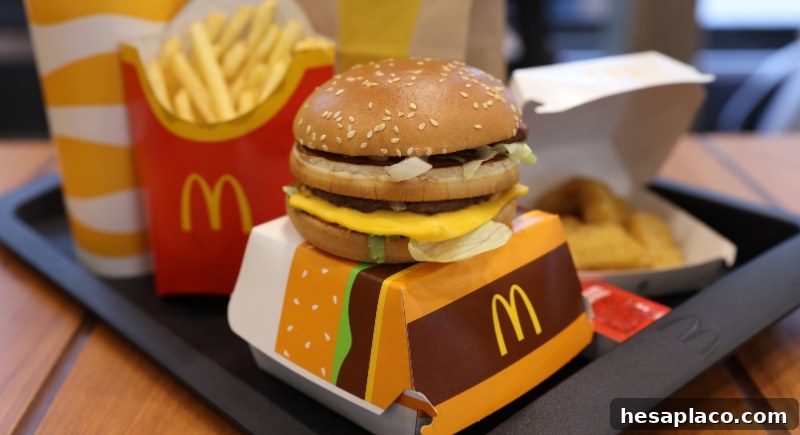
During much of the 1990s, a basic McDonald’s hamburger could be purchased for around 75 cents, leaving you with change from a single dollar. By the end of the decade and into the early 2000s, menu prices crept upward and a cheeseburger reached roughly 89 cents in many locations. Fast-food prices have continued to rise since then, influenced by higher labor and ingredient costs and regional taxes.
One Gallon Of Gas
Credit: Photo Images
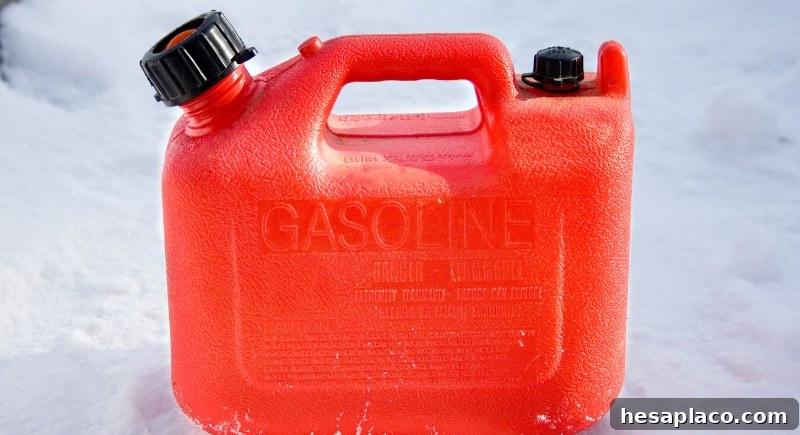
Gasoline was far cheaper for most of the 1990s, often staying below $2 per gallon. In February 1999, the national average dipped to about 96 cents per gallon at its low point. That made road trips and daily commuting feel much less painful on the wallet; a twenty-dollar fill-up left you with plenty of discretionary cash. Today’s pump prices are notably higher and more volatile, affected by global oil markets and regional taxes.
Four First-Class Stamps
Credit: pexels
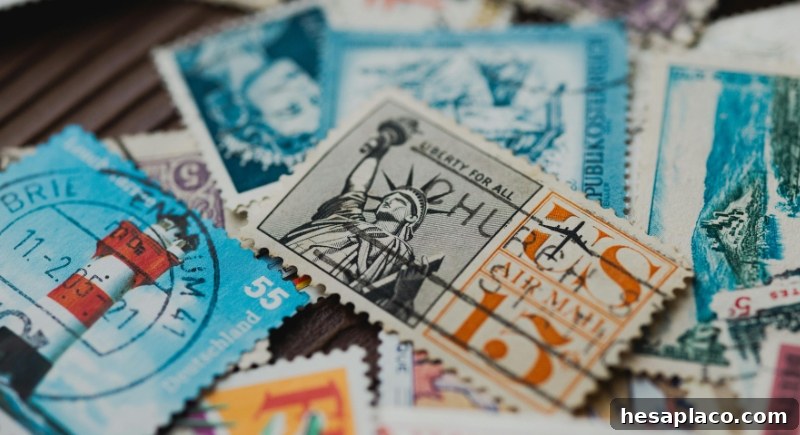
The era before email and widespread online billing relied heavily on postal mail. First-class postage once cost 25 cents per stamp, so a single dollar would buy four stamps—four separate letters sent the old-fashioned way. Over time postage rates rose steadily; in recent years, the cost of a First-Class Forever stamp has climbed well beyond a dollar, altering the economics of everyday mailing.
Ten Ears of Corn

Credit: Getty Images
Fresh produce, especially seasonal items like sweet corn, could be exceptionally affordable. In 1999, grocery stores sometimes sold ten ears of corn for about 99 cents, making summer cookouts cheap and plentiful. Today, that same quantity typically costs significantly more, with seasonal availability and premium varieties pushing prices up.
A Pound of Apples
Credit: Getty Images
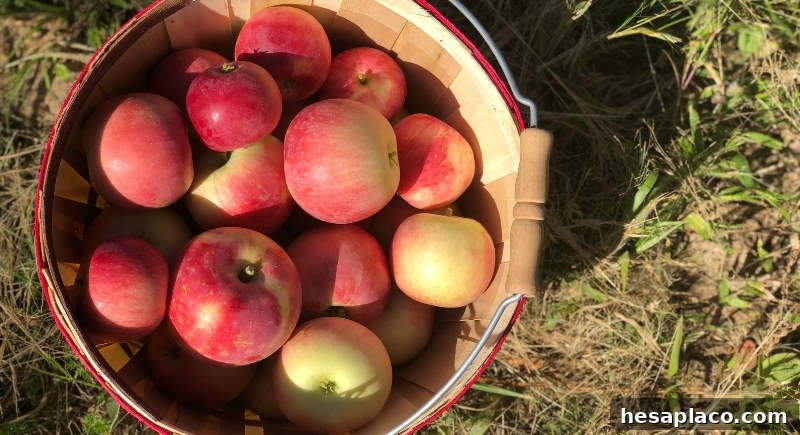
In the early 1990s, a pound of apples might cost roughly 72 to 89 cents, depending on the year and variety. That was enough fruit to make a small pie or provide several snacks. Nowadays, popular or organic apple varieties can cost several dollars per pound, which has made fresh fruit relatively more expensive for many households.
A Dozen Eggs

Credit: Getty Images
Eggs were once a bargain staple. For much of the 1990s, a dozen eggs hovered around a dollar, making them a go-to source of inexpensive protein. Whether it was weekend breakfasts or budget-conscious meal prep, eggs served as a reliable value item. In contrast, recent years have seen egg prices climb substantially due to supply and demand shifts and other market factors.
A Pound of Hot Dogs

Credit: Getty Images
A one-pound package of hot dogs could cost roughly 99 cents in the 1990s. That pack often contained eight to ten hot dogs—enough to feed a family at a low cost. Discount packaged meats were a cornerstone of budget shopping, and many shoppers didn’t need loyalty programs or coupons to find everyday bargains back then.
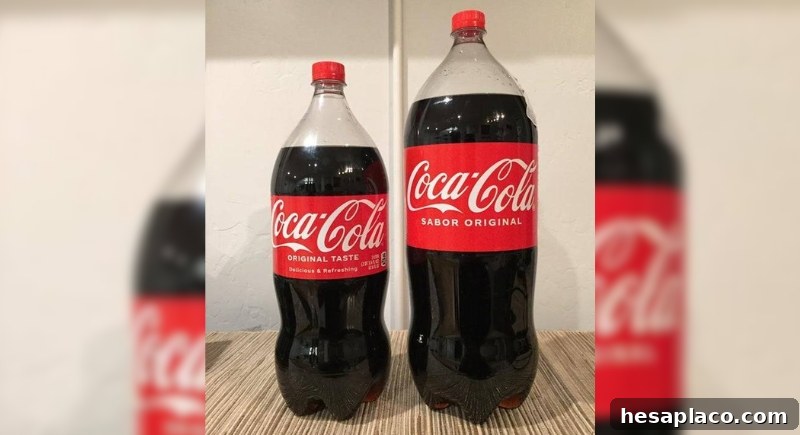
A Two-Liter Bottle Of Coca-Cola
Credit: Facebook
In the early 1990s, promotional pricing and in-store deals sometimes brought a 2-liter bottle of soda down to around $1. That made large gatherings and sleepovers easy on the budget. Today, while occasional sales still exist, most 2-liter bottles are sold for several dollars apiece depending on location and retailer.
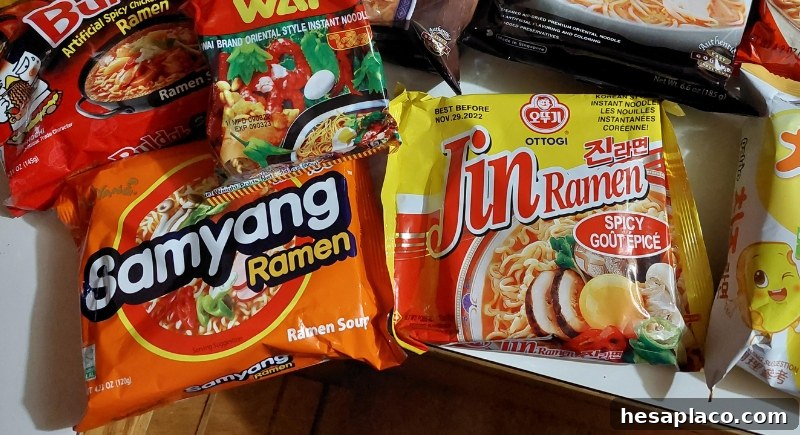
Two Packs of Ramen Noodles
Credit: Reddit
Ramen was a college staple and extreme budget food in the 1990s. Individual packs could sell for around 25 cents apiece in some stores, so a single dollar could buy several meals for cash-strapped students. The brand names and flavors were familiar—Top Ramen and Maruchan dominated—and the low cost made ramen an essential pantry item for many households.
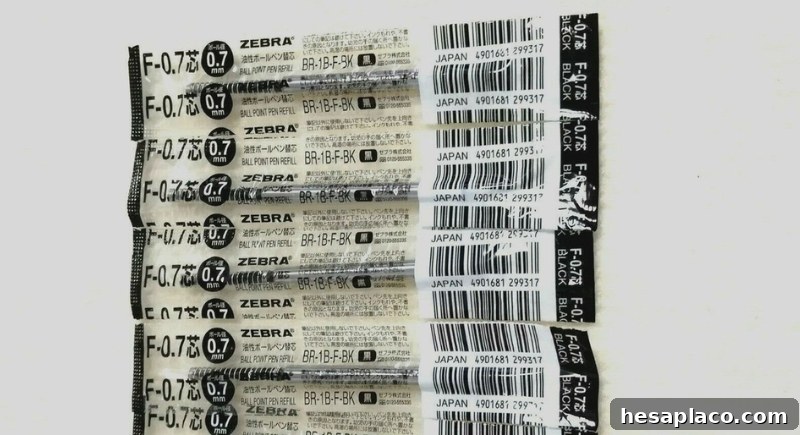
A Ballpoint Pen Ink Refill
Credit: ebay
Handwritten notes, schoolwork, and paper forms still dominated daily life in the 1990s, and a replacement ink refill for a ballpoint pen often cost about $1. Refilling a pen instead of discarding it felt practical and economical. As digital tools have reduced the amount of handwriting, and as some supplies have become pricier, refills are less ubiquitous but still available.
Looking back, the items listed above highlight how much everyday costs have changed in a few decades. A dollar in the 1990s bought a surprising range of useful goods, from food staples to postage and household supplies. Today’s prices reflect broader economic trends—higher wages in some sectors, rising production and distribution costs, and shifting consumer preferences—but those nostalgic comparisons make it clear how much purchasing power has shifted since the era of dial-up internet and Blockbuster nights.