
Living on minimum wage in the United States can feel like running uphill while carrying a heavy load of bills. In many cities, wages struggle to keep pace with rent, groceries, transportation and other basic costs. Even where local minimums have been raised, full-time workers often still find themselves stretching paychecks to cover necessities. Below is an overview of cities where surviving on minimum wage is particularly difficult, explaining why typical hourly earnings fall short of local living costs.
Ann Arbor, Michigan
Credit: Canva
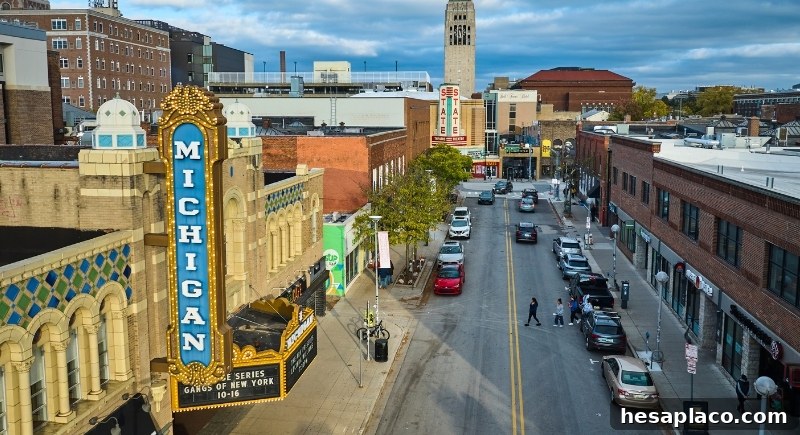
Ann Arbor’s economy is strongly shaped by the presence of a major university, drawing faculty, researchers and students who support an elevated cost of living. The state minimum wage of $10.56 falls well short of local housing costs; as a result, many service and retail workers share housing with multiple roommates or accept long commutes to afford basic necessities. For hourly workers, the gap between pay and expenses often makes steady financial progress out of reach.
Cambridge, Massachusetts
Credit: Getty Images
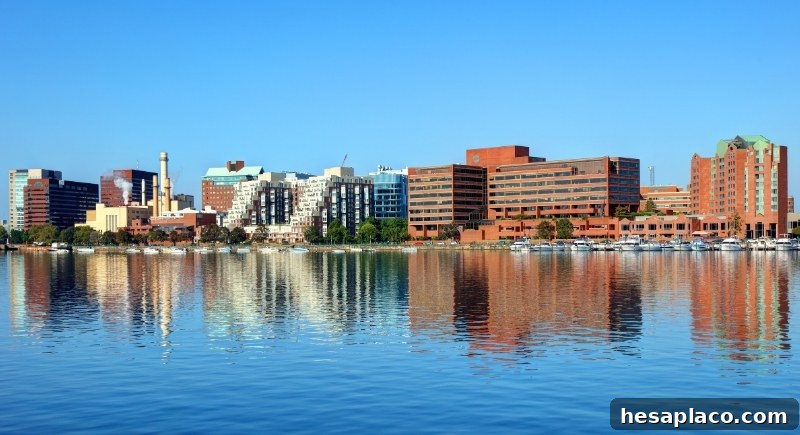
Cambridge’s economy is anchored by universities, research labs and a thriving biotech sector. That concentration of high-paying jobs influences local prices for everything from dining to housing. Even with a $15 minimum wage, workers in restaurants, retail and entry-level support roles often find their earnings insufficient when set against local rents and everyday expenses, forcing difficult trade-offs to make ends meet.
Irvine, California
Credit: Getty Images
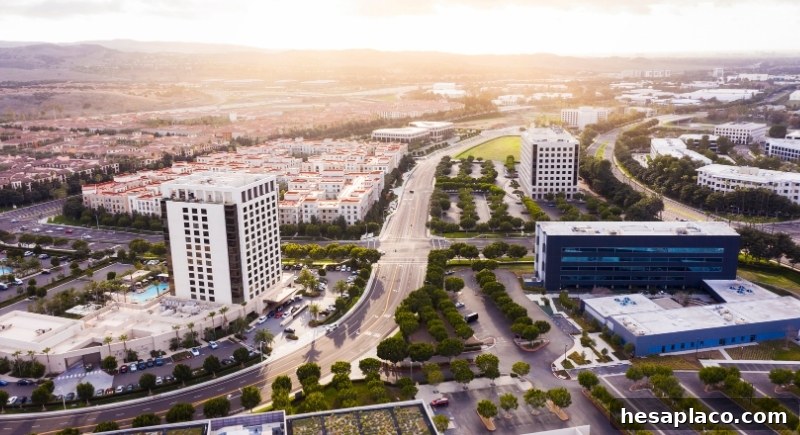
Irvine’s deliberate city planning, high-performing schools and tech-oriented job market attract higher-income households, and that demand pushes up housing and service costs. Although the city’s minimum wage is $16.00, many hourly workers still struggle to cover rent, food and transit. Entry-level employees in retail and service industries often live farther from work, taking on longer commutes or shared housing arrangements to stay within budget.
Boston, Massachusetts
Credit: Getty Images
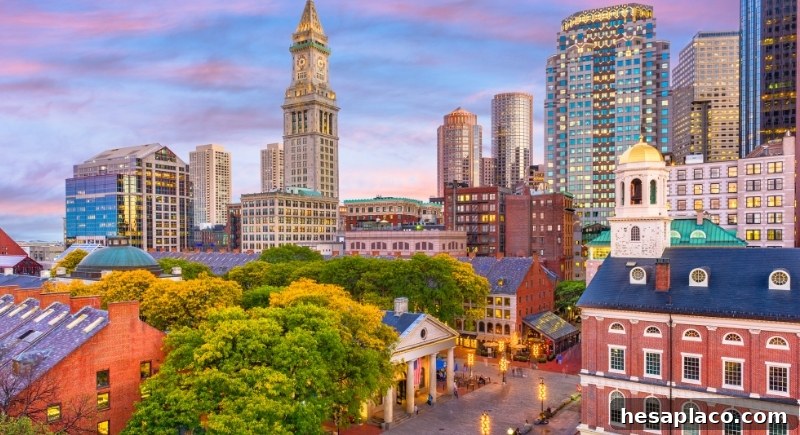
Boston’s strong healthcare, education and tourism sectors create steady demand for hourly labor—but they also contribute to higher housing and service prices. A $15 minimum wage, while helpful, often doesn’t align with the cost of living in the region. Many low-wage workers cope by sharing small apartments, commuting from more affordable areas, or juggling multiple jobs to cover rent and daily expenses.
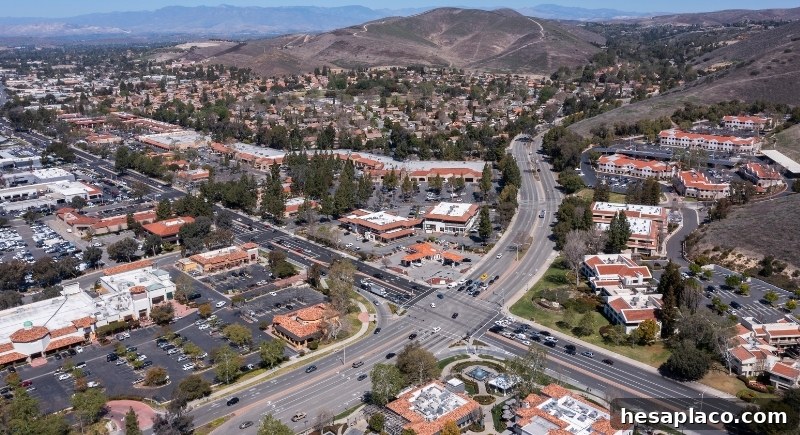
Thousand Oaks, California
Credit: Getty Images
Thousand Oaks reflects higher spending patterns typical of affluent suburbs, yet its $16.50 minimum wage often cannot keep pace with rent, groceries and transportation. Many lower-wage workers commute into or out of the city for employment, and longer travel adds fuel costs and time that further reduce take-home pay. The result is persistent pressure on household budgets for those at the bottom of the pay scale.
Carlsbad, California

Credit: Getty Images
Carlsbad benefits from a strong tourism economy, which keeps the city vibrant but also drives up prices for restaurants, retail and housing. With a minimum wage of $16.50, many hospitality and service workers still face housing insecurity and rely on shared or crowded living situations. The seasonal and hourly nature of tourism jobs can also make income unpredictable, compounding financial strain.
San Francisco, California

Credit: Getty Images
San Francisco is one of the most expensive U.S. cities, and its tech-driven wealth has significantly raised housing and service costs. Even with a higher local minimum wage of $18.67, many workers in food service, retail and tourism find the pay inadequate for local living expenses. Steep housing costs, rising transit and daily service prices create a wide gap between what wage earners make and what a stable household budget requires.
Fontana, California
Credit: Getty Images
Located in the rapidly growing Inland Empire, Fontana has seen rising costs for housing, transportation and daily necessities. With a minimum wage of $16.50, many residents commute to higher-paying jobs elsewhere in the region. Those commutes add fuel expenses, vehicle maintenance and lost time, which reduce overall earnings and make it harder for minimum wage households to cover essentials.
New York City, New York

Credit: Getty Images
New York City relies on a vast hourly workforce to keep restaurants, retail, transit and entertainment running. Yet a $15.50 minimum wage often doesn’t match the real cost of living, especially in Manhattan and parts of Brooklyn and Queens. To afford rent and utilities, many minimum wage workers live in small, crowded apartments or commute long distances from more affordable neighborhoods, trading time and convenience for lower housing costs.
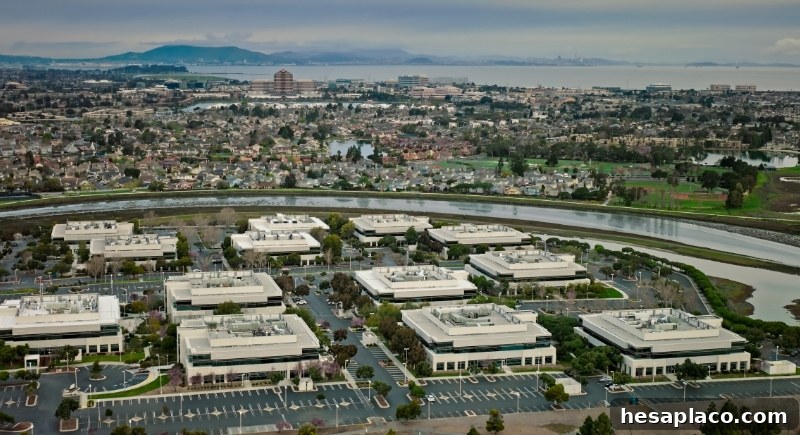
San Mateo, California
Credit: Getty Images
San Mateo sits in a high-income corridor where biotech, tech and professional services influence local prices. Though its minimum wage of $17.95 may appear generous compared with many places, housing and everyday costs rise quickly in line with nearby tech salaries. Lower-wage workers in retail, food service and support roles are often the first to feel the impact, facing tight budgets and limited options for affordable housing.
Across these cities, the common theme is a disconnect between minimum wages and the local cost of living. Higher regional incomes, strong job markets in specialized sectors, and heavy demand for housing push prices up—while hourly wages for many essential roles lag behind. That dynamic forces workers to make difficult choices about housing, transportation and family needs, underscoring the ongoing challenge of achieving financial stability on a minimum-wage income.