
Productivity doesn’t require rigid routines or elaborate systems. Often, small behavioral changes that reshape how you approach tasks deliver bigger gains than another planner or app. Some of the most effective hacks sound unconventional, but they work because they help you focus, reduce friction, and finish work. Below are simple, practical strategies—many overlooked—that you can try today.
Switch Rooms to Reset Your Brain

Credit: Canva
Changing your workspace for different tasks creates mental associations that help you focus. For example, writing in the kitchen, handling email on the bedroom floor, and taking calls on the balcony signals to your brain what kind of work belongs where. Each move acts like a soft reset, making it easier to shift attention and maintain momentum.
Dress Like It’s Your Big Moment

Credit: Canva
What you wear can influence how you work. The concept known as “enclothed cognition” shows that clothes associated with competence or confidence can boost performance. Putting on a blazer, tidy shoes, or whatever outfit signals “I’m working” helps your mind adopt a productive stance. It’s an inexpensive way to cue seriousness and focus.
Write in Comic Sans on Purpose
Credit: pexels
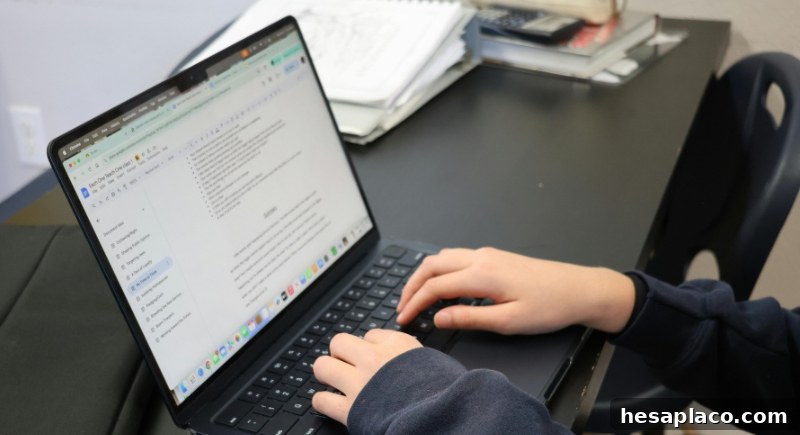
If starting a writing task feels paralyzing, change the font to something informal like Comic Sans. The lighter, casual look reduces the pressure to be eloquent on the first pass, letting words flow without self-editing. After you’ve produced a draft, switch back to a standard font for editing—distance from the initial text often makes revision easier.
Narrate Your Tasks Like a TV Host

Credit: Getty Images
Speaking your steps aloud or silently narrating them—known in psychology as parallel talk—bridges the gap between intention and action. Simple lines like “Rinse the mug. Wipe the counter. Nice job” create a chain of micro-tasks and small wins. Imagining you’re hosting a cooking show or explaining a process to an audience can add energy and clarity to mundane chores.
Switch Music Based on Task Type

Credit: Canva
Audio tailored to the kind of work you’re doing keeps your mind on task. Upbeat, lyrical songs can energize physical chores like cleaning, while instrumental or video game soundtracks work well for focused mental work—these tracks are designed to motivate without pulling attention away. Over time, pairing specific music with certain tasks creates reliable focus cues.
Use a Resistance Band at Your Desk

Credit: Canva
Loop a resistance band around the legs of your chair to do subtle leg or foot exercises while you work. Gentle movement helps reduce restlessness and keep energy circulating, which is especially helpful during long virtual meetings or extended writing sessions. It’s a discreet way to stay engaged physically without disrupting concentration.
Don’t Take Off Your Shoes Yet

Credit: Canva
Keeping your shoes on after returning home can delay the mental shift into rest mode. For people who work from home or find it hard to tackle evening chores, postponing that physical cue—sitting down and removing shoes—helps extend productivity. It’s a simple, reversible habit that can push you to finish tasks before settling in to unwind.
Use a Distraction Jar to Delay Temptations

Credit: Canva
Rather than fighting every urge in the moment, jot down distractions—like scrolling, snacking, or random searches—on slips of paper and drop them into a jar. After your focused work session, you can revisit those items guilt-free. This method acknowledges impulses without acting on them immediately, reducing the internal tug-of-war and preserving momentum.
Put Tasks in a Jar and Let Chance Decide
Credit: Getty Images
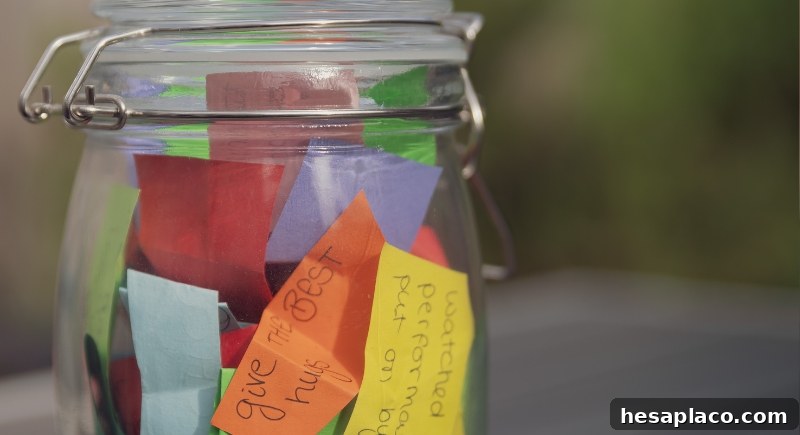
If decision fatigue keeps you stuck, use randomness to get moving. Write individual tasks on slips of paper, fold them, and draw one when it’s time to start. The element of surprise reduces the dread of choosing and breaks the cycle of staring at an endless to-do list. That small bit of novelty can be enough to spark action.
Use a Five-Second Countdown to Launch into Action

Credit: Getty Images
Counting down from five and beginning the task at zero is a simple trigger to overcome hesitation. Popularized by Mel Robbins, the technique swaps rumination for a clear, immediate signal to act. Adding a small physical motion—standing up, taking a breath, or a single clap—can make the start feel automatic and lower the barrier to get going.
These hacks aren’t one-size-fits-all, but they’re easy to test and adjust. Try a few, observe how they affect your focus and workflow, and keep the ones that reliably help you start and finish more with less friction.