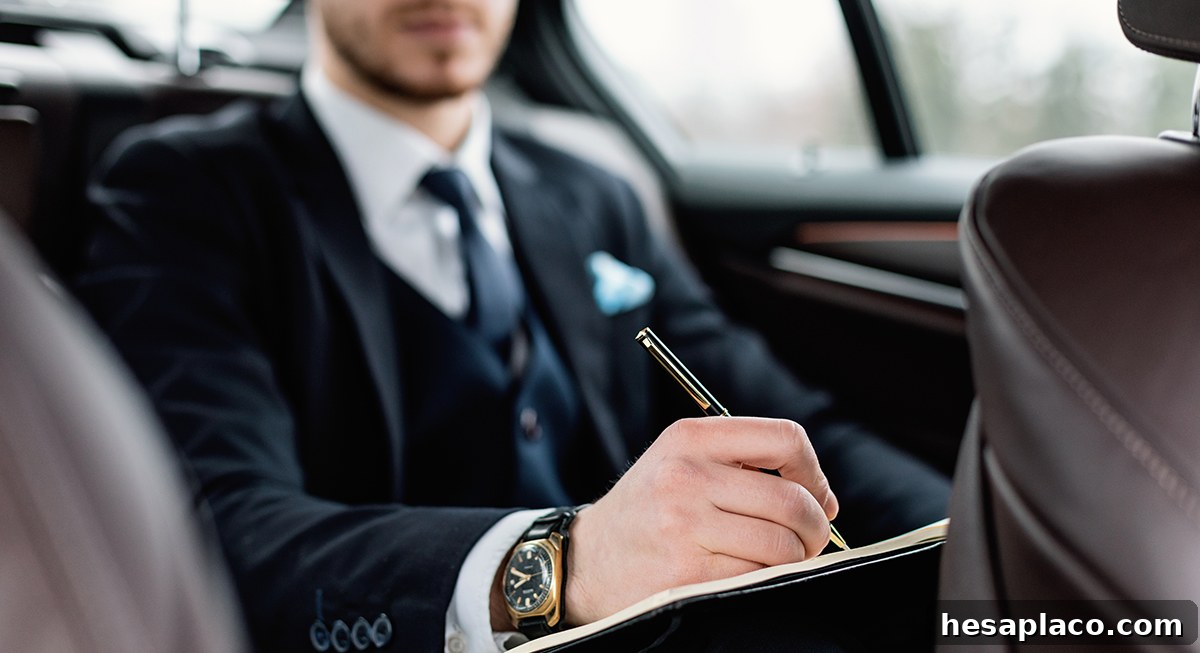
A luxury pen speaks to taste, heritage, and the seriousness with which someone presents themselves. These writing instruments frequently appear in executive boardrooms, private collections, and as prestigious corporate gifts because of their choice of materials, craftsmanship, and design.
Each brand highlighted here has earned its reputation through decades—sometimes centuries—of precision work, thoughtful design, and a clear commitment to lasting value.
Montegrappa
Credit: Instagram
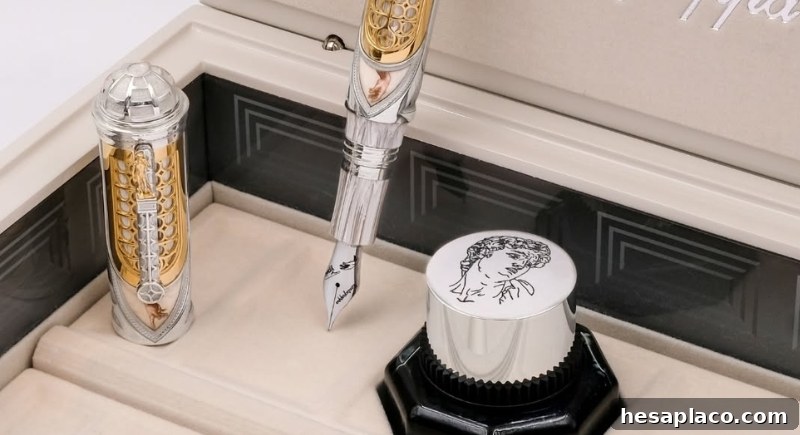
Collectors prize Montegrappa for the storytelling behind each piece. Many of their designs draw inspiration from myths, cinema, or historical figures. The Gladiator model, for example, pairs bronze accents with detailed character engravings. Limited editions and short runs often push prices into the thousands of dollars.
S.T. Dupont
Credit: Instagram
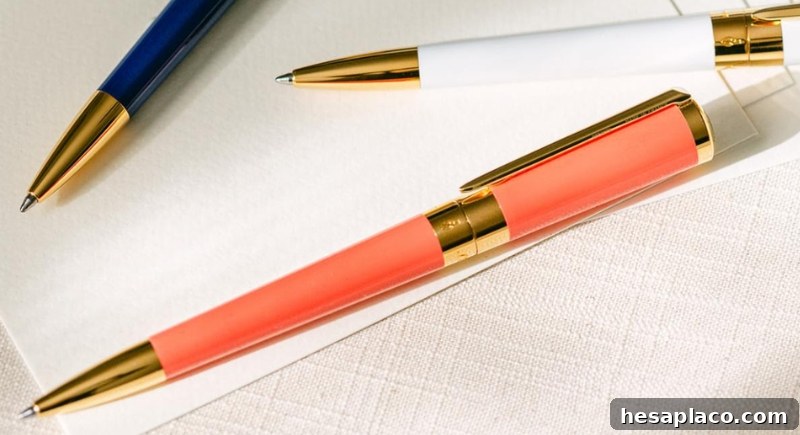
S.T. Dupont’s luxury is often summed up by a single, satisfying sound—the click of a cap closing. Engineers at the French house refine that mechanism for months. The brand is also known for limited editions that honor cultural icons like James Bond and Picasso.
Parker
Credit: Wikimedia Commons
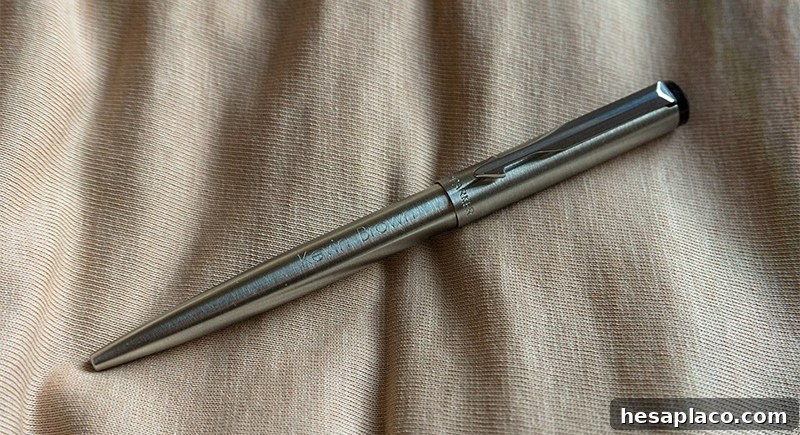
Founded in 1888 by George Parker to solve the common problem of leaking pens, Parker focused on functional design that endures. The Duofold, introduced in the 1920s, remains a best-seller. Parker pens have also featured in historically significant moments, underscoring their trusted status.
Aurora
Credit: Instagram
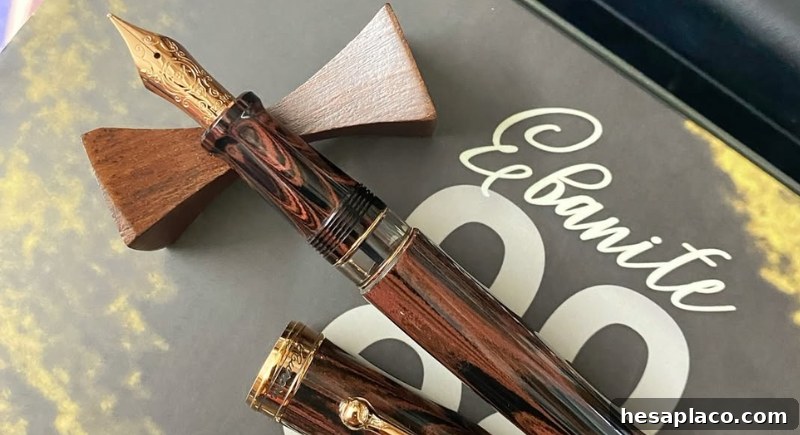
Aurora makes all of its pens in-house in Turin, giving the company full control over materials, design, and nib production. Flagship models like the 88 and Optima combine Italian engineering with distinctive style. Aurora nibs are often described as slightly tactile—offering a unique writing feel that many enthusiasts appreciate.
Cross
Credit: Instagram
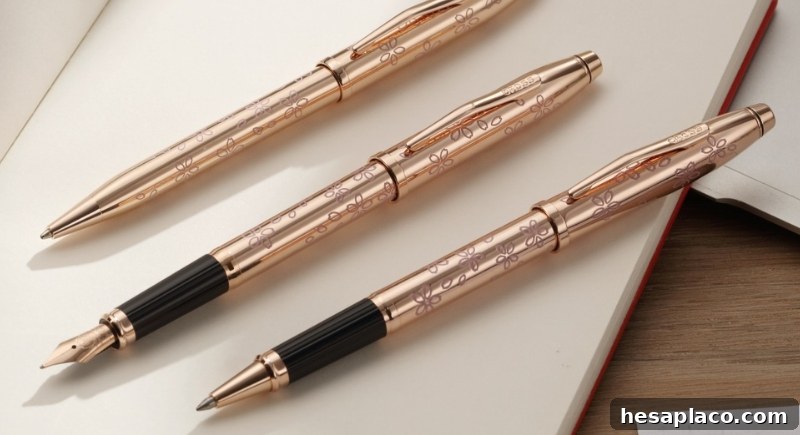
Cross pens have had a visible presence in American political life; for decades, they were used at the White House to sign significant legislation. Lines like the Century II and Townsend appeal to professionals who want classic formality without excess ornamentation.
Chopard
Credit: ebay
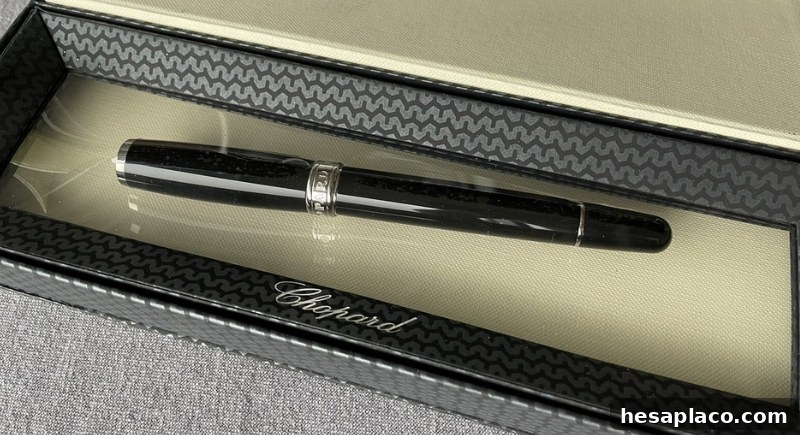
Known primarily for watches and jewelry, Chopard applies the same attention to form and material in its pens. Models such as the Allegro use smooth resins and sculpted curves for a modern, refined look. These pens mirror Chopard’s broader aesthetic: elegant, contemporary, and quietly luxurious.
Faber-Castell
Credit: Instagram
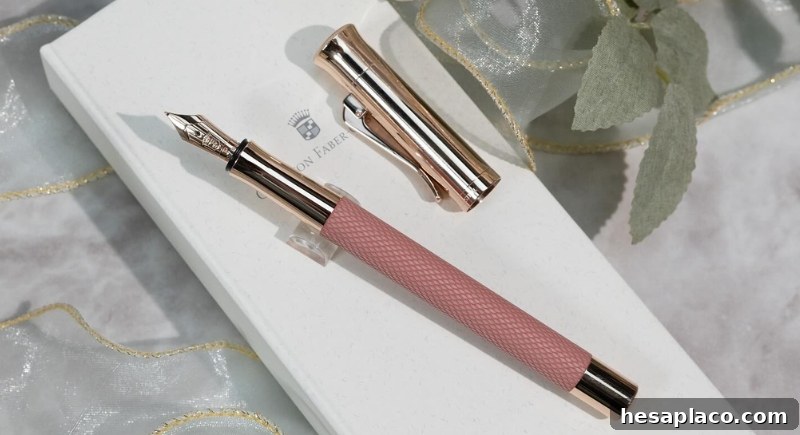
Faber-Castell began as a pencil maker in Germany and later expanded into the luxury pen market. The Graf von Faber-Castell range represents their high-end offerings, featuring platinum-plated metal, hand-turned wood barrels, and spring-loaded clips. The brand emphasizes ergonomics and writing comfort across its classic models.
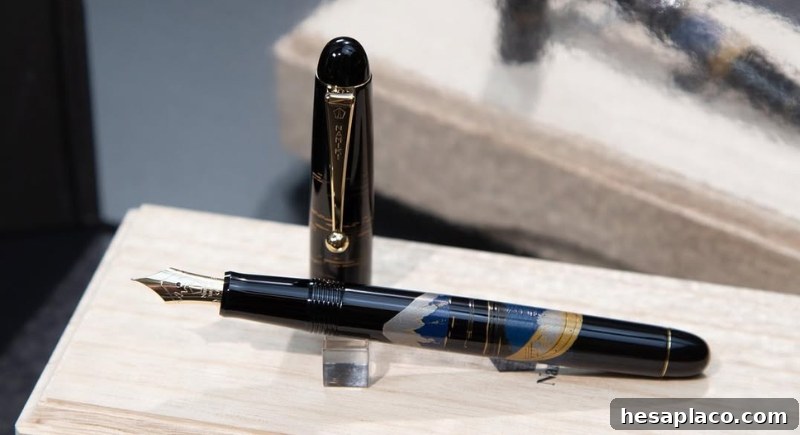
Namiki
Credit: Instagram
Namiki pens are decorated by the most skilled Maki-e artisans in Japan, who still apply lacquer techniques handed down over generations. Some pieces take months to complete and incorporate gold dust or elaborate natural and folkloric scenes. Collectors regard certain Namiki models as investment pieces, and their resale values reflect that esteem.
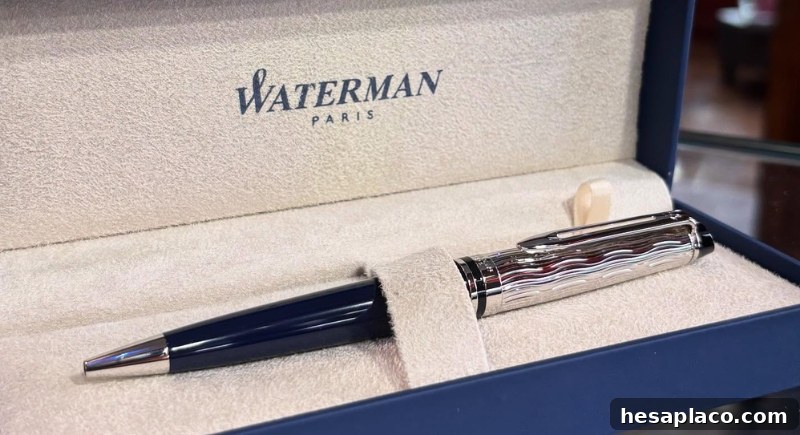
Waterman
Credit: Instagram
Waterman pens, produced in France, carry a quieter kind of prestige. Their clean and slightly formal designs are favored in academic and diplomatic circles. Collections like Exception and Expert offer bold silhouettes paired with smooth gold or steel nibs. Though less aggressively marketed than some rivals, Waterman maintains strong recognition among serious writers.
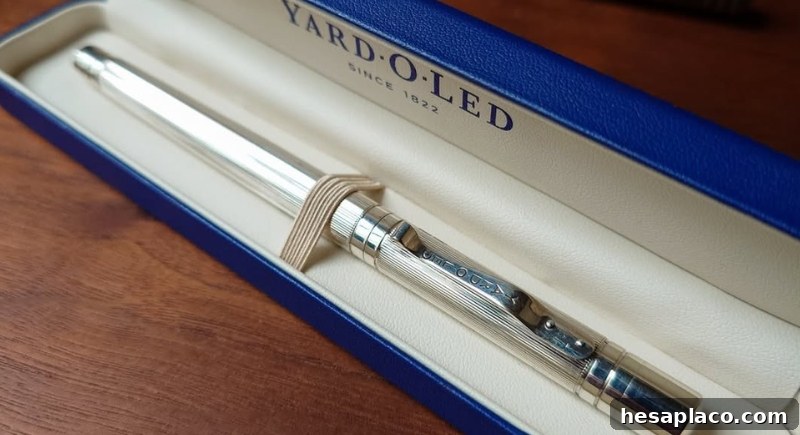
Yard-O-Led
Credit: Instagram
This English brand rejects automation—each Yard-O-Led pen is handmade in Birmingham by silversmiths using traditional tools. The sterling silver bodies give these pens a substantial weight and a cool, dense feel in the hand. Built to be refilled and maintained, they are designed to last for generations.
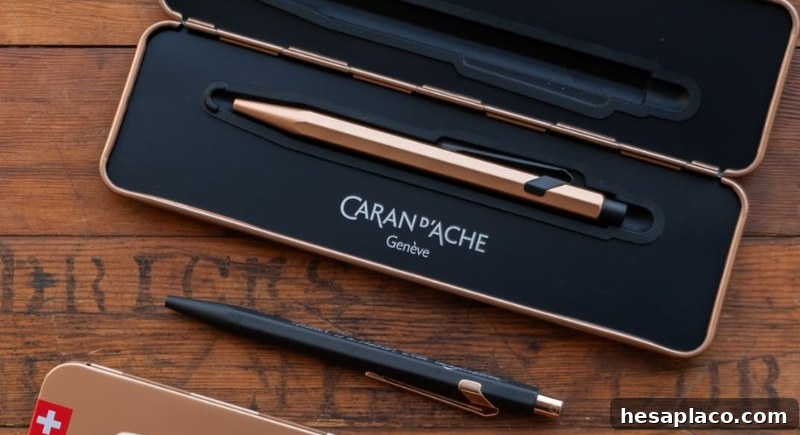
Caran d’Ache
Credit: Instagram
While Switzerland is often associated with watchmaking, Caran d’Ache brings comparable precision to pen production. Manufacturing in Geneva allows the brand close oversight of materials and finishes, appealing to buyers who prioritize meticulous craftsmanship.
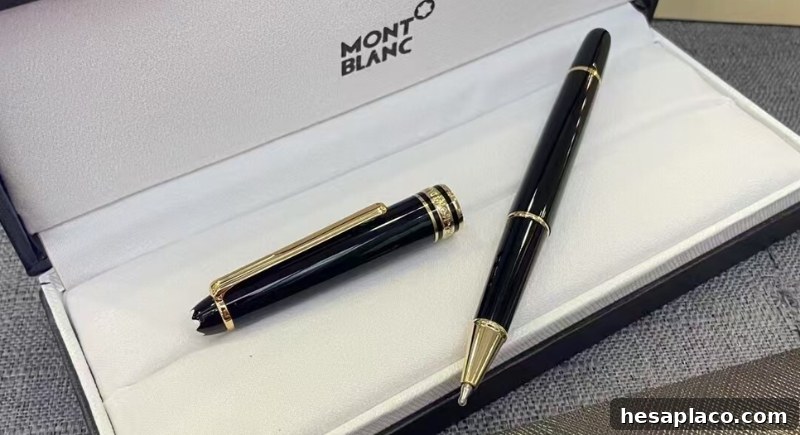
Montblanc
Credit: Instagram
Montblanc’s difference is palpable the moment you hold one: balanced weight, refined detailing, and a solid, confident feel. Even standard models reflect the house’s emphasis on heritage and craft. Entry-level Montblanc pens often start around $400, while limited editions—driven by rare materials and unique designs—can reach much higher prices.
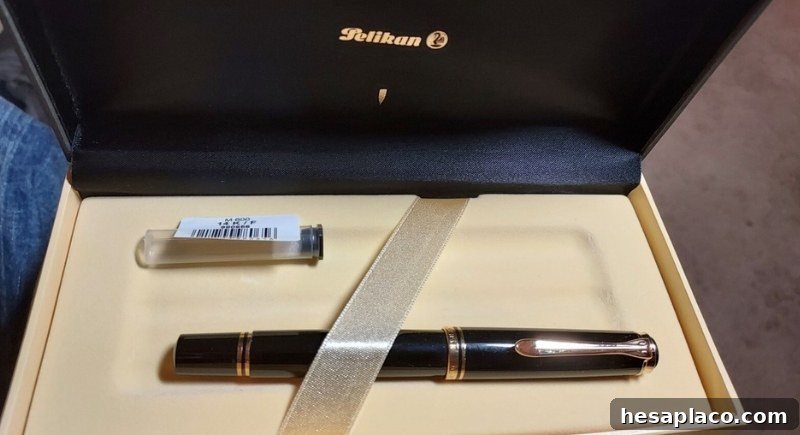
Pelikan
Credit: ebay
Pelikan’s reputation rests on engineering and functional innovation. Their piston-filling mechanism, introduced in 1929, remains highly regarded and is still preferred by many users today. That blend of durability and reliable engineering has kept Pelikan in demand for nearly a century.
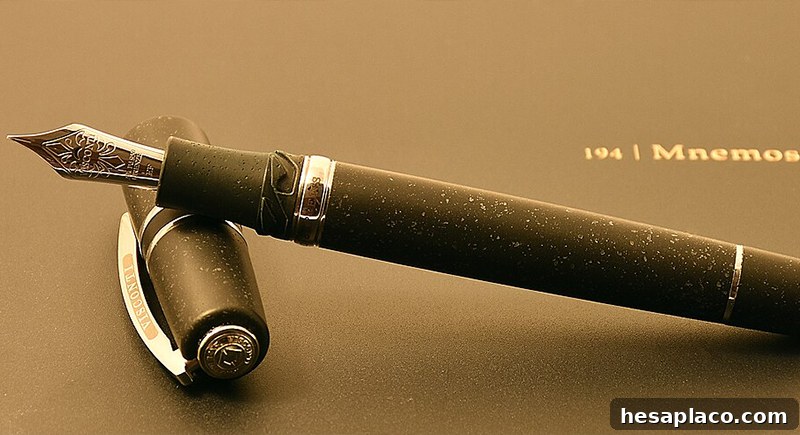
Visconti
Credit: Wikimedia Commons
Visconti stands out for unconventional materials and bold experimentation. The Homo Sapiens line, built from a lava-based compound, has earned a cult following for its tactile texture and matte finish. Other Visconti models incorporate materials like celluloid, titanium, or even meteorite for a distinctive look and feel.
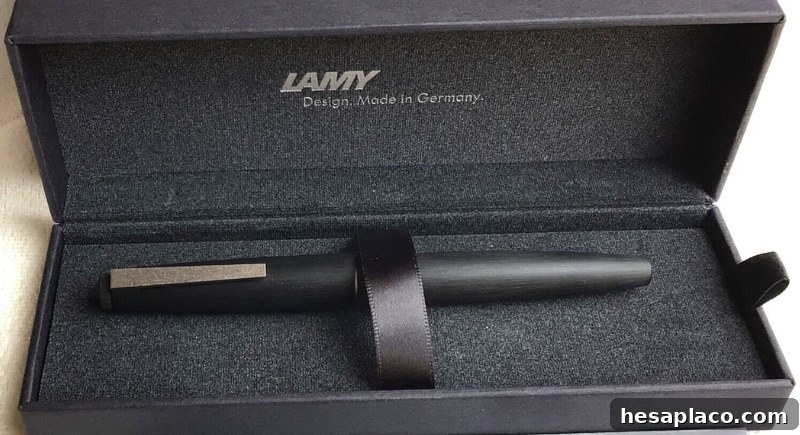
Lamy
Credit: ebay
The Lamy 2000, launched in 1966, became a modern classic due to its clean lines and durable construction. Made from Makrolon and stainless steel, it offers a minimalist aesthetic that appeals to designers and professionals. Its piston-filling system provides a generous ink capacity, while the semi-hooded nib delivers controlled, smooth writing.
Choosing a luxury pen is as much about personal preference as it is about reputation. Some buyers look for historical significance and handcrafted techniques, others for unique materials or engineering innovations. Across these brands, you’ll find a range of styles, textures, and price points—each offering its own sense of refinement and longevity.