
Do you ever wonder where your money goes? Many everyday expenses quietly drain your budget. From designer coffees to trendy gadgets, small recurring purchases can add up quickly. Below is a clear, practical guide to common money-wasters and simple ways to cut costs while keeping quality of life.
Dining Out Too Often

Credit: pexels
Eating out regularly is convenient but expensive. Individual meals may seem affordable, but weekly restaurant visits compound into a significant monthly expense. Cooking at home, meal prepping, and bringing lunches to work can produce substantial savings and often taste better. Even modest changes—like limiting dining out to special occasions—help redirect funds to savings or debt repayment.
Designer Coffee and Smoothies

Credit: flickr
Daily specialty drinks can cost hundreds per year. Most café beverages can be replicated at home with a good coffee maker or blender and quality beans or fruit. Preparing your own drinks reduces waste and saves money—invest once in equipment and enjoy consistent savings over time.
Brand-Name Bottled Water
Credit: flickr
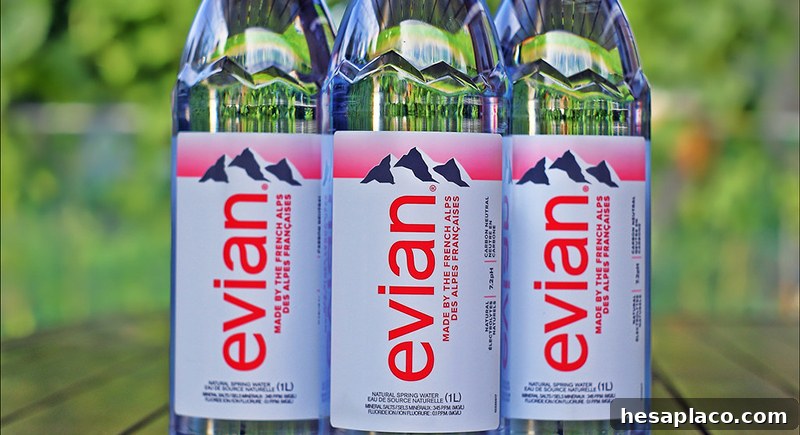
Buying premium bottled water is usually unnecessary when tap water or filtered water at home is safe to drink. Switching to a reusable bottle and using a home filter can reduce expense and plastic waste. For travel or emergencies, consider buying larger containers rather than many small single-use bottles.
Fast Fashion
Credit: Wikimedia Commons
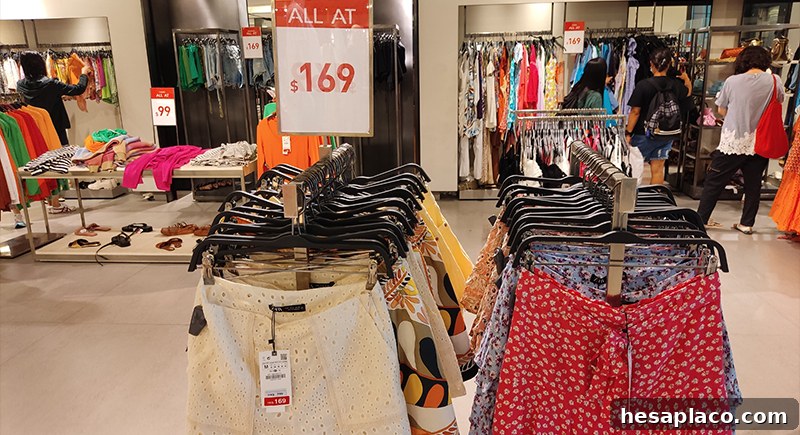
Chasing trends through fast fashion leads to frequent replacement purchases and cluttered wardrobes. Instead, prioritize timeless, durable pieces and build a capsule wardrobe that mixes and matches. Shopping at thrift stores or buying higher-quality items less often also reduces long-term cost and environmental impact.
Over-the-Top Cell Phone Accessories
Credit: Wikimedia Commons
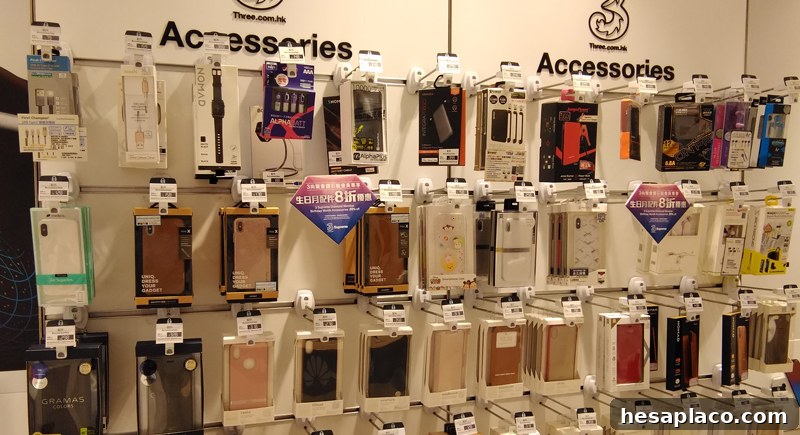
Many phone accessories are more about style than function. Essentials like a durable case and a screen protector protect your device and extend its life; extras such as novelty holders, decorative attachments, and excessive peripherals rarely add enough value to justify repeated purchases. Focus on practical accessories that protect and enhance usability.
Gourmet Pet Food and Treats

Credit: pexels
Pets appreciate attention more than brand names. Many premium pet foods and gourmet treats are marketed at a higher price without delivering measurable benefits over well-balanced, affordable options. Choose veterinarian-recommended formulas and consider making simple homemade treats to save money while keeping pets healthy and happy.
High-End Gym Wear

Credit: pexels
Expensive workout clothes look good but don’t guarantee better performance. Comfortable, breathable, and well-fitting basics work for most activities. Spend on shoes with proper support if needed, and prioritize nutrition, training consistency, and recovery over designer activewear to improve results for less money.
Monthly Beauty Box Subscriptions

Credit: pexels
Subscription boxes promise value but often include items you don’t need. They can quickly add up and create clutter. Instead, buy the beauty products you actually use or shop for targeted deals. Occasional curated boxes can be fun, but cancel subscriptions when they no longer align with your priorities or budget.
Excessive Home Décor Items

Credit: pexels
Buying frequent décor updates to follow every trend is costly and creates clutter. Focus on a few versatile, high-impact pieces that reflect your style and stand the test of time. Rotating a few accessories seasonally or shopping secondhand lets you refresh your space without constant spending.
Exorbitant Cable or Satellite TV Packages
Credit: flickr
Traditional cable bundles often include dozens of channels you never watch. Consider pared-down streaming services, à la carte options, or rotating subscriptions to access specific shows when needed. This approach reduces recurring fees while still allowing access to favorite content.
Trendy Gadgets
Credit: pexels
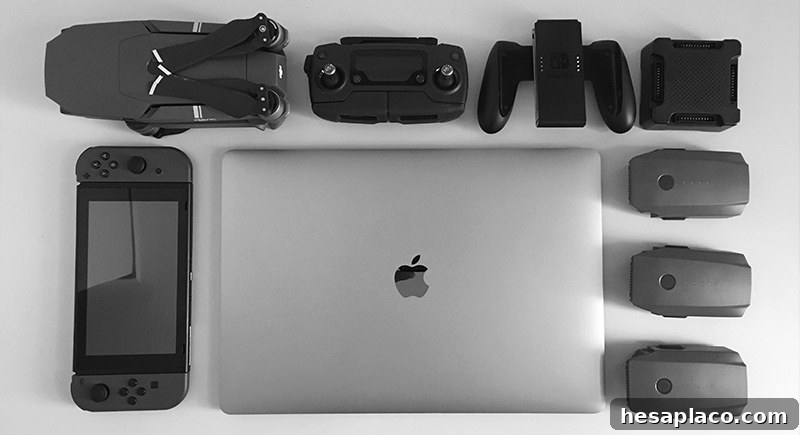
New tech items can be tempting, but many gadgets have short lifespans or incremental improvements. Evaluate whether a device fills a real need or is simply a novelty. Buying fewer, higher-quality devices that serve multiple purposes saves money and reduces electronic waste.
Name-Brand Cleaning Products
Credit: Wikimedia Commons
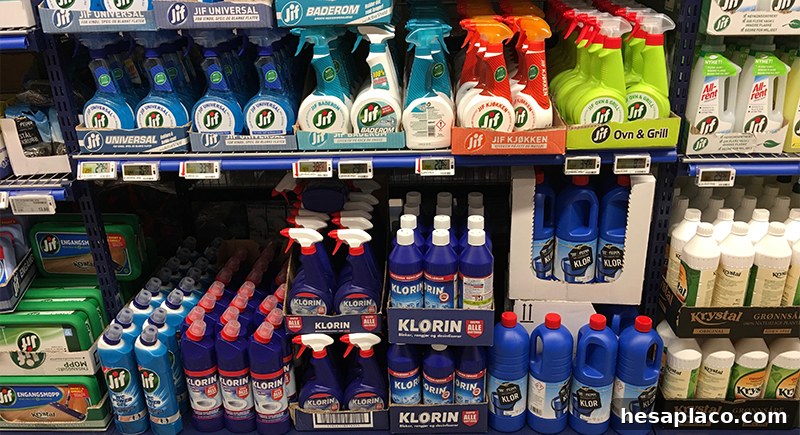
Generic or store-brand cleaners often work as well as expensive name brands. Simple DIY solutions using vinegar, baking soda, and lemon can tackle many household cleaning tasks safely and cheaply. Switching to more affordable products can lower grocery bills without sacrificing cleanliness.
Expensive Supplements

Credit: pexels
Supplements can be helpful for specific deficiencies, but many expensive formulations offer limited benefit for the cost. Prioritize a balanced diet rich in whole foods, and consult a healthcare professional before spending on costly supplements. Often, food-based sources and minor dietary changes deliver equivalent or better results.
Small lifestyle shifts—cooking more, buying durable items, and choosing essentials over trends—can free up significant funds. Review regular expenses, cancel unused subscriptions, and set simple rules for discretionary spending. Over time, these changes compound into meaningful savings and greater financial control.