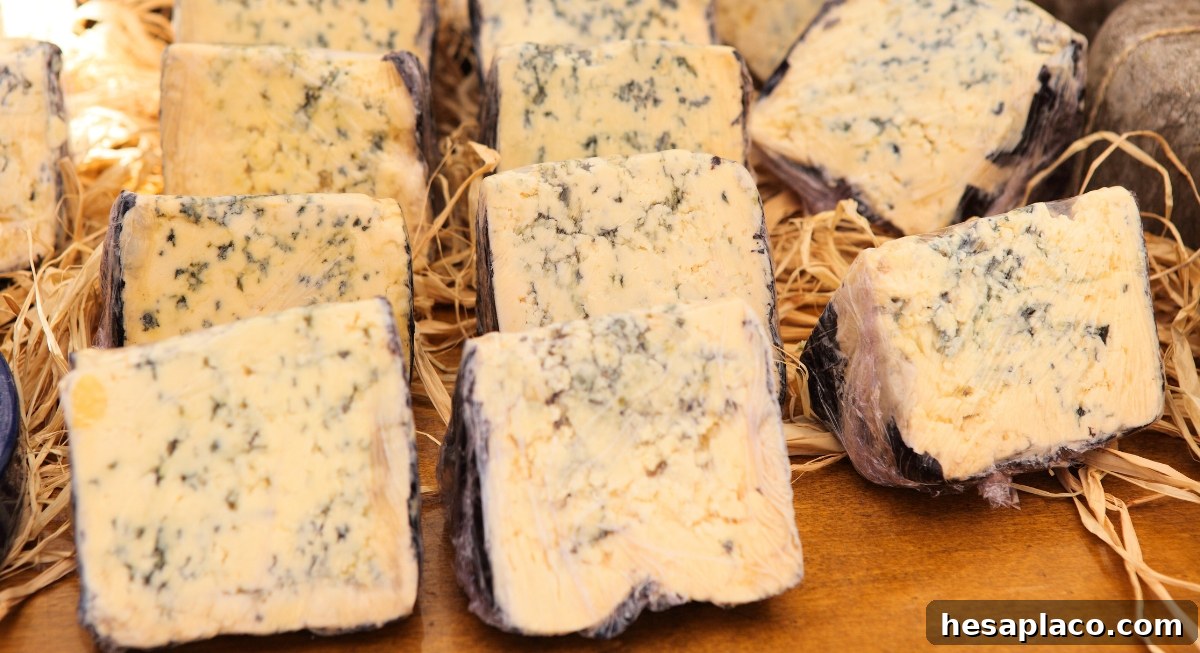
Some products appear around the world, yet they can be legitimately produced only in one specific place. In those cases, the name is more than a label: it is legally linked to a particular region. Local soil, climate, traditional techniques and cultural knowledge shape the product’s character, and laws or protected designations prevent that name from being used by producers outside the designated area.
Cowichan Sweaters
Credit: Instagram
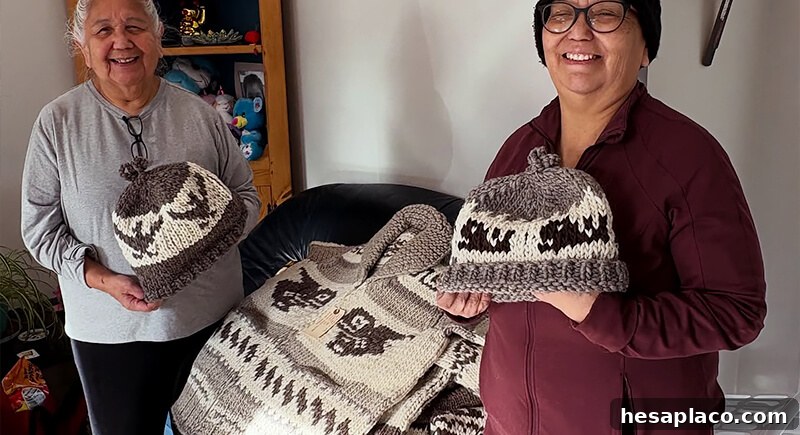
On Canada’s west coast, Cowichan sweaters originate from Indigenous knitters who adapted European knitting techniques introduced in the 19th century. Before knitting became common, Coast Salish communities made garments from mountain goat hair. Modern Cowichan sweaters are knitted with thick, untreated wool that retains its natural lanolin, helping the garment resist rain and retain warmth. Their bold, graphic patterns drew international notice at the 1893 Chicago World’s Fair, and the style remains closely associated with the Indigenous communities that developed and continue to make them.
Vidalia Onions
Credit: Wikimedia Commons
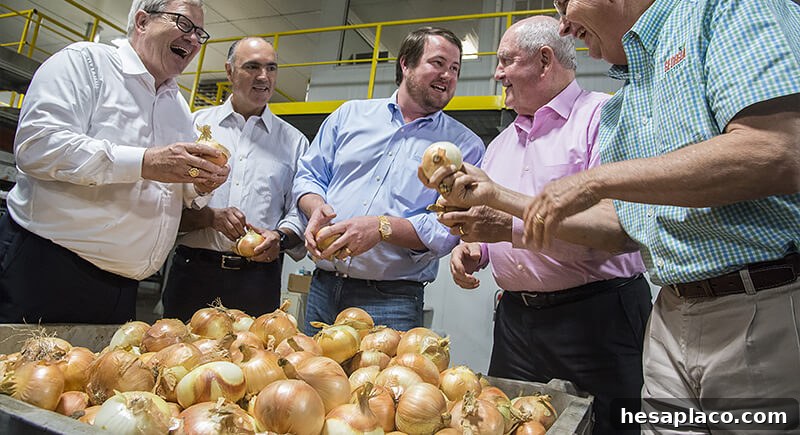
The sweet flavor of Vidalia onions traces to a specific region of Georgia where sandy, low-sulfur soils suppress the sharp compounds typical of most onions. The variety became widely known after Georgia farmer Mose Coleman harvested an unusually mild crop in 1931. As demand increased, state law eventually restricted the “Vidalia” name to onions grown in a defined production area—originally 13 counties and parts of seven others—to preserve the reputation tied to that unique terroir.
Cuban Cigars
Credit: Wikimedia Commons
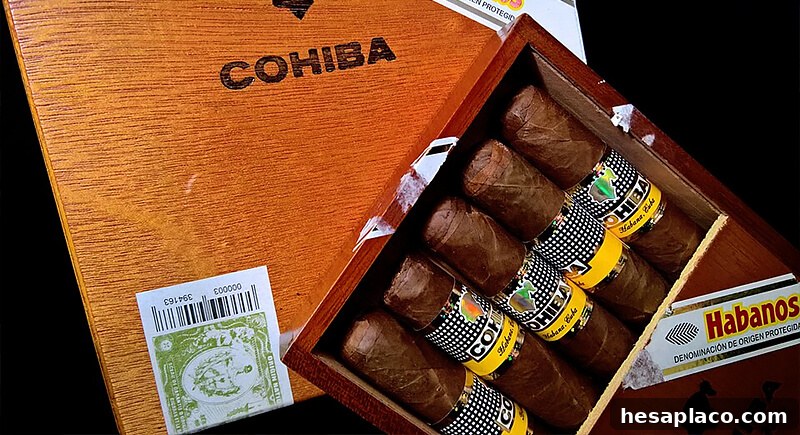
Hand-rolling is central to authentic Cuban cigar production. Expert torcedoras select and layer tobacco leaves by hand, shaping each cigar and using a small amount of vegetable gum to secure the wrapper. Cuba’s mineral-rich soils, microclimates and curing methods all contribute to the tobacco’s distinctive aroma and flavor. The cigars’ global reputation was established long before diplomatic and trade disruptions altered their distribution.
Roquefort Cheese
Credit: Wikimedia Commons
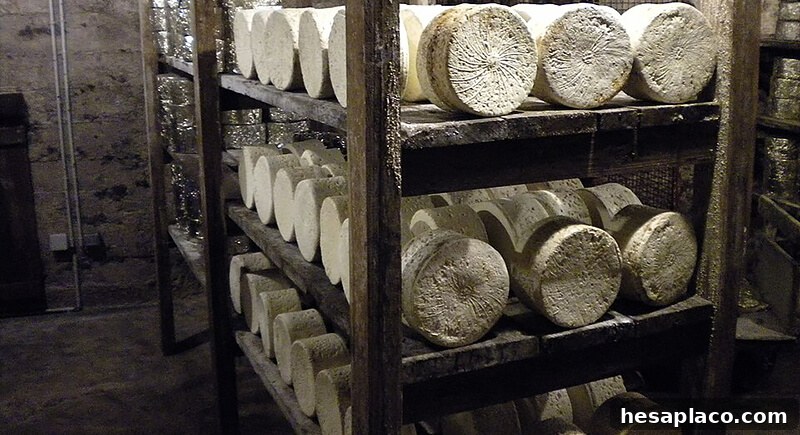
True Roquefort is aged in the limestone caves under Mount Combalou in Roquefort-sur-Soulzon in southern France. French regulations require that the cheese be matured in those specific caves, where natural airflow and mineral-rich stone create stable humidity and temperature conditions that favor the growth of Penicillium roqueforti—the mold that produces the characteristic blue veins. A red sheep emblem on packaging certifies that the cheese conforms to those strict appellation standards.
Newcastle Brown Ale
Credit: Instagram
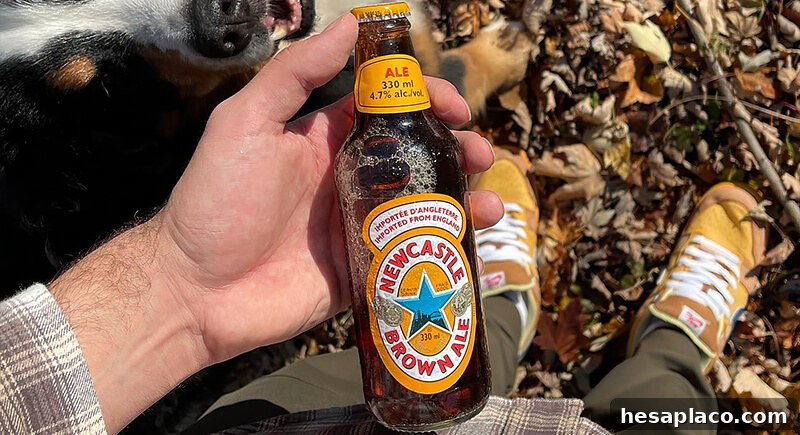
For many years drinkers around the world associated Newcastle Brown Ale with its namesake city in northeast England. The brand once held a protected designation linking production to Newcastle, but when brewing operations moved across the River Tyne in 2005, that protected status was revoked. Over time production shifted further away from the original city, illustrating how changes in manufacturing location can affect place-based identities.
Kobe Beef
Credit: Wikimedia Commons
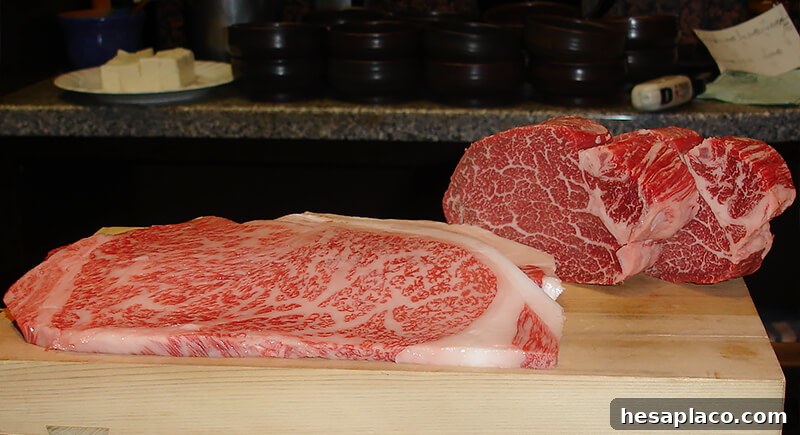
The Kobe beef designation is strictly controlled by Hyogo prefecture in Japan. Only Tajima strain cattle raised in that prefecture and slaughtered in approved Hyogo facilities can qualify as authentic Kobe beef. Animals must meet rigorous standards for lineage, weight, and the marbling and texture of the meat; roughly half of inspected animals fail to meet the criteria. Each certified cut is assigned a unique 10-digit identification number so buyers can trace it back to the individual animal and verify its origin.