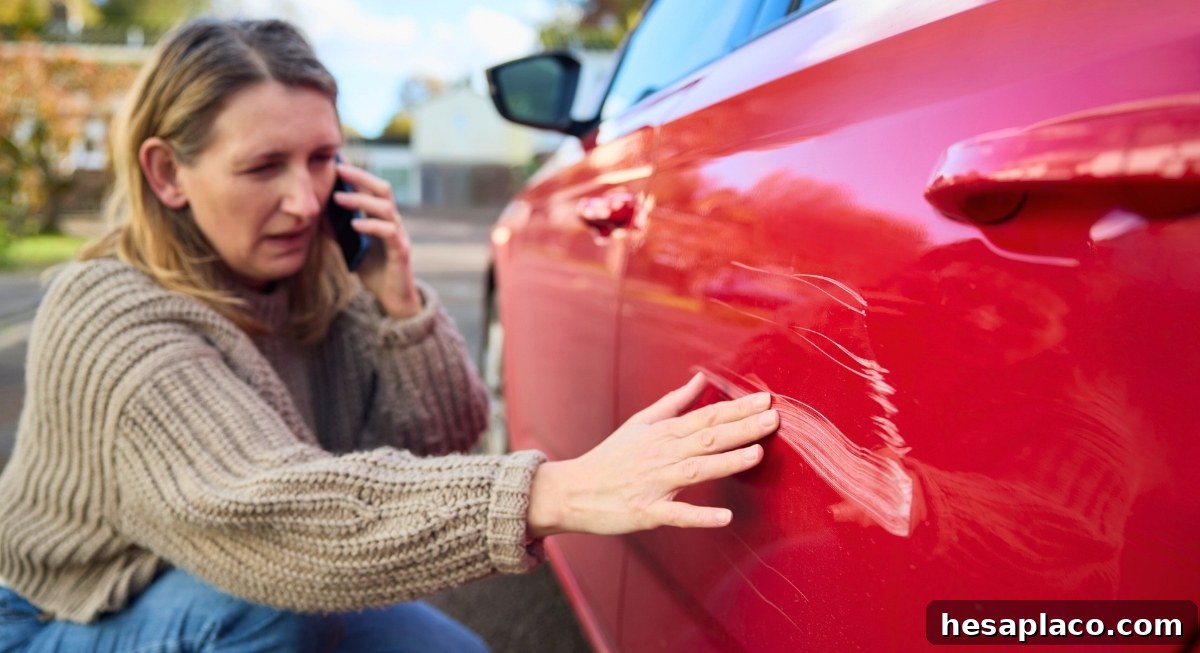
Car insurance can feel like a reliable safety net—until an unexpected event reveals gaps that leave you paying out of pocket. Many drivers assume their policy covers every scenario, but exclusions and limits can expose you to significant costs when the improbable occurs. Below are common situations that standard auto insurance often doesn’t cover, and brief guidance on options to close those gaps.
Intentional Damage or Fraud
Credit: Getty Images
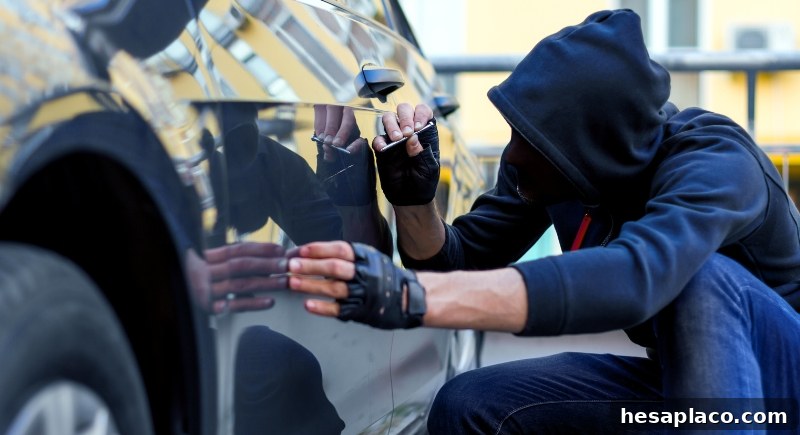
Insurance policies exclude intentional acts. If you deliberately damage your own vehicle or someone else’s property, insurers will deny the claim. Attempts to profit from staged incidents are treated as fraud and can result in policy cancellation, denial of future coverage, fines, or criminal charges.
Costs Above Coverage Limits
Credit: Industrial Photograph
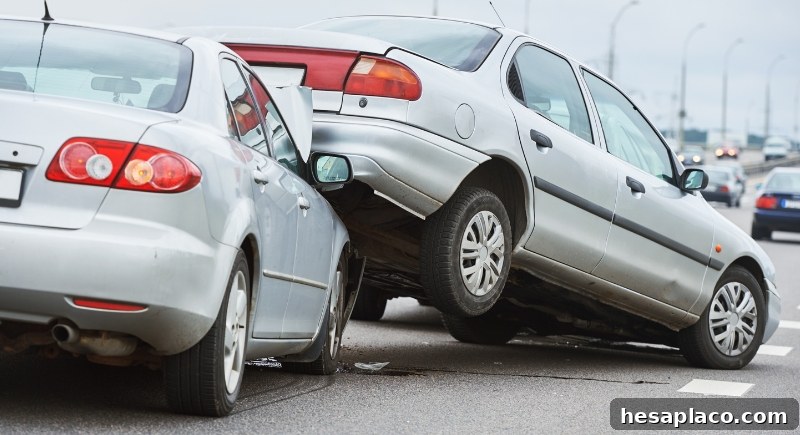
Your insurer pays up to the policy limits. If damages exceed those limits, you’re responsible for the remainder. For example, a $25,000 property damage limit won’t cover a $50,000 repair bill, leaving you to cover the $25,000 difference. Increasing liability limits and purchasing an umbrella policy can provide broader protection for assets and reduce the chance of being personally liable for large deficits.
Routine Wear and Tear
Credit: Getty Images
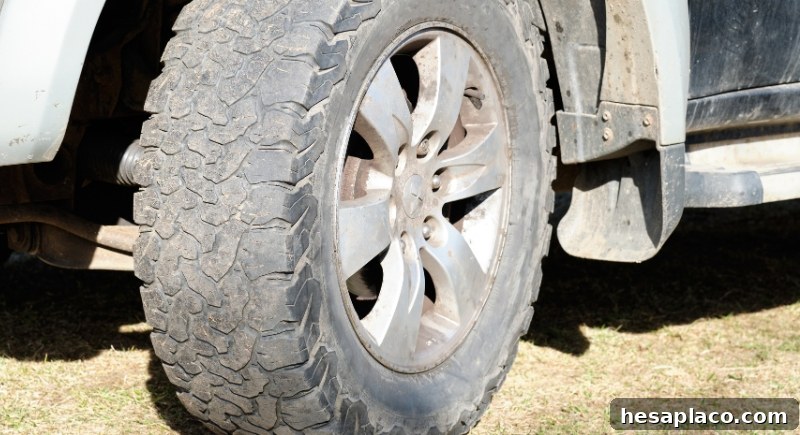
Normal deterioration—bald tires, worn brakes, or aging spark plugs—is considered maintenance, not an insurable loss. Standard auto policies don’t cover these expenses. Regular servicing and budgeting for maintenance are necessary to keep your vehicle safe and functional.
Mechanical Breakdowns
Credit: Shutter2U
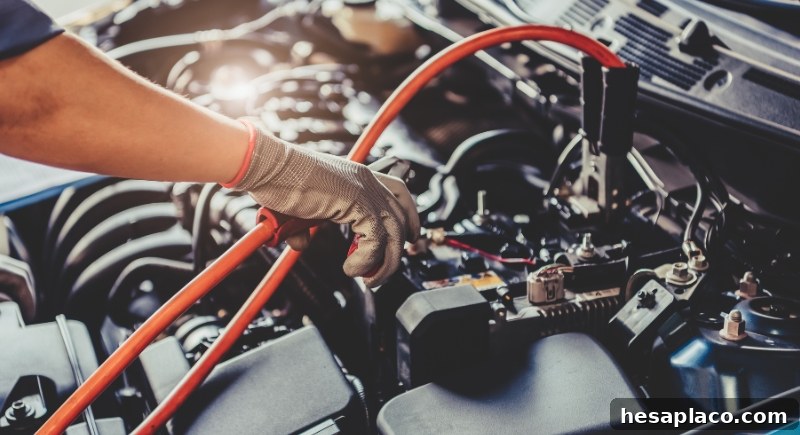
Non-collision mechanical failures—such as sudden engine or transmission breakdowns—are typically excluded from standard policies. Insurance focuses on accidental and unexpected events like crashes or certain weather damage. Mechanical breakdown insurance or extended warranties are separate products that may cover these failures, commonly available for newer vehicles within specific age and mileage limits.
Pet Injuries After Accidents
Credit: southworks
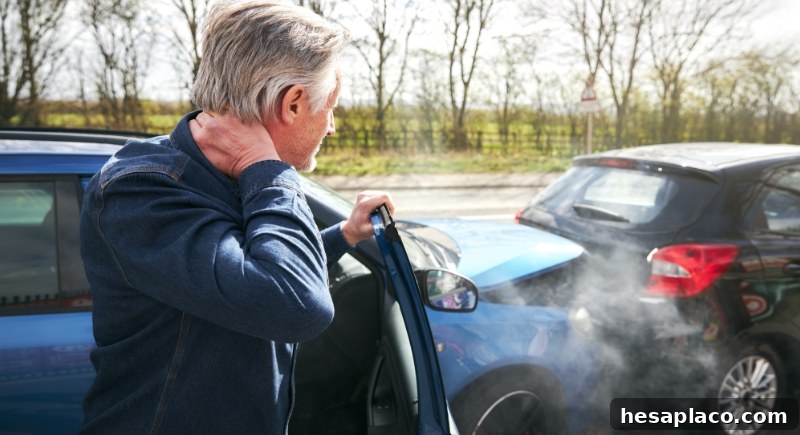
Pets injured in a collision aren’t guaranteed coverage under standard auto policies unless you’ve added specific pet protection or have separate pet insurance. Some insurers offer limited vet bill coverage after a covered accident, but without that add-on, emergency veterinary expenses are your responsibility.
Stolen Personal Items
Credit: Getty Images
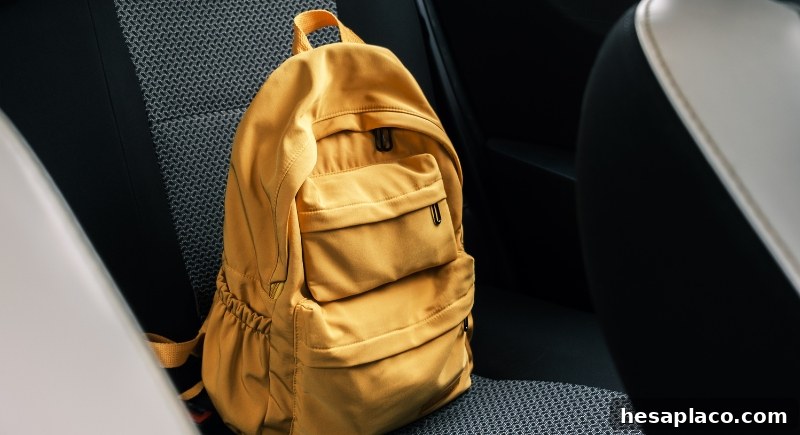
Items stolen from inside your car—laptops, shopping, or personal gear—are usually not covered by auto insurance. These losses would typically fall under homeowners or renters insurance, so check those policies for coverage limits and deductibles before relying on your auto policy for stolen belongings.
Racing and Stunt Damage

Credit: pexels
Accidents that occur during street racing, stunt driving, or competitive track events are excluded from ordinary policies. These high-risk activities require specialized motorsport insurance designed to cover racing-related incidents and driver conduct that standard policies explicitly exclude.
Business Use Without Proper Coverage

Credit: Getty Images
Driving for rideshare services, food delivery, or other business uses often invalidates a personal auto policy while you’re working. Uber and Lyft provide limited coverages, but gaps remain. To remain protected, obtain rideshare endorsement coverage or a commercial auto policy tailored to the scope and frequency of your business driving.
Roadside Help Isn’t Standard
Credit: Canva
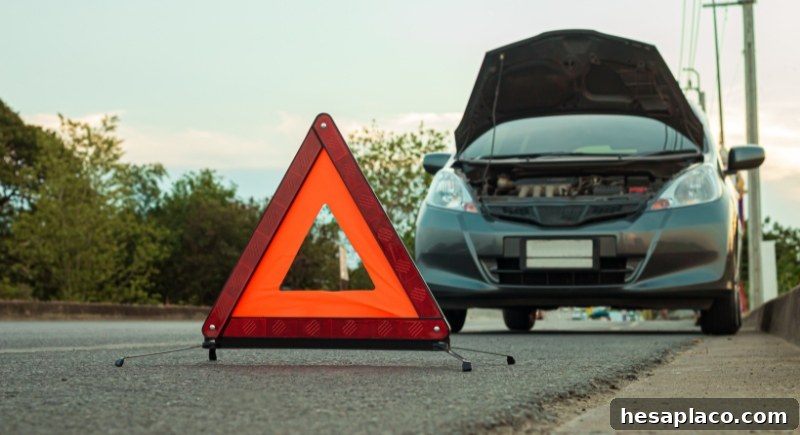
Towing, jumpstarts, fuel delivery, and lockout assistance are not automatically included in standard auto policies. These services are commonly offered as optional roadside assistance add-ons or through third-party providers. Adding roadside coverage can save time and money when small, non-accident problems leave you stranded.
Total Loss Without Gap Coverage
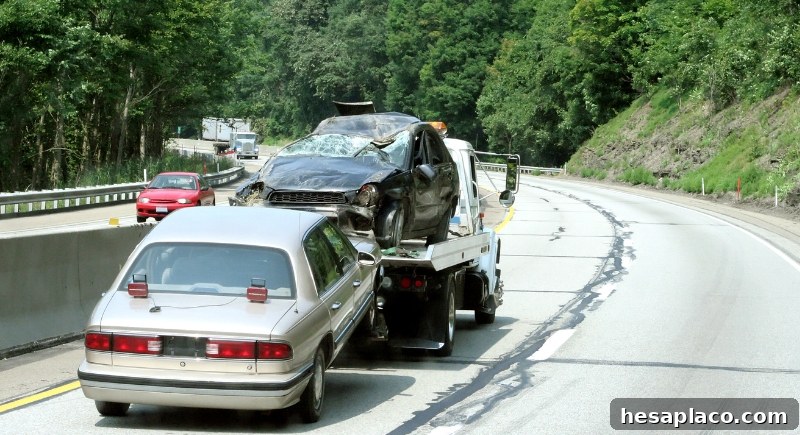
Credit: Getty Images
When your vehicle is declared a total loss, insurers pay the actual cash value, which accounts for depreciation. If you still owe more on a loan or lease than the car’s cash value, you’ll face a shortfall. Gap insurance covers the difference between the insurance payout and your outstanding balance—essential if you put down little or have a lengthy loan term.
Glass Repair Restrictions
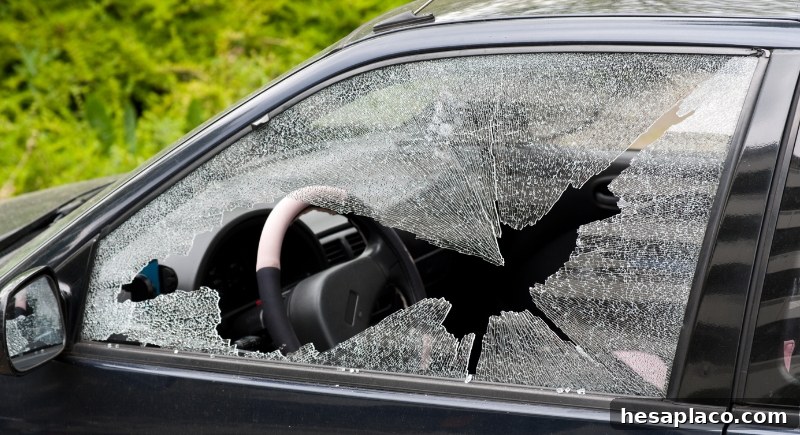
Credit: Getty Images
Cracked windshields, chipped mirrors, and other minor glass damage aren’t always covered unless you carry comprehensive coverage or purchase a specific glass rider. Some insurers limit or exclude small glass repairs. If you frequently drive on gravel roads or highways, adding glass coverage can prevent unexpected replacement bills.
Natural Disaster Gaps
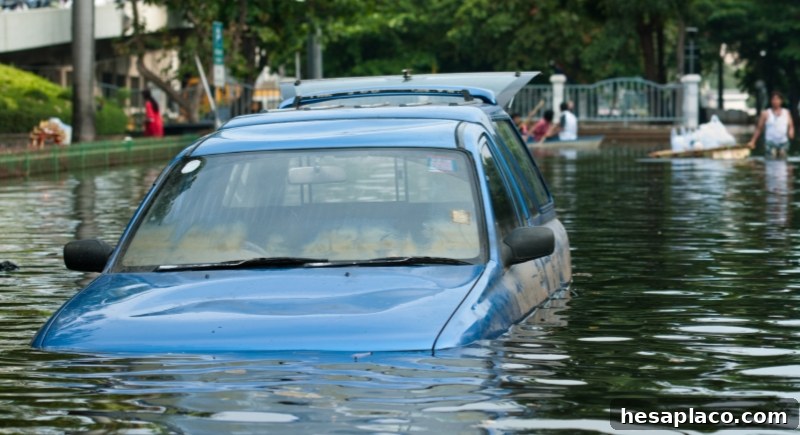
Credit: Getty Images
Standard policies may exclude or limit coverage for certain natural disasters like floods, earthquakes, or severe hail. If you live in a region prone to these events, confirm whether they’re covered and consider purchasing supplemental or separate disaster insurance to avoid large uninsured losses.
Undeclared Vehicle Modifications

Credit: pexels
Modifications such as aftermarket wheels, performance enhancements, towing equipment, or window tinting should be reported to your insurer. Failure to disclose custom parts or changes can result in denied claims or reduced payouts if damage involves those components. Update your policy to ensure modifications are recognized and covered.
Unlisted Household Drivers
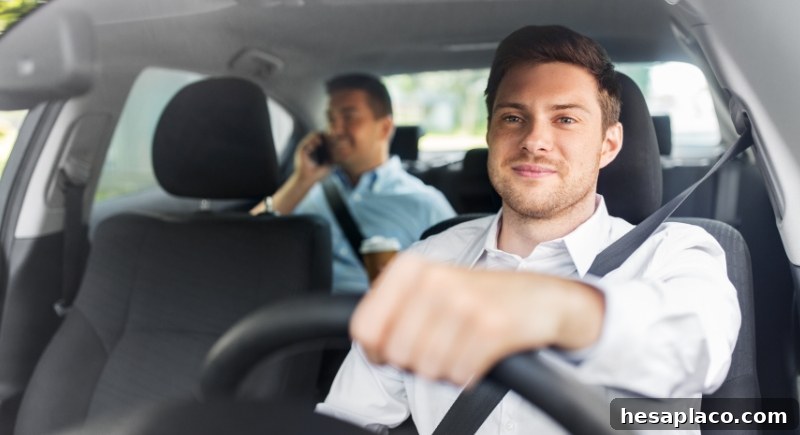
Credit: Syda Productions
Most insurers require you to list household members who regularly drive your vehicles. If an unlisted resident causes an accident, your insurer may deny the claim. Make sure all regular household drivers are disclosed to avoid coverage problems and potential claim denials.
Uninsured Driver Accidents
Credit: Monkey Business Images
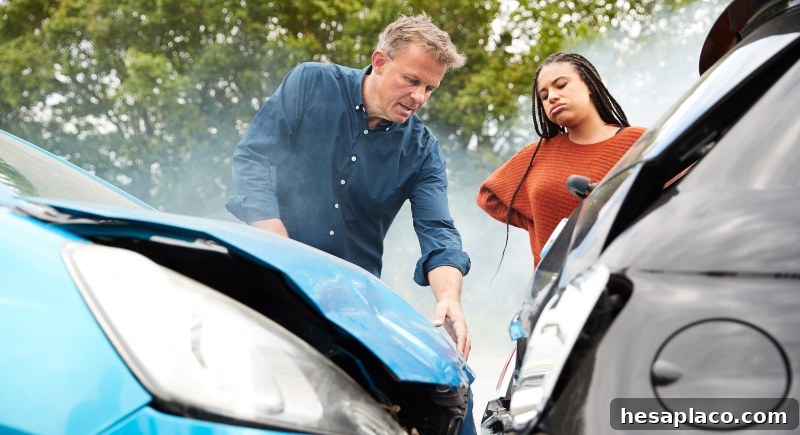
If an uninsured driver hits you, your liability coverage won’t cover your injuries or vehicle damage. Uninsured and underinsured motorist (UM/UIM) coverage pays when the at-fault driver lacks sufficient insurance. While optional in some states, this coverage is strongly recommended to protect against drivers who can’t fully compensate your losses.
Understanding the limits and exclusions of your policy helps you identify the right add-ons and separate coverages to fill gaps. Review your declarations page, ask your insurer for clarifications, and consider endorsements—roadside assistance, glass coverage, gap insurance, higher liability limits, or commercial/rideshare policies—based on your driving habits and risk profile. A tailored approach ensures your insurance works for real-life situations, not just the textbook ones.