
Digital Nomad Visas: Countries Welcoming Remote Workers
Since remote work expanded rapidly during the pandemic in 2020, many professionals have not returned to a traditional office. For some, working from anywhere has become a permanent lifestyle rather than a temporary arrangement.
As remote work continues to grow, more countries are introducing digital nomad visas and remote work permits. These programs allow freelancers, entrepreneurs, contractors, and employees of foreign companies to live abroad legally while continuing to earn an income online.
If you want to travel the world while working remotely, the following countries offer some of the most appealing digital nomad visa options.
Portugal

Getty Images
Length: One year
Income required: €2,800 ($2,843.86) per month
Bottom line: Portugal is one of the most desirable destinations in the world for digital nomads. With its coastal cities, mild climate, strong expat communities, and relatively affordable lifestyle compared with many parts of Western Europe, it has become a favorite base for remote workers.
Portugal recently announced a visa designed specifically for freelance remote workers. Previously, many digital nomads used the country’s D7 visa, which was generally aimed at retirees and people with passive income. The newer option is intended for remote professionals who want to live in Portugal for one year, with the possibility of applying for residency and staying longer.
Spain

Getty Images
Length: One year
Income required: N/A
Bottom line: Spain has approved its digital nomad visa program, making it another major European destination for remote workers. While full details may vary as the program develops, the visa is expected to give remote professionals a legal way to live and work from Spain.
Once the initial visa expires, workers may be able to extend their stay for two additional years. After that, they can apply for residence authorization as remote workers and potentially remain in the country for up to five years.
Spain is also offering a tax incentive for qualifying remote workers. For their first four years in the country, they may be taxed at 15 percent instead of the usual 25 percent, making the program even more attractive.
Croatia

Getty Images
Length: Six months to one year
Income required: €2,300 ($2,305.99) per month
Bottom line: Croatia is a beautiful and increasingly popular destination for remote workers. It is often less crowded than neighboring Italy while still offering historic towns, clear blue water, islands, and a relaxed Mediterranean lifestyle.
Croatia’s digital nomad visa functions more like a temporary residence permit. It allows applicants to stay in the country for up to a year. Once the permit expires, applicants must leave Croatia for 90 days before applying again. That waiting period can be used to explore other parts of Europe before returning.
Greece

Getty Images
Length: One year
Income required: €3,500 ($3,509.12) per month
Bottom line: Greece is hard to beat as a digital nomad destination. With ancient architecture, thousands of islands, vibrant cities, and miles of coastline, it offers remote workers a mix of culture, history, and natural beauty.
The cost of living in Greece can be lower than in many other popular European destinations, especially outside major tourist areas. The digital nomad visa is valid for one year and can be renewed after the first year, making it a strong option for remote workers who want more time in the country.
Italy

Getty Images
Length: N/A, likely one year
Income required: N/A
Bottom line: Italy is preparing to offer a digital nomad visa, but details about the length of stay and income requirements have not yet been fully confirmed in the original information. When available, it is expected to appeal strongly to remote workers who want access to Italy’s historic cities, countryside, food culture, and coastal regions.
For now, Italy has a self-employment visa that can help non-EU nationals work remotely while establishing residency. This visa can last up to two years, and applicants must earn at least €8,500 ($8,522.14) per year to qualify.
Norway
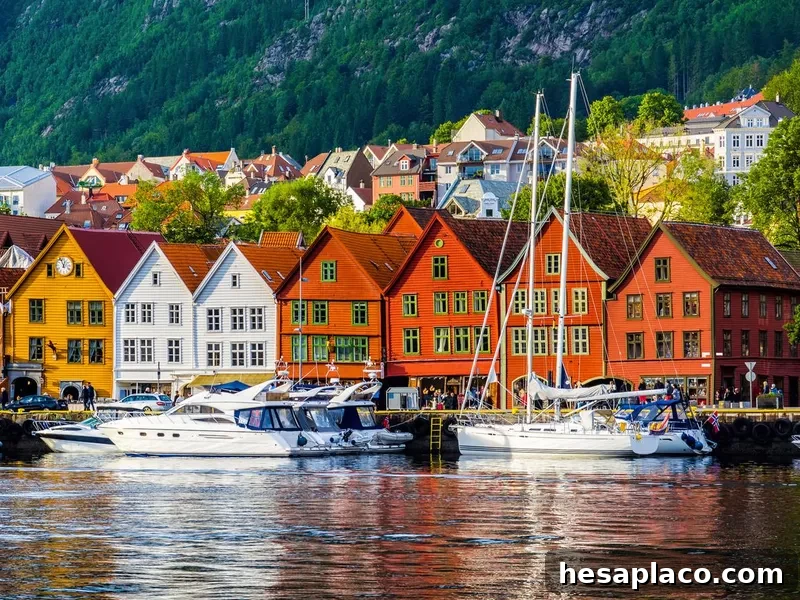
Getty Images
Length: Two years
Income required: €35,719 ($35,812.05) per year
Bottom line: Norway does not offer a visa officially labeled as a digital nomad visa, but it does provide an independent contractor visa for self-employed freelancers. To qualify, applicants must have one or more Norwegian clients.
The visa costs about €600, or around $608. Although the application fee is relatively high, successful applicants can live in Norway for up to two years. For remote workers who enjoy dramatic landscapes, clean cities, and access to outdoor activities, Norway can be an attractive choice.
Iceland
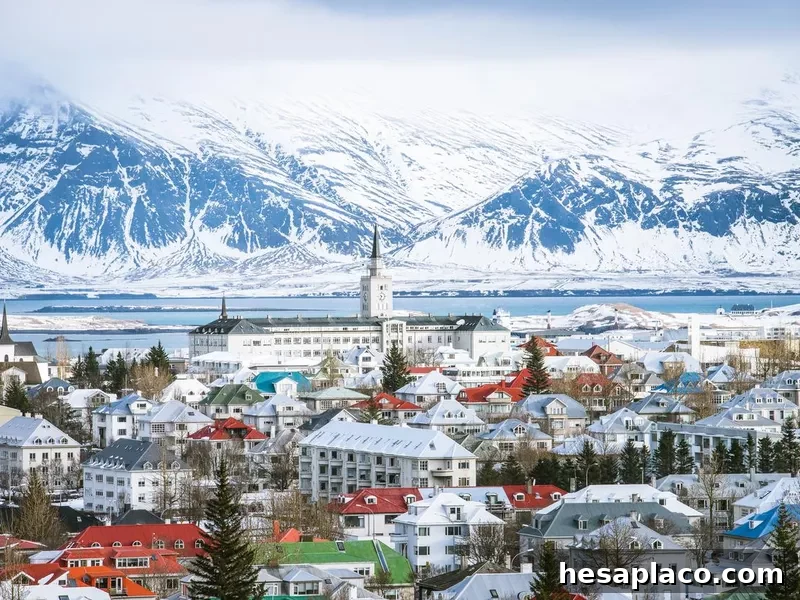
Getty Images
Length: 180 days
Income required: ISK 1,000,000 ($6,812.45) per month
Bottom line: Iceland’s digital nomad visa, known as the Long-Term Visa for Remote Work, is the shortest option on this list and has one of the highest income requirements. Iceland is also one of the more expensive countries in the world, so remote workers should carefully consider their budget before applying.
Applicants may work for themselves or for a foreign company, but they cannot work for Icelandic businesses during their stay. While the visa may not suit every digital worker, those who meet the income requirement can enjoy Iceland’s dramatic landscapes, low population density, and unspoiled natural beauty.
Mexico

Getty Images
Length: Six months to one year
Income required: $2,595 per month
Bottom line: Mexico is already home to many expat communities, thanks to its lower cost of living, warm climate, rich culture, and proximity to the United States.
Digital nomads can renew their visas for up to four years. After that period, they may even apply for a permanent residence visa, allowing them to live in Mexico permanently. This makes Mexico one of the more flexible long-term options for remote workers who want to stay close to North America.
Malaysia
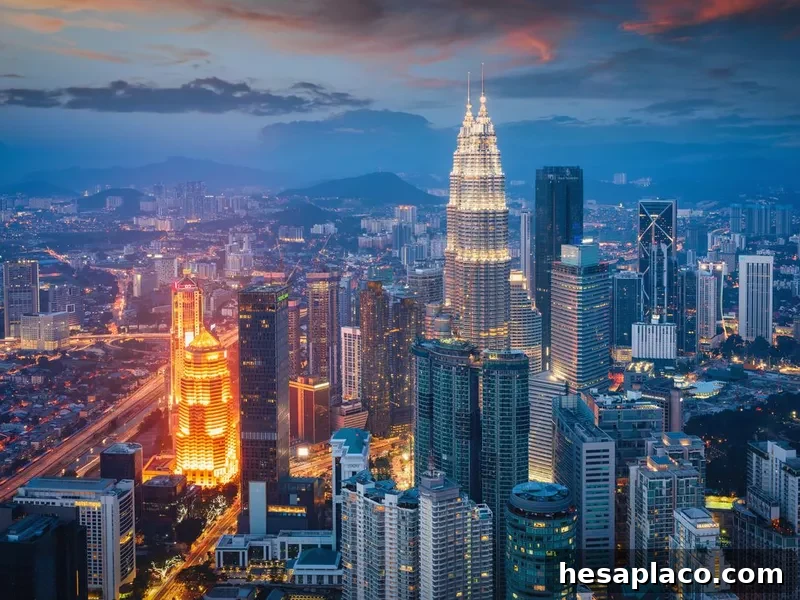
Getty Images
Length: One year
Income required: $24,000 per year
Bottom line: Malaysia began offering its De Rantau Nomad Pass in October 2022, allowing digital nomads to stay in the country for one year. The pass can be extended for another 12 months.
Visa eligibility requirements also include:
- An active contract from local or foreign-based companies for digital independent contractors;
- An active employment contract from local or foreign-based companies for remote workers; or
- A job in IT, including digital marketing, content development, and creative content.
Estonia
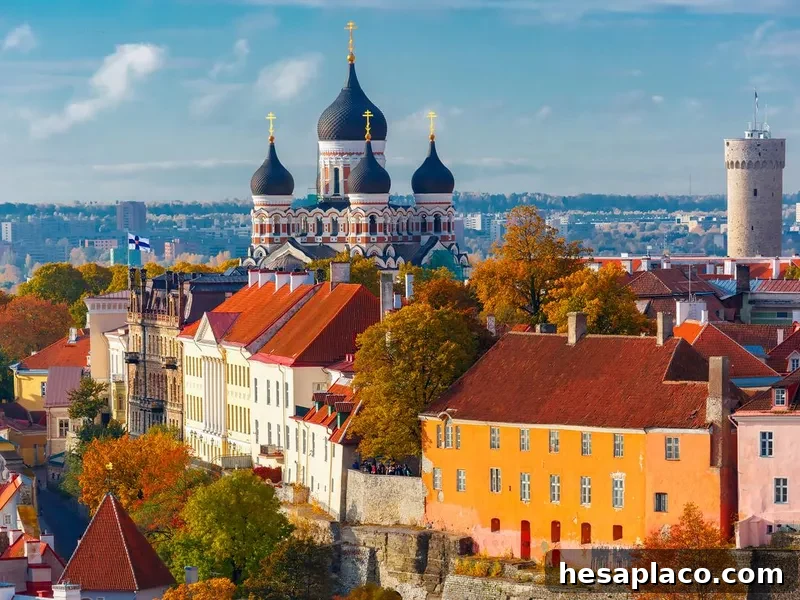
Getty Images
Length: One year
Income required: 1,800 K (€70 or $70.38) per month
Bottom line: Estonia’s digital nomad and freelancer visa program is free to applicants. It lasts for one year and can be extended.
Although the listed monthly income requirement may appear very low, applicants also need €5,587 ($6,527.79) in an Estonian bank account to be considered. Estonia is known for its digital services and remote-friendly infrastructure, which makes it a practical choice for online workers.
Barbados
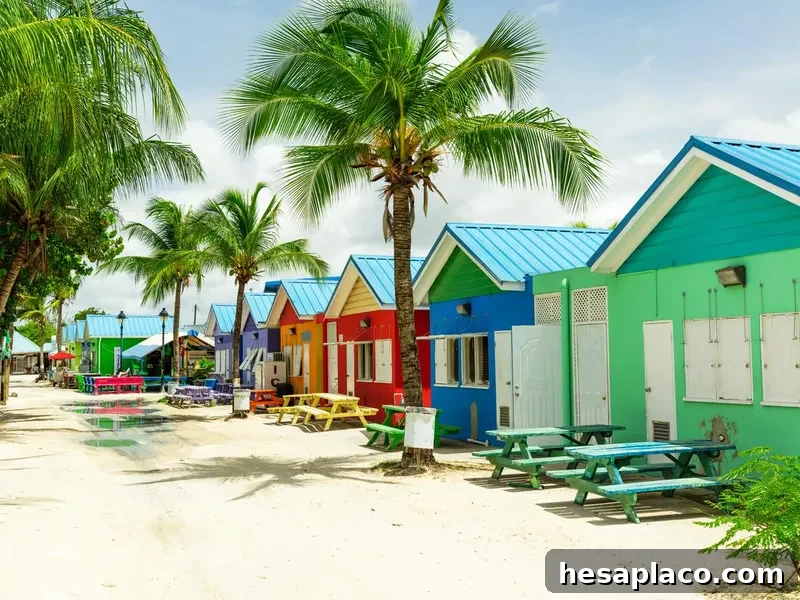
Getty Images
Length: One year
Income required: $50,000 per year
Bottom line: Barbados offers its Welcome Stamp to digital nomads who want to live and work remotely from the Caribbean. While it is not the cheapest option, it may be more affordable than some other Caribbean destinations and is relatively close to the United States.
The application process is expensive. It costs $2,000 per applicant, with a family bundle available for $3,000. However, the visa can be renewed after one year, giving remote workers the option to extend their island lifestyle.
Costa Rica

Getty Images
Length: One year
Income required: $3,000 per month
Bottom line: Costa Rica has long been popular with expats, but its remote work visa requirements are more specific than some other countries on this list.
There are two main visa options, depending on the applicant’s situation. The Rentista visa allows workers to stay in the country for up to two years, with the possibility of extension. This visa is intended for people who own a business or work as entrepreneurs. The program costs $250, and applicants must show earnings of at least $2,500 per month over the previous two years or deposit $60,000 in a Costa Rican bank. Under this program, applicants cannot work for another company.
Costa Rica’s digital nomad visa allows applicants to work for another company, provided they earn at least $3,000 per month. For couples or families, the required income rises to $4,000 per month.
Ecuador

Getty Images
Length: Two years
Income required: $1,275 per month
Bottom line: In summer 2002, Ecuador launched its digital nomad visa, which is valid for two years and can be renewed every two years. Applicants must have private health insurance while in the country and must provide a clean criminal record.
Interested applicants can complete and submit their application online through the country’s Virtual Consulate website. They may be interviewed online or in person, depending on their location. Once approved, applicants pay a fee of about $450 and receive an electronic visa.
Namibia

Group of Giraffes Walking on the gravel road in Namibia JurgaR / Getty Images/iStockphoto
Length: Six months
Income required: $2,000 per month
Bottom line: Namibia is the first African country on the mainland to offer a digital nomad visa. The $2,000 monthly income requirement increases for applicants with dependents.
The visa costs $62. Applicants must also provide the necessary travel documents, proof of income, and proof of health insurance. For remote workers interested in wildlife, open landscapes, and the African savanna, Namibia offers a distinctive digital nomad experience.
The Bahamas
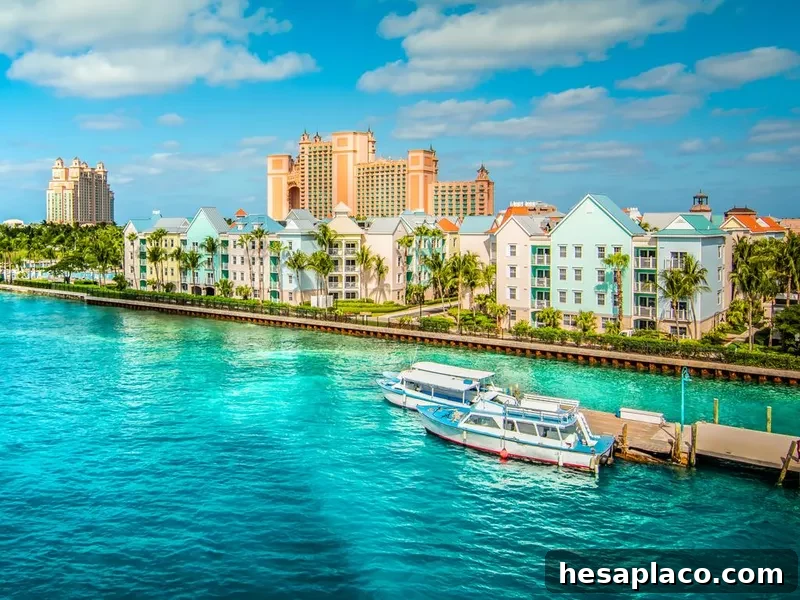
Getty Images
Length: One year
Income required: No specific requirement other than a letter from a current employer or proof of self-employment income
Bottom line: If you want to stay relatively close to the United States and can manage the higher cost of living, the Bahamas may be an appealing choice. Its islands offer warm weather, beaches, and a Caribbean setting for remote work.
The country launched the Bahamas Extended Access Travel Stay program, also known as BEATS, which allows freelancers and remote workers to stay in the country for up to three years. The application cost is $1,000, with an additional $25 processing fee.