
The American Dream once promised that hard work and perseverance would lead to a stable job, a house with a yard, and a comfortable life. Today, for many people, that promise feels out of reach. Economic shifts, rising costs, and structural changes have turned what used to be a path to prosperity into an uphill struggle. Below are 15 factors that help explain why chasing the American Dream often feels more like running on a treadmill than reaching a destination.
College Costs Escalated Rapidly

Credit: studioroman
Between 1987 and 2017, tuition at public four-year colleges more than tripled, and student debt rose alongside degree attainment. Many Millennials, the most educated generation to date, carry average student loan balances exceeding $30,000. That debt delays key life milestones like buying a home, starting a family, and saving for the future.
Wages Lagged Behind Productivity Gains

Credit: Getty Images
Since the late 1970s, American worker productivity has risen dramatically, but wages have not kept pace. Productivity increased by roughly 81%, while wages rose by about 29% over the same period. The result is that the economy and corporate profits improved far faster than the typical worker’s take-home pay, eroding the link between effort and financial reward.
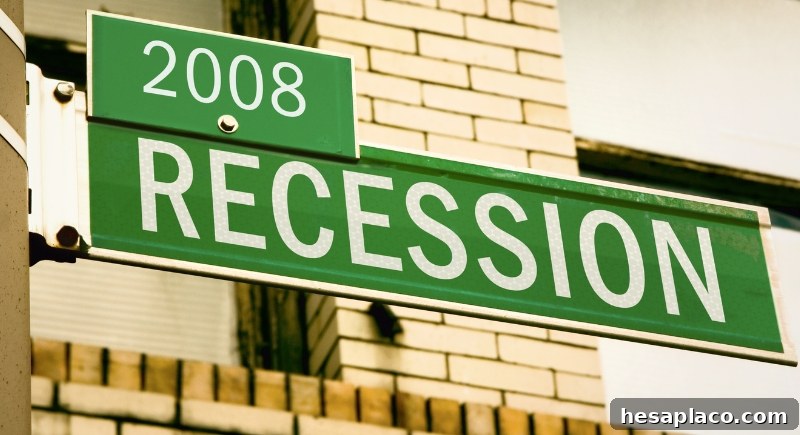
The 2008 Recession Caused Lasting Damage
Credit: Getty Images
The housing crash and financial meltdown of 2008 wiped out jobs, homes, and savings for millions. Recovery was uneven, and many people—especially young adults entering the job market at that time—have spent years trying to regain lost ground. The recession left scars that slowed wealth accumulation for an entire generation.
Childcare Costs Rose Sharply

Credit: Getty Images
The cost of daycare and childcare has climbed to levels that rival or exceed rent in many areas; average annual daycare expenses can top $15,000 per child. These costs make raising children financially daunting and contribute to declining birth rates, as many couples delay or forgo parenthood for economic reasons.
Homeownership Became Increasingly Unattainable

Credit: Canva
Once a central pillar of the American Dream, homeownership has become more difficult for many. In a large share of U.S. markets, renting is cheaper than buying, while home prices and mortgage rates have risen. Competitive markets and bidding wars make it hard for first-time buyers to secure affordable homes, turning ownership into a distant goal for many families.
Healthcare Expenses Lead to Financial Hardship

Credit: Getty Images
Even with insurance, a single unexpected medical event or chronic condition can generate overwhelming bills. Medical debt remains one of the leading causes of personal bankruptcy in the United States. This vulnerability means someone who follows conventional financial advice can still face catastrophic setbacks from health issues.
Rent Consumes a Large Share of Income

Credit: Getty Images
In many cities, renters spend more than 30% of their income on housing. With wages stagnating and housing costs climbing, saving for a down payment or building an emergency fund becomes difficult, and the “starter apartment” can become a long-term arrangement rather than a temporary step.
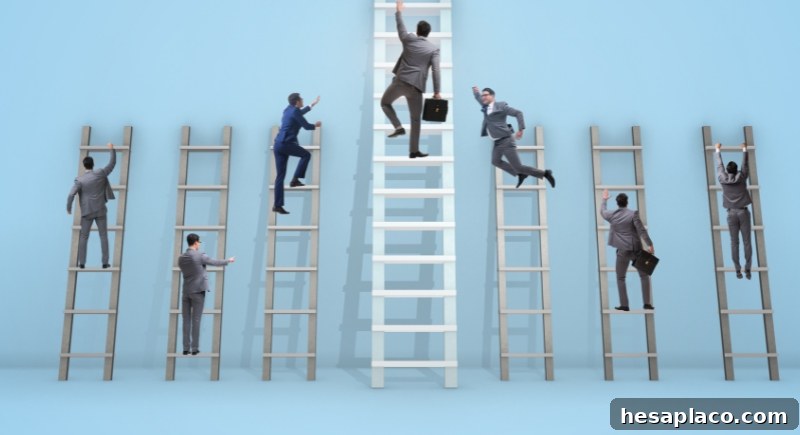
Career Advancement Slowed for Younger Workers
Credit: Canva
After the Great Recession, many older employees delayed retirement and stayed in positions longer, limiting promotion opportunities for younger workers. That congestion on corporate ladders means entry-level roles can become long-term dead ends, reducing upward mobility even for those who work long hours.
Social Safety Nets Often Fall Short

Credit: Getty Images
Government programs designed to help people in need often require navigating complex rules, long processing times, and strict eligibility standards. As a result, many people who qualify for assistance never receive it, leaving vulnerable households without the support they need to recover from setbacks.
Retirement Security Has Weakened

Credit: Getty Images
The decline of defined-benefit pensions and the rise of 401(k) plans shifted retirement responsibility onto individuals. Many people reach their 60s without adequate savings to retire comfortably, turning retirement from a long-term goal into an uncertain prospect or something they may have to postpone indefinitely.
Job Stability Has Eroded

Credit: Getty Images
The rise of gig work, temporary contracts, and frequent layoffs has made employment less predictable. Full-time positions no longer always include benefits or long-term security. Workers often change jobs more frequently, which complicates long-term planning and wealth-building.
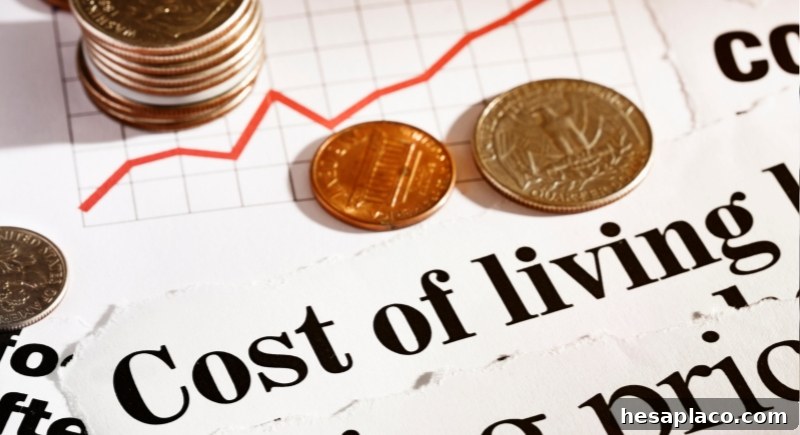
Everyday Costs Rose Faster Than Incomes
Credit: Getty Images
Inflation in essentials—groceries, energy, and utilities—has outpaced wage growth at times, leaving households with less disposable income. Even when job markets look strong in aggregate, many families feel the pressure of rising everyday costs that erode their financial resilience.
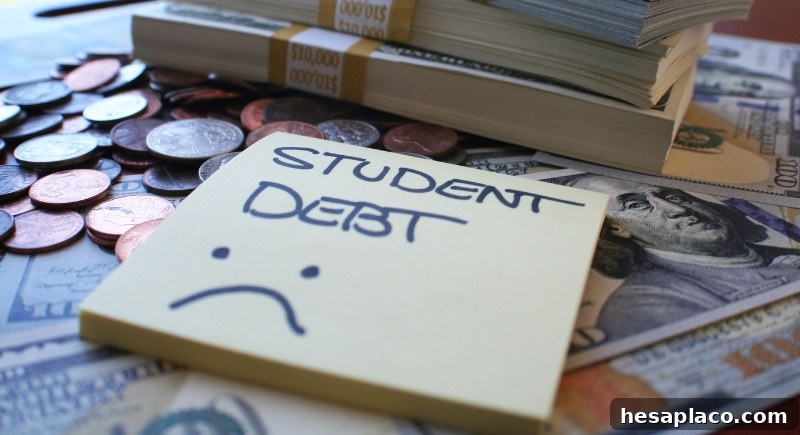
Student Loans Reduce Risk-Taking and Entrepreneurship
Credit: Getty Images
High student debt burdens discourage people from starting new ventures or making career changes. When significant earnings are needed to meet loan payments, many choose the security of stable paychecks over the uncertainty of entrepreneurship, reducing innovation and the number of new small businesses.
Social Expectations Didn’t Keep Up With Economic Realities

Credit: pexels
The traditional checklist—get a job, marry, buy a house, have children—hasn’t been updated to reflect 21st-century economic conditions. Many people still measure success by these outdated milestones, which can create pressure, burnout, and a persistent sense of failure even when they follow socially prescribed paths.
The “Deserving Poor” Narrative Undermines Solutions

Credit: Canva
Persistent cultural narratives that equate success with virtue and poverty with personal failure shape public policy and opinion. When struggling people are dismissed as undeserving, meaningful policy responses are harder to achieve. That stigma can block pragmatic reforms that might make economic mobility more attainable.
These forces don’t operate in isolation. Together, they create a landscape where following conventional advice no longer guarantees progress toward the American Dream. For many, the path to stability requires policy changes, updated social expectations, and new forms of economic support that match today’s realities.