
Getting laid off can be a heavy blow. But losing a job can also open the door to rethinking priorities and pursuing a different pace of life. If you’re willing to explore, Europe offers more than scenic getaways—it can be a practical and restorative place to reboot. Here’s why moving there after a layoff can make a lot of sense.
Lower Healthcare Costs Can Ease Financial Strain

Credit: Canva
One of the biggest worries after a job loss in the United States is losing health insurance. In many European countries, universal or heavily subsidized healthcare reduces that worry. Public systems in places like France, Spain, and Germany cover a substantial share of medical costs, helping families avoid crippling bills while they regroup.
Work-Life Balance Is Built Into Law
Credit: Getty Images
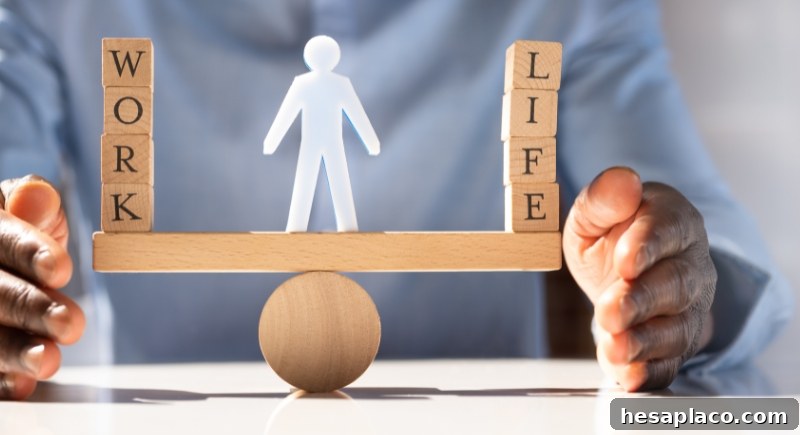
European labor rules generally protect personal time. Full-time workers in Germany or the Netherlands typically get four to six weeks of paid vacation, plus public holidays. In France, protections against employer contact outside work hours are legally reinforced, which helps people separate work from life.
Affordable Living in Some Unexpected Cities
Credit: Canva
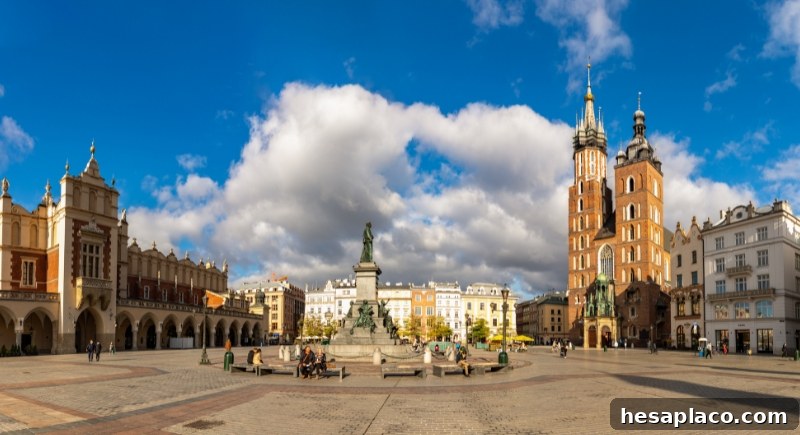
Many European cities combine high quality of life with lower living costs than you might expect. Portugal, for example, can offer average monthly expenses for a single adult that are significantly lower than in many U.S. cities. Cities such as Valencia, Kraków, and Thessaloniki provide affordable housing, lively communities, historic neighborhoods, and reliable public services.
Residency-by-Investment Programs Can Speed a Move

Credit: Canva
Golden Visa and investment residency schemes offer practical routes to living in Europe. In Greece, purchasing property above a certain threshold can grant a renewable residence permit. Portugal’s programs include pathways to longer-term residency and citizenship for qualifying investors. These options can be especially attractive for people with capital who want a relatively fast, legal transition.
Visas and Bureaucracy Are More Manageable Than You’d Think

Credit: Getty Images
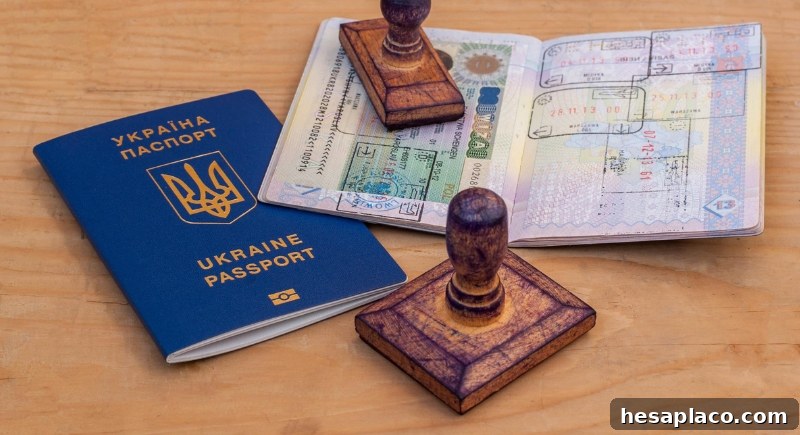
Paperwork can seem daunting, but many countries have simplified options for newcomers. Portugal’s D7 visa suits people with passive income or freelancers. Spain’s non-lucrative visa is popular with those who can support themselves without working locally. Once you settle in, dealing with local bureaucracy usually gets easier as you establish residency.
High-Speed Rail Makes Getting Around Simple
Credit: pexels
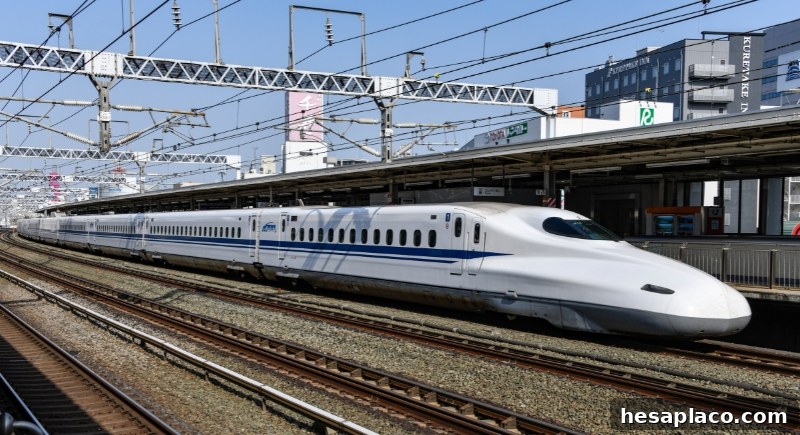
Europe’s dense high-speed rail network connects major cities quickly and comfortably. Trains like Germany’s ICE, France’s TGV, and Spain’s AVE cut travel times dramatically, making weekend trips and regional exploration easy without needing a car.
Short-Term Stays Let You Explore Before Committing
Credit: Getty Images
U.S. passport holders can spend up to 90 days in the Schengen Area without a visa, which gives ample time to scout neighborhoods and test life in different countries. For longer stays, many countries now offer digital nomad visas or long-stay permits tailored to remote workers and freelancers.
Renting Often Feels Secure

Credit: Canva
Tenant protections are robust in many European countries. In Germany, rental laws typically favor long-term tenants with limits on evictions and controlled rent increases. Many cities regulate deposits and short-term rentals to protect housing supply, providing stability during a period of career transition.
Food Culture Encourages Slower, Social Meals

Credit: Getty Images
A layoff can free up time that you might spend exploring local food scenes: tapas in Seville, pizza in Naples, pierogi in Warsaw. Meals across Europe often emphasize socializing and savoring food rather than rushing—an appealing rhythm if you want to slow down.
Learning a Language Unlocks More Than Words

Credit: Canva
Picking up a new language can be challenging, but it also expands social and professional opportunities. Many northern European countries offer robust services in English for newcomers, while learning the local language in southern or eastern Europe often improves integration and can support residency processes.
Green, Walkable Cities Improve Daily Life

Credit: Canva
Many European cities were planned before cars dominated urban design, resulting in compact, walkable areas with parks and plazas. Cities such as Berlin and Stockholm prioritize public green spaces, while smaller towns often center daily life around open-air markets and community gardens—beneficial for physical and mental well-being.
Sustainability Is Often a Priority

Credit: Canva
If a layoff has prompted you to reconsider environmental impact, Europe’s emphasis on sustainability can be appealing. Recycling systems, extensive public transit, electric vehicle infrastructure, and urban planning that favors lower emissions are common across many cities and regions.
Different Career Paths Are Available
Credit: Getty Images
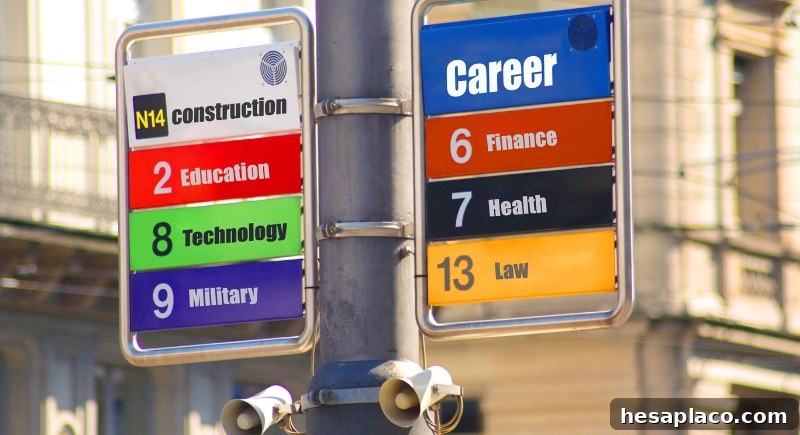
Across Europe, sectors like tech, education, and healthcare remain strong. Countries such as Ireland host major global tech offices, while Germany often seeks skilled engineers. Options also include teaching English, freelance work, or remote positions—many of which support a flexible lifestyle after a job change.
Everyday Life Often Runs at a Calmer Pace
Credit: pexels
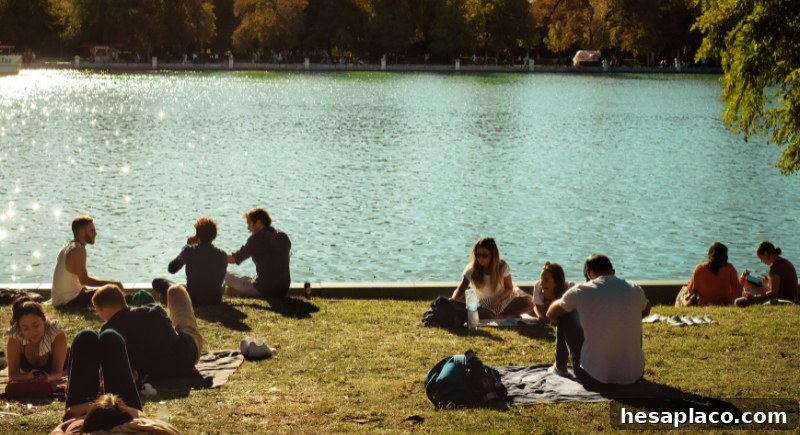
Shops that close early, Sunday rest days, and leisurely meals are part of daily life in many regions. This slower tempo can feel unfamiliar at first but quickly becomes refreshing for people who want to trade constant hustle for more time and presence.
You’ll Find Others Who’ve Made the Same Shift

Credit: Getty Images
After job disruptions, many people choose to move abroad. Cities like Prague, Valencia, and Tbilisi host active expat and digital nomad communities with meetups, co-working spaces, and language exchanges, making it easier to build new social and professional networks during a transition.
Facing a layoff is hard, but it can also be a catalyst. Whether you want lower living costs, better healthcare security, a slower daily rhythm, or new career possibilities, Europe offers tangible reasons to consider a change of scenery and pace.