
Bankruptcy is more than a statistic; it’s a lived reality for many American communities. While national averages can obscure local detail, a closer look reveals towns and cities where bankruptcy rates are notably elevated. Below we examine 15 American locales facing significant financial stress, highlighting the local factors that contribute to their economic challenges.
Gatlinburg, Tennessee
Credit: Wikimedia Commons
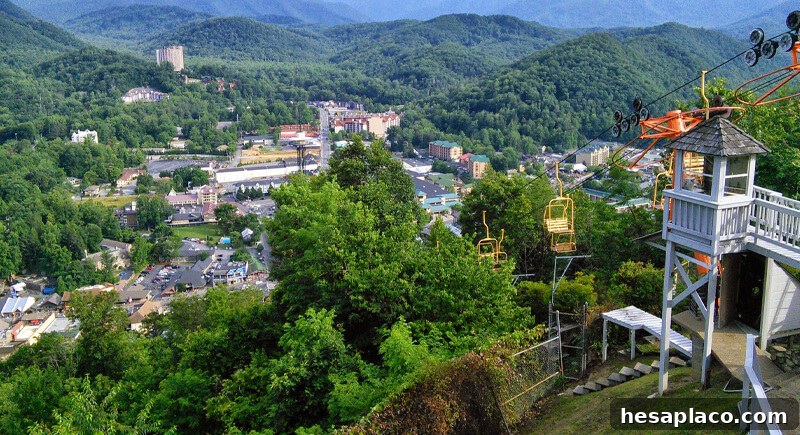
Gatlinburg serves as the gateway to the Great Smoky Mountains National Park and depends heavily on tourism. Despite steady visitor numbers and nearby attractions such as Dollywood, the town’s economy experiences seasonal swings and pressure on local wages. The dependence on tourism revenues, combined with rising costs for housing and services, contributes to financial strain for some residents and small businesses.
Williston, North Dakota
Credit: Wikimedia Commons
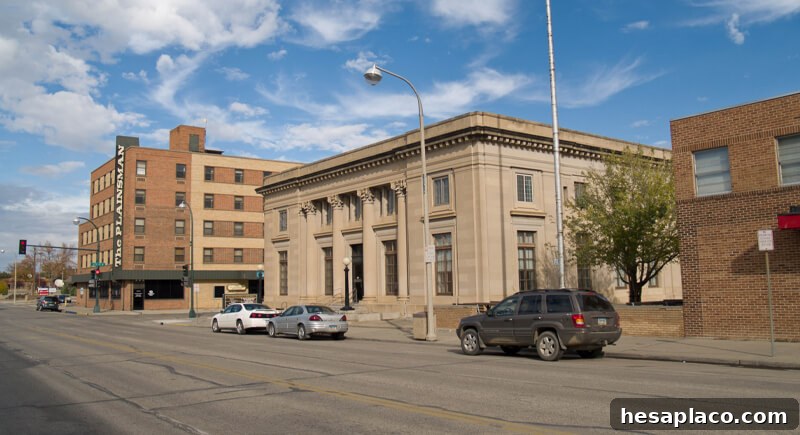
Williston’s economy has been shaped by oil extraction, agriculture, and tourism. The fracking boom brought rapid growth and an influx of workers and businesses, but the subsequent downturn exposed the community’s vulnerability to commodity price swings. Rapid population increases strained infrastructure and housing, and when oil prices fell, many residents and businesses faced severe financial pressure.
Naples, Florida
Credit: Wikimedia Commons
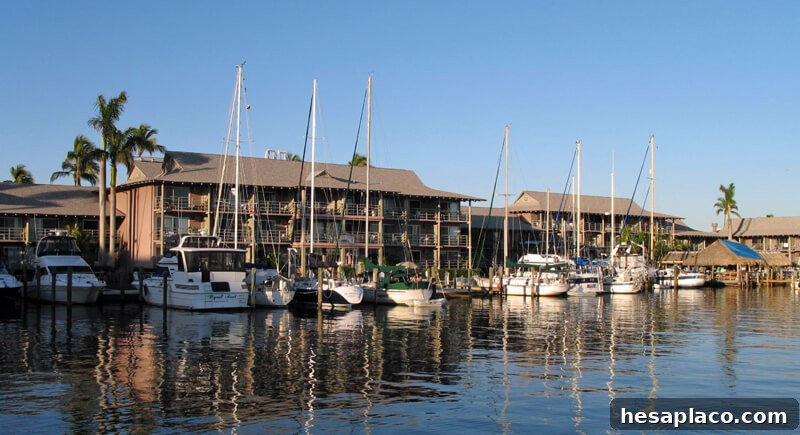
Naples is known for upscale shopping, arts, and dining, and it attracts many retirees. Yet the high cost of living—especially housing and healthcare—places heavy burdens on residents living on fixed incomes. With home values well above national averages, some residents find it difficult to cover everyday expenses and medical costs, increasing reliance on credit or other financial remedies.
McAllen, Texas
Credit: Wikimedia Commons
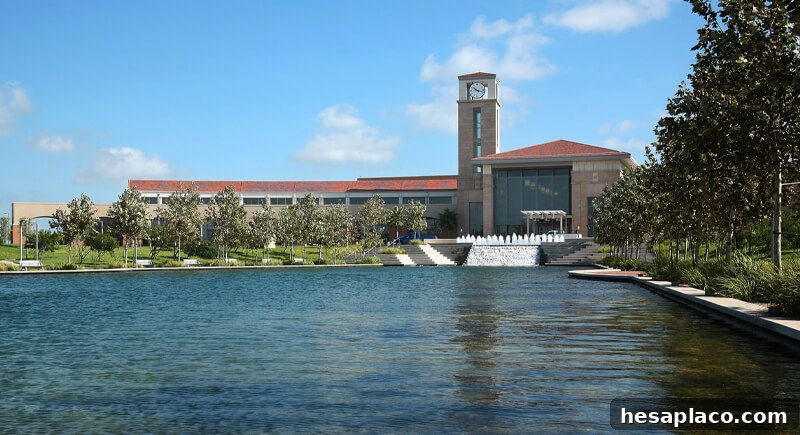
McAllen evolved into a regional center for agriculture, oil-related activity, and tourism. In recent years it has also become notable for high per-capita credit card debt, reflecting widespread reliance on consumer credit. High household debt levels, combined with limited income growth, leave many families vulnerable to financial shocks and potential bankruptcy.
Atlantic City, New Jersey
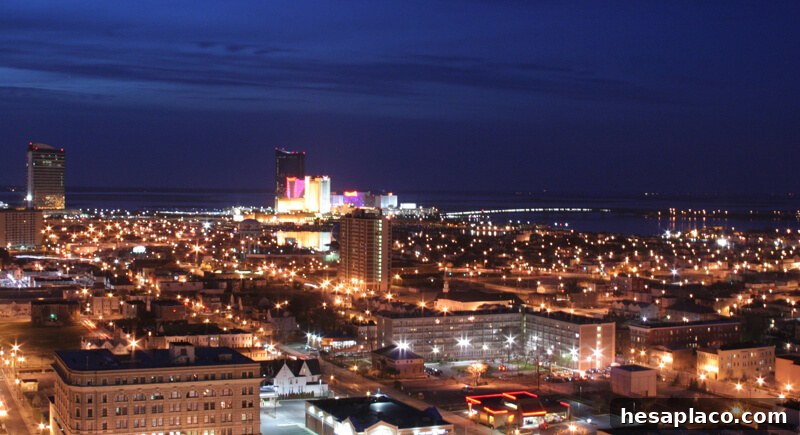
Credit: Wikimedia Commons
Atlantic City’s mid-20th-century decline was followed by a revival built around casinos and tourism. Overreliance on a single industry left the city exposed when competition grew and visitor patterns shifted. Persistent issues—poverty, crime, and fiscal mismanagement at times—have contributed to long-term economic instability for residents and municipal finances alike.
Detroit, Michigan
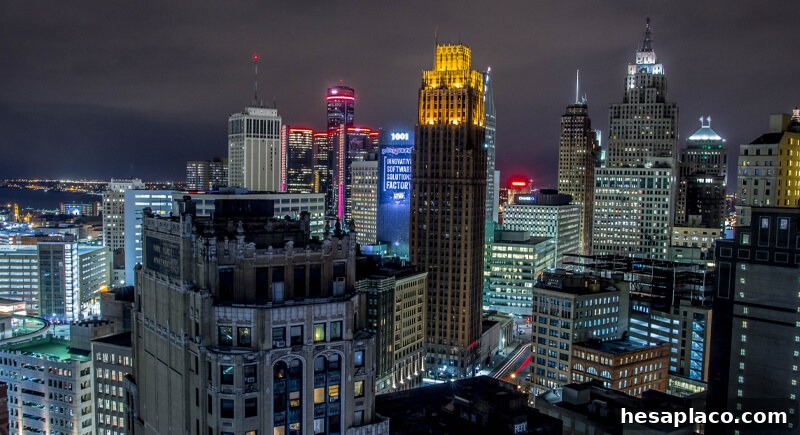
Credit: Wikimedia Commons
Detroit’s history as the heart of America’s auto industry made it an early symbol of 20th-century prosperity. Declining manufacturing employment, suburbanization, and population loss led to decades of fiscal strain, culminating in the largest municipal bankruptcy in U.S. history. While the city has pursued revitalization, many residents continue to face economic hardship tied to job displacement and reduced public services.
Fairbanks, Alaska
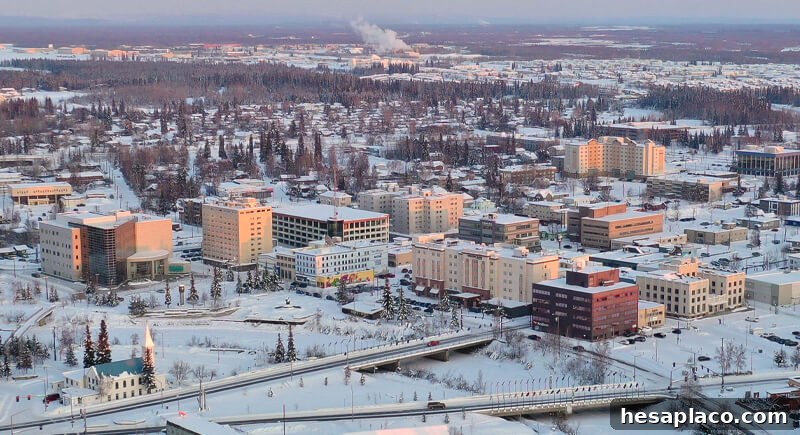
Credit: Wikimedia Commons
Fairbanks is renowned for the aurora borealis and its gold rush history. Yet its remote location and extreme climate drive higher costs for heating, goods, and transportation, which can strain household budgets. Limited economic diversification beyond tourism and resource extraction contributes to financial fragility for many residents.
Port Canaveral, Florida
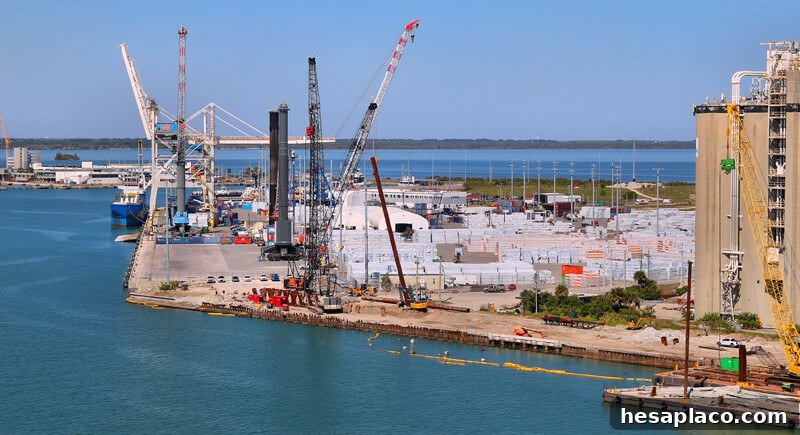
Credit: Wikimedia Commons
Port Canaveral is a major cruise and cargo port, supporting hospitality and maritime sectors. Reliance on tourism and maritime commerce makes the local economy vulnerable to seasonal cycles and external shocks—such as fuel price changes or travel disruptions—which can quickly reduce income for workers and small businesses dependent on steady visitor traffic.
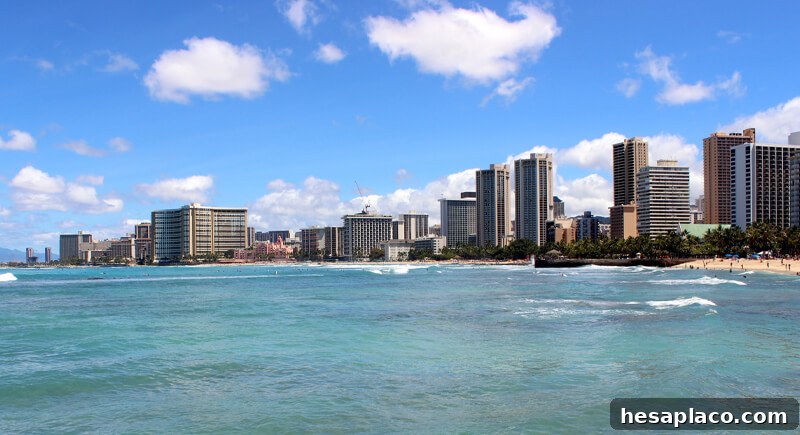
Honolulu, Hawaii
Credit: Wikimedia Commons
Honolulu offers natural beauty and cultural attractions, but the cost of living is among the highest in the nation. Beyond luxury real estate, everyday expenses—groceries, utilities, and rent—are costly. These elevated living costs strain many households, especially those with modest or fixed incomes, and can increase reliance on credit or emergency borrowing.
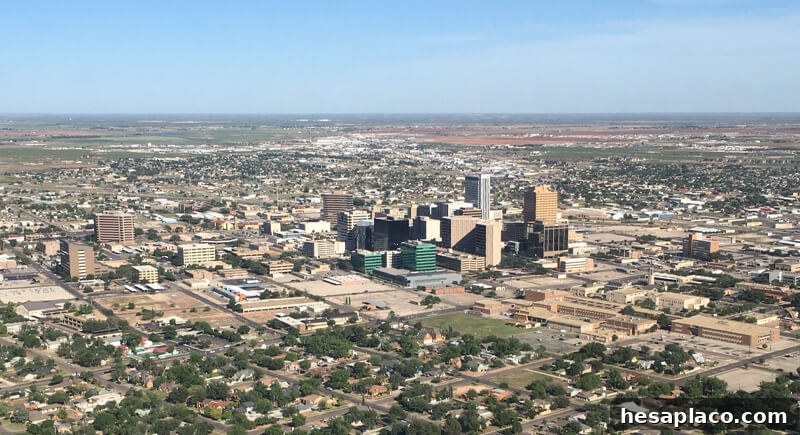
Midland, Texas
Credit: Wikimedia Commons
Midland’s economy closely follows the ups and downs of the oil industry. Periods of rapid expansion during oil booms often give way to sharp contractions when commodity prices fall. This boom-bust cycle leads to job losses, reduced municipal revenue, and financial distress for families and businesses that expanded during prosperous years.
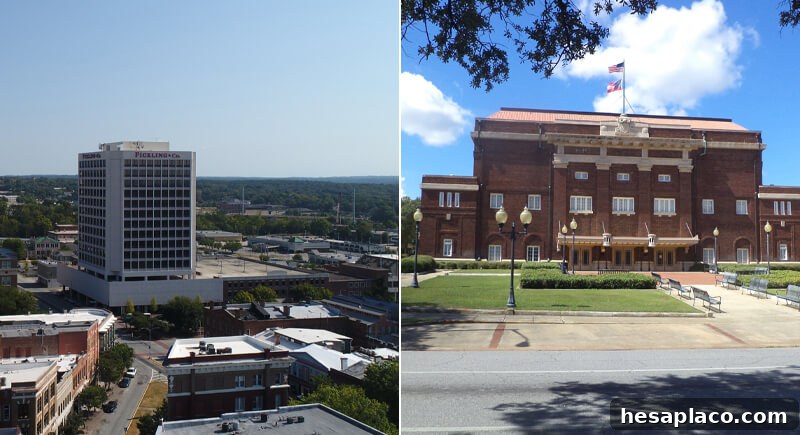
Macon & Albany, Georgia
Credit: Wikimedia Commons
Macon and Albany face similar economic headwinds: limited job opportunities, low median incomes, and entrenched poverty. Those conditions reduce household resilience to unexpected expenses and medical emergencies, increasing the likelihood of personal bankruptcies. Community efforts to diversify local economies and improve employment prospects remain key to recovery.
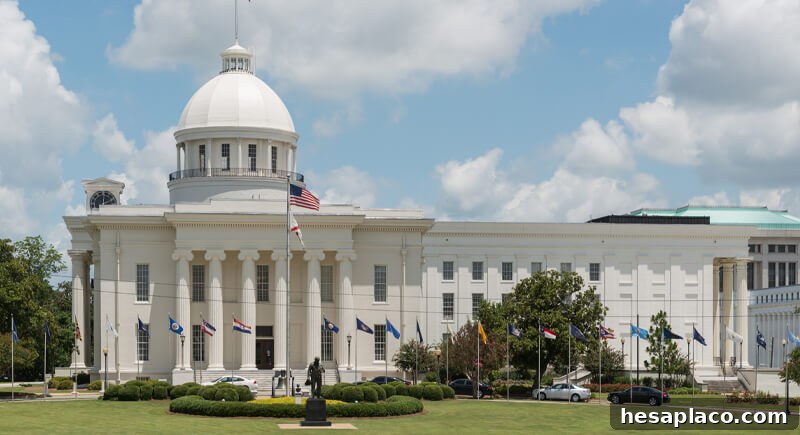
Montgomery, Alabama
Credit: Wikimedia Commons
In Montgomery, medical debt is a leading driver of personal bankruptcies. High healthcare costs, gaps in insurance coverage, and unexpected medical emergencies force many households to deplete savings or accumulate overwhelming debts. This local pattern reflects broader national problems with the affordability of medical care and insurance coverage gaps.
Anchorage, Alaska
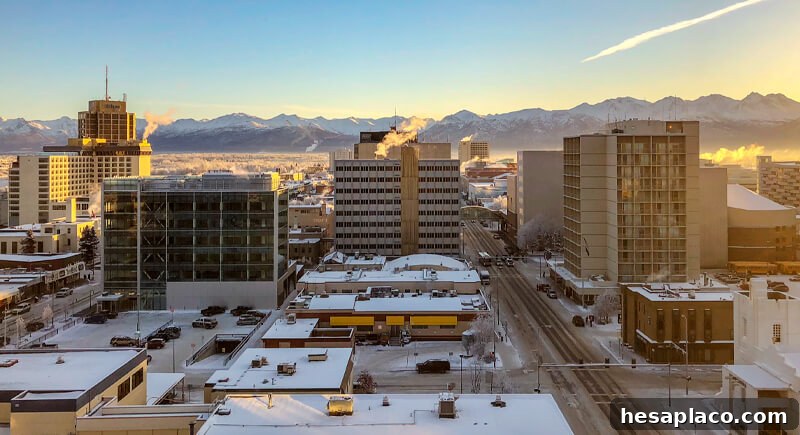
Credit: Wikimedia Commons
Anchorage combines dramatic natural beauty with a high cost of living and harsh winters that raise heating and transportation costs. Those added expenses, along with limited local economic diversity in some sectors, place significant strain on household budgets. For many, the financial pressures of living in a remote northern city contribute to higher rates of bankruptcy filings.
Oklahoma City, Oklahoma
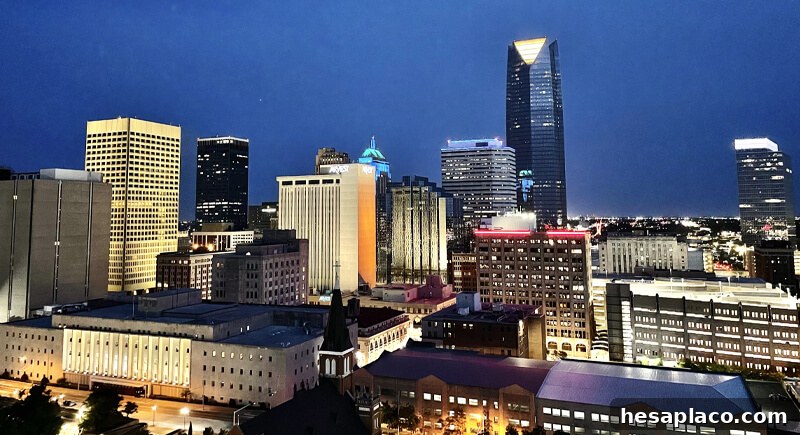
Credit: Wikimedia Commons
Oklahoma City’s economy has shifted over time, and workers in formerly dominant industries have sometimes struggled to adapt. Slower growth in certain sectors, combined with changing labor market demands, has left parts of the population financially vulnerable. Rising personal bankruptcies reflect the difficulty some households face in keeping pace with changing economic realities.
These 15 communities show how varied local economies, from tourism and energy to healthcare and housing costs, can influence financial stability. While each town has its own story, common threads emerge: dependence on a single industry, high living costs, medical debt, and economic shifts that outpace local adaptation all raise the risk of bankruptcy. Addressing those challenges requires targeted policies to diversify local economies, improve access to affordable healthcare and housing, and build financial resilience for residents.