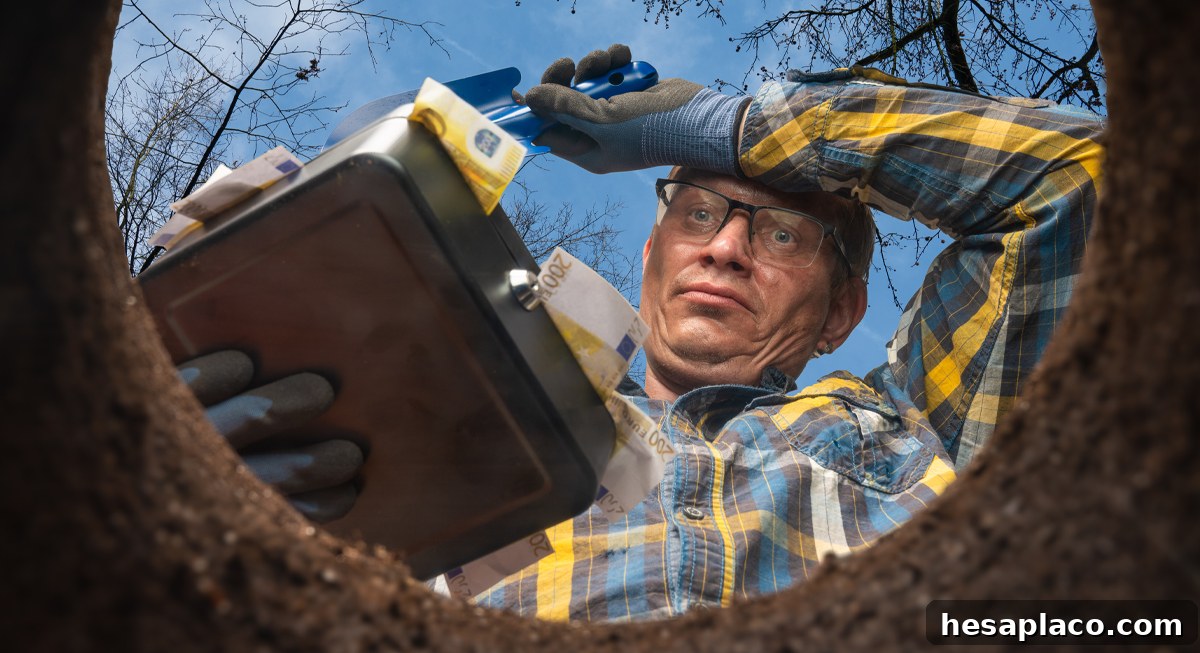
Creativity helps when you want to keep cash safe at home. Stashing money in the same predictable places makes it easier for thieves—and more likely you’ll misplace it yourself. Below is a streamlined guide to common hiding spots you should avoid. Each is often the first place a burglar or a curious houseguest will check, so consider safer alternatives like a properly secured safe, a bank deposit, or a less obvious, well-documented plan for emergency cash.
Under the Mattress

Credit: pexels
Hiding cash under the mattress is a long-standing trope—from historical distrust of banks to movie clichés. It remains one of the first places intruders check and is also risky if you forget about the money during a cleanout or move. Beds are for rest, not storage.
Behind Toilet Tanks
Credit: pexels
Money tucked behind the toilet tank is a familiar trick. Tradespeople, including plumbers, may find it during repairs, and burglars know to check that area, too. Keep plumbing for water and pipes, not your emergency funds.
In the Freezer

Credit: pexels
Stashing bills in frozen food bags or containers is a common tactic, but it comes with downsides: it’s widely known, frequently checked, and exposure to moisture or temperature changes can damage currency. Keep food and valuables separate.
Cookie Jars
Credit: pexels
Cookie jars are predictable spots for hidden cash. Because they’re a traditional household item, thieves and nosy visitors often look there first. Use jars for snacks—not for securing money.
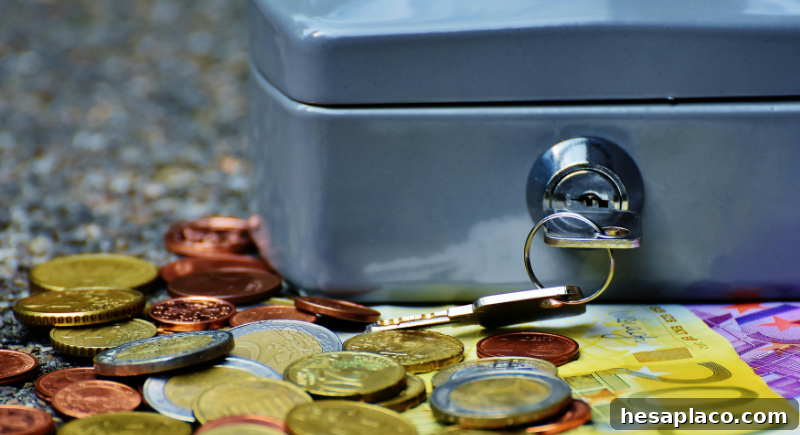
In a Home Safe (that’s not bolted down)
Credit: pexels
A safe is a good idea only if it’s properly installed. Small, portable safes that aren’t bolted down are frequently stolen whole. Ensure any safe you use is securely anchored to a solid surface to prevent it from becoming an easy carry-away.
Bookshelves (between books)

Credit: pexels
Hiding money in a book may sound clever, but it’s a classic and obvious choice. Burglars flip through shelves, and lost or donated books can mean you permanently lose what you stored. Keep reading for enjoyment; consider alternative secure storage for cash.
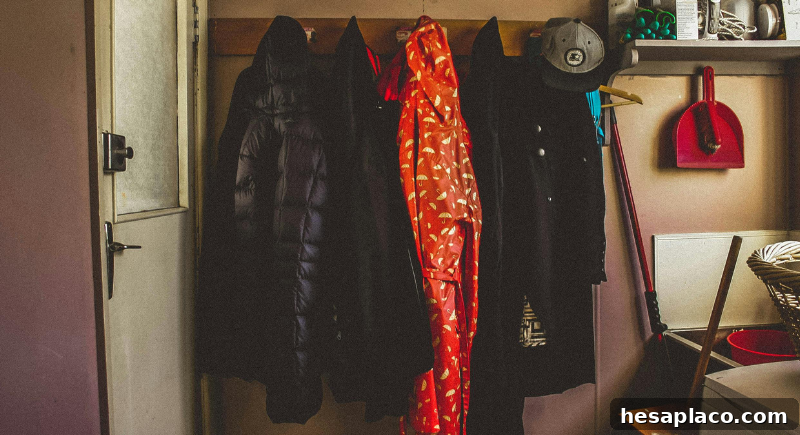
Old Coat Pockets
Credit: pexels
Stuffing cash into old coat pockets or jackets is common—and risky. Clothes get donated, laundered, or moved to storage, which can lead to accidental loss. If you prefer hidden home cash, document where it is and choose a more secure location.
Inside a Picture Frame

Credit: pexels
Hiding cash behind a family photo might feel cinematic, but picture frames are among the first things searched during break-ins. They’re often moved or examined, making this a poor hiding spot for valuables you want to preserve.
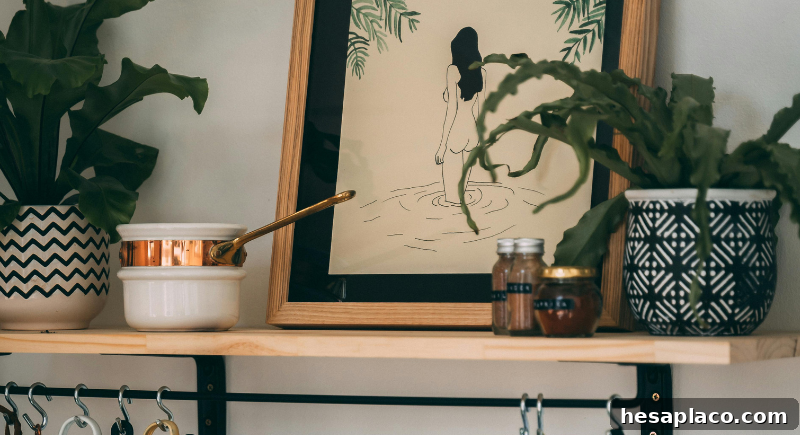
Plant Pots
Credit: pexels
Plant pots may seem like a hiding place where money can “grow,” but soil and moisture damage paper bills over time. Pots are also common places burglars check, and root growth or watering makes this an unreliable option.
Sock Drawer

Credit: pexels
Many people assume a sock drawer is a private spot, but it’s frequently inspected during searches and is as obvious as under the mattress. Household members or guests often access drawers, increasing the chance your stash will be discovered.
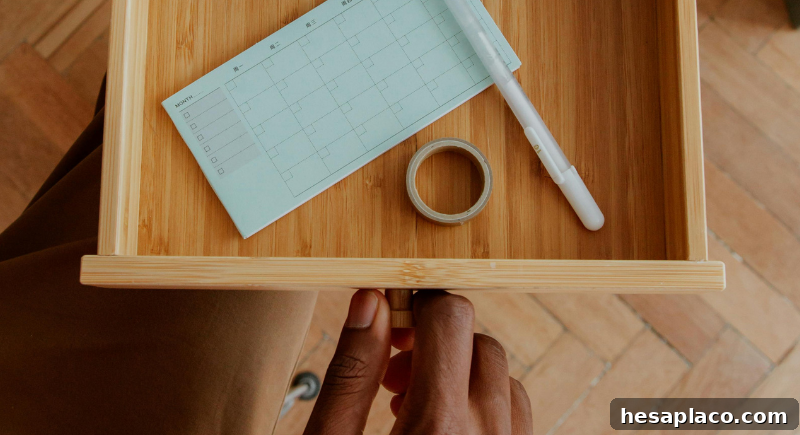
Personal Desk Drawers
Credit: pexels
Desk drawers—at home or at work—are convenient to access, which makes them convenient for someone else as well. They’re easy to open and commonly searched, so they offer little protection for cash or other valuables.
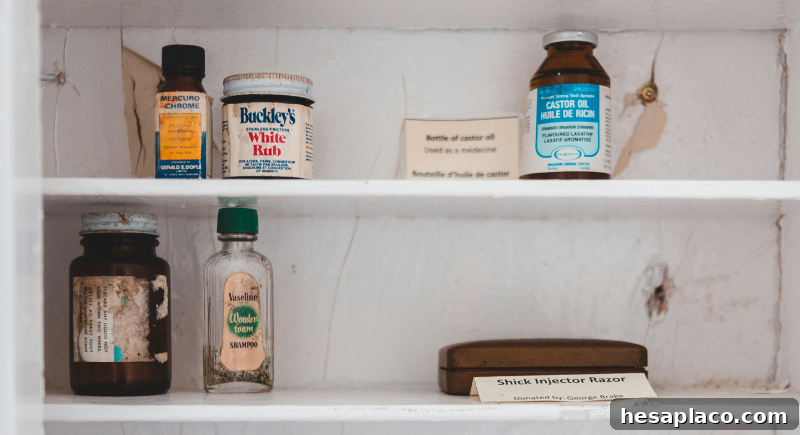
Medicine Cabinet
Credit: pexels
Medicine cabinets are intended for first aid—mixing cash with medications is unwise. They are often accessed by guests and family members and can be easily inspected, making them an insecure place to hide money.
Kids’ Rooms

Credit: pexels
Hiding cash in a child’s room might seem clever because it feels private, but kids are curious and may discover or misplace money. Rooms used by children are also among the places burglars might search, so think twice before using them as a secret vault.
Gym Bag

Credit: pexels
Gym bags are often left unattended in locker rooms or vehicles and can be an easy target for opportunistic theft. They’re also exposed to sweat and moisture, which isn’t ideal for storing cash or sensitive items.
Cereal Boxes

Credit: pexels
Hiding cash inside a cereal box might seem inconspicuous, but boxes are easy to access, spill, or discard. During a search, packaged food is often sifted through, so this method offers little true security.
In short, avoid predictable spots that are easy to access or commonly checked. If you keep emergency cash at home, consider a bolted safe, a discreet but well-documented hiding plan known to a trusted person, or depositing significant amounts in financial institutions. Small, well-hidden emergency amounts can work, but document the location and protect the cash from damage and accidental loss.