
Credit cards are structured so that issuers profit from consumer spending. Every reward, fee, and bonus serves a purpose—often to benefit the company more than the cardholder. But the system isn’t flawless. With knowledge and strategy, you can transform a tool that commonly leads to debt into one that delivers real financial advantages. This guide explains how to use credit cards smartly to maximize benefits while protecting your financial health.
Maximize Rewards Through Gift Card Purchases

Credit: flickr
One effective tactic is buying gift cards at supermarkets, drugstores, or big-box retailers using a rewards card. These gift cards let you pay for services or stores that otherwise wouldn’t earn bonus points, effectively converting non-bonus spend into reward-eligible transactions. Before you buy, confirm gift card terms and any retailer limits to ensure the play is worthwhile.
Use 0% APR Offers Strategically for Large Expenses

Credit: DragonImages
Promotional 0% APR periods are valuable when used with discipline. They let you spread the cost of a big purchase without interest for a set term and can also be used to manage recurring bills temporarily. The key is a clear repayment plan so the balance is cleared before the promotion ends; otherwise deferred interest or high post-promo rates can erase any benefit.
Support Microloans and Charities with Card Rewards

Credit: Getty Images
If your values include impact or philanthropy, consider funding microloans or donations with a rewards card. Platforms that accept card payments can let you earn points while supporting entrepreneurs or causes. Always check for processing fees that might reduce the value of your contribution and choose methods that maximize net benefit to the recipient.
Earn Referral Bonuses by Inviting Friends

Credit: Studio Brazil
Many issuers offer referral bonuses when friends or family are approved for a card using your invite. These bonuses can be lucrative—often in points or statement credits—so leveraging your network is an easy win. Also, before canceling a card, call the issuer: retention offers like bonus points or fee waivers are commonly extended to keep valuable customers.
Put Recurring Payments to Work

Credit: Getty Images
Paying recurring expenses like utilities, subscription services, rent, and certain tax payments with a credit card can earn steady rewards. Some services and platforms support rent payments by card; if fees apply, compare those fees against the value of the rewards. If the reward value exceeds processing costs and fits your cash flow plan, using a card for recurring bills can be advantageous.
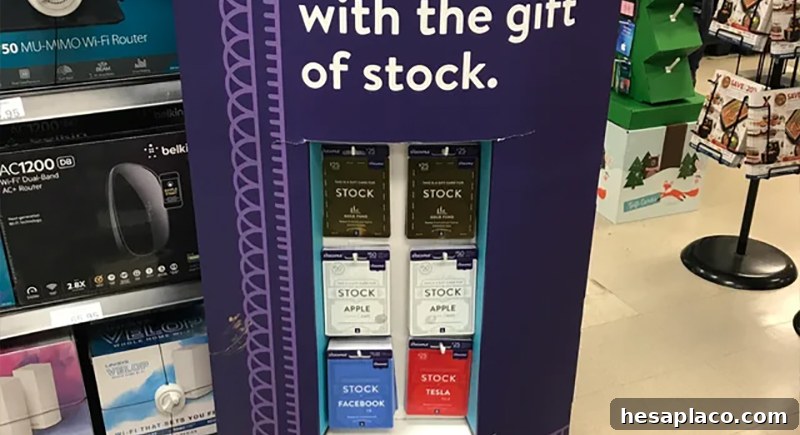
Explore Stock Gift Cards as a Path to Investing
Credit: Reddit
Some platforms sell stock or brokerage gift cards that can be purchased with a credit card. Redeeming these cards converts the value into fractional shares or brokerage deposits. This method mixes rewards earning with the start of an investment habit, but be mindful of fees and the platform’s redemption rules.
Match Cards to Your Spending Patterns

Credit: pexels
Analyze your typical spending by category—groceries, dining, travel, gas, and so on—and choose cards that reward those categories most generously. Use rotating-category cards when they align with your spending, and keep a flat-rate card for miscellaneous purchases. Timing new-card applications around planned large purchases lets you meet sign-up bonus spending thresholds without extra buying.
Time New-Card Applications Around Big Purchases

Credit: MB Lifestyle
Applying for a new card when you have a high-cost purchase lined up is an effective way to complete the required minimum spend for a bonus without additional consumption. Consider whether prepaying predictable expenses makes sense, but avoid unnecessary purchases or risking cash flow strain just to hit a bonus target.
Always Use the Best Card for Each Transaction

Credit: Canva
Memorize which card earns the most in each category and use it consistently. For example, place dining and travel spend on cards with elevated bonuses for those categories, and use a reliable flat-rate card for general purchases. Small differences in reward rates compound over time into meaningful value.
Take Advantage of Hidden Protections

Credit: Proxima Studio
Many cards include lesser-known consumer protections: purchase protection, extended warranties, price-match or price-drop benefits, and coverage for lost or damaged items. Understanding these perks—and how merchant category codes affect category bonuses—can increase the practical value of card spending and reduce purchase risk.
Combine Cards to Cover All Spending Needs
Credit: Canva
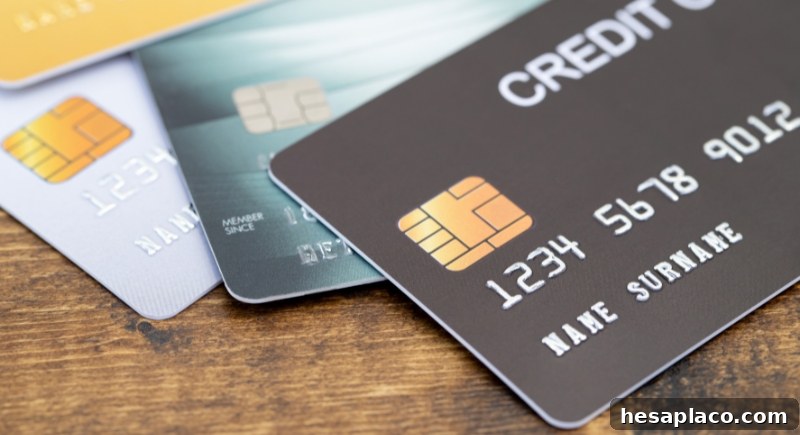
No single card is best for everything. Build a balanced portfolio: pair cards with rotating bonus categories and cards with steady flat rates, or use travel-oriented cards for trips and everyday spend cards for groceries and gas. A coherent strategy helps you collect rewards efficiently without overcomplicating finances.
Watch for Limited-Time Promotions

Credit: Getty Images
Card issuers occasionally run short-term promotions—higher reward rates, limited bonus categories, or improved sign-up offers. Stay alert and act quickly when opportunities align with your planned spending; these temporary boosts can materially increase your annualized rewards.
Practice Responsible Credit Habits for Long-Term Gain

Credit: 89Stocker
Rewards are valuable only when they don’t cost you more in interest or fees. Pay your balance in full and on time every month to avoid interest, preserve your credit score, and ensure rewards are a net positive. Treat cards as tools—never as a substitute for disciplined budgeting.
Review and Adjust Your Card Strategy Regularly

Credit: baseimage
Credit card offers, reward structures, and your own spending patterns evolve. Schedule periodic reviews of your cards and spending to confirm your lineup still matches your goals. Be willing to close or add cards when a better fit appears—but do so with an understanding of impacts on credit history and utilization.
Monitor Your Credit Utilization Ratio
Credit: Canva
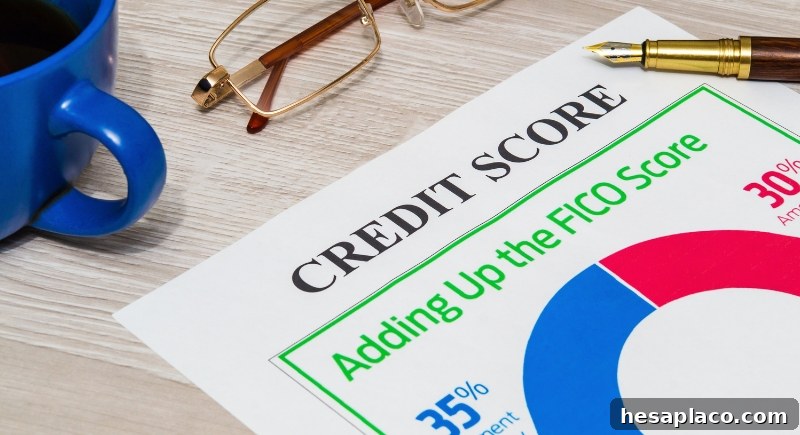
Credit utilization—the percentage of total available credit you’re using—is a major factor in credit scoring. Keeping utilization low (commonly recommended below 30%) improves your credit profile and can result in better loan and mortgage terms. Monitor this metric to maintain optimal credit health.
Ask for a Retention Offer Before Cancelling

Credit: Getty Images
If you’re thinking of canceling a card, call the issuer first. Many companies present retention incentives—bonus points, statement credits, or waived fees—to persuade you to stay. A quick conversation can sometimes convert a card you planned to drop into one that remains beneficial.
Use Price and Return Protections to Save Money

Credit: iStockphoto
Some cards include price protection or return guarantees that refund differences when a purchased item drops in price or when a merchant won’t honor a return. These protections are easy to overlook but can recover money on everyday purchases, effectively increasing the net value of the card.
Used wisely, credit cards can be powerful tools for earning rewards, protecting purchases, and improving long-term financial outcomes. The essential rules are to align cards with your spending, use promotions and protections intelligently, and always prioritize on-time, full payments to avoid interest and preserve credit health.