
You don’t need a dramatic event to lose money—most people leak cash slowly through everyday habits they barely notice. Financial commentator and YouTuber George Kamel has built an audience by highlighting those small, persistent money drains. Identifying and stopping them can make a real difference to your finances.
Unused Subscriptions
Credit: iStockphoto
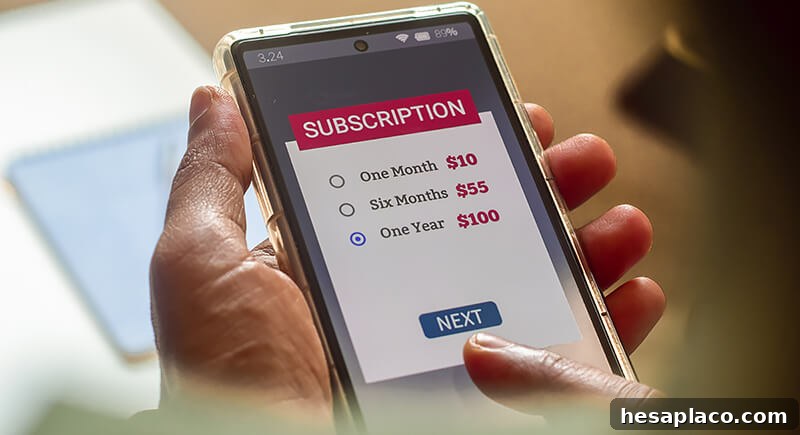
Streaming platforms, cloud storage, apps—it’s easy to sign up, forget, and keep paying monthly. Review your bank and card statements at least monthly. Even $5–$15 recurring charges add up quickly. Canceling subscriptions you no longer use can free up hundreds of dollars each year without altering your lifestyle.
Impulse Purchases

Credit: iStockphoto
Impulse buys are one of the sneakiest ways money disappears. Try a 24-hour “pause” before committing to nonessential purchases. Many items that feel urgent in the moment will seem unnecessary after a day or two, saving you from buyer’s remorse and wasted cash.
Extended Warranties

Credit: iStockphoto
Sellers often present extended warranties as sensible protection for a modest extra fee. Kamel points out that these plans are usually high-margin products for retailers and, for many buyers, a poor value. Many devices either last past the warranty period or fail within the manufacturer’s standard guarantee, so weigh the cost against the likelihood and cost of repair before saying yes.
Overdraft Fees

Credit: iStockphoto
Going just a dollar over your balance can trigger a large overdraft fee. Repeated occurrences quickly add up. Set up low-balance alerts, link an overdraft protection account, or use banks and accounts that don’t charge punitive fees. Small changes prevent giving your bank unexpected bonuses.
Credit Card Interest

Credit: iStockphoto
Carrying a balance turns a $100 purchase into a much larger bill over time. Interest is the cost of delayed payment, and avoiding it should be a priority. If you can’t pay the full statement, reconsider the purchase. Treat credit cards as financial tools, not free money.
Unused Gym Memberships

Credit: iStockphoto
Paying for a gym you never use is paying for the intention rather than the result. If your membership fee isn’t producing workouts, cancel it and find an exercise option that fits your routine—walking, at-home workouts, or pay-per-class studios—so your spending matches your actual habits.
Brand Loyalty

Credit: iStockphoto
Automatically choosing the same brands for everyday items without comparison can be costly. Store-brand alternatives are often comparable in quality while costing less. Periodically testing generic options can shave meaningful amounts off your grocery bill without sacrificing satisfaction.
Ignoring Insurance Reviews

Credit: iStockphoto
Policies for auto, home, and life insurance change frequently. If you set a policy and never revisit it, you may be overpaying. Shop around annually or when your circumstances change. Comparing rates and bundle options often uncovers better coverage or lower premiums.
Late Fees
Credit: iStockphoto
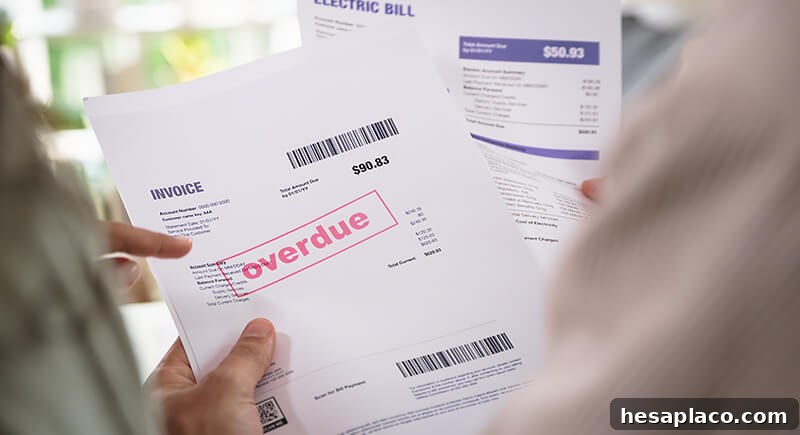
Missing a payment due date can trigger avoidable late fees and sometimes hurt your credit score. Use autopay, calendar reminders, or bill-management apps to ensure timely payments. Preventing late fees preserves both your cash and your creditworthiness.
ATM Fees

Credit: iStockphoto
Paying $3–$5 to withdraw your own money is unnecessary. Use your bank’s in-network ATMs, withdraw larger amounts less frequently, or plan ahead to avoid convenience charges. Small fees add up over time, and a little planning eliminates most of them.
Dining Out Too Often

Credit: iStockphoto
Regularly eating out can quietly deplete your budget. Occasional meals out are enjoyable, but making dining out a habit multiplies costs quickly. Cooking more meals at home and reserving restaurants for special occasions can save hundreds each month while often improving nutrition.
Neglecting Budgeting

Credit: iStockphoto
If you can’t explain where your money went last month, you likely weren’t managing it. Kamel recommends budgeting not as restriction but as freedom: a plan helps you direct funds toward goals. Even a simple budget gives control and prevents drifting into wasteful habits.
Skipping Retirement Contributions

Credit: iStockphoto
Delaying retirement savings sacrifices the power of compound interest. Missing contributions in your 20s and 30s means losing decades of growth. Even modest, consistent contributions now can grow substantially over time. Start where you are and increase contributions as you can.
Not Shopping Around

Credit: iStockphoto
Buying the first option you see—whether a phone, mattress, or appliance—often means overpaying. Comparison shopping is a simple way to save. Spending a little time to compare prices and features can lead to significant savings over larger purchases.
Falling for Flash Sales

Credit: iStockphoto
Urgent-sounding promotions pressure you to buy things you didn’t plan for. If you wouldn’t pay full price for an item, a “discount” isn’t really a win. Avoid impulse buys triggered by artificial scarcity and stick to purchases that fit your plan.
Buying in Bulk Just Because It’s on Sale

Credit: Getty Images
Bulk deals can feel like a victory until unused items expire or spoil. Buying more than you can use turns a perceived discount into wasted money. Purchase in quantities that match your consumption to avoid clutter and food waste.
Not Moving Cash to a High-Yield Savings Account
Credit: Getty Images
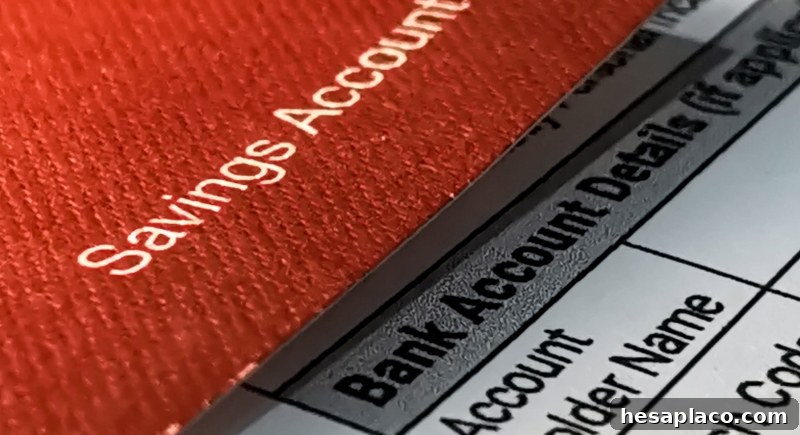
Leaving a significant cash balance in a low-interest checking account means missing out on easy earnings. High-yield savings accounts often offer substantially higher rates while keeping funds accessible. Over a year, the difference in interest can feel like finding money you didn’t know you had.