
Have you ever noticed prices creeping up at the store and wondered why? Tariffs are a frequent, often unseen reason. When governments impose import duties or trading partners retaliate, costs ripple through supply chains and raise prices for consumers. Below is a clear look at the industries most affected by tariffs and how those added costs translate into higher retail prices, supply disruptions, and strategic shifts within businesses.
Pharmaceuticals

Credit: Getty Images
Many active pharmaceutical ingredients (APIs) and intermediate components are manufactured overseas. New tariffs on these inputs can reduce supply, raise production costs for drug makers, and push up prescription and over-the-counter medication prices. That can also complicate hospitals’ and clinics’ access to essential treatments and strain inventory planning.
Electronics Manufacturing
Credit: flickr
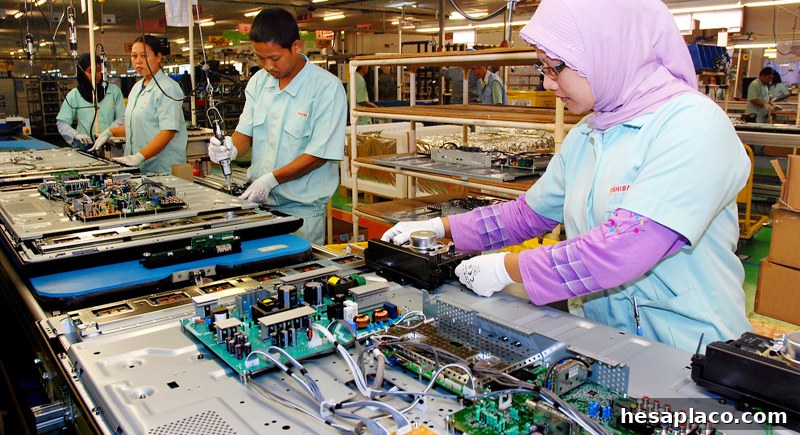
Circuit boards, microchips, displays and other critical components often come from Asia. Tariffs on these imports increase manufacturing costs, which are commonly passed on to consumers as higher prices for smartphones, laptops, TVs and household gadgets. Producers also face inventory delays and must weigh nearshoring or changing suppliers to reduce exposure.
Agriculture

Credit: pexels
Retaliatory tariffs on U.S. farm exports—soybeans being a notable example—can cost farmers market share and income. Other countries may fill the gap, shifting global trade dynamics. At the same time, tariffs on imported farm machinery, parts and fertilizers increase operating costs, squeezing margins for producers and potentially raising food prices.
Big Box Retailers

Credit: Wikimedia Commons
Large retailers that import everyday consumer goods feel the impact of duties quickly. Increased costs for bulk items—from paper products to packaged foods—can lead to higher shelf prices. To manage exposure, many retailers are diversifying sourcing and shifting some production closer to home, such as to Mexico, to minimize tariff risk and shorten supply chains.
Steel and Aluminum
Credit: Canva
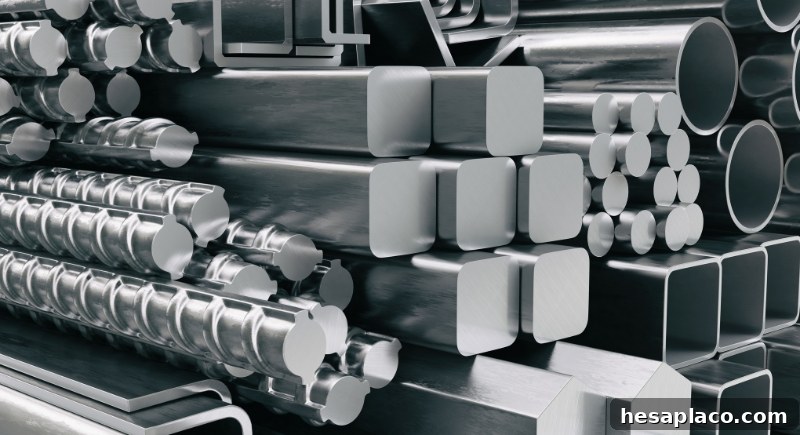
Tariffs on imported steel and aluminum raise material costs for downstream industries like construction, appliances and automotive manufacturing. Higher input prices compress profit margins, delay projects, and are often reflected in higher prices for finished goods—from refrigerators to new buildings.
Fashion and Apparel

Credit: pixabay
A large proportion of U.S. clothing is produced in lower-cost markets like China and Vietnam. Import duties—sometimes reaching high percentages—raise wholesale costs. Retailers may raise prices or accept lower margins, so consumers can expect higher costs for shoes, basics and seasonal lines that depend on overseas production.
Automotive Industry
Credit: Getty Images
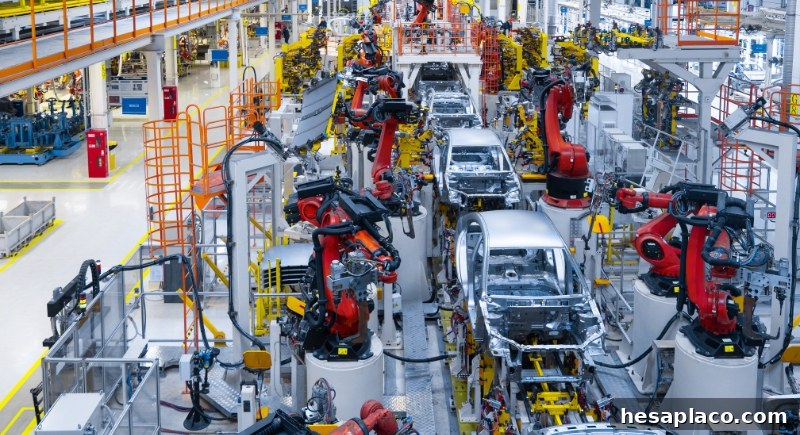
Vehicles rely on complex global supply chains for engines, electronics and parts. Tariffs on imported components can increase manufacturing costs and may add thousands to vehicle sticker prices. That makes new cars pricier for buyers and can weaken the competitiveness of manufacturers on the global stage.
Technology Sector
Credit: freepik
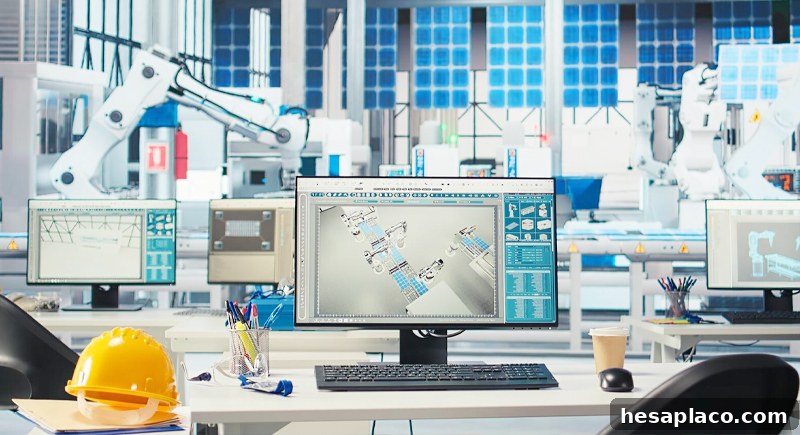
Semiconductors, batteries and other technology components are often sourced internationally. Tariffs raise input prices, slow production timelines, and can hinder investment in new technologies. Companies may reconfigure supply chains or invest in domestic production, but those shifts take time and add near-term costs.
Renewable Energy

Credit: Getty Images
Tariffs on solar panels, wind turbine components and related parts make renewable projects more expensive to build. Analysts estimate that some wind projects could see meaningful cost increases, which can slow deployment and raise the price of clean energy until production adapts or domestic manufacturing ramps up.
Plastic and Packaging

Credit: Canva
Raw plastics and packaging materials are commonly imported from neighboring countries. Tariffs on these inputs increase production costs for food, consumer goods and retail packaging. Businesses must either absorb higher costs or pass them to customers, which can lead to higher grocery and retail prices.
Chemical Industry

Credit: Getty Images
Chemicals and specialty compounds are widely traded across borders. Tariffs on base chemicals inflate costs for downstream users—from coatings and adhesives to consumer cleaning products—affecting pricing across many sectors and complicating sourcing decisions for manufacturers.
Aerospace Industry
Credit: Canva
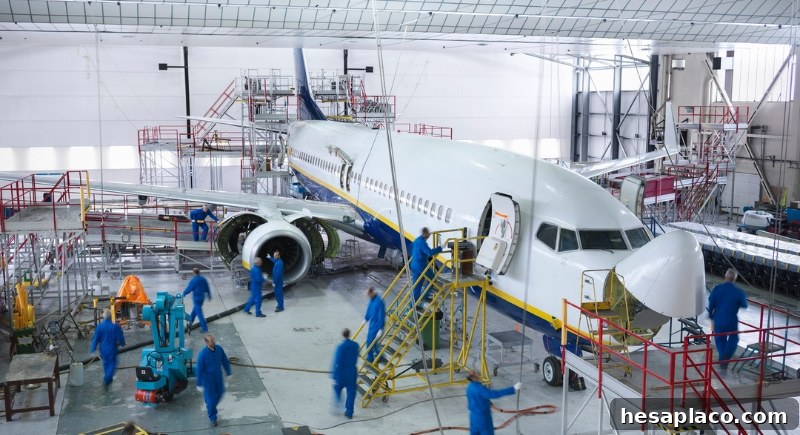
Counter-tariffs and trade disputes can raise costs for aircraft manufacturers and suppliers, affecting competitiveness in global markets. Higher tariffs on aerospace components risk increasing aircraft prices and could result in lost contracts, particularly in competitive regions like Europe and Asia.
Industrial Equipment

Credit: Getty Images
Heavy machinery for agriculture, mining and manufacturing often incorporates imported components or is imported itself. Tariffs on these goods can raise equipment costs significantly, forcing businesses to increase capital expenditure budgets, delay purchases, or extend maintenance cycles.
Telecommunications Equipment
Credit: pixabay
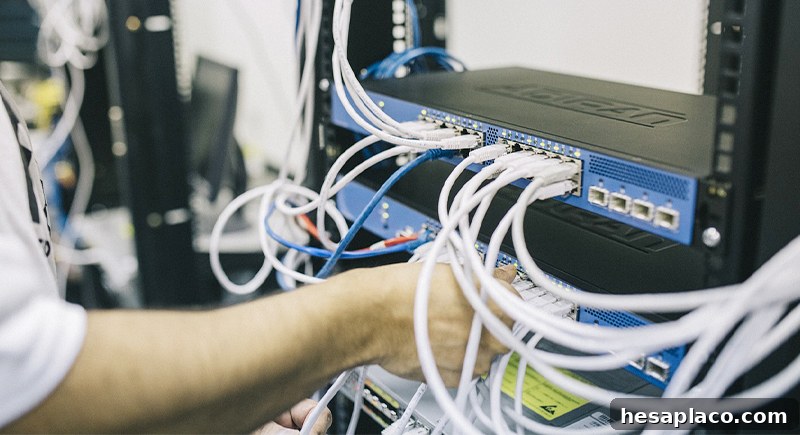
Network infrastructure depends on imported routers, towers and specialty equipment. Tariffs that add 10–15% to procurement costs can delay 5G deployments and increase ongoing operational expenses. In the near term, telecom providers face higher capital costs and the possibility of higher consumer service fees.
Mineral Oils and Fuels
Credit: Getty Images
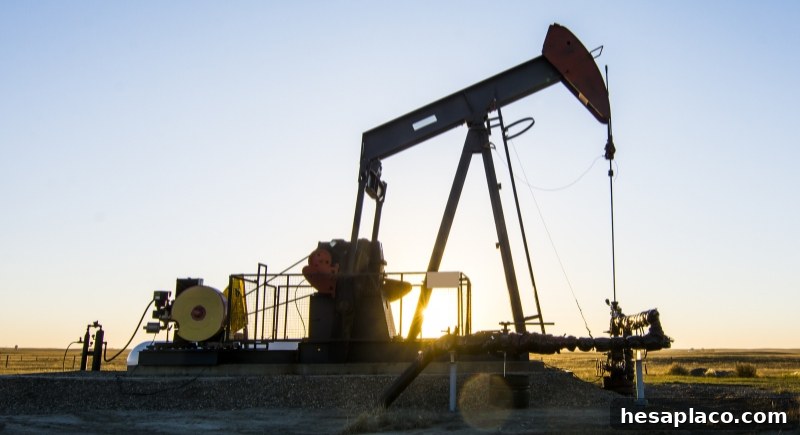
Energy trade with neighboring suppliers is vital to fuel and heating markets. Tariffs on oil or refined products can push up gasoline and heating costs for consumers, where even modest per-gallon increases compound into significant yearly household expenses.
Toy Industry
Credit: iStockphoto
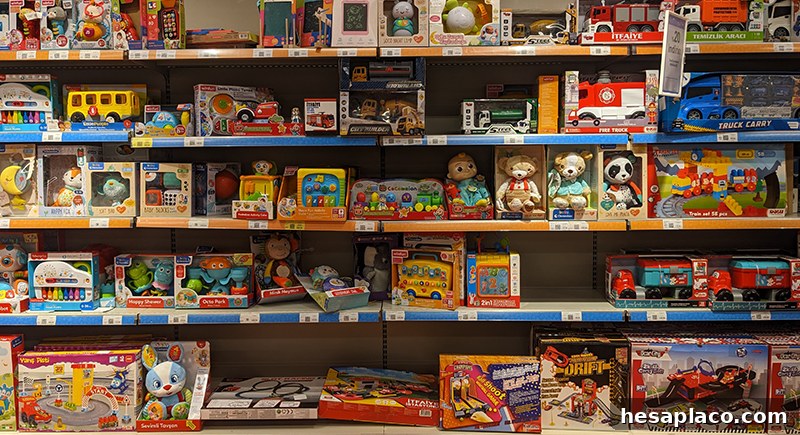
Because much toy manufacturing occurs overseas, tariffs on imported toys raise costs for manufacturers and retailers. Those costs often result in higher shelf prices or reduced margins, making it harder to keep prices low for consumers year-round.
Beverage Packaging
Credit: iStockphoto
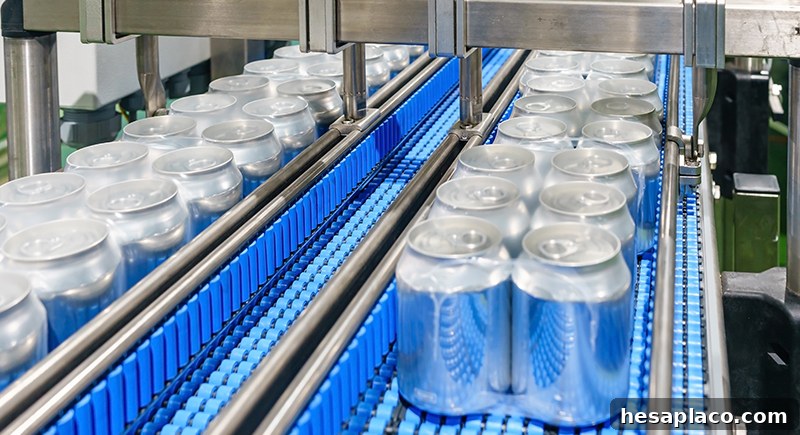
Tariffs on aluminum, steel and other packaging materials increase production costs for beverage makers. Higher can and container prices are frequently passed through to consumers, contributing to gradual increases in the retail price of sodas, juices and bottled waters.
In short, tariffs can change the economics of nearly every sector that relies on global inputs or export markets. The immediate effects are higher costs and disrupted supply chains; longer-term responses include supply diversification, nearshoring, and investment in domestic production—each with their own costs and timelines. Understanding which industries are most exposed helps consumers, businesses and policymakers anticipate where price pressure and supply constraints are likely to show up next.