
In today’s digital world, scams have grown more advanced and damaging. Recent trends show a marked increase in financial fraud, with victims losing substantial sums. Knowing how these scams work and how to spot them is essential to protect your money and personal information.
Pig Butchering Scams

Credit: pexels
Pig butchering scams began in China around 2016 and accelerated during the COVID-19 pandemic. Fraudsters cultivate long-term relationships via social media, messaging apps, or dating platforms to earn trust. Once that trust is established, they push fake investment schemes—often involving cryptocurrency—urging victims to invest large sums. After money is transferred, access is cut off and the funds disappear. In 2024, these scams were responsible for a large share of reported crypto fraud, demonstrating how convincing and costly they can be.
AI Voice Cloning Scams

Credit: Canva
Advances in artificial intelligence have enabled realistic voice cloning. Scammers use this technology to imitate a trusted person—such as a family member or bank official—to request money or confidential details. The impersonation often sounds so authentic that victims comply without suspecting fraud, resulting in serious financial losses and emotional shock.
Digital Arrest Scams

Credit: Canva
In digital arrest scams, callers impersonate law enforcement or government agents and accuse victims of serious crimes such as money laundering or cyber offenses. They threaten immediate legal action unless the victim transfers funds or shares sensitive information. These schemes have been especially damaging in some regions, causing both financial loss and severe distress.
Fake Job Offers and Work-From-Home Scams

Credit: Canva
With remote work in demand, scammers post fake job listings to lure applicants. Targets are asked to pay upfront fees for training, equipment, or background checks; after payment, the job never materializes. These scams not only cause financial harm but can also expose personal data for further misuse.
Investment Scams

Credit: Canva
Investment scams are increasingly sophisticated, frequently employing AI, polished websites, and deepfake content to create credible-sounding opportunities. Perpetrators promise high returns with little or no risk to coax substantial investments. In reality, the ventures are bogus, and victims are left with major financial losses.
Social Media Marketplace Scams

Credit: pexels
Online marketplaces and social platforms are fertile ground for fraud. Scammers post attractive listings for sought-after items, collect payment, and then fail to deliver. These schemes prey on buyers seeking bargains and often exploit limited buyer protections across platforms.
QR Code Scams

Credit: Canva
Fraudsters exploit the convenience of QR codes by placing malicious codes in public places or within emails and posters. Scanning an unsafe QR code can direct you to phishing sites, trigger malware downloads, or prompt fraudulent payments. Verify the source before scanning and use trusted apps when possible.
Romance Scams

Credit: pexels
Romance scams involve fake profiles on dating sites or social platforms where scammers develop emotional relationships with victims. Over time, they invent crises or emergencies and ask for money, gifts, or transfers. The consequences include both financial loss and deep emotional harm.
Lottery and Prize Scams
Credit: Canva
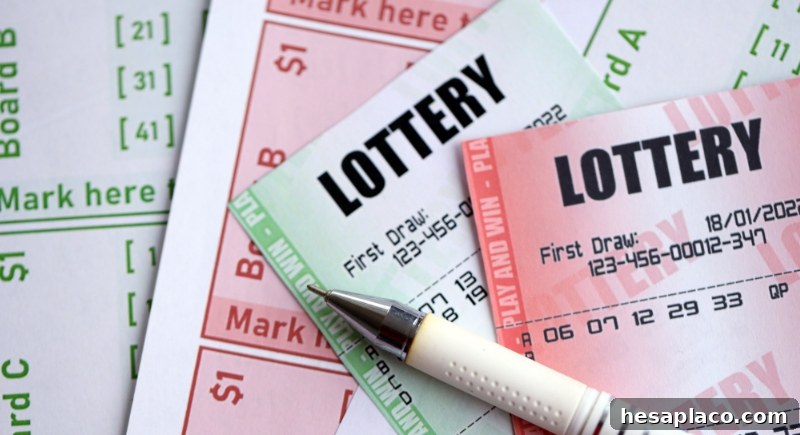
Scammers notify victims that they’ve won a lottery or prize but must pay fees, taxes, or processing charges to claim it. These upfront demands are fraudulent; no prize exists, and payment information is harvested for theft or resale.
Debt Relief and Credit Repair Scams

Credit: Getty Images
Companies or individuals promise to fix credit scores or lower interest rates in exchange for an upfront fee. After receiving payment, many provide no meaningful service and disappear, leaving victims still struggling with debt. Always research providers thoroughly and consult trusted financial advisors before paying for such services.
Charity Scams

Credit: pexels
Fraudsters take advantage of people’s generosity by creating fake charities or impersonating established organizations, particularly after disasters or during holidays. Donations may be redirected to personal accounts rather than those in need. Before donating, confirm the charity’s registration and reputation.
Account Takeover and New Account Fraud

Credit: Getty Images
Scammers obtain login credentials or personal details to hijack existing accounts or create new ones under stolen identities. They then make unauthorized purchases, transfer funds, or open credit lines, causing financial harm and damaging victims’ credit histories. Strong passwords, multi-factor authentication, and regular account monitoring help reduce this risk.
Subscription Renewal Scams

Credit: Canva
Scammers send fake renewal notices for services you don’t remember subscribing to, often including malicious links or requests for payment information. These messages can lead to unauthorized charges if followed. Verify subscription status directly with the service provider rather than clicking embedded links.
Fake Delivery Scams

Credit: Getty Images
These scams use false courier messages to prompt recipients to click links or provide personal details, often claiming a delivery is delayed or needs confirmation. Clicking such links can expose you to phishing pages or malware. When in doubt, contact the courier directly using verified contact information.
Parking Fine Scams

Credit: Canva
Fraudulent parking fine notices direct victims to counterfeit payment portals that collect card details for theft. Always verify fines through official municipal or parking authority websites before paying, and be wary of unexpected emails or texts demanding immediate payment.
“Phantom Hacker” Scams

Credit: Getty Images
In this scam, a caller claims hackers have already accessed your bank account and offers to help by transferring money into a so-called safe account. The sense of urgency and fear compels victims to act quickly, but the threat is fabricated and the scammer ends up siphoning the funds.
Tap-to-Pay Charity Fraud

Credit: pexels
Scammers use portable card readers and emotional appeals to solicit contactless donations for fake causes. The payment appears instant and generous, but the funds are routed to personal accounts rather than legitimate organizations. Always confirm the charity’s identity and, when possible, donate through official channels.
Scams evolve constantly, but several core precautions help reduce risk: verify the identity of anyone who asks for money or personal data, use strong authentication and up-to-date security software, research offers and organizations before transferring funds, and report suspicious activity to your bank or local authorities. Staying informed and cautious is the best defense against fraud.