
Getting a tax refund can feel like an unexpected bonus to your bank account. While it’s tempting to treat it like free money, pausing to plan can make that refund work much harder for you. Instead of an impulse purchase, consider using the refund to strengthen your finances, build future security, or invest in experiences that matter.
Below are practical, smart ways to use your tax refund so it delivers long-term value while still leaving room for enjoyment.
Tackle High-Interest Debt First

Credit: pexels
Reducing credit card balances or other high-interest debt is one of the fastest ways to improve your financial picture. Interest rates on such debt can quietly erode your earnings. Paying off the highest-rate accounts first saves you the most money over time, while the snowball method—paying smallest balances first—can provide quick psychological wins that help you keep momentum.
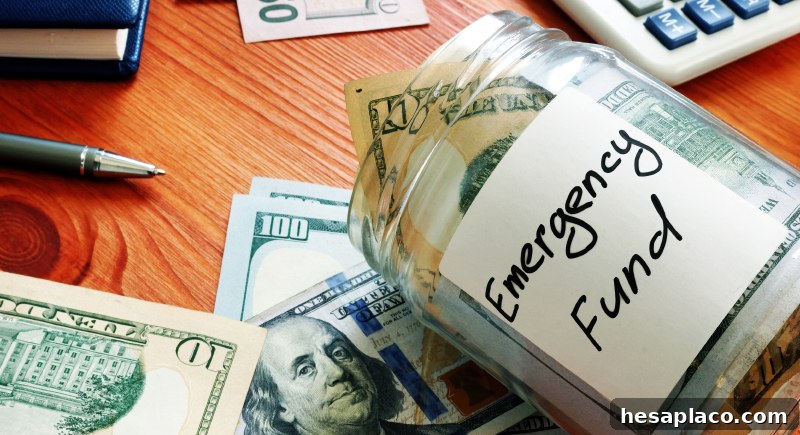
Build an Emergency Fund
Credit: iStockphoto
Even a modest emergency fund can prevent future financial stress. Use part of your refund to cover one month’s expenses, then aim to grow it to three to six months over time. Keep the money in a high-yield savings account where it’s accessible when you truly need it, rather than tempting you for everyday spending.
Give Retirement a Boost

Credit: pexels
Putting a portion of your refund into a retirement account, such as an IRA, takes advantage of compound interest and tax-advantaged growth. Even small contributions add up over the years. Check current contribution limits and consider increasing automatic contributions so your future self benefits without ongoing effort.
Start Saving for Education

Credit: pexels
Education costs keep rising, so starting early makes a difference. Adding even a small amount of your refund to a 529 plan or other education savings account can grow tax-free for qualified withdrawals. Parent-owned accounts typically have favorable treatment on financial aid forms compared with student-owned assets.
Make Extra Mortgage Payments

Credit: pexels
Applying a refund toward your mortgage principal or making an extra payment each year can reduce the loan term and save thousands in interest. Even modest extra payments reduce principal faster and accelerate your path to owning your home outright.
Fund a Side Hustle

Credit: pexels
If you’ve been thinking about starting a side business, your refund can cover initial costs: a simple website, tools, supplies, or a short course to sharpen skills. You don’t need a full business plan at day one—just a budget to test ideas and build momentum without risking your main income.
Invest in Energy-Efficient Home Upgrades

Credit: pexels
Small home improvements—like replacing an old appliance with an energy-efficient model, sealing drafts, or replacing a leaky window—can reduce utility bills and increase comfort. These projects often pay back over time through lower expenses and can add to your home’s value.
Use an HSA If Eligible

Credit: iStockphoto
If you have a high-deductible health plan, contributing to a Health Savings Account (HSA) offers triple tax benefits: contributions are tax-deductible, the account grows tax-free, and qualified medical withdrawals are tax-free. Using part of your refund to max out or add to an HSA can be a tax-smart move.
Invest in Learning and Skills

Credit: pexels
Using a refund to pay for a course, certification, or training can increase your earning potential or open new career paths. Investing in skills often yields returns that exceed the initial cost, and in some cases professional development expenses can also affect your tax situation favorably.
Split Your Refund

Credit: pexels
If you’re torn between saving, investing, and enjoying life, the IRS lets you split your refund among multiple accounts. Allocate a portion to an emergency fund, another to investments or retirement, and keep a small amount for fun. A balanced approach helps you meet short-term needs and long-term goals.
Help a Child Start Saving

Credit: pexels
If your child has earned income, consider helping them open a Roth IRA. Early contributions give their savings the maximum time to compound tax-free. Even small amounts invested when they are young can grow significantly by the time they reach adulthood.
Donate to Causes That Matter

Credit: pexels
Charitable giving can create meaningful impact in your community and may provide tax benefits. Choose organizations aligned with your values—smaller local groups often stretch donations further. Giving can be both personally rewarding and strategically useful during tax season.
Start Investing Gradually

Credit: pexels
If you’re new to investing, consider placing part of your refund into broad-based index funds or ETFs. These options offer diversified exposure and are suitable for money you won’t need in the short term. Start small, stay consistent, and focus on long-term goals rather than market noise.
Buy Term Life Insurance

Credit: pexels
If you haven’t yet arranged for life insurance and have dependents, using your refund to buy a term policy can provide significant peace of mind. Term life insurance is relatively affordable when you’re young and healthy and can give your family financial stability in case of the unexpected.
Spend on Experiences Rather Than Things

Credit: pexels
After you’ve addressed financial priorities, treat yourself to memorable experiences rather than more material items. A weekend trip, a special outing, or tickets to a live event often provide longer-lasting happiness than a new gadget.
Pre-pay Insurance to Ease Monthly Bills

Credit: Canva
Using your refund to pre-pay a few months of health, auto, or home insurance can reduce monthly strain and sometimes secure a small discount. This practical move smooths cash flow in the months ahead and reduces bill-related stress.
Consider a High-Yield CD for Safe Growth

Credit: iStockphoto
For conservative savers who don’t need immediate access to the funds, a high-yield certificate of deposit (CD) can offer a better return than a traditional savings account without market risk. Keep in mind CDs often penalize early withdrawals, so lock in funds only if you’re comfortable leaving them untouched for the term.
Ultimately, how you use your tax refund depends on your financial priorities. Whether you pay down debt, save for a rainy day, invest in the future, or spend intentionally on experiences, thoughtful choices now can deliver benefits far beyond the immediate payoff.