
Medical bills are quietly becoming one of the most damaging financial burdens for older Americans. Even with insurance, many retirees watch their savings evaporate because of high deductibles, unclear coverage, surprise charges, and a billing system that seems designed to confuse.
Below we highlight the states where retirees are feeling the financial strain most acutely when it comes to healthcare, using recent trends and projected figures to paint a clearer picture of the problem.
South Dakota

Credit: Getty Images
Rural retirees in South Dakota face some of the steepest medical costs in the country. Projected 2025 data indicates that about 17.7% of adults will carry medical debt—the highest share among states. With hospitals sparse across wide areas, even routine care often requires long travel and significant out-of-pocket spending that insurance does not always cover.
Mississippi

Credit: Getty Images
Mississippi’s decision not to expand Medicaid has left many older residents in a difficult gap: too well-off to qualify for assistance, but not financially secure enough to avoid debt. Around 15.2% of adults are expected to carry medical debt, driven by limited access, high costs, and relatively poor health outcomes statewide.
North Carolina

North Carolina
Although North Carolina has taken steps to expand Medicaid coverage, many retirees still fall through the cracks. About 13.4% of adults are projected to owe money for healthcare. In many cases, relatively routine care can lead to collections, and the average balances are large enough to threaten retirement security.
Arkansas

Credit: Getty Images
Medical debt in Arkansas affects nearly one in five residents. In 2022, about 17.8% of people had medical bills in collections. A combination of rural infrastructure gaps and high rates of chronic illness means many retirees—despite having insurance—still confront large deductibles and recurring surprise charges.
Indiana

Credit: Getty Images
Indiana allows creditors to pursue medical debt for up to six years. With roughly 16% of families having accounts in collections and the state carrying over $2.2 billion in medical debt, retirees often face long-term financial pressure from hospital bills and other healthcare expenses.
West Virginia

Credit: Getty Images
With about 13.3% of adults carrying medical debt—well above the national average—West Virginia’s retirees deal with fewer providers and higher chronic illness rates. Those factors contribute to delayed care, exhausted savings, and credit card use to cover medical expenses.
Georgia

Credit: Getty Images
While urban centers in Georgia offer more healthcare options, rural areas remain underserved and costly. Approximately 12.7% of adults are in medical debt. Many retirees face long drives to access care, and when services are available, costs often exceed what Medicare or supplemental policies cover.
Kentucky

Credit: Getty Images
Despite early Medicaid expansion, about 12% of Kentucky adults still report medical debt. Surprise hospital charges and treatments not fully covered under retirement-age plans are common causes; for seniors on fixed incomes, these unexpected bills can remain in collections for years.
South Carolina

Credit: pexels
Up to 11.7% of South Carolina’s adults report medical debt. The state has struggled to maintain healthcare infrastructure in rural areas, causing retirees to travel long distances for specialists or face billing mistakes that delay payments and harm credit over the long term.
Tennessee

Credit: Getty Images
Tennessee has a notable history of medical debt appearing on credit reports—at one point, 22% of residents with credit reports had medical debt. Although there are ongoing efforts to prevent hospitals from denying care over unpaid bills, many older adults have already experienced financial setbacks from sudden emergency visits.
Louisiana

Credit: Getty Images
Older adults in Louisiana are contending with nearly $2 billion in medical debt—an amount that outstrips some municipal budgets. High poverty rates and poor health indicators amplify out-of-pocket costs for seniors, even when they have insurance coverage.
Texas

Credit: Getty Images
Texas has the highest uninsured rate in the nation, and many near-retirees enter Medicare carrying a backlog of unmet healthcare needs. In 2023, 21.7% of adults aged 19–64 lacked coverage, which often translates into larger bills and greater financial stress when care is eventually sought.
Alabama

Credit: Getty Images
Many Alabama retirees fall into a gap where they don’t qualify for Medicaid but cannot afford robust private plans. Chronic illness, confusing billing, and a lack of affordable care create long-term financial pressure; over 100,000 residents lack access to affordable healthcare despite clear medical need.
Oklahoma

Credit: Wikimedia Commons
Oklahoma has recently moved to better protect residents from aggressive collection practices, but about 8.8% of adults already carry medical debt. Delays in Medicaid expansion and elevated hospital costs have made borrowing for healthcare a common strategy to stay afloat.
Florida
Credit: pexels
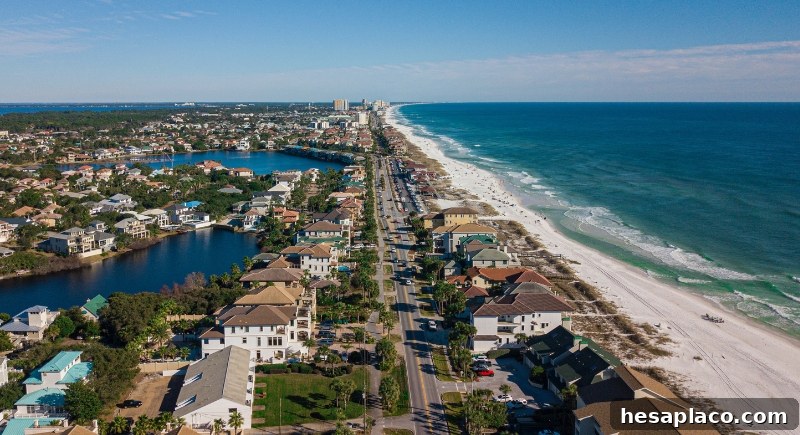
Florida’s aging population faces a distinct issue: substantial medical debt despite widespread insurance coverage. While only about 6.6% have medical debt in collections, the median balance—roughly $1,593—shows how even a single episode of care can deal a meaningful financial blow. Proposed changes to shorten collection windows could help, but many seniors have already experienced credit and savings damage.
Nevada

Credit: pixabay
In Nevada, a sizable portion of residents are uninsured or underinsured, leaving retirees vulnerable when routine procedures or unexpected care arise. The combination of coverage gaps and rising healthcare costs has increased financial pressure on older adults across both urban centers and rural counties.
New Mexico

Credit: Getty Images
High poverty levels and limited medical infrastructure in New Mexico leave many retirees exposed to debt. Even with insurance, restricted provider access and lengthy wait times can delay care, worsen conditions, and increase costs. The financial effects are often undercounted but are felt deeply by affected families.
Wyoming

Credit: Getty Images
Wyoming retirees often must drive for hours to see a specialist and then face a bill that can exceed the cost and stress of the trip. Sparse hospital networks and reliance on regional systems raise travel and treatment costs. While Medicare helps cover some expenses, gaps remain and a single unexpected scan or outpatient procedure can disrupt a tight retirement budget.
Missouri

Credit: Getty Images
Missouri retirees contend with a difficult mix of hospital charges, prescription costs, and recurring medical debt. Collection notices are common, and rural counties face provider shortages while urban areas often have higher treatment prices. As a result, many seniors postpone follow-up care because even a single visit can stretch an already limited budget.