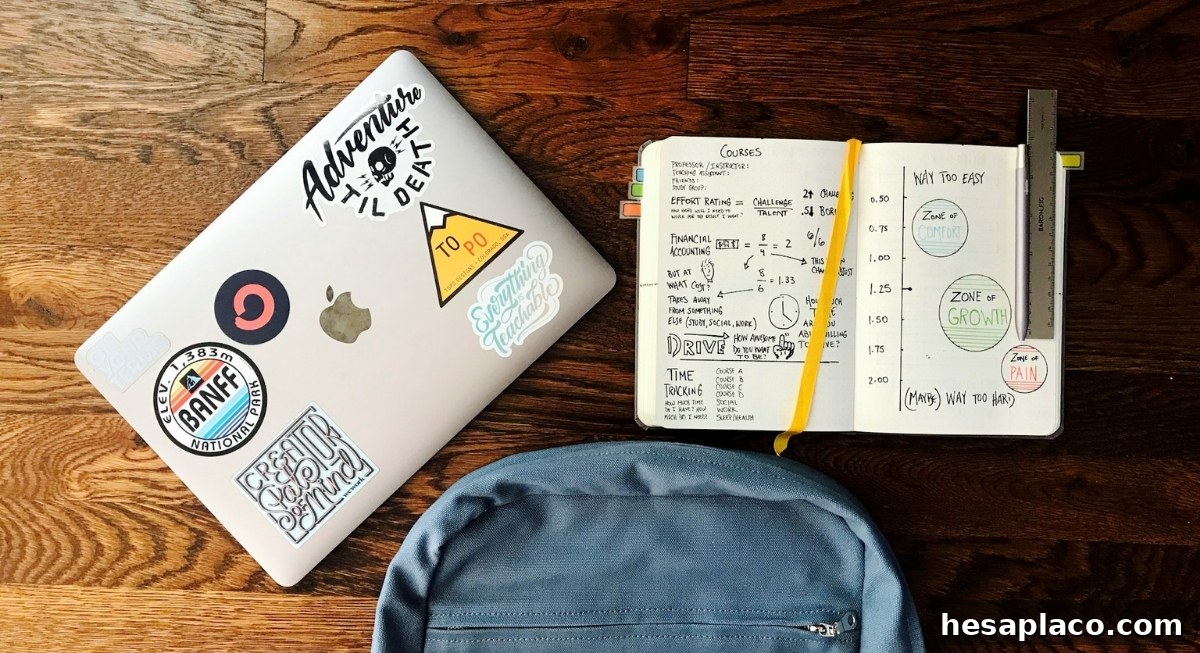
The final stretch of summer — the back-to-school season — has arrived, bringing the familiar rituals of new backpacks and sharpened pencils. But this year, the shopping rush comes with a sharper financial edge. Families nationwide are finding that costs are higher than before, forcing changes in what they buy and how they budget. Surveys and market reports show parents making difficult trade-offs, revising spending plans, and rethinking their approach to the season.
Rising tariffs, shrinking real wages, and the steady climb in required school tech have all added pressure to already elevated expenses. For many households, this season isn’t about extras or splurges; it’s about deciding which essentials can be afforded and which must be deferred. Retail research, consumer finance data, and market analysis describe a pattern of earlier shopping, tighter budgets, and creative cost-saving strategies. The result is a back-to-school season that’s more measured, more strategic, and far less carefree. Below is how families are adapting.
Budgets Under Pressure

Image via Unsplash/Clay Banks
Reports show a split in spending patterns by income level, but a common thread of caution runs through all households. Deloitte’s annual survey estimates K–12 spending at $30.9 billion, with average spending per student slipping slightly to about $570. Notably, lower-income households (those earning $50,000 or less) plan to spend about 10 percent more than last year, not because they’re buying more items but because those basics now cost more.
Middle-income households say they will cut roughly 7 percent from last year’s spending, while higher-income families plan to reduce spending by about 9 percent, often attributing the change to economic uncertainty. A separate study from Intuit Credit Karma finds that 44 percent of parents expect to carry debt to cover supplies this year, a rise of 10 percentage points compared with 2024.
Tariffs on imported goods, some approaching 50 percent, are already pushing up prices on backpacks, clothing, and notebooks. Nearly four in ten parents report they can’t afford back-to-school shopping without making sacrifices elsewhere — frequently by cutting grocery spending or forgoing extracurricular activities to cover essential items.
Shifting Priorities

Image via Unsplash/Keagan Henman
How families allocate their budgets reveals changing priorities. Spending on electronics is declining as parents extend the life of devices and postpone upgrades. By contrast, clothing spending has risen about 6 percent, reaching $13.4 billion this season. That increase is less about fashion and more about social expectations at school: a new outfit for the first day has become a near-essential for many students, even when other items like backpacks and lunchboxes are reused.
School supplies themselves now represent a smaller portion of overall spending — roughly 16 percent — turning them into pragmatic purchases rather than the centerpiece of back-to-school shopping. Retailers are responding to these shifts. Big-box stores still attract the largest share of shoppers, especially in the $100–$300 spending range, while department stores and local retailers have picked up market share. Higher spenders, those budgeting $800 or more, are increasingly shopping online or seeking out local specialty stores for premium electronics and specialized gear.
Sales cycles have stretched out, too. Instead of centering on a single August shopping surge, families hunt for value as early as June and treat September as a last chance to buy needed items on sale.
The Bigger Picture

Image via Unsplash/Deleece Cook
These adjustments reflect broader shifts in household finances driven by inflation, policy changes, and evolving school expectations. Tariffs may trigger further price increases later in the year, affecting not only supplies but extracurricular expenses and clothing. Analysts warn that if these pressures continue, the financial strain now concentrated on lower- and middle-income families could extend to higher-income households.
For some families, affording pencils and sneakers means cutting food budgets or dropping after-school programs. For others, it means restructuring purchases and pacing spending to manage cash flow. What’s consistent is a heightened awareness of every dollar spent: parents are carefully balancing necessity and affordability. The back-to-school season has become a months-long operation of planning and prioritizing as families work to prepare their children for the first day without breaking their budgets.