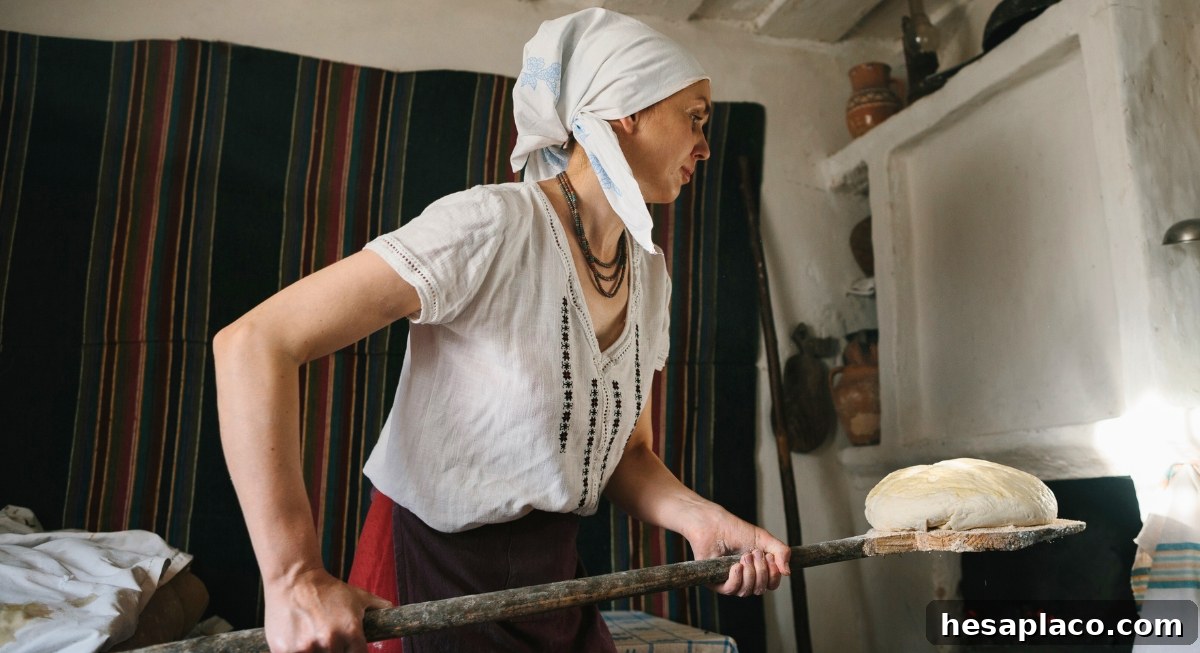
When most people picture Amish life, they imagine farming, horse-drawn buggies, and quilting. Yet within Amish communities, women play many roles that blend tradition with entrepreneurship and practical skill. They run small businesses, craft specialty goods, teach, cook, and shape everyday community life in ways that might surprise outsiders. Below are ten jobs Amish women commonly perform—work rooted in heritage but adapted to modern needs.
Crafting Prayer Coverings
Credit: Canva
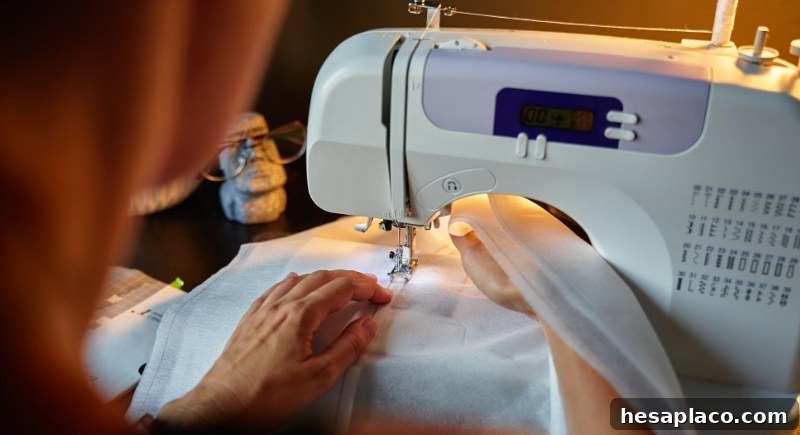
Many Amish women sew kapp coverings—modest head coverings worn daily as an expression of faith. These items are often produced with meticulous care and sold locally in small batches. Demand can be high: younger women sometimes line up early to purchase a freshly made covering. Beyond being a garment, each piece represents a living tradition, hand-sewn by women who preserve both technique and meaning.
Turning Wood Into Game Boards

Credit: Canva
Amish women often create the wooden game boards used for family recreation. They cut, sand, paint, and finish boards sturdy enough to last for years. Some boards are sold to visitors at roadside stands or local shops, while others remain in households as heirlooms passed down through generations.
Baking With a Twist
Credit: Getty Images
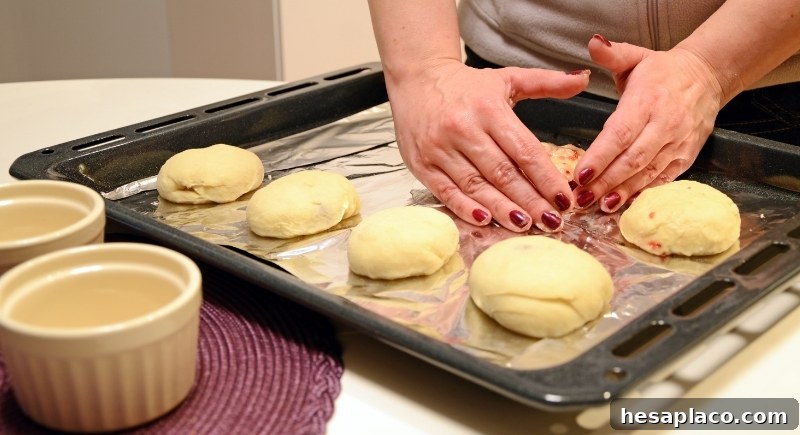
Amish kitchens are famous for pies, sticky buns, and other baked goods. In recent years, some women have adapted traditional recipes to meet dietary needs—creating gluten-free or allergy-friendly versions that retain authentic flavor. These specialty items attract buyers from both inside and outside the community, showing how traditional baking can meet contemporary demand.
Teaching in One-Room Schools

Credit: Getty Images
Many Amish women serve as teachers in community-run one-room schoolhouses. These classrooms welcome children of multiple ages and grade levels, from early reading to practical math. Without modern technology, teachers rely on traditional methods, patience, and strong classroom management to ensure each child learns the basics and gains practical skills.
Cheese Making at Home
Credit: iStockphoto
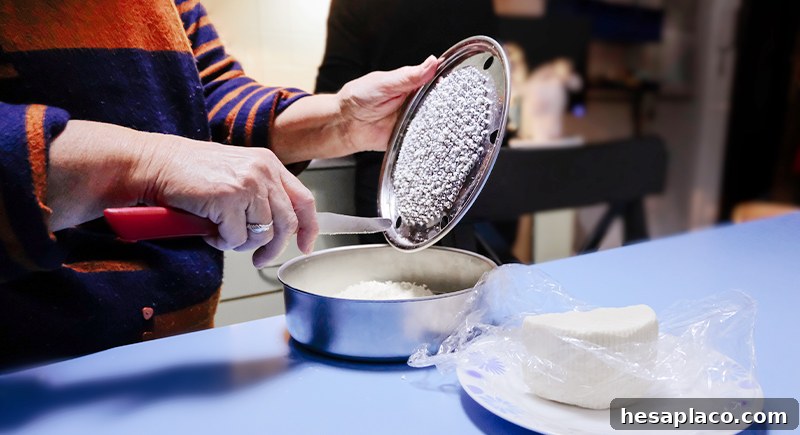
Farmhouse kitchens often produce blocks of cheese sold at roadside stands or local markets. Women who make cheese transform fresh milk into a range of cheeses through hands-on processes that require timing, cleanliness, and experience. These handcrafted cheeses are a staple of local food economies and a testament to traditional culinary skill.
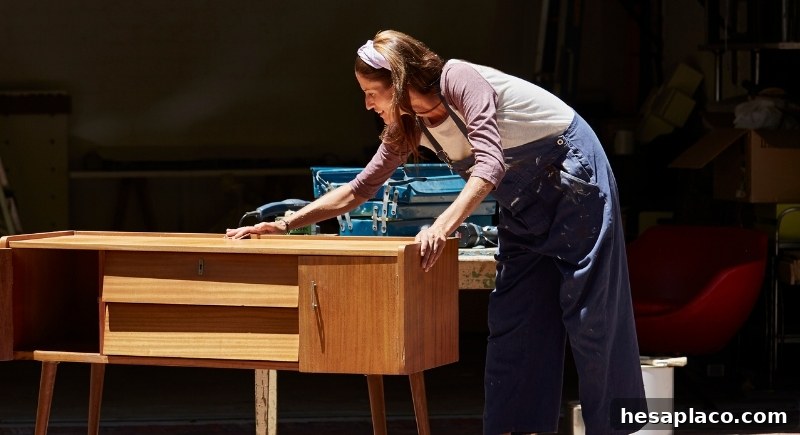
Finishing Fine Furniture
Credit: Getty Images
When furniture is built in an Amish workshop, women often handle the final finishing—staining, sanding between coats, and applying protective finishes. Their attention to detail prevents streaks and uneven coverage, giving each piece the smooth, durable finish for which Amish furniture is known. This finishing work is essential to the product’s longevity and aesthetic appeal.
Running Shops From Home

Credit: Getty Images
Many women operate small shops out of spare rooms or outbuildings. These home-based stores sell fabrics, baked goods, preserves, and handmade items. They function as practical retail spaces and community hubs where neighbors stop for supplies, conversation, and connection, keeping local trade vibrant and personal.
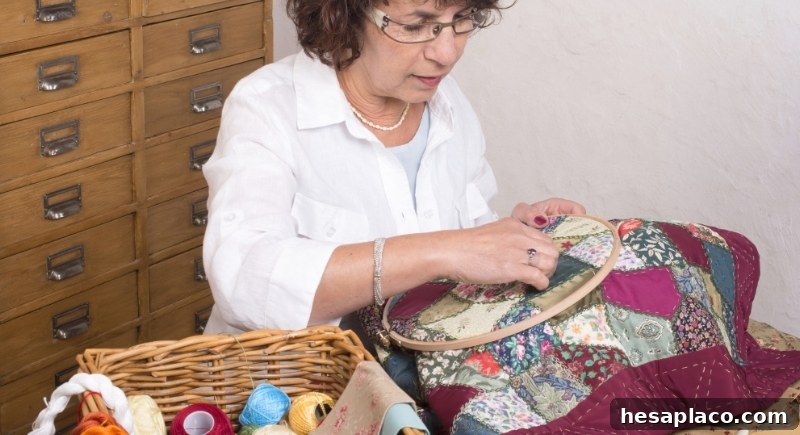
Quilting and More
Credit: Getty Images
Quilting remains a central craft, but sewing extends beyond quilts. Women sew everyday clothing, create commissioned pieces for visitors, and adapt skills to contemporary needs—such as making masks or reusable household textiles. Sewing circulates through social networks and markets, sustaining both tradition and income.
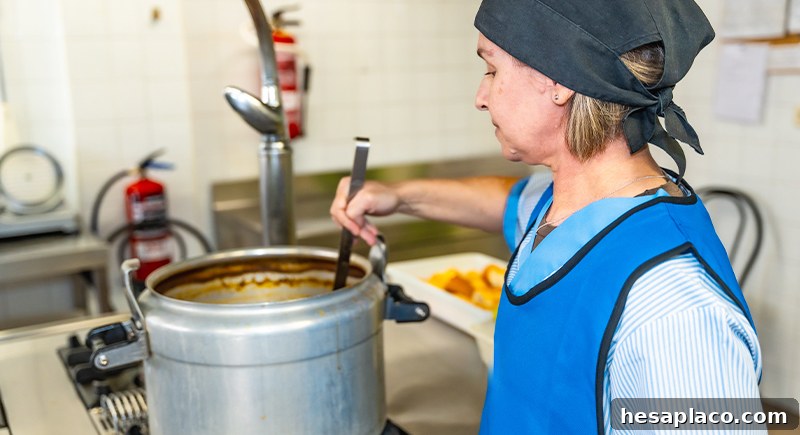
Cooking for Auctions
Credit: iStockphoto
At community auctions and sales, women prepare the large-scale meals that sustain bidders and visitors—chicken dinners, pies, side dishes, and desserts. These meals are part of the event’s appeal, offering wholesome food and a chance for neighbors and visitors to gather and socialize while supporting local commerce.
Hosting Social Gatherings

Credit: iStockphoto
Beyond producing goods, many Amish women organize social events that double as marketplaces and community gatherings. Sewing circles, bake sales, and seasonal fairs provide spaces where women can sell products, swap skills, and strengthen neighborhood ties. These gatherings keep community life active and create opportunities for women to share their work, knowledge, and hospitality.
Across these roles, Amish women balance preservation of longstanding traditions with adaptations to contemporary demand. Whether sewing kapp coverings, teaching children, finishing furniture, or selling homemade foods and crafts, their labor sustains household economies, preserves skills, and fosters close-knit communities.