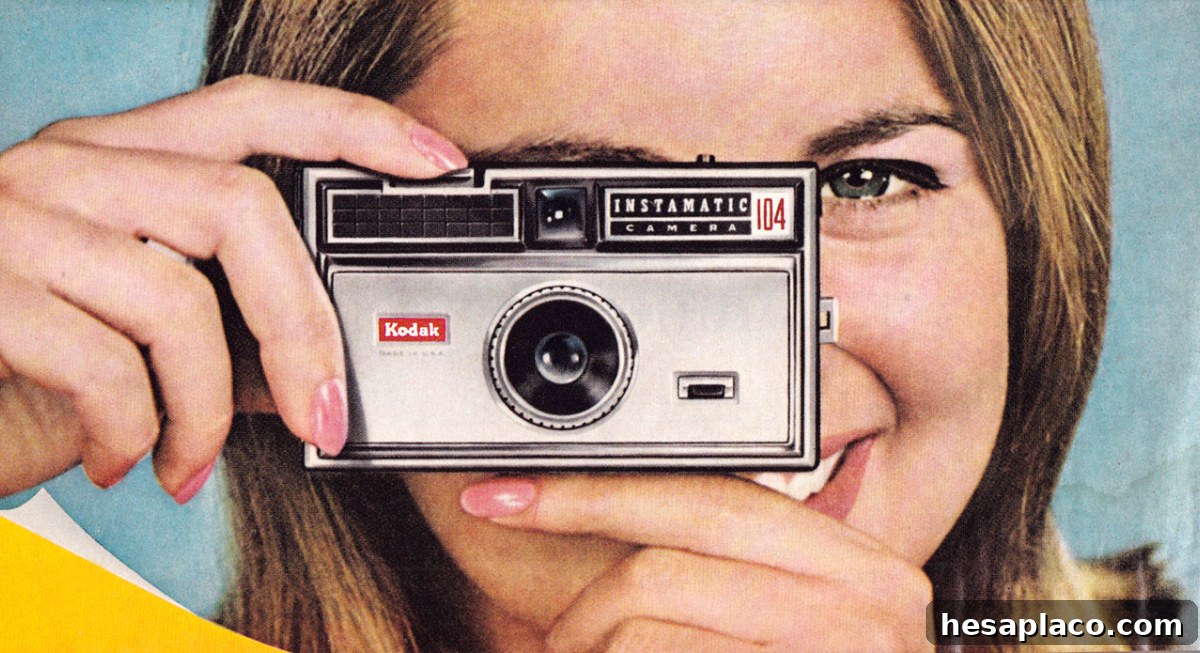
The 1970s were a decade of vibrant style and rapid technological change — from disco and platform shoes to early consumer tech that hinted at the future. Many conveniences we now consider routine would have seemed like pure science fiction to people living then. Below are 25 everyday items that would have amazed someone from the 1970s, presented in clear, engaging English while preserving the original structure and imagery.
Cell Phones
Credit: pexels
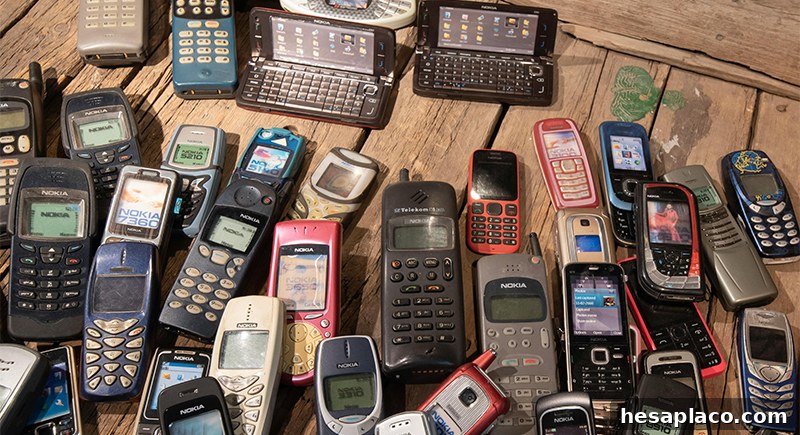
In the 1970s, mobile communication meant car phones that were bulky and limited, or leaving messages on an answering machine and hoping someone would call back. The idea of carrying a powerful device in your pocket that connects you instantly to people around the world would have seemed extraordinary. Modern cell phones put voice, text, email and much more at your fingertips wherever you go.
Cable TV
Credit: flickr
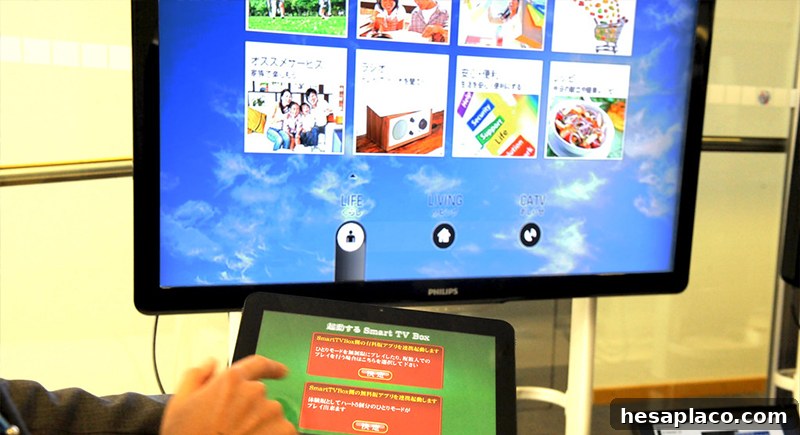
Broadcast television in the 1970s offered only a few channels and often poor reception. The spread of cable expanded viewing choices dramatically, introducing dedicated channels for sports, movies and music. For a generation used to limited programming, cable TV was a major leap forward in entertainment variety.
Home Computers
Credit: pexels
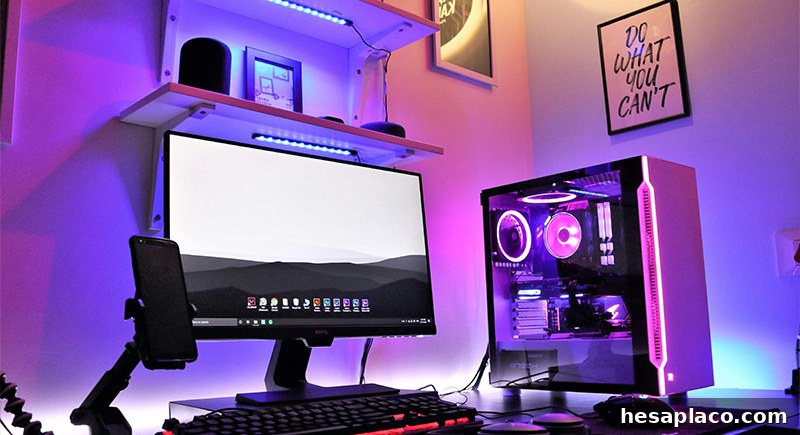
Early personal computers in the 1970s were costly, bulky and required technical know-how. The notion that every household might one day have an affordable computer used for work, communication and entertainment would have sounded like fantasy then. Today, home computers are central to daily life.
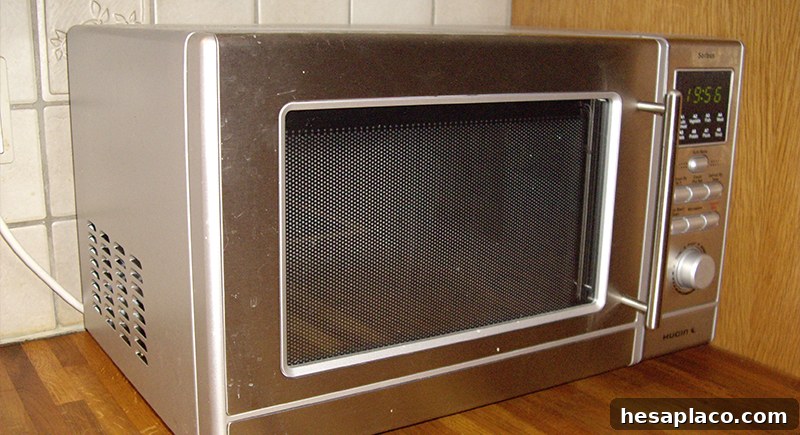
Microwave Ovens
Credit: Wikimedia Commons
Microwave ovens transformed meal preparation by drastically cutting cooking and reheating time. In an era when families spent more time on traditional cooking methods, microwaves brought unmatched convenience for busy households.
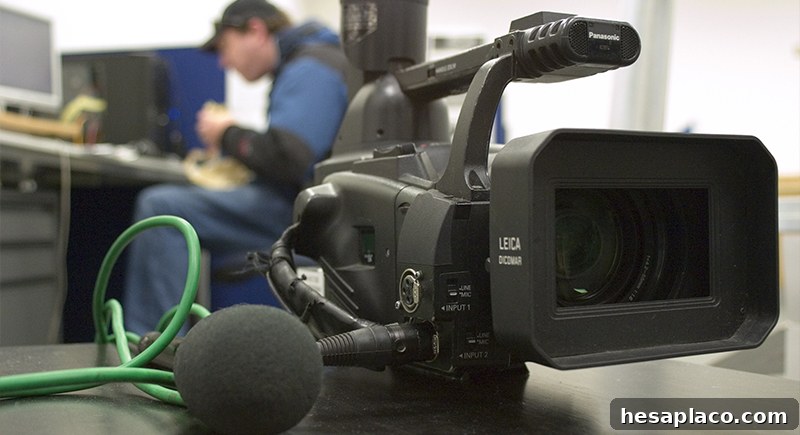
Video Recorders (VCRs)
Credit: Wikimedia Commons
VCRs introduced the ability to record television programming and watch it later, freeing viewers from rigid broadcast schedules. This capability fundamentally changed how people consumed television and made home movie collections possible.
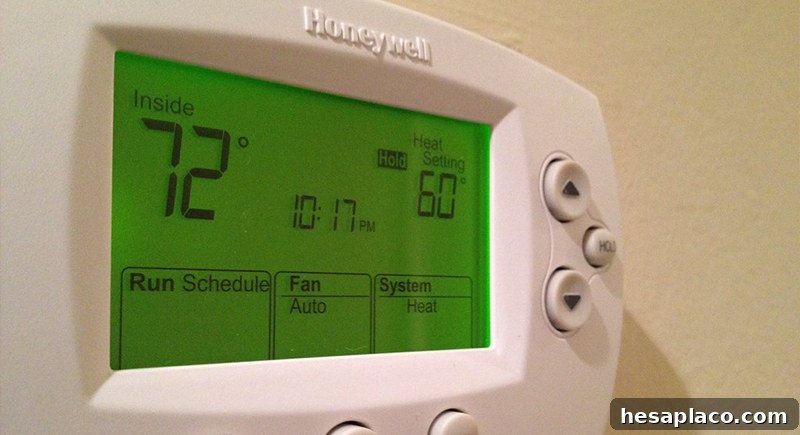
Programmable Thermostats
Credit: flickr
Manually changing the thermostat throughout the day was common in the 1970s. Programmable thermostats—allowing automatic temperature adjustments for different times of day—helped conserve energy and added convenience by maintaining comfort without constant attention.
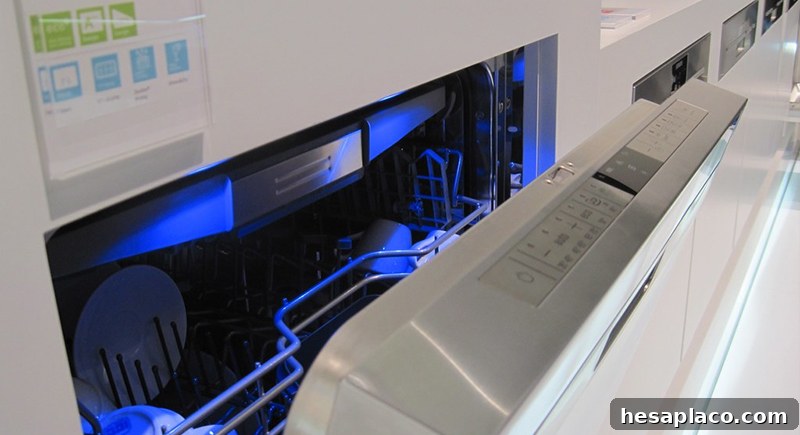
Dishwashers
Credit: flickr
While dishwashers existed in the 1970s, they were not yet a standard appliance in many homes. The widespread adoption of efficient dishwashers has removed the daily chore of handwashing dishes, giving families back time for other activities.
Automatic Washers and Dryers
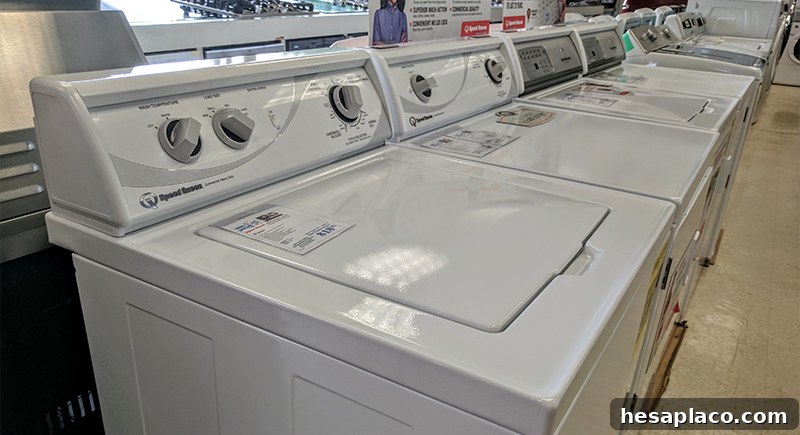
Credit: Wikimedia Commons
Laundry in the 1970s often required more time and effort with top-loading washers and slower dryers. Modern automatic washers and dryers with efficient cycles, multiple settings and faster drying times have greatly simplified clothing care.
Instant Coffee

Credit: flickr
Instant coffee offered a fast, no-fuss way to make a cup in the 1970s, though its flavor often fell short of freshly brewed coffee. Today, a wide range of coffee makers and quick-brew machines provide both speed and quality, satisfying busy mornings without sacrificing taste.
Air Conditioners
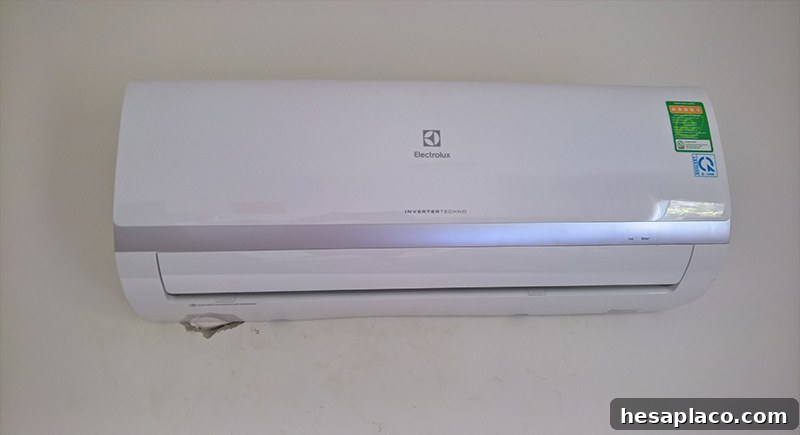
Credit: Wikimedia Commons
Cooling a whole home with central air was rare in the 1970s; many households relied on fans or noisy window units. Modern central air conditioning and efficient room systems provide quiet, reliable climate control that would have felt luxurious back then.
Video Game Consoles
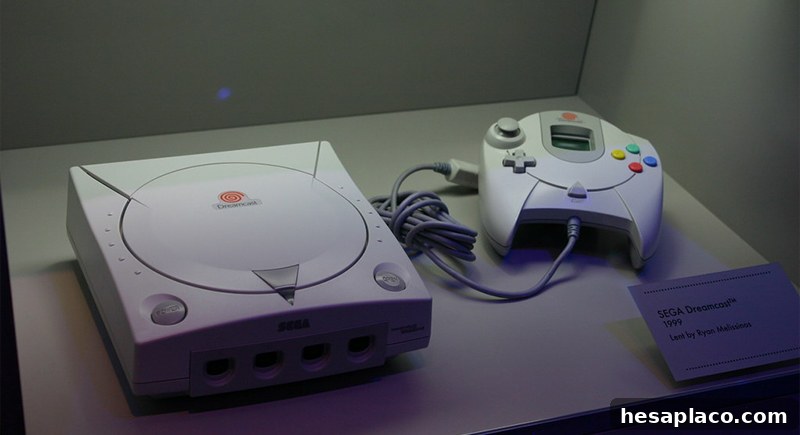
Credit: flickr
Early consoles like the Atari 2600 introduced interactive home gaming in the late 1970s. While primitive by today’s standards, these devices launched a new form of entertainment that evolved into the complex gaming ecosystems we enjoy now.
DVD Players and Blu-ray Players
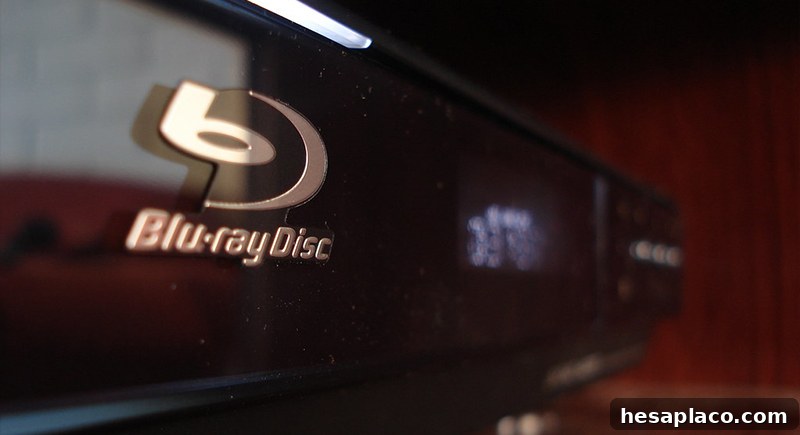
Credit: flickr
VHS tapes were the norm for home video, but DVDs and later Blu-ray discs improved picture and sound quality while eliminating many of the maintenance issues of tape. The ability to store many hours of high-quality video on a compact disc changed how people collected and watched movies.
The Internet

Credit: Wikimedia Commons
In the 1970s, most information was found in libraries, encyclopedias and newspapers. The global, always-on connectivity of the internet would have seemed like a revolutionary leap — a virtually limitless source of information, communication and commerce available anytime.
Streaming Services
Credit: pexels
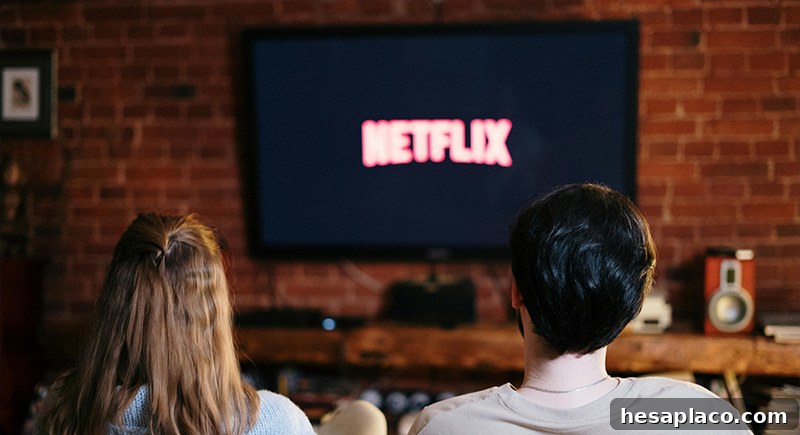
Streaming platforms give access to thousands of films and series on demand, a stark contrast to the limited broadcast schedule and rental options of the 1970s. The convenience of instant, subscription-based streaming on multiple devices has reshaped how people discover and watch content.
GPS Navigation
Credit: pexels
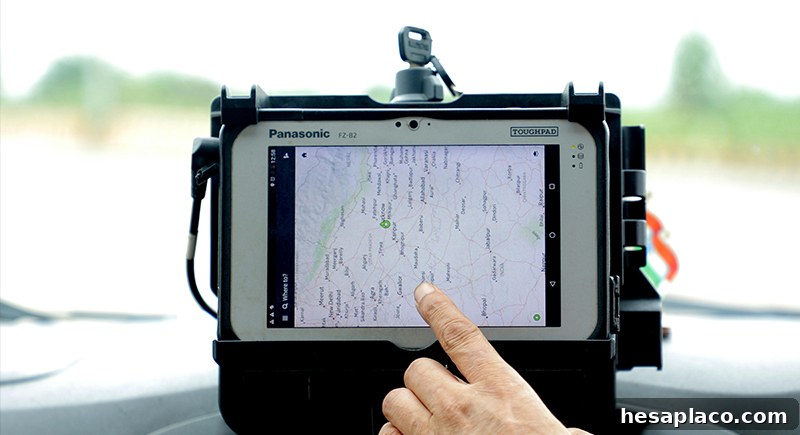
Before GPS, drivers relied on paper maps and directions from strangers. Modern navigation systems provide turn-by-turn guidance and live traffic updates, turning travel into a stress-free experience compared with the uncertainty of the 1970s.
Digital Cameras
Credit: flickr
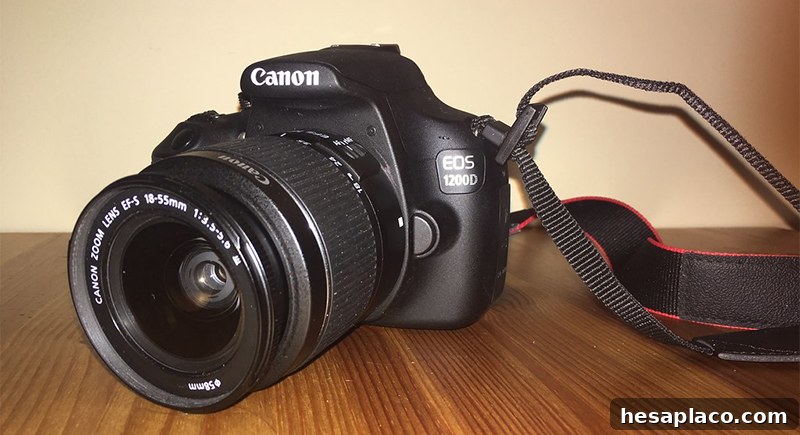
Film photography required careful framing and waiting for development. Digital cameras allow instant review, easy deletion and nearly unlimited shots, making photography more accessible and flexible for capturing everyday moments.
Flat-Screen TVs
Credit: flickr
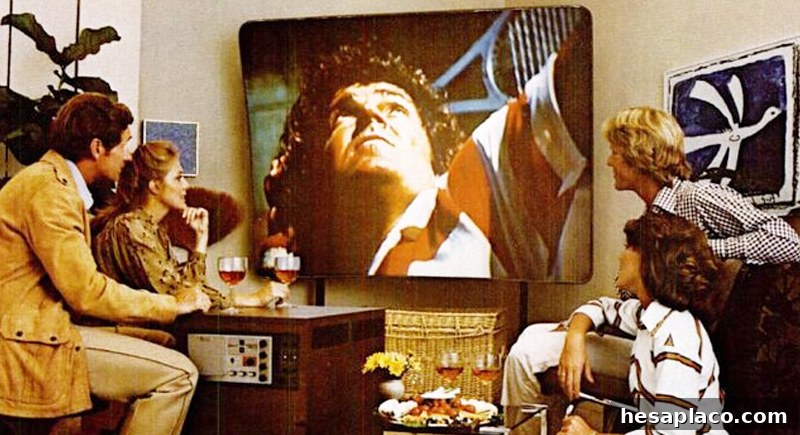
Massive, boxy televisions dominated the 1970s living room. Modern flat-screen TVs offer high-definition displays, slim profiles and wall-mounting options, delivering a dramatically improved viewing experience while saving space.
Smartphones
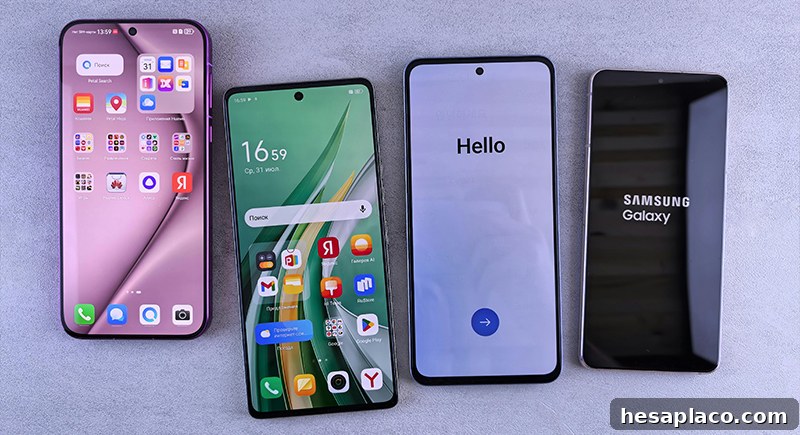
Credit: pexels
Combining phone calls, photography, web access, navigation and entertainment into a single pocket device, smartphones represent a level of integration inconceivable to most in the 1970s. These devices have reshaped communication, productivity and leisure in modern life.
Home Security Systems

Credit: flickr
Home security in the 1970s was often limited to simple alarms or deterrents. Modern systems provide comprehensive monitoring with sensors, cameras and remote alerts, allowing homeowners to check and protect their property from anywhere.
Noise-Cancelling Headphones

Credit: pexels
Where once only bulky or passive noise-blocking equipment existed, active noise-cancelling headphones now create quiet personal spaces anywhere. Whether for travel, work or relaxation, these headphones deliver a level of focus and calm that would have felt futuristic in the 1970s.