
Refinancing a mortgage with poor credit can seem daunting, but more options exist than many homeowners realize. Even with a low credit score, you can often find paths to refinancing that reduce monthly payments, lower interest rates, or free up cash. Below is a clear, SEO-friendly guide to common refinance routes and strategies for borrowers with challenged credit histories.
FHA Streamline Refinance

Credit: Getty Images
The FHA Streamline Refinance is backed by the Federal Housing Administration and is particularly useful for homeowners who already have an FHA loan. This program typically does not require a new appraisal or income verification, and many lenders will accept lower credit scores. Some lenders approve borrowers with scores around 580, and in certain circumstances—such as substantial equity—scores as low as 500 may be considered. The streamlined process can make refinancing quicker and less burdensome for those who qualify.
VA Refinance (IRRRL)

Credit: Getty Images
Veterans with existing VA loans may qualify for the Interest Rate Reduction Refinance Loan (IRRRL). Many IRRRLs skip the credit check, and appraisals are often unnecessary. That makes the program a fast, straightforward way to reduce your interest rate and monthly payment. To be eligible, you must already have a VA-backed mortgage. When it applies, the IRRRL can deliver meaningful savings with minimal paperwork.
Home Equity Loan

Credit: Getty Images
If you have built significant home equity, a home equity loan (a second mortgage with a fixed rate) can be an option despite a weak credit score. Lenders placing greater emphasis on the equity in your home may approve applicants they would otherwise deny for a primary refinance. Keep in mind this increases the total debt secured by your home, so timely payments are essential to avoid foreclosure risk.
Cash-Out Refinance

Credit: Getty Images
A cash-out refinance replaces your current mortgage with a larger loan and gives you the difference in cash. While many lenders prefer credit scores above 620 for cash-out deals, some accept scores in the high 500s—especially if you have at least 20% equity. Cash-out refinancing can help consolidate debt or pay for major expenses, but it typically carries stricter underwriting, so shop carefully.
Find a Non-Qualified Mortgage (Non-QM) Lender

Credit: pexels
Non-QM lenders don’t follow conventional underwriting standards and instead use alternative documentation—bank statements, rental income history, or other cash-flow evidence—to assess a borrower’s ability to repay. These lenders are more likely to consider borrowers with scores in the 500s, though they usually charge higher interest rates and fees. Non-QM loans can be a viable bridge solution if traditional lenders decline your application.
Get a Co-Signer

Credit: freepik
Adding a co-signer with stronger credit can improve approval chances and help secure a better interest rate. Co-signers share legal responsibility for the loan, so missed payments damage both borrowers’ credit. If you pursue this route, choose someone who understands the commitment and ensure you can meet the payment schedule to protect their credit as well as your own.
Wait and Improve Your Credit Score

Credit: Getty Images
Sometimes the best strategy is patience. Improving your credit score by even 30–50 points can significantly reduce the rate and cost of refinancing. Focus on paying down credit card balances, disputing any errors on your credit reports, and avoiding new credit inquiries. These steps can lower the interest rate you qualify for and expand your options to lenders with better terms.
Try a Credit Union

Credit: Getty Images
Credit unions are member-owned and often more flexible than large banks. They may be willing to work with lower-credit borrowers or offer more favorable terms when you have a solid payment history with them. Some credit unions may waive private mortgage insurance (PMI) if you have adequate equity, so it’s worthwhile to contact local credit unions and compare offers.
Look for Lenders That Do Manual Underwriting

Credit: Canva
Manual underwriting means a human underwriter reviews your loan application rather than an automated scoring model. This approach can benefit borrowers whose credit profiles are imperfect but who can demonstrate steady income, low debt-to-income ratios, or a compelling explanation for past credit issues. Manual underwriting can open doors where automated systems close them.
USDA Streamlined Refinance
Credit: Getty Images
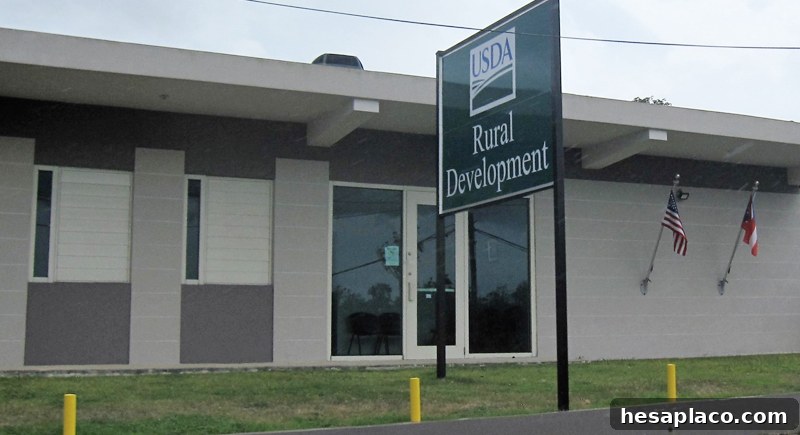
Homeowners in eligible rural areas who already have a USDA loan may qualify for the USDA streamlined refinance. This program can have credit score minimums around 580 and sometimes does not require an appraisal. Eligibility depends on property location and program rules, so confirm whether your property falls within USDA-eligible boundaries before applying.
Subprime Lenders

Credit: Getty Images
Subprime lenders specialize in higher-risk borrowers and consider applicants with credit scores well below conventional thresholds. While interest rates and fees are typically higher, subprime loans can provide access to refinancing for homeowners who otherwise have limited options. When choosing a subprime lender, prioritize companies with transparent pricing and clear reputations so you can plan to refinance again later under better terms.
Refinance with Your Current Lender

Credit: freepik
Your existing lender already knows your payment history, which can work in your favor. Some lenders offer streamlined refinancing options or loyalty discounts to current customers. Even with lower credit, a strong on-time payment record with your current servicer may help you access better terms than you would as a new borrower at a different institution.
Check for State and Local Refinance Programs

Credit: freepik
Many states and local housing agencies run refinance assistance programs for homeowners facing financial hardship or with low credit scores. These programs are often under-publicized but can include reduced rates, grants, or help paying closing costs. Contact your state housing agency or a local housing counselor to learn about any programs that might apply to your situation.
Shop Around Aggressively
Credit: Getty Images
Interest rates and eligibility standards vary significantly across lenders, especially for borrowers with credit under 600. One lender might deny an application while another offers a competitive rate. Apply to several lenders within the same two-week period to reduce the effect of multiple credit pulls, and use competing offers to negotiate better terms.
Work with a Mortgage Broker

Credit: Canva
Mortgage brokers can access a wide network of lenders, including those that specialize in borrowers with less-than-ideal credit. A knowledgeable broker can identify lenders most likely to approve your file and help you present the strongest possible application. Brokers may charge fees or receive lender compensation, so clarify costs up front.
Fannie Mae RefiNow

Credit: iStockphoto
RefiNow targets homeowners whose mortgages are owned by Fannie Mae. Designed for borrowers at or below 100% of the area median income, the program requires no minimum credit score and no missed payments in the last six months. It also requires that the refinance reduce both the interest rate and the monthly payment, making it a strong option for eligible low- and moderate-income borrowers.
Freddie Mac Refi Possible
Credit: iStockphoto
Refi Possible is Freddie Mac’s counterpart program and targets low- and moderate-income borrowers whose loans are owned by Freddie Mac. There is no minimum reported Indicator Score requirement, but a usable credit score must be on file. Income limits typically align with area median income thresholds, and the goal is to provide refinancing that makes monthly payments more affordable for eligible homeowners.
Refinancing with bad credit requires research, persistence, and strategic choices. Compare programs, gather strong documentation, and consider working with a broker or credit counselor to identify the best path. With the right approach—whether through government-backed refinances, credit unions, non-QM lenders, or manual underwriting—you can often find a viable refinance option even with a less-than-perfect credit history.