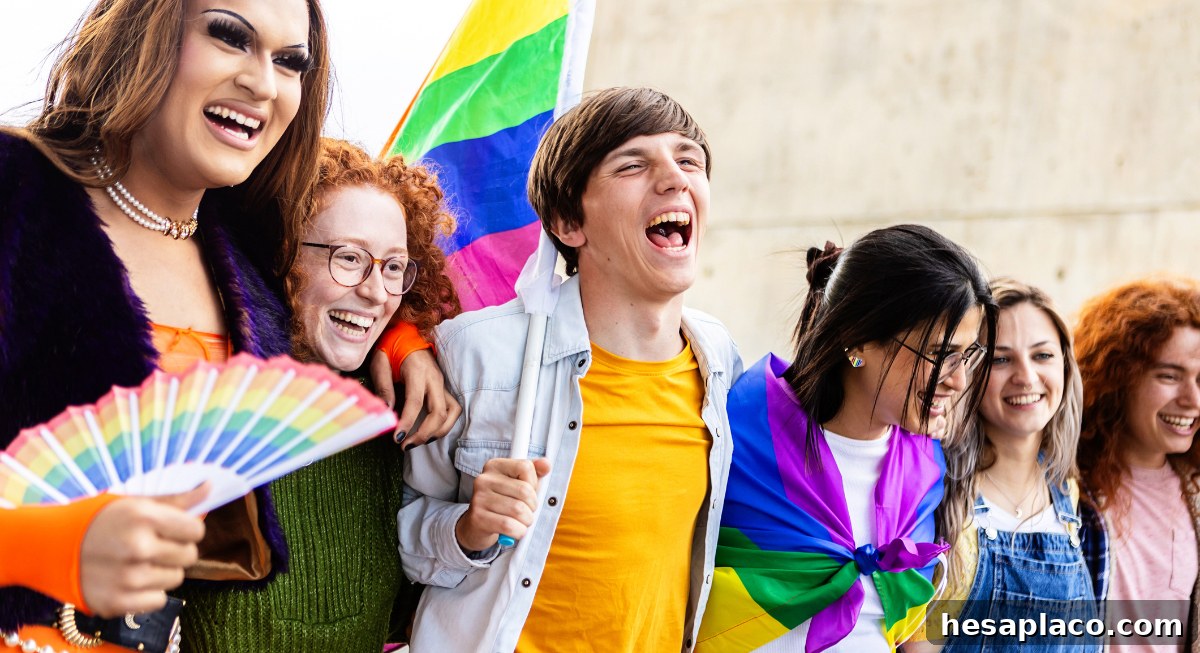
Pride Month is a time to celebrate, raise awareness, and increase visibility for the LGBTQ+ community. It also prompts many major brands to introduce colorful, themed merchandise, tapping into the spirit of inclusivity and support. Below we examine how companies monetize Pride-themed products, showing the productive, the problematic, and the commercially successful approaches. This overview explains how rainbows often become a revenue source while highlighting practices that genuinely support the community.
Limited Edition Products
Credit: Reddit
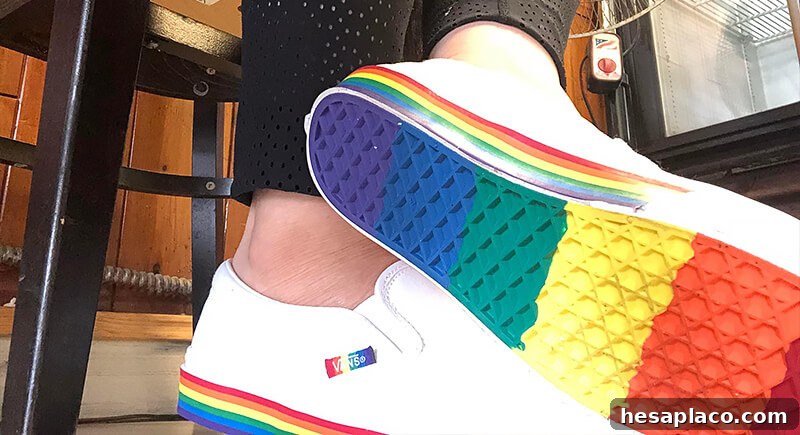
Many brands launch limited edition Pride items—everything from rainbow sneakers to brightly colored apparel—to create urgency and a sense of exclusivity. Scarcity drives demand: customers rush to buy before items sell out. Limited runs are a classic marketing tactic, rebranded with celebratory colors. The result is higher visibility and often a spike in short-term sales.
Collaborations with Influencers
Credit: Pexels
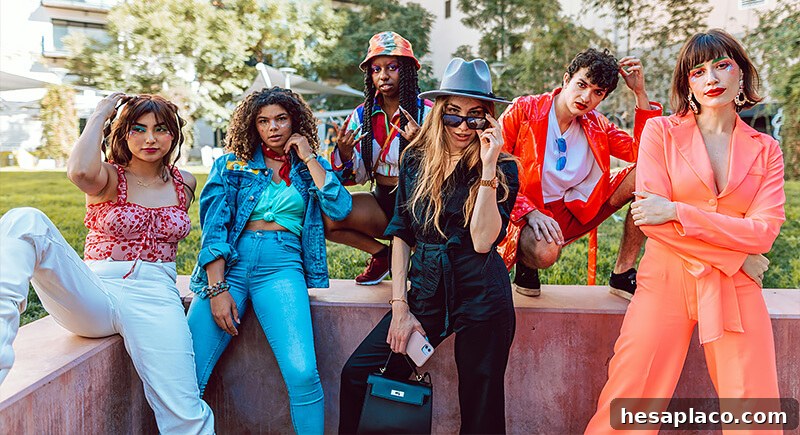
Partnering with LGBTQ+ influencers helps brands reach wider and more engaged audiences. Influencers can add credibility by sharing personal stories and demonstrating how products fit into their lives, making campaigns more relatable. These collaborations often boost sales and improve brand perception, especially when influencers are genuinely connected to the message.
Donation Pledges
Credit: flickr
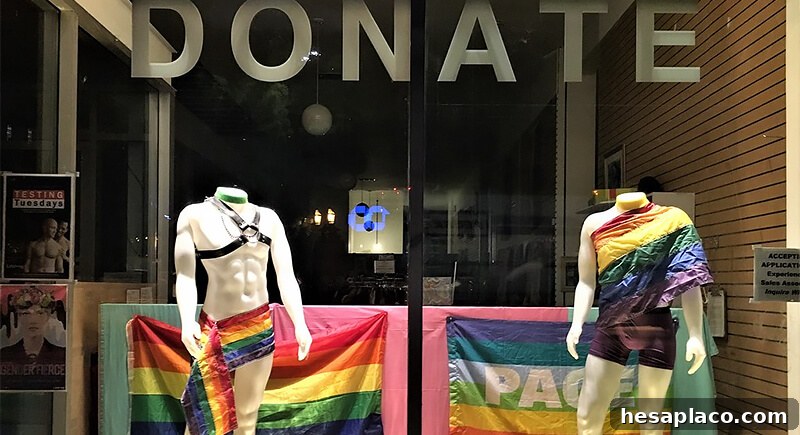
Some companies pledge a portion of Pride merchandise proceeds to LGBTQ+ charities. When executed transparently, donation programs encourage purchases and position brands as socially responsible. Clear terms—how much, which organizations, and for how long—matter. Customers are more likely to support a brand when they know their purchase benefits a cause.
Inclusive Advertising Campaigns
Credit: flickr
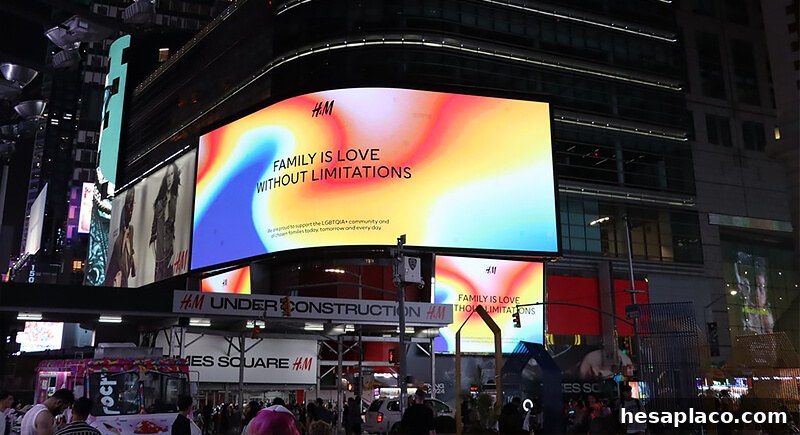
Advertising that highlights diverse, authentic stories resonates with consumers and signals a commitment to representation. Campaigns that feature LGBTQ+ individuals and couples help foster loyalty among marginalized audiences. When ads reflect real people and real experiences, they do more than sell products—they communicate values and build trust.
Social Media Engagement
Credit: flickr
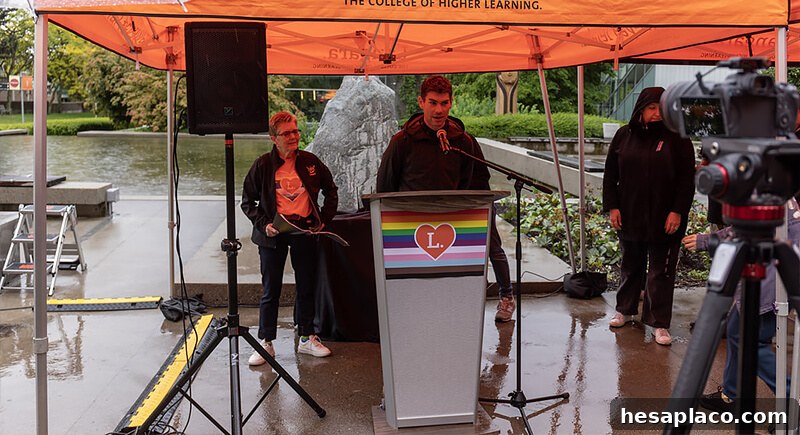
Brands use social platforms and hashtags to promote Pride collections, encouraging user-generated content such as photos and personal stories. Organic social engagement amplifies reach, turning customers into advocates. Successful campaigns leverage interactive content, challenges, and community-driven posts to create momentum and visibility around Pride initiatives.
Pop-Up Events
Credit: flickr
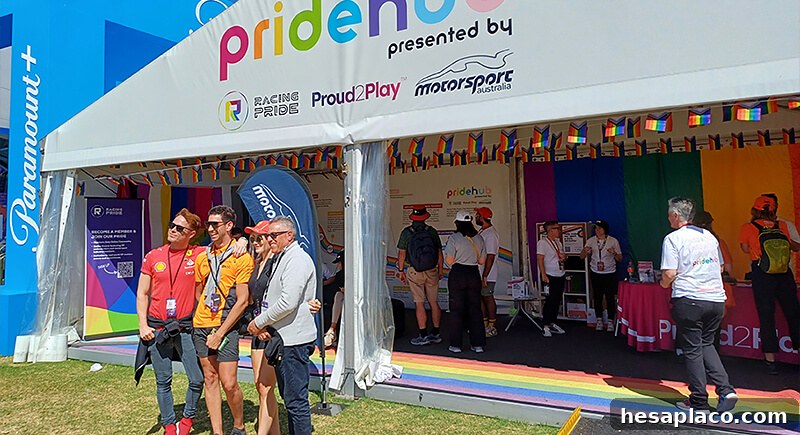
Pride-themed pop-up shops in key cities drive in-person engagement and excitement. These events often feature exclusive merchandise, performances, and interactive activities that create memorable brand experiences. Pop-ups can convert curiosity into sales by offering limited-time opportunities to connect with the brand and the community.
Employee Participation
Credit: flickr
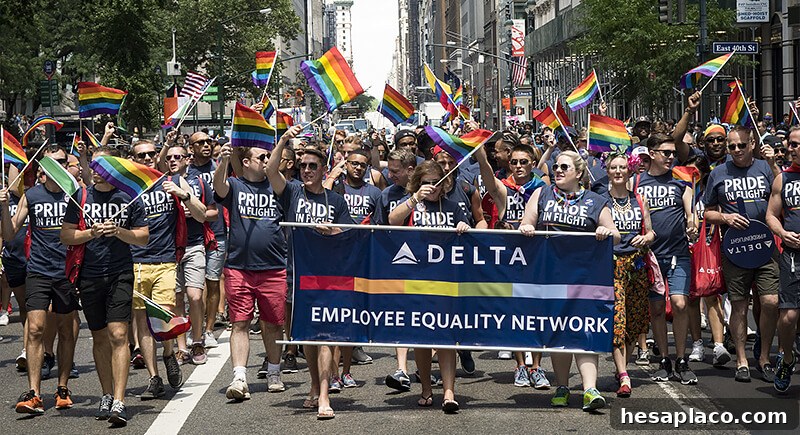
Encouraging employees to take part in Pride events—by wearing Pride gear, joining parades, or volunteering—can boost morale and strengthen public perception. When employees authentically support Pride initiatives, they become effective brand ambassadors. Workplace inclusion demonstrates that a company’s values extend beyond seasonal marketing.
Strategic Partnerships
Credit: flickr
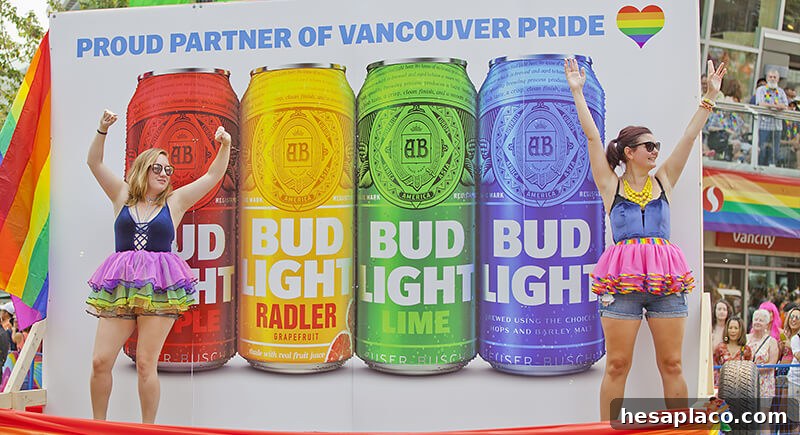
Collaborations with LGBTQ+ organizations help brands co-create products and campaigns that are more authentic and community-centered. Such partnerships can produce distinctive merchandise and lend credibility to a brand’s Pride efforts. Effective alliances prioritize community needs and ensure proceeds and messaging align with meaningful support.
Pride-Themed Packaging
Credit: Instagram
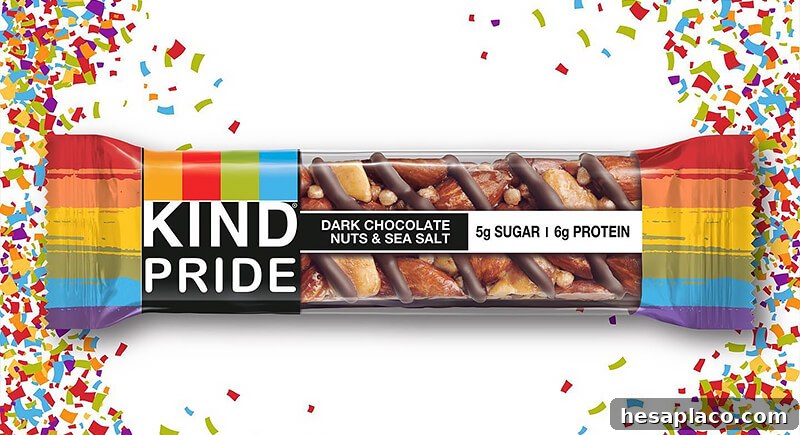
Even everyday products sometimes receive a Pride makeover through themed packaging. This subtle approach appeals to customers who want to show support without buying distinct merchandise. While colorful packaging can drive short-term interest, lasting impact depends on whether the brand’s commitments extend beyond aesthetic changes.
Storytelling Through Products
Credit: flickr
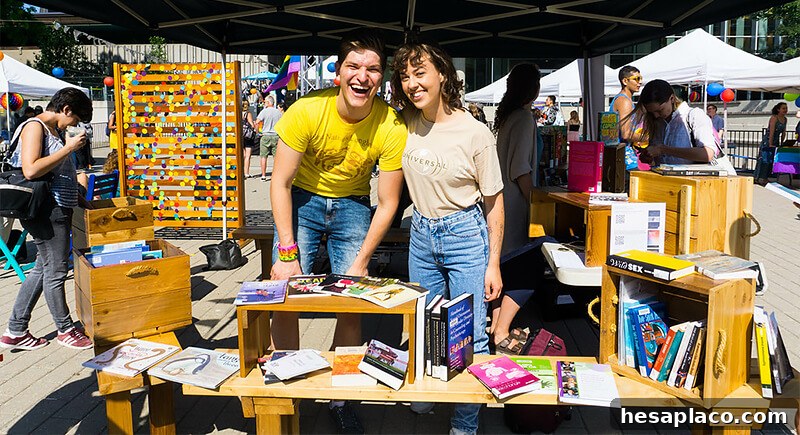
Some brands add narratives to their Pride merchandise—highlighting the stories of LGBTQ+ individuals or commemorating historical milestones. Story-driven products carry emotional value and can create deeper connections with buyers. When storytelling is genuine and informed by community voices, it adds meaningful context to the merchandise.
Customization Options
Credit: Facebook
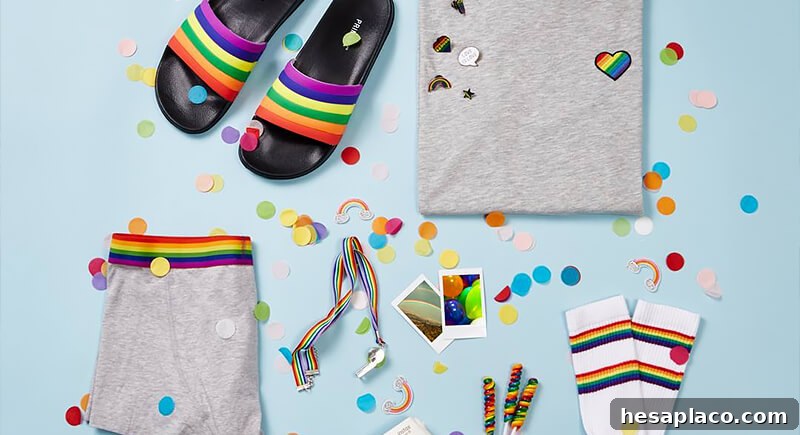
Offering personalized Pride items—such as customized apparel or accessories—lets customers add individual touches and creates a sense of ownership. Customization increases engagement and makes purchases feel special. Personalized merchandise often commands higher price points and fosters stronger customer loyalty.
Flash Sales and Discounts
Credit: flickr
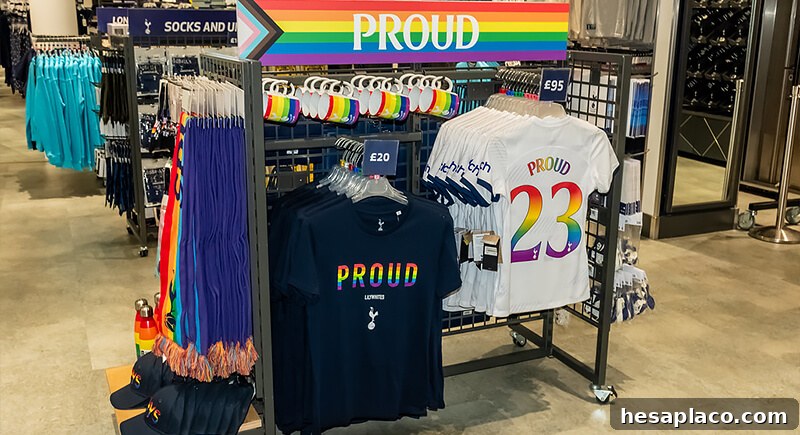
Limited-time discounts and flash sales during Pride Month generate urgency and encourage quick purchases. Promotional pricing can increase volume and introduce new customers to the brand. While discounts are effective for short-term sales boosts, long-term community engagement requires consistent support beyond promotional periods.
Inclusivity in Product Lines
Credit: Facebook
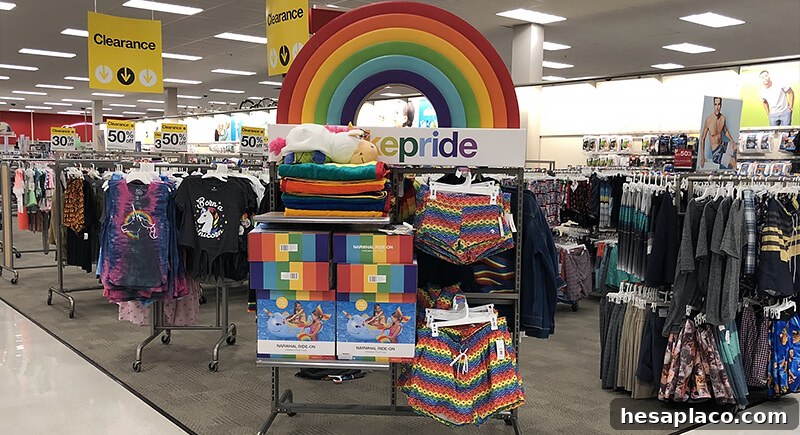
Expanding product lines to include gender-neutral clothing and other inclusive options helps brands serve a broader audience. Inclusive offerings align with Pride values and can build customer loyalty among diverse groups. Genuine inclusivity is reflected in product design, sizing, and marketing that respects and represents a variety of identities.
Virtual Events and Campaigns

Credit: iStockphoto
Virtual Pride events and online campaigns have grown in popularity, offering interactive experiences and exclusive merchandise to remote audiences. Virtual programming can increase accessibility and engagement, allowing brands to connect with customers who prefer online interaction. These campaigns can be cost-effective and inclusive when thoughtfully produced.
Highlighting LGBTQ+ Designers
Credit: bostonherald
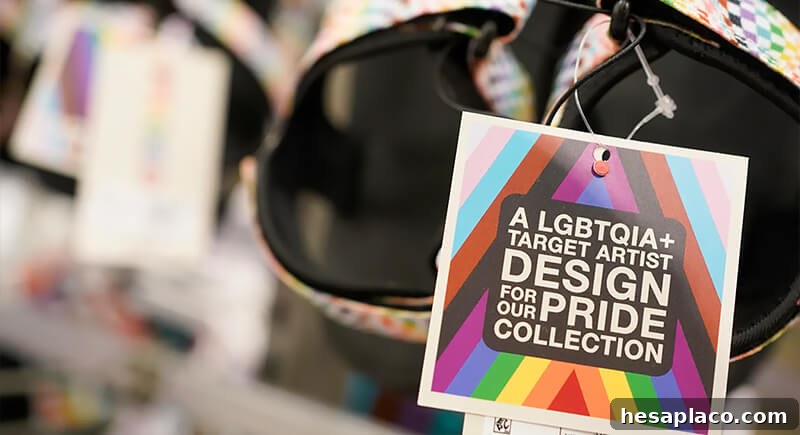
Featuring LGBTQ+ designers in Pride collections brings authenticity and supports creative talent from within the community. These collaborations introduce fresh perspectives and unique designs while ensuring that economic benefits flow to queer creators. Highlighting the designers behind the products helps consumers feel confident their purchases support real people.
Rainbow Washing and Pinkwashing
Credit: Wikimedia Commons
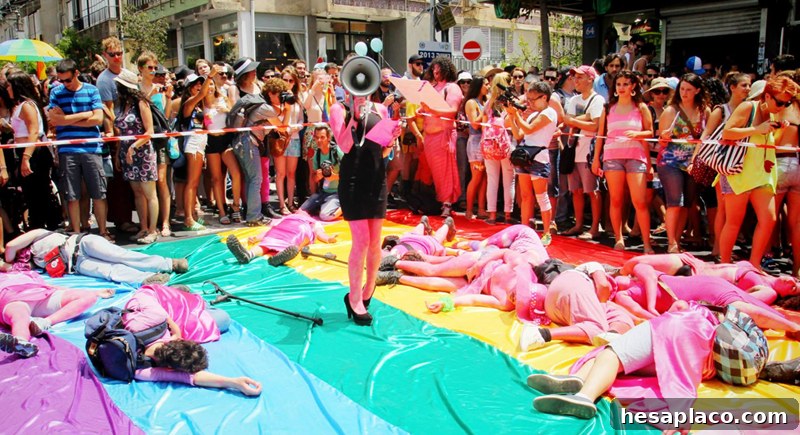
Not all Pride marketing is sincere. Some brands display rainbow logos and sell Pride merchandise while offering minimal support, avoiding policy challenges, or remaining silent when the community faces backlash. This practice—often called rainbow washing or pinkwashing—creates a dissonance between appearance and action. Consumers and activists increasingly scrutinize whether a brand’s behavior matches its messaging.
Year-Round Pride Collections
Credit: Instagram
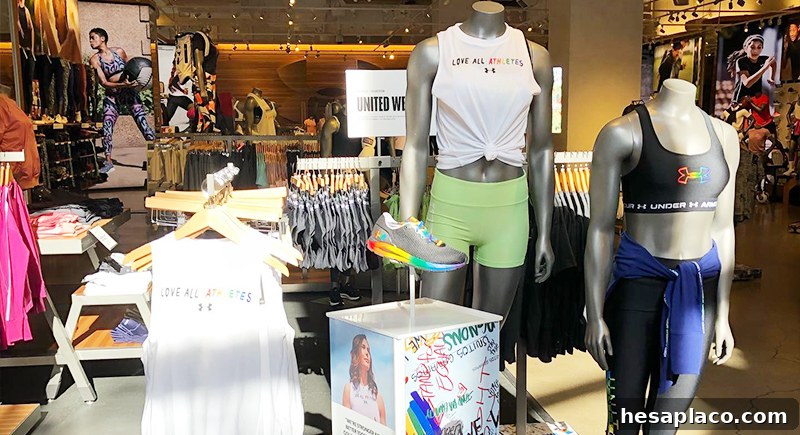
Some brands keep Pride collections available year-round, which can signal sustained commitment rather than a seasonal marketing push. Ongoing availability makes support feel less performative, though shoppers still look for broader corporate behavior that demonstrates genuine backing. Long-term engagement, transparent giving, and inclusive policies speak louder than seasonal merchandise alone.