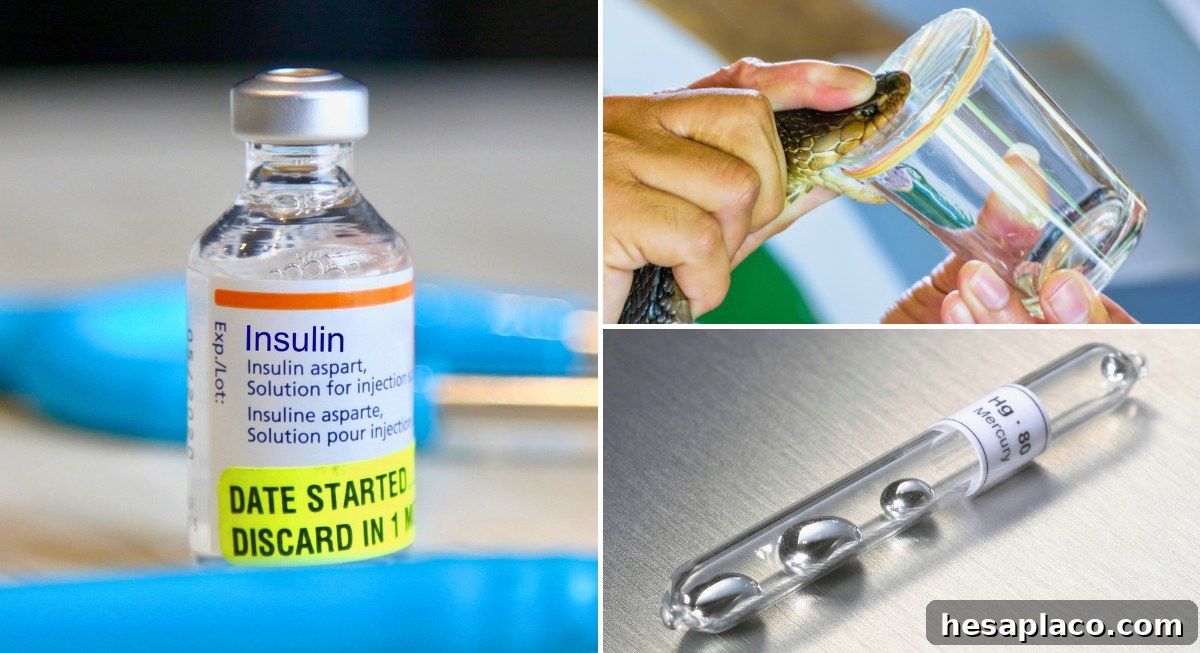
We depend on water for almost everything, yet it seldom appears when people discuss the world’s most expensive liquids. Some liquids command astonishing prices because they are difficult to harvest, require specialized production, or play vital roles in medicine, science, and industry. Others come from animals or are manufactured in laboratories and advanced facilities. In most cases, price reflects rarity, complexity of production, and the value of their specific applications.
Deathstalker Scorpion Venom

Credit: Wikimedia Commons
Deathstalker scorpion venom ranks among the most expensive liquids on Earth. A single scorpion yields only tiny amounts at a time, and collecting venom requires experienced handlers and meticulous techniques. Scientists use its components to study neurological diseases and to develop powerful medical tools; each drop often represents hours of careful work and considerable risk, which drives up its value.
Horseshoe Crab Blood

Credit: Wikimedia Commons
Horseshoe crab blood is prized not for its striking blue color but for its unique ability to detect bacterial endotoxins. Pharmaceutical companies and medical facilities use its reagents to test vaccines, injectable drugs, and medical devices for contamination. Harvesting and processing the blood ethically and safely is labor-intensive, and the critical role it plays in ensuring product safety sustains its high market value.
Horse Semen

Credit: pexels
The market for elite equine genetics makes stallion semen surprisingly valuable. Semen from top racehorses and Olympic-level competitors can command high prices because breeders invest heavily in proven bloodlines. The demand spans international breeding programs, with fertility services, storage, and careful handling all contributing to the overall cost.
King Cobra Venom

Credit: Wikimedia Commons
King cobra venom contains complex proteins that researchers study for potential medical applications, including novel pain treatments and neurological research. Extracting venom safely requires trained specialists and strict safety protocols because of the snake’s size and potency. These challenges, plus careful processing and storage, make the venom an expensive and highly sought substance.
Insulin
Credit: Wikimedia Commons
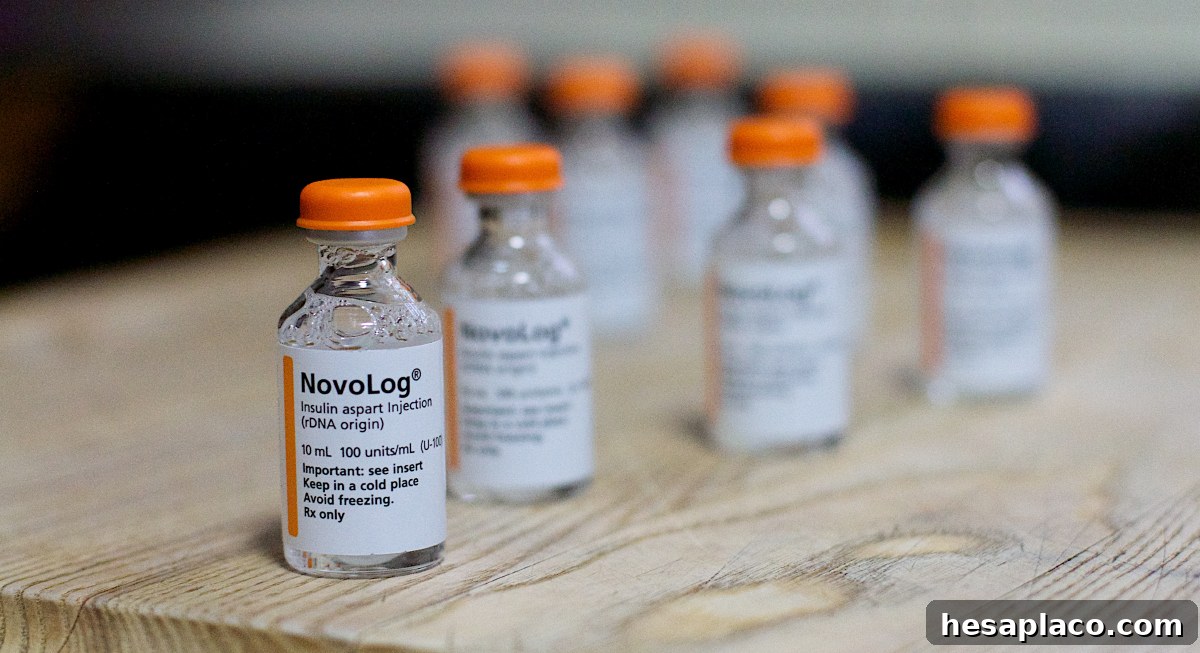
Insulin sustains millions of people who live with diabetes. Modern insulin production depends on advanced biotechnology, rigorous manufacturing standards, and extensive quality control. Although insulin appears ordinary in a vial, the development, testing, and regulatory requirements behind each dose are complex. Consistent global demand for this essential medicine keeps its production and distribution tightly managed and costly.
Chanel No. 5

Credit: Wikimedia Commons
Luxury perfumes occupy a distinct niche among expensive liquids, and Chanel No. 5 is an iconic example. Launched over a century ago, its reputation rests on carefully selected aromatic ingredients and expert formulation, backed by enduring branding. The perfume’s luxury positioning and the cost of high-quality raw materials contribute to its premium price.
Black Printer Ink
Credit: Ebay
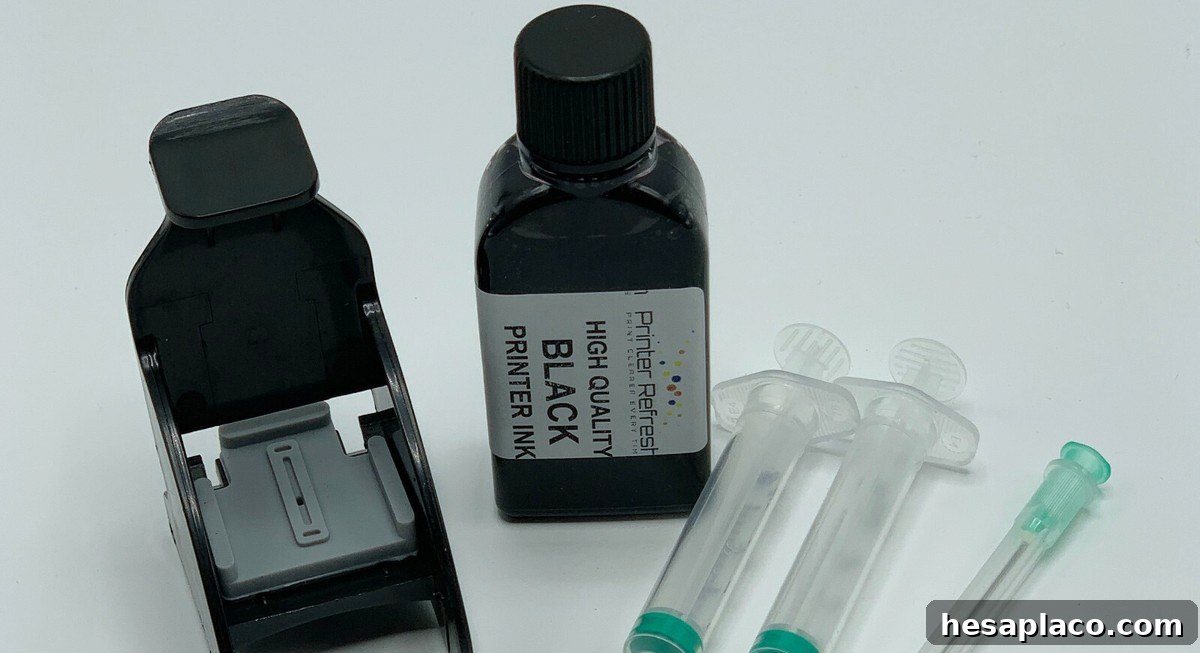
Many people are surprised to learn how expensive printer ink is by volume. Premium black ink, engineered to dry quickly, produce crisp text, and work reliably with complex printer mechanisms, reflects significant investment in chemical research and manufacturing. The per-liter cost can rival more glamorous liquids because cartridges are sold in small, convenient quantities.
Mercury
Credit: Wikimedia Commons
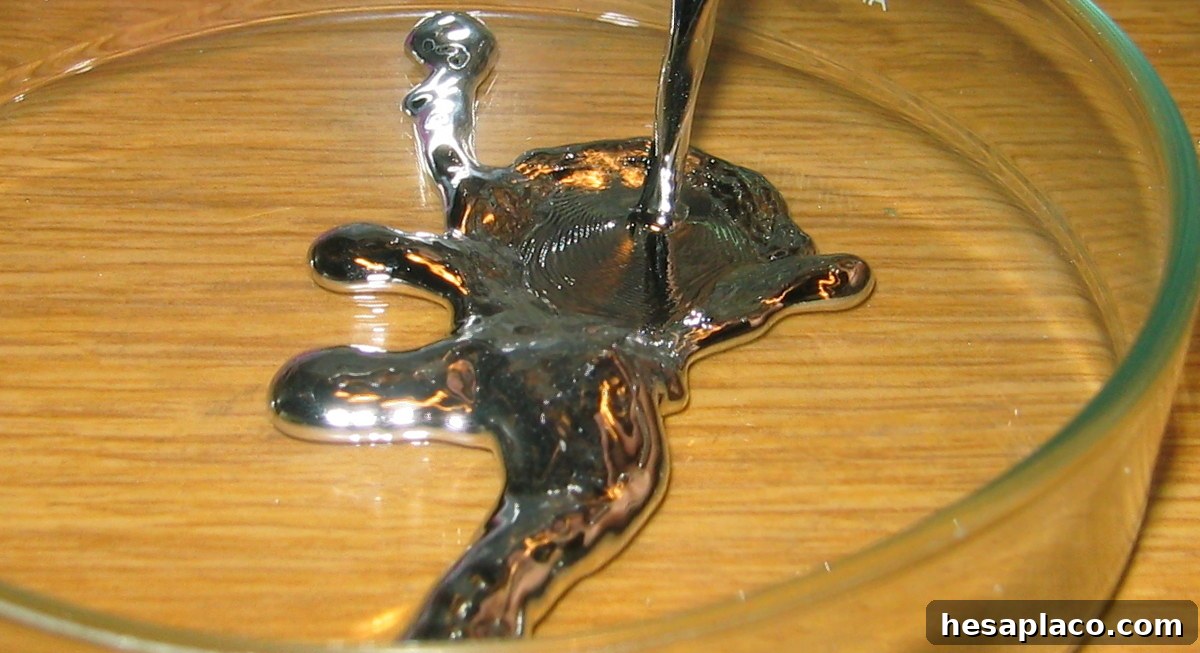
Mercury is unique among metals for being liquid at room temperature. Historically valued for its distinctive silvery appearance and unique properties, modern extraction typically starts from cinnabar ore and requires specialized refining. While many traditional uses have declined due to safety and environmental regulations, mercury still holds value for certain industrial and scientific applications.
Human Blood
Credit: Wikimedia Commons
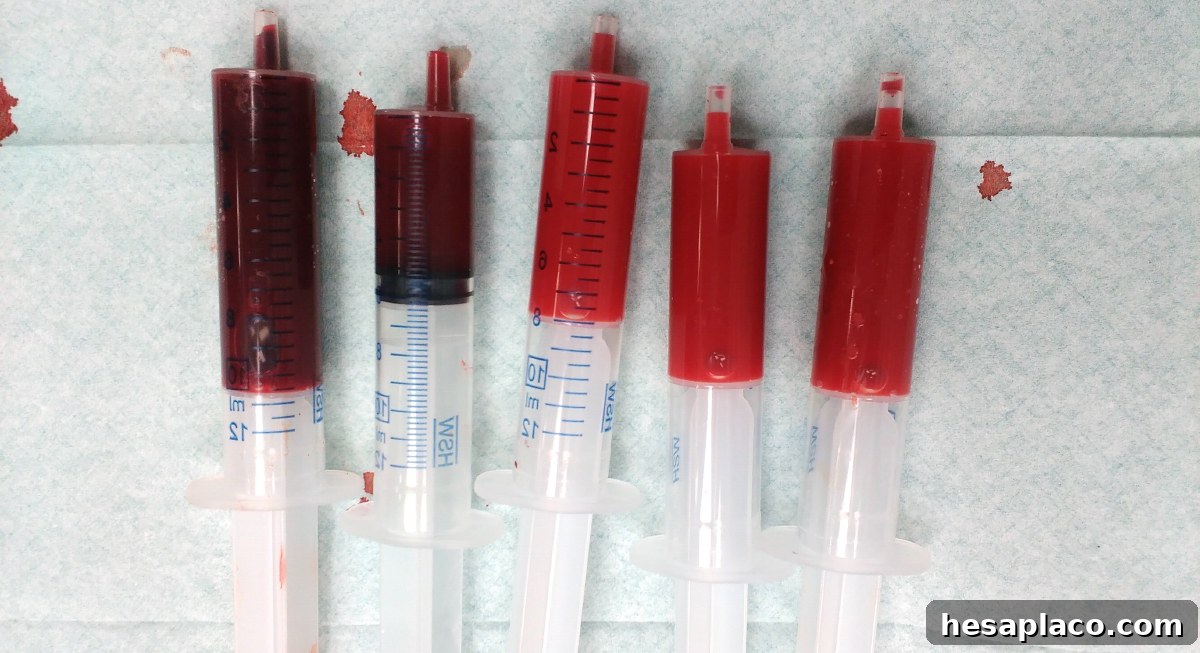
Although widely donated, human blood involves a costly infrastructure to ensure safety and effectiveness. Every unit is screened, separated into components, stored under controlled conditions, and transported according to strict regulations. Red blood cells, plasma, and platelets each serve different medical needs, and the logistics, testing, and storage that support transfusion services add significant expense.
Gamma-Hydroxybutyrate
Credit: Wikimedia Commons
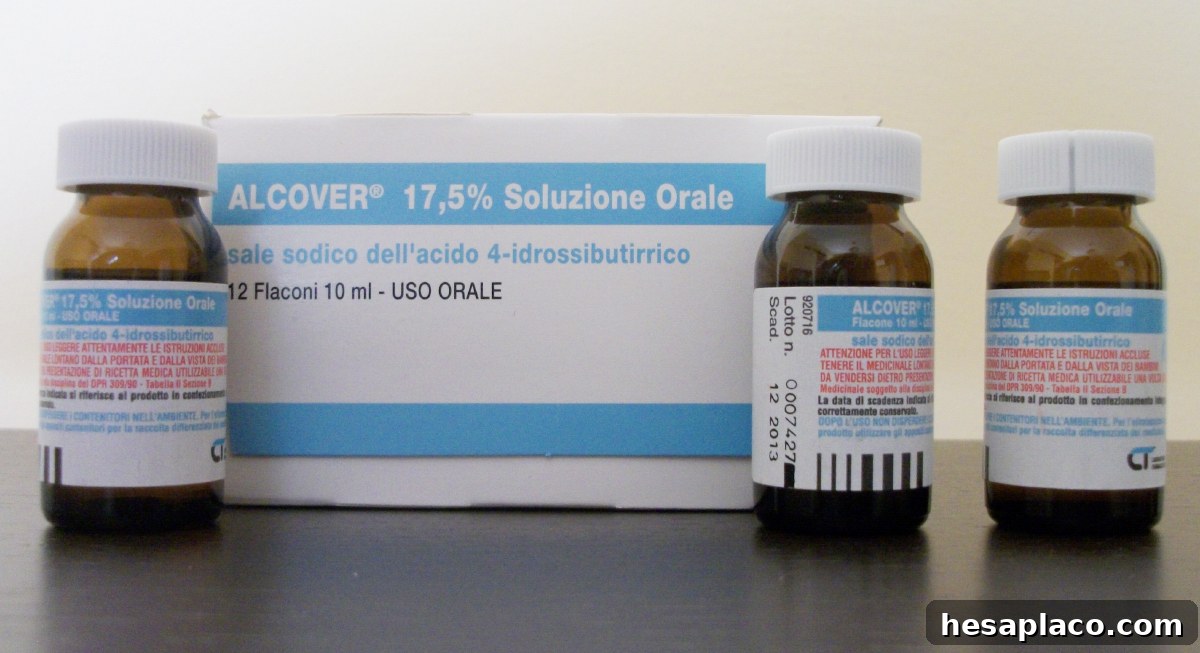
Gamma-hydroxybutyrate (GHB) has legitimate medical uses despite a controversial public reputation. Prescribed in controlled settings, it can treat specific sleep disorders and other health conditions. Pharmaceutical-grade GHB requires precise manufacturing, strict quality control, and regulatory oversight. Small natural occurrences arise during some biological and fermentation processes, but clinically useful quantities must be produced under careful conditions.