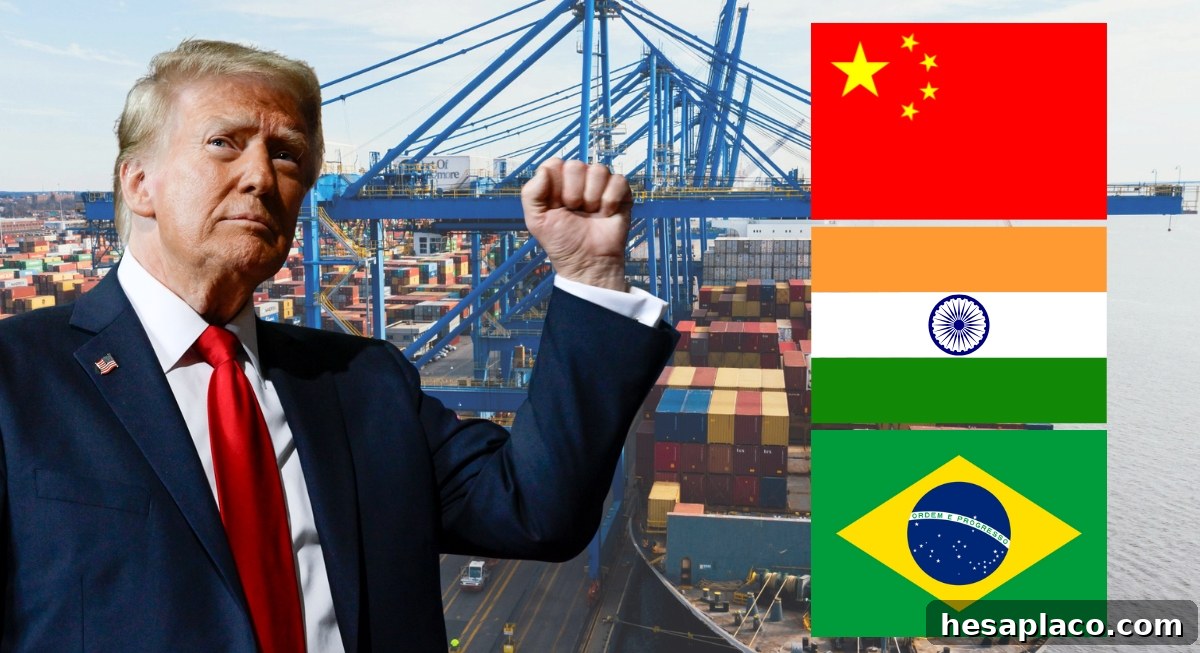
When tariffs start flying, global trade quickly becomes unsettled. The Trump administration’s aggressive tariff policies reshaped trade relationships and supply chains around the world, producing significant economic consequences for many countries. Below is a concise, country-by-country overview of the economies that faced the clearest impacts during that period.
China
Credit: Getty Images
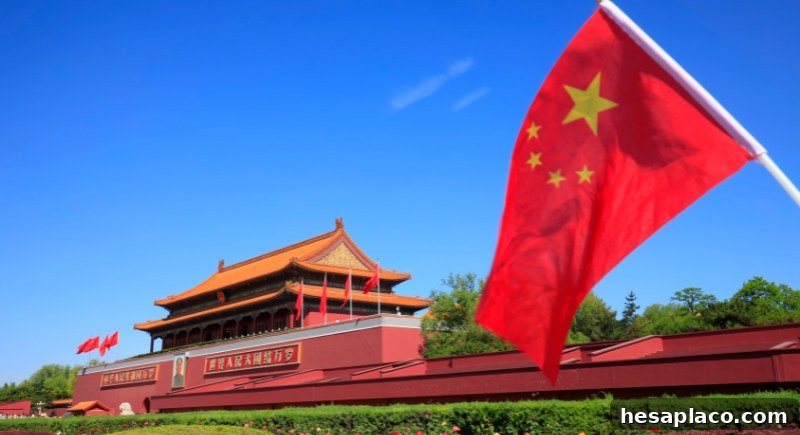
The U.S.-China trade standoff was the headline story. With tariffs on a wide range of Chinese goods soaring—reaching levels above 50% for some categories—Beijing retaliated with its own duties. The effects were widespread: American agricultural exports such as soybeans plummeted as Chinese buyers sought alternatives, Chinese manufacturers accelerated diversification of export markets, and global supply chains experienced costly disruptions. Both economies felt the pain, and global trade flows shifted as firms and governments adapted.
European Union (EU)
Credit: pixabay
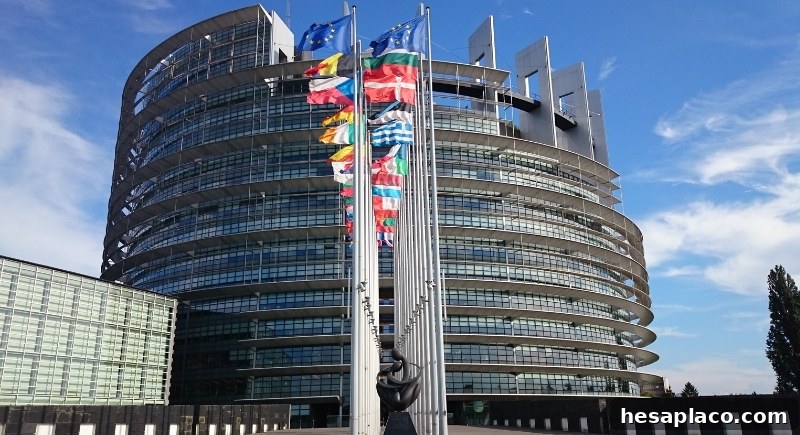
The EU faced uncertainty and brinkmanship. At one point Brussels prepared for substantial tariffs on exports to the U.S., which particularly alarmed Germany given its large trade surplus with America. Although a sweeping 50% tariff on all EU exports did not materialize, the episode prompted the bloc to consider countermeasures and targeted retaliatory tariffs. The standoff underscored how integrated economies can be forced to respond quickly to policy shifts, with potential consequences for investment and industrial planning.
Canada

Credit: pexels
Canada, deeply integrated with the U.S. economy, was hit by surprise tariffs on steel and aluminum. Those measures disrupted cross-border supply chains, increased input costs for manufacturers on both sides of the border, and prompted Ottawa to weigh counter-tariffs and legal challenges. The episode prompted Canadian industries and policymakers to reassess the risks of heavy dependence on a single trading partner.
Mexico
Credit: Getty Images
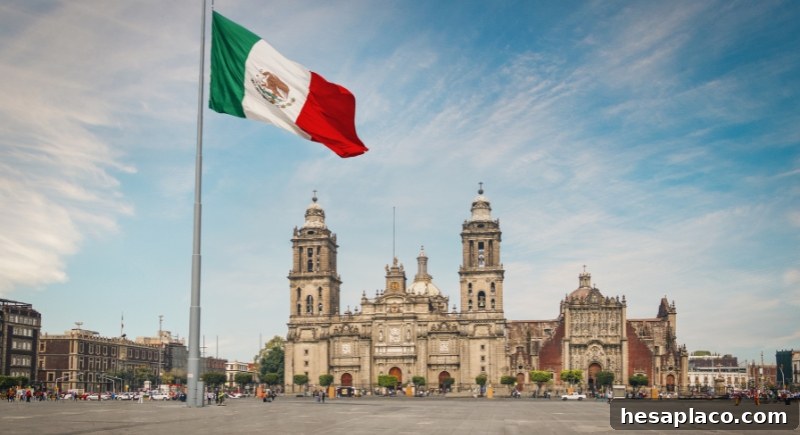
Mexico confronted both economic and political pressure as tariff threats targeted autos, agricultural products and other major exports. Projections warned that sustained tariffs could shave a notable share from Mexico’s GDP over several years, compelling Mexican leaders to engage in intense negotiations and seek diplomatic solutions to avoid a deeper economic shock.
Vietnam
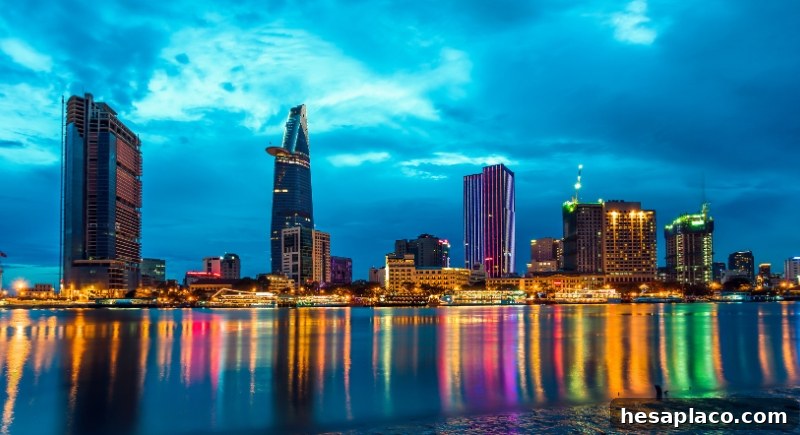
Credit: Getty Images
Vietnam had emerged rapidly as a major export hub, particularly for electronics and textiles destined for the U.S. When tariffs reached as high as the mid-40s for some categories, Vietnamese exporters faced sudden price disadvantages. The tariffs slowed growth in key sectors and forced businesses to review sourcing strategies, renegotiate contracts and seek alternate markets to preserve export growth.
Cambodia
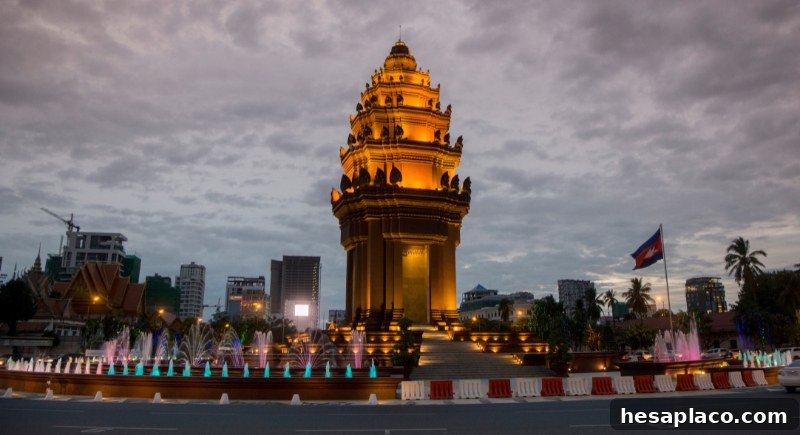
Credit: Getty Images
Cambodia’s apparel sector was among the less visible but severely affected industries. With nearly half of apparel exports exposed to tariffs approaching 50%, orders from U.S. buyers declined and many factories faced reduced production or closure. The shock illustrated how tariff policies can disproportionately affect small, export-dependent economies and labor-intensive industries.
Laos

Credit: Getty Images
Laos, still developing its export base, felt the impact of high tariffs on a small but growing set of exports. The measures undermined early efforts to expand export-led growth and strained trade ties with the U.S., demonstrating how policy shifts can stall nascent economic momentum.
Madagascar
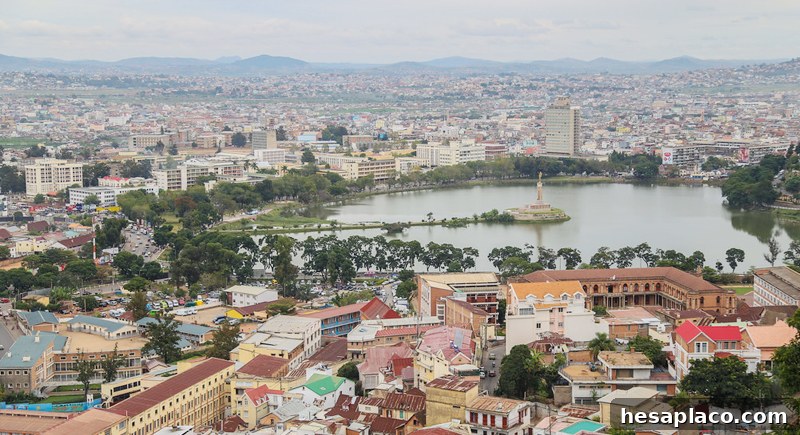
Credit: flickr
Madagascar’s textile and garment industry, which employs a significant portion of the workforce, was jeopardized by tariffs that removed price competitiveness for U.S. buyers. The sudden loss of market access risked tens of thousands of jobs and represented a substantial threat to economic stability in regions heavily reliant on garment exports.
India

Credit: Canva
India experienced elevated tariffs on steel, aluminum and a range of manufactured goods. The measures prompted New Delhi to consider its own retaliatory options and to intensify diplomatic engagement. The bout of tariff escalation increased costs for Indian exporters and added friction to trade negotiations, highlighting the trade-offs involved when countries respond in kind.
Japan

Credit: pexels
Japan’s exports—particularly cars and electronics—faced tariff pressure that coincided with critical product launches and investment timelines. That timing increased uncertainty for manufacturers and pushed Japanese officials to pursue exemptions, carve-outs and diplomatic remedies to protect exporters and maintain global production schedules.
South Korea
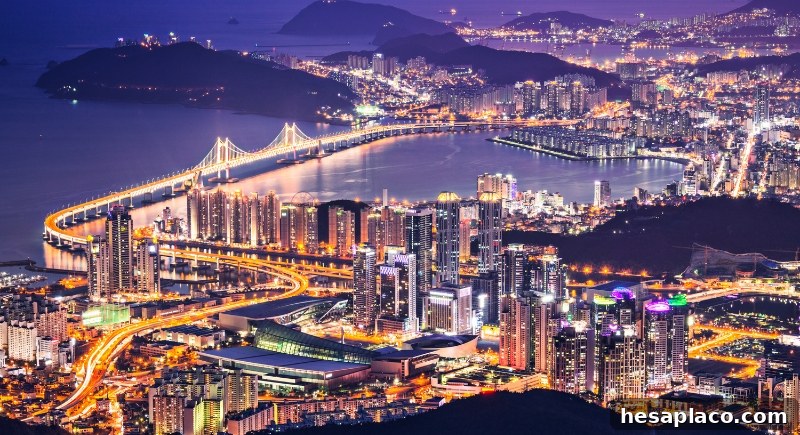
Credit: Getty Images
South Korea, reliant on exports of steel and advanced technology, saw tariff rates push costs higher for U.S.-bound goods. Seoul mounted diplomatic efforts to secure exemptions and safeguard its export industries, while firms adjusted pricing and supply strategies to address the added trade friction.
Australia

Credit: Getty Images
Despite close diplomatic ties, Australia was not exempt from tariffs on steel and aluminum. The measures prompted disappointment and swift diplomatic engagement as Canberra sought to mitigate the economic fallout and preserve stable trade flows between the two allies.
Nigeria

Credit: pexels
Nigeria’s oil and commodity exports faced the risk of new tariffs, and concerns about changes to trade preferences under programs for African nations added pressure. The uncertainty encouraged Nigerian authorities to diversify trade relationships and reduce vulnerability to policy changes affecting a single partner.
Brazil
Credit: Getty Images
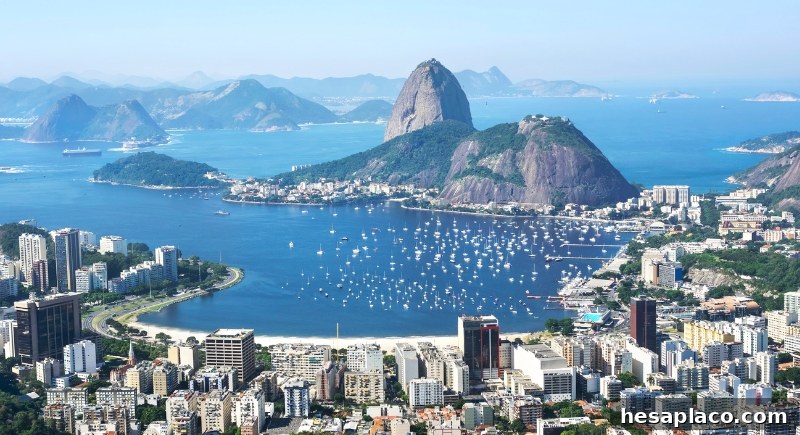
Brazil felt a mixed impact: some sectors experienced tariff-related setbacks while others found short-term openings as supply chains adjusted. The average tariff hit pushed exporters and investors to reassess plans, and government officials worked to clarify Brazil’s position amid shifting global trade dynamics.
Colombia
Credit: Getty Images
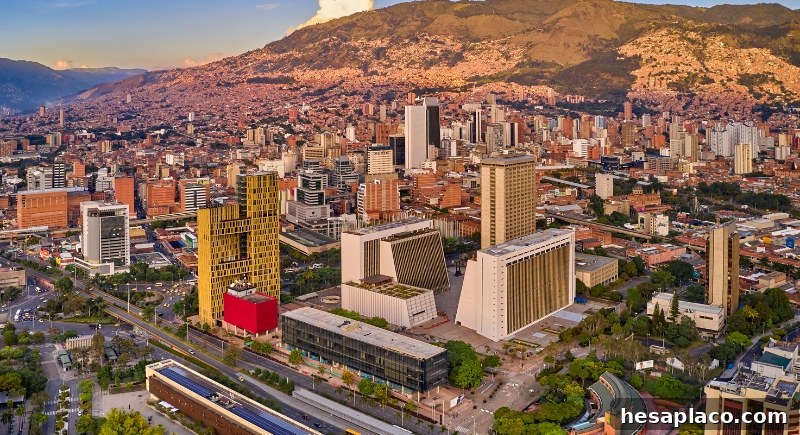
Colombia experienced a short-lived but notable tariff imposition tied to a diplomatic dispute. The tariffs were lifted after negotiations, but the episode highlighted the potential for trade measures to be used as leverage in broader bilateral disagreements and left Colombian policymakers more cautious about trade stability.
Turkey

Credit: pexels
Turkey suffered sharply when the U.S. doubled steel tariffs and increased aluminum duties. That increase coincided with currency instability, amplifying the economic pain. Turkish exporters faced greater costs and Ankara responded with reciprocal tariffs, intensifying trade tensions at a time of broader financial vulnerability.
Taiwan
Credit: Getty Images
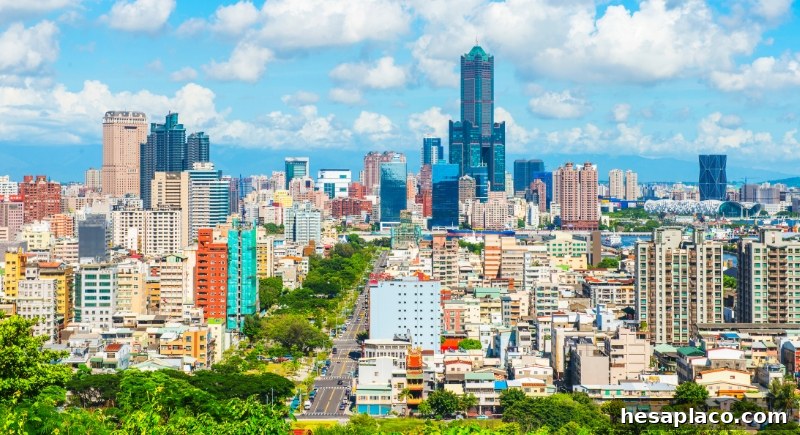
Taiwan’s exports were affected by reciprocal tariffs, and because Taiwan is a leading supplier of advanced semiconductors, the policy raised strategic as well as economic concerns. Negotiations and subsequent agreements established more moderate tariff levels for many exports, but the episode underscored the delicate balance between trade policy and critical global technology supply chains.
Across these examples, the broader lesson is clear: high, sudden tariffs can ripple through global supply chains, raise costs, shift trade patterns, and force countries to adapt quickly—either through negotiation, retaliation, diversification of markets, or reshaping of production networks. For exporters, workers and policymakers, the tariff era highlighted both vulnerabilities and the strategic importance of resilient, diversified trade relationships.