
Artificial Intelligence is no longer confined to robots or science fiction. It has become a practical, everyday technology that saves people time and money without requiring specialized education.
From running errands to managing finances, AI tools are increasingly common and easy to use.
Grocery Shopping

Credit: pexels
Grocery apps such as Instacart and Walmart leverage AI to generate shopping lists based on your purchase history and favorite recipes. They suggest lower-cost substitutes, recommend bulk purchases when appropriate, and warn when items are likely to expire quickly. With the average U.S. household spending thousands on groceries each year, these features can help reduce waste and lower costs.
Email Inbox

Credit: pexels
Email platforms now use AI to filter spam and suggest quick replies. Gmail’s Smart Reply and anti-spam systems, for example, handle a large share of unwanted messages and propose short responses, helping users manage their inboxes more efficiently. Since many people check email repeatedly throughout the day, these tools reduce the time and friction of email management.
Smart Assistants

Credit: pexels
Voice assistants like Google Assistant and Alexa use AI to set reminders, check traffic, control smart devices, and answer questions hands-free. Many adults rely on these assistants daily to simplify routine tasks and access information more quickly.
Online Shopping

Credit: pexels
Tools like Honey and Capital One Shopping apply coupon codes automatically, monitor price drops, and compare offers across retailers. These extensions and apps streamline the checkout process and help shoppers save money by identifying better deals and notifying users when prices fall.
Invoice Processing

Credit: pexels
Small businesses benefit from AI-driven invoice platforms like Stampli and Tipalti, which scan, extract, and route invoice data automatically. Automating these workflows reduces manual effort, lowers processing costs, and accelerates approval cycles, freeing teams to focus on higher-value tasks.
Driving
Credit: pexels
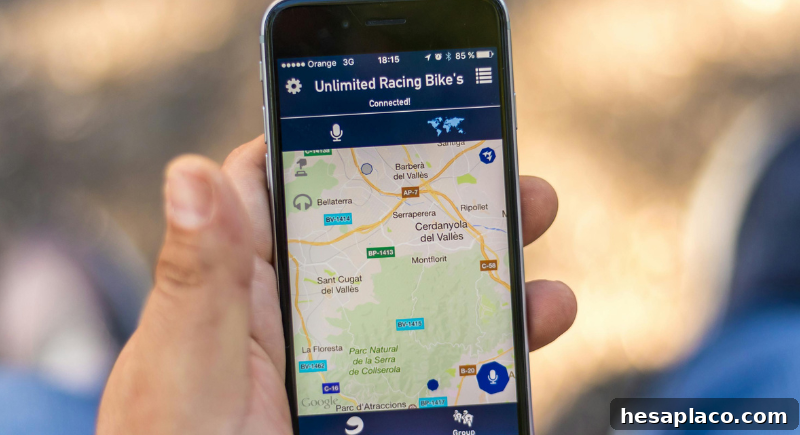
Navigation apps like Google Maps use machine learning to analyze real-time and historical traffic patterns to improve estimated arrival times and recommend faster routes. These improvements help drivers avoid congestion and save time on the road.
Travel Planning

Credit: pexels
Price-prediction apps like Hopper analyze large datasets to forecast airfare trends and recommend when to buy tickets. By using data-driven insights, these services help travelers identify savings opportunities and make more informed booking decisions.
Streaming Recommendations

Credit: pexels
Streaming platforms use AI to analyze viewing habits and recommend shows and movies that match your preferences. This personalization shortens the time spent browsing and increases the chance of finding content you’ll enjoy.
Fitness Tracking

Credit: pexels
AI-driven fitness apps like Fitbod and Freeletics create adaptive workout plans based on your history, available equipment, and goals. By personalizing routines and adjusting intensity, they help users progress safely and consistently.
Language Translation
Credit: pexels
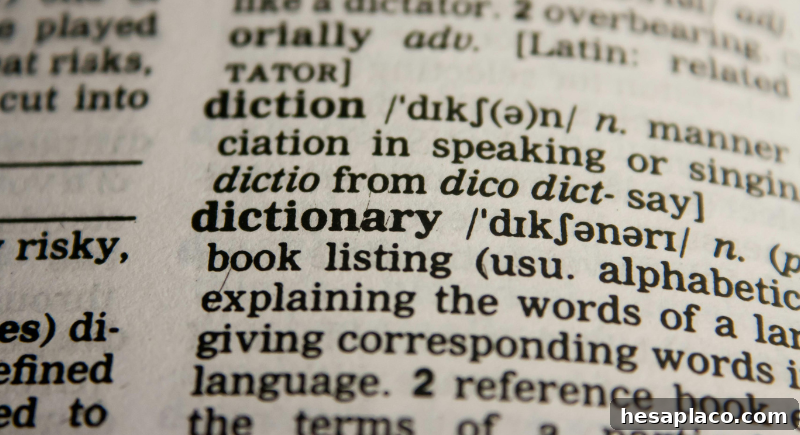
Translation apps like Google Translate and DeepL use neural networks to deliver accurate translations in real time, making it easier to navigate menus, signs, and conversations when traveling abroad. These tools support many languages and reduce misunderstandings.
Home Energy Use

Credit: pexels
Smart thermostats such as Ecobee learn household routines and adjust heating and cooling to save energy. By optimizing temperature schedules, these devices can reduce utility costs and increase comfort without daily manual adjustments.
Online Learning

Credit: pexels
Educational platforms like Duolingo, Khan Academy, and Quizlet incorporate AI to adapt lessons to each student’s strengths and weaknesses. This personalization increases engagement and helps learners progress more effectively over time.
Photo Organization

Credit: pexels
Services like Google Photos use AI to let you search your library with natural-language queries and to organize images by people, places, and events. These features simplify finding and reliving specific memories.
Resume Screening

Credit: pexels
Hiring platforms use AI to screen resumes and match candidates to roles based on relevant skills and experience. These tools speed up recruitment, reduce time spent on initial screening, and help employers identify qualified applicants more quickly.
Virtual Tutoring

Credit: pexels
AI tutoring apps like Socratic and Scribe guide students through problems step by step, offering tailored feedback and explanations. Available around the clock, these tools can reduce the need for paid tutoring and support independent learning.
Meal Planning and Cooking

Credit: iStockphoto
Meal-planning apps powered by AI can suggest recipes and shopping lists based on what you already have in your pantry. This reduces food waste, avoids unnecessary purchases, and helps families plan affordable, practical meals.
Subscription Management

Credit: Canva
Subscription-tracking apps scan accounts for recurring charges, flag upcoming renewals, and help cancel unwanted services. By highlighting small monthly fees that add up over time, these tools help users regain control of their budgets.