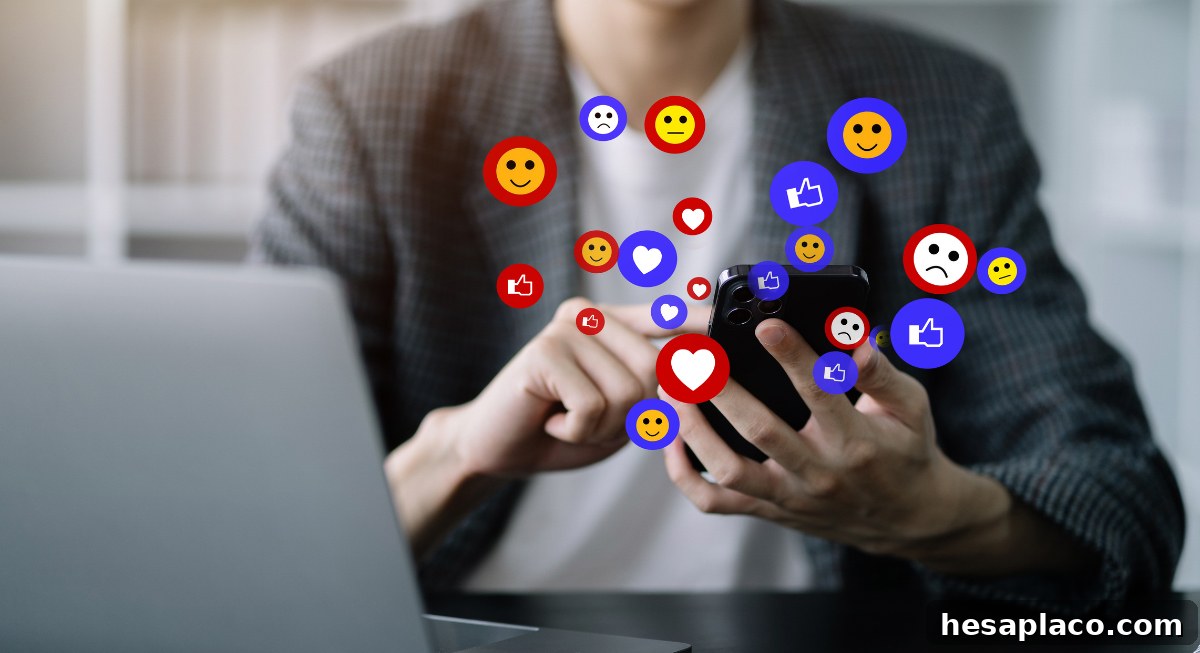
Companies trying to soften the blow of layoffs by adding emojis to termination notices are discovering that small icons rarely make a painful message kinder. What starts as a well-meaning attempt to humanize a difficult conversation often ends up feeling awkward, confusing, or outright offensive. When people’s livelihoods are on the line, an emoji can easily misfire and send the wrong signal.
Below is a closer look at how common emoji choices tend to undermine rather than help during layoffs.
The Disappointed Face Doesn’t Comfort

Credit: iStockphoto
The simple disappointed face was intended as a visual expression of sympathy. But when it appears in a message informing someone their role is ending, 😞 reads less like comfort and more like a token gesture stuck to a rejection. Repeating the emoji doesn’t increase empathy; it just highlights a clumsy attempt to inject feeling into a formal, painful announcement.
Tears in the Message, Not in the Budget
Credit: iStockphoto
Using the loudly crying face to signal sorrow while simultaneously announcing little or no support for departing employees creates cognitive dissonance. Instead of signaling shared pain, 😭 can come across as performative—an emotional flourish that doesn’t match the substance of the decision.
When the Emoji Matches Shareholder Priorities Too Well

Credit: iStockphoto
The money-face emoji designed to acknowledge financial drivers behind layoffs can be brutally honest—and brutally tone-deaf. When a message signals that decisions were made to satisfy shareholders, 🤑 crosses the line from candid to callous, putting people before profits in the worst possible light.
Devil Horns for HR? Really?

Credit: iStockphoto
When an emoji is selected to match branding colors rather than tone, problems follow. The devil-horn face intended to fit a palette came off as insulting or flippant, and attempts to counterbalance it with a haloed face made the communication seem unserious. Employees, and some internal groups, found the choice inappropriate for a sensitive announcement.
The Zany Face That Tried (And Failed) to Add Levity

Credit: iStockphoto
Injecting humor with a wacky face during a layoff announcement tends to backfire. Trying to be playful while terminating employment feels mismatched—like showing up to a breakup in a clown wig: confusing and insulting rather than comforting.
The Hug Emoji That Feels Unearned

Credit: iStockphoto
Opening a termination note with “We have an important update about your role 🤗” can feel condescending. A hug emoji suggests warmth that the message content doesn’t support, making the emoji seem like an insincere bandage on a serious wound.
Emoji Neutrality Doesn’t Neutralize the Message

Credit: iStockphoto
A neutral face may seem like a safe choice, but its emotional blankness often reads as indifference. For someone losing their job, a detached emoji can sting more than a direct, straightforward message. Emojis that say nothing often amplify feelings of abandonment.
Sincerity Doesn’t Scale Through Emoji

Credit: iStockphoto
Using a thoughtful-looking emoji to communicate concern can come across as superficial, especially when it accompanies rationales about cost or restructuring. A single small icon can’t substitute for meaningful support or clear explanations.
The Emoji That Raises Legal Eyebrows

Credit: iStockphoto
Some emoji choices create legal and reputational risks. When communications include icons that could be interpreted as mocking or flippant, legal teams often step in to assess tone, liability, and the potential for misunderstanding—an avoidable complication during an already delicate process.
Trying to Brand the Bad News

Credit: iStockphoto
Some teams justify emoji usage as “on-brand,” but branding is less important than clarity in a crisis. Employees who are being let go need direct, respectful communication and concrete information—not visual consistency that feels trivial in the face of life-changing news.
Adding Emojis to Soften Finance-Speak

Credit: iStockphoto
Wrapping financial explanations with a money emoji undermines empathy. When the visual focus shifts to dollars and cost savings, the message reads as prioritizing finances over people. That impression lingers, damaging trust at a moment when many need tangible support.
The Thumbs-Up That Feels Like a Slap

Credit: iStockphoto
A casual thumbs-up at the end of a goodbye note reads as tone-deaf. That emoji belongs in everyday confirmations—not in messages that mark the end of someone’s role. Rather than offering closure, it can feel dismissive and disrespectful.
Emojis Can’t Make Eye Contact
Credit: Reddit
Email and chat messages already remove the human element from a difficult conversation. Tossing in an emoji doesn’t restore that connection. In moments that require empathy, people want sincerity, clear communication, and opportunities for dialogue—not symbolic gestures that substitute for real contact.
The Celebratory Emoji That Missed the Moment

Credit: iStockphoto
Using a party emoji to frame layoffs as a “new chapter” creates the impression of celebration at someone else’s expense. Even if meant to highlight a positive future for the company, 🎉 next to news about job losses reads as insensitive to those who have to leave.
Emoji Overload Signals Poor Judgment

Credit: iStockphoto
Piling multiple emojis into a subject line makes a layoff announcement feel unprofessional. A string of icons turns a serious update into something resembling a group chat, signaling a failure to read the room and undermining the credibility of the message.
The Praying Hands Offer No Real Solace

Credit: Getty Images
The folded-hands emoji can mean prayer, gratitude, or apology—ambiguity that creates confusion during layoffs. Dropping it into a termination notice often signals a mix of corporate damage control and half-hearted sympathy, which most recipients quickly see through.
The Rocket Ship Misplaces the Focus

Credit: iStockphoto
Pairing growth-focused visuals like a rocket with messages about layoffs creates a jarring disconnect. While leaders talk about future momentum, departing employees are dealing with immediate practicalities like insurance and job searches. The celebratory tone of 🚀 makes the message seem detached from the realities facing those affected.
In short, emojis can’t replace thoughtful communication. During layoffs, clarity, respect, and practical support must come first. Small digital stickers may be fine for casual conversations, but when lives and livelihoods are involved, organizations should rely on direct language, transparent reasoning, and humane processes rather than emoji-driven attempts at empathy.