
A booming stock market can paint a picture of economic health, but pawn shops tell a different story. Owners across the country report more people walking in needing quick cash for groceries, rent, gas, or unexpected bills. Many of these customers hold steady jobs yet still struggle to stretch their paychecks through the month. The contrast between Wall Street’s record highs and the realities inside pawn shops has grown increasingly stark.
Jewelry Has Become Emergency Savings

Credit: pixelshot
Where a wedding ring once primarily symbolized commitment, it increasingly functions as short-term savings. Pawn shops report customers bringing in personal jewelry not only for major crises but to cover routine expenses. Many of these borrowers return after payday to reclaim their items, treating heirlooms and accessories as temporary financial cushions.
Suburban Customers Are Showing Up More Often

Credit: Getty Images
Longtime pawn shop operators note a rise in suburban clients. People who once relied on credit cards, bank loans, or other mainstream financial options now bring watches, gold jewelry, and coin collections into stores to obtain quick cash. This shift signals that financial strain has spread beyond traditional urban or low-income areas into communities that historically had easier access to credit.
Gas Prices Hit Pawn Shops Faster Than Wall Street

Credit: Getty Images
A sudden rise in gas prices often shows up at pawn shop counters almost immediately. Even a single week of pricier fill-ups can push people to pawn jewelry, electronics, or other valuables for short-term loans. While Wall Street tends to react to corporate earnings, central bank signals, or investor sentiment, pawn shops reflect immediate household pressures: when commuting and everyday costs increase, many need extra cash just to get through the week.
Most Customers Are Still Employed

Credit: pexels
The stereotypical image of a pawn shop customer—unemployed or in deep financial trouble—no longer captures the majority of visitors. Store owners say many borrowers work full time but still come up short before payday. As one industry veteran put it, there is “too much week left at the end of the paycheck.” This reality highlights underemployment and rising living costs even among the employed.
Rising Gold Prices Boost Borrowing Power

Credit: Getty Images
Higher gold prices have an unexpected effect on pawn stores: jewelry, silverware, and old coins gain greater borrowing value. Customers can secure larger loans using the same items than they could a few years ago, making pawning a more effective short-term option when precious metal prices rise.
Discount Shopping Habits Are Widespread

Credit: pexels
Economists tracking pawn shop trends also find changes in consumer behavior outside these stores. Many shoppers increasingly comparison-shop between supermarkets looking for lower prices and opt for store-brand products more often. These cost-conscious habits typically appear during periods of financial caution and contrast sharply with headlines celebrating record stock indexes like the Nasdaq or S&P 500.
Wall Street Investors Rarely Pawn Their Valuables
Credit: Getty Images
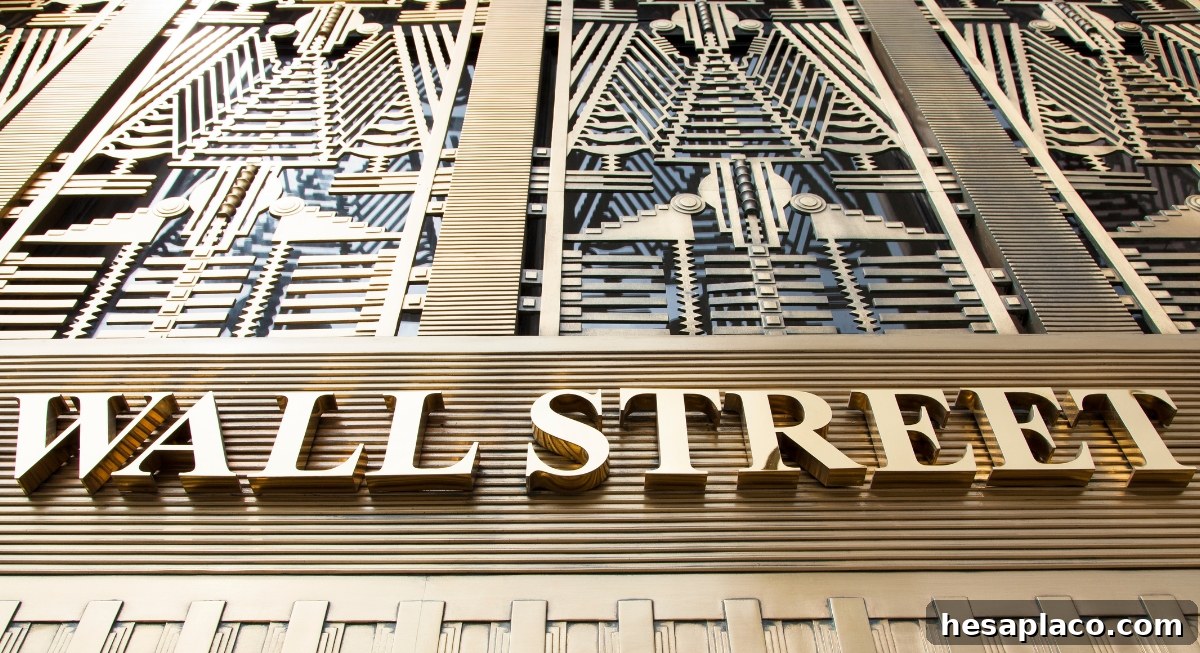
Pawn shop owners often joke that their customers are not hedge fund managers celebrating market gains. Most Americans have little direct exposure to stock market windfalls beyond small retirement accounts. That creates a disconnect: a rising S&P 500 can boost retirement balances for wealthier investors, while many households continue to face immediate liquidity shortages that never register in market headlines.
The Industry Itself Is Growing Fast
Credit: Getty Images
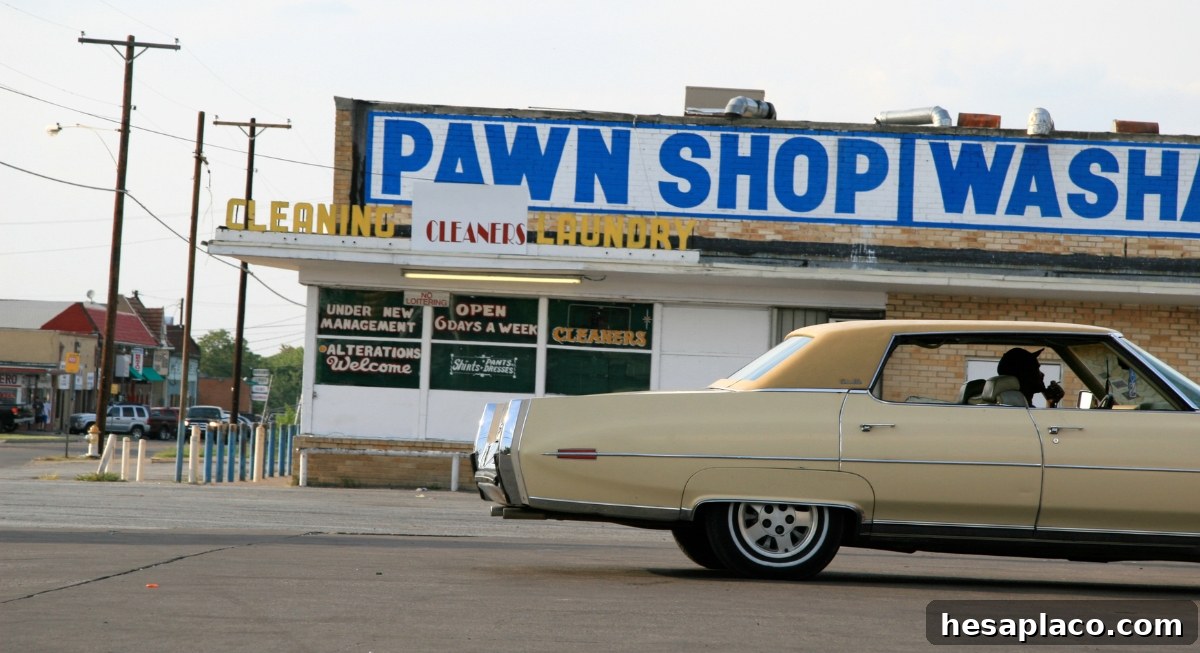
Market research suggests the global pawn shop industry could approach $60 billion within the next decade. Pawn businesses typically expand when households face financial stress, so investors have taken notice. Analysts now consider pawn companies attractive in part because demand for short-term, collateral-based loans is rising—creating a feedback loop where economic strain fuels industry growth that, in turn, draws investor interest.
More Women Are Using Pawn Services

Credit: pexels
Several operators report a noticeable increase in female customers. Where previously men may have dominated transactions, many women now visit pawn shops seeking temporary loans backed by bracelets, necklaces, or inherited pieces. Rising childcare costs and household expenses are likely factors contributing to this demographic shift.
Pawn Shops See Trouble Before Economists Do

Credit: pexels
Pawn shop counters can reveal economic stress well before official statistics do. Owners notice shifts in customer behavior almost immediately after layoffs or inflation spikes. One operator likened pawn shops to a “canary in the coal mine” for the economy: while indexes like the S&P 500 measure investor confidence, pawn shops track a less glamorous but vital metric—how many people need fifty dollars before Friday.