Retiring in Uruguay may not be the first option that comes to mind, but this compact South American country offers many advantages for retirees. Affordable healthcare, stable infrastructure, low crime rates, and a high quality of life combine with scenic coastlines and peaceful countryside to make Uruguay an appealing retirement destination. Below are some of the best places to consider, from vibrant cities to quiet beach towns and inland communities.
Montevideo
Credit: Wikimedia Commons
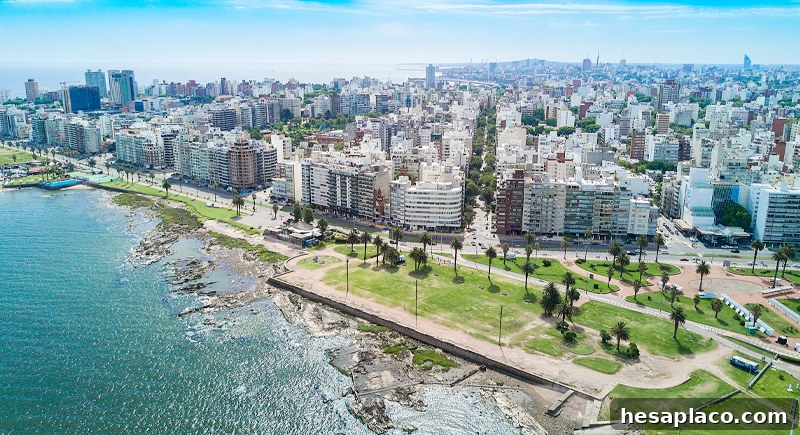
Uruguay’s capital offers excellent healthcare, reliable internet, and walkable neighborhoods—important features if you plan to stream, video-call family, or manage remote work. Living costs are reasonable for a capital city; a two-bedroom rental can often be found for under $800 per month. Neighborhoods such as Carrasco and Pocitos are known for feeling safe and relaxed, even at night.
Piriápolis
Credit: flickr
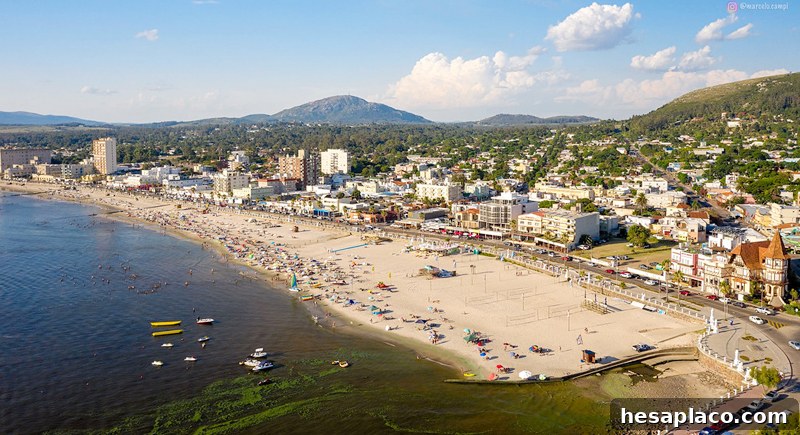
Piriápolis blends relaxed beach vibes with historic charm. Quieter than the glitzier Punta del Este, it still delivers ocean views and gentle seaside living without large crowds. Expats appreciate its small-town atmosphere and low crime levels. Dining out is affordable and a beachfront boardwalk provides a pleasant spot for evening strolls.
Punta del Este
Credit: Wikimedia Commons
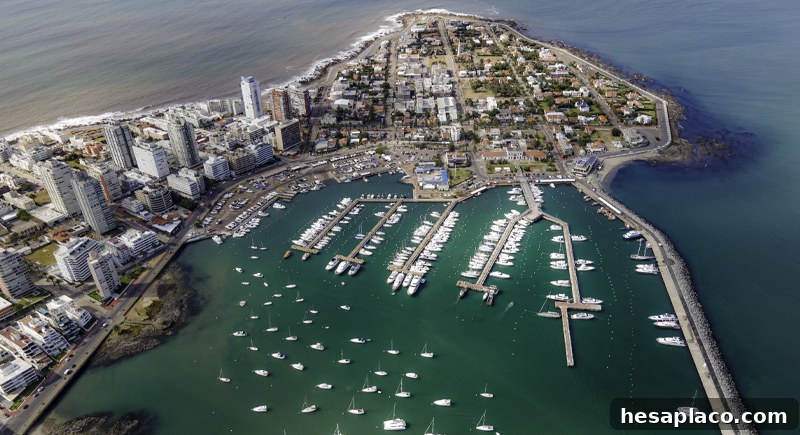
Punta del Este is the country’s premier resort town—flashy and pricier, but ideal if you want upscale amenities and a cosmopolitan expat community. The off-season calms considerably, making it attractive for retirees who enjoy cultural events, fine dining, and high-quality private healthcare where many physicians speak English.
Maldonado
Credit: iStockphoto
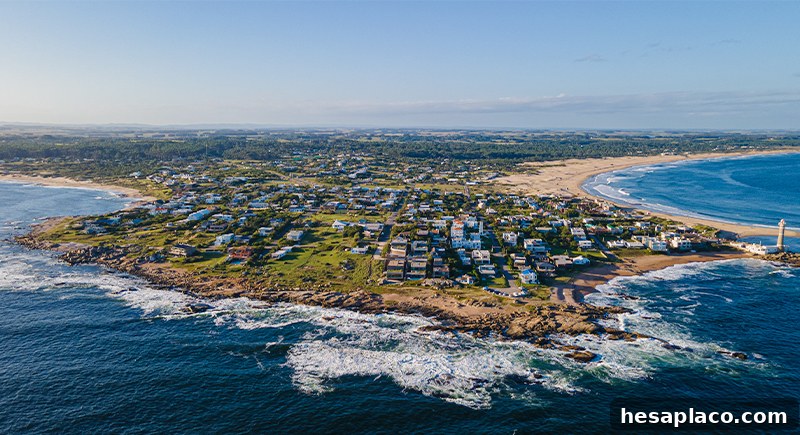
Maldonado sits near Punta del Este and offers many of the same conveniences with lower rents and a slower pace. Healthcare access remains strong and beaches are close by. Modest apartments are often significantly cheaper here—around $500 a month—making it a practical option for retirees seeking comfort without the premium price.
La Paloma
Credit: Wikimedia Commons
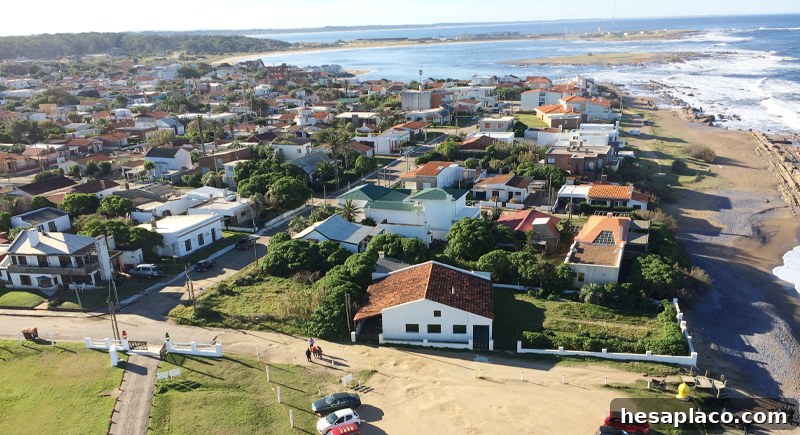
La Paloma on the Atlantic coast feels like a vintage surf town with a relaxed, friendly atmosphere. Unpaved streets and a local, neighborly culture give it a timeless quality. Property prices are affordable—small beachside houses can be under $100,000—and daily life includes fresh fish from local boats and spectacular sunsets.
Atlántida
Credit: Wikimedia Commons
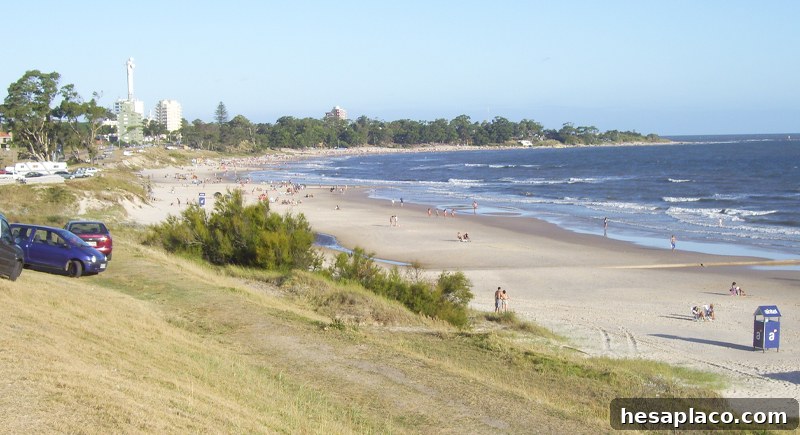
Less than an hour from Montevideo, Atlántida offers beach living with quick access to city services. Retirees favor its relaxed pace, availability of long-term rentals, and decent public transportation. Tree-lined streets and pleasant coastal breezes make it a walkable and comfortable place to live.
Colonia del Sacramento

Credit: flickr
Colonia del Sacramento, with its cobblestone streets and historic charm, is a UNESCO World Heritage site that still feels lived-in and relaxed. A fast ferry connects Colonia to Buenos Aires in a little over an hour, making it convenient for retirees who want quiet surroundings but enjoy easy international access for culture, shopping, or medical appointments.
Carmelo
Credit: Instagram
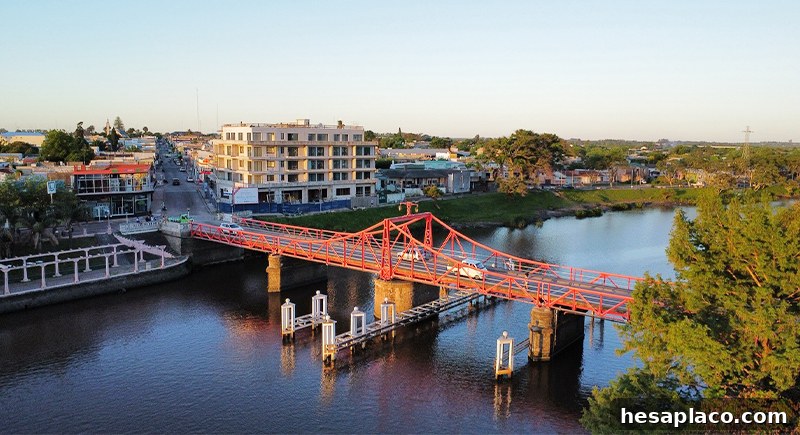
Carmelo sits along the Río de la Plata and combines vineyards, fishing, and a tranquil pace that many retirees find restorative. Land and building plots are affordable for those interested in constructing a custom home. A short ferry ride makes trips to Buenos Aires feasible for excursions or errands.
Las Toscas
Credit: Youtube
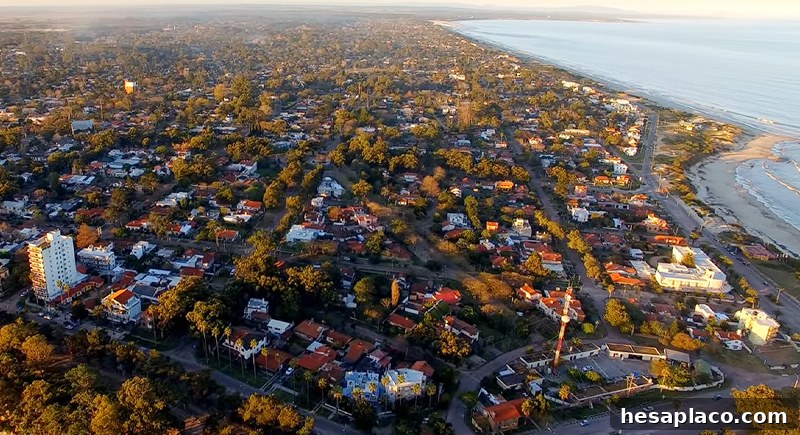
Las Toscas appeals to retirees who prefer quiet neighborhoods and abundant trees to busy tourist centers. About 30 minutes from Montevideo, it offers affordable homes set among pine forests, local barbecues, and small markets. Real estate prices can be very reasonable, with houses available under $70,000 and ample room for gardening.
Rocha
Credit: flickr
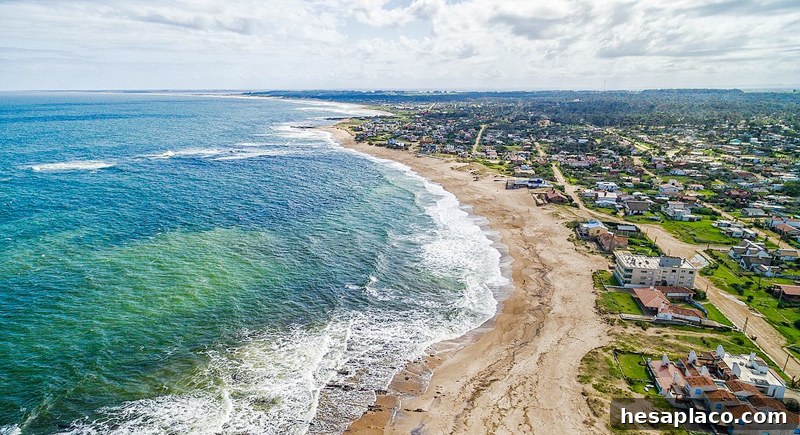
Located on Uruguay’s eastern edge, Rocha is for retirees seeking solitude, wide-open spaces, and proximity to protected parks and surf beaches. Life here moves slowly and peacefully. Healthcare facilities are more limited than in larger centers, so many residents travel to nearby towns for specialized care.
Ciudad de la Costa
Credit: Wikimedia Commons
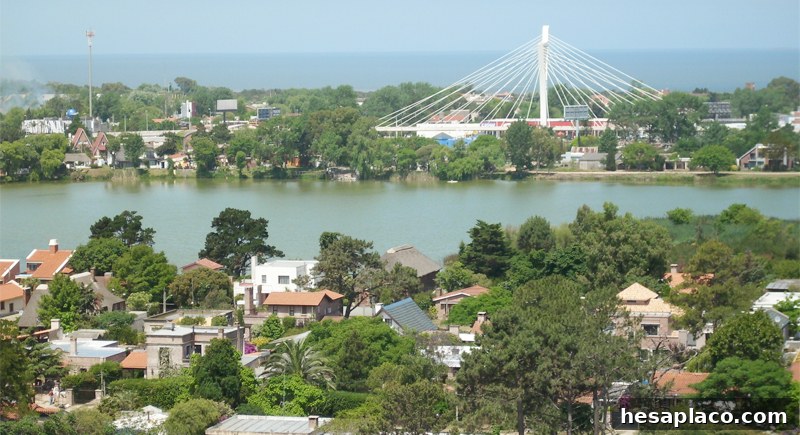
Stretching along 30 miles of coastline just east of Montevideo, Ciudad de la Costa combines beach access with urban amenities. As Uruguay’s second most populated area, it offers clinics, supermarkets, and modern housing developments. Property prices are typically lower than in the capital—averaging around $90,000—and fiber-optic internet supports reliable remote living.
San José de Mayo
Credit: Instagram
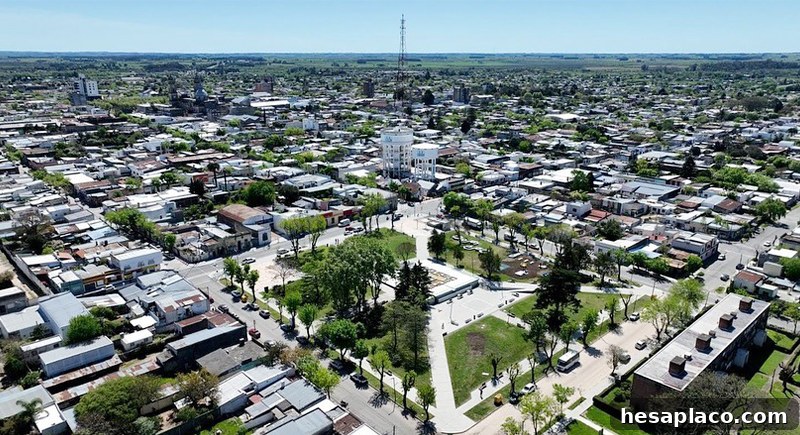
San José de Mayo appeals to retirees who prefer cultural life and countryside comforts. The city supports a lively arts scene and has a solid hospital system. Cost of living is low, with attractive homes often available for under $90,000. Many expats settle here long-term because the town feels authentically Uruguayan without being remote.
Minas
Credit: flickr
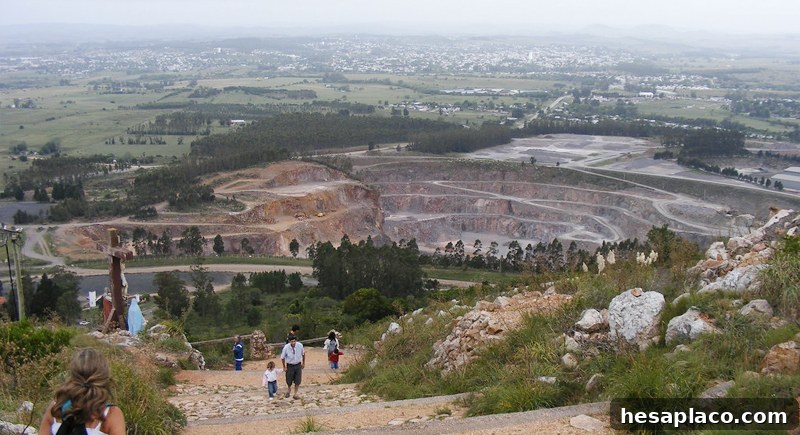
Set inland among rolling hills and cooler temperatures, Minas is a good choice for retirees who prefer milder weather and scenic landscapes. Real estate is highly affordable, with homes frequently listed under $60,000. The community is welcoming and active, with regular events at the town square that prevent it from feeling isolated.
Aguas Dulces
Credit: Instagram
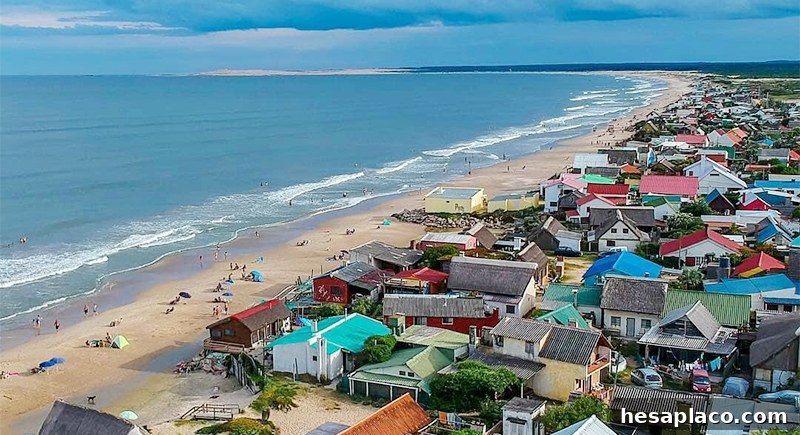
Aguas Dulces, on the Atlantic coast in Rocha Department, is a tiny beach community of roughly 500 residents. It attracts retirees seeking simple coastal living. Properties can be very affordable—often under $50,000—and many homes are only steps from the shore. Services are limited and roads are sandy, but the town’s natural beauty, fresh seafood, and small expat circle appeal to those who want to unplug.
Nueva Helvecia
Credit: Wikimedia Commons
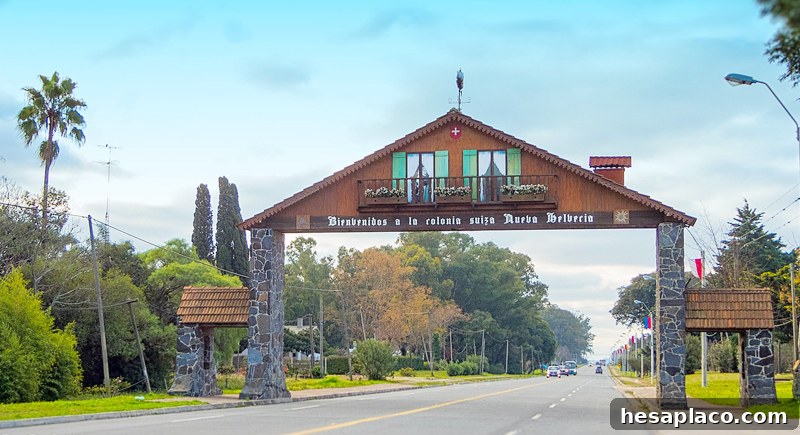
Nueva Helvecia mixes Swiss heritage with Uruguayan warmth. The town is tidy, well-organized, and supported by solid infrastructure. It attracts a substantial European expat community and offers well-built homes at moderate prices. The strong sense of community and local traditions make it a place where many people choose to settle for the long term.
Salto
Credit: Wikimedia Commons
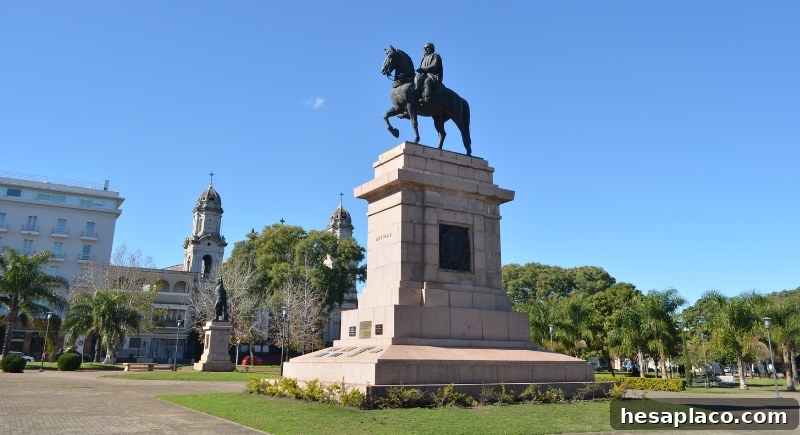
Salto is known for its thermal springs, which are a major draw for retirees who enjoy daily soaks and a relaxed routine. The city also has riverside parks, markets, and small cafés, with housing costs lower than Montevideo. It’s a calmer environment overall, though summers can be very hot for those used to cooler climates.
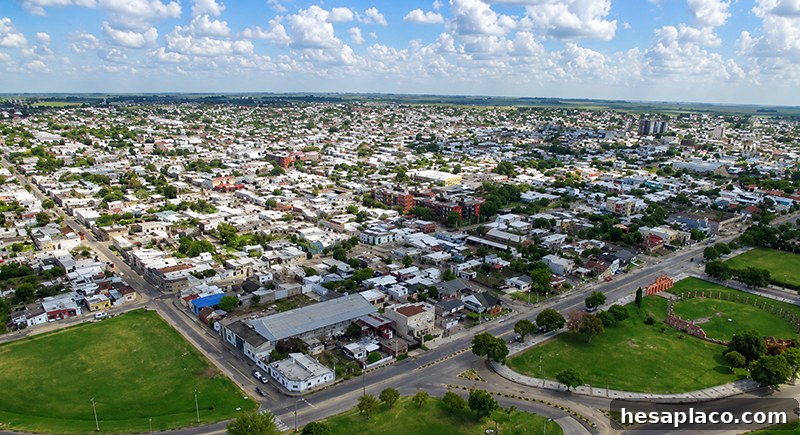
Mercedes
Credit: Youtube
Mercedes, set along the Río Negro, offers tree-lined streets, fishing spots, and a friendly downtown where people still gather outside bakeries and chat. Life here moves at an easy pace, appealing to retirees who value routine, space, and community. Those seeking active nightlife or busy beaches may prefer a different location, but Mercedes is ideal for calm everyday living.