
Every brand aims for longevity, but not all can withstand rapid change or fierce competition. Success often depends on knowing when to stick with what works and when to stop pushing irrelevant products or strategies.
The companies below offer hard-earned lessons in how poor choices, missed opportunities, and misread customer signals can derail once-dominant brands.
JCPenney Misread What Shoppers Valued

Credit: flickr
In 2012, JCPenney attempted to “simplify” shopping by eliminating frequent sales and adopting everyday low pricing. Although the sticker prices were often lower, the elimination of visible discounts removed the emotional reward customers associate with bargains. Shoppers who enjoyed the thrill of markdowns left, and foot traffic declined. The strategy, coupled with other operational issues, contributed to the company’s slide into bankruptcy by 2020.
MoviePass Promised Too Much for Too Little

Credit: flickr
MoviePass offered an unlimited movie subscription at a price that barely covered a single ticket, attracting massive subscriber growth. The model underestimated demand and overestimated the company’s capacity to sustain the economics. Rapid cash burn, shifting pricing experiments, and loss of customer trust undermined the business, and MoviePass effectively shut down by 2020.
Blockbuster Underestimated Netflix — Twice

Credit: flickr
Blockbuster initially dismissed Netflix’s mail-based DVD rental service and later declined opportunities to acquire the company. Those missed chances, along with a slow and ineffective move into streaming, allowed competitors to seize the future of home entertainment. Once the streaming shift accelerated, Blockbuster’s model became obsolete — leaving only a single franchised store as a nostalgic relic.
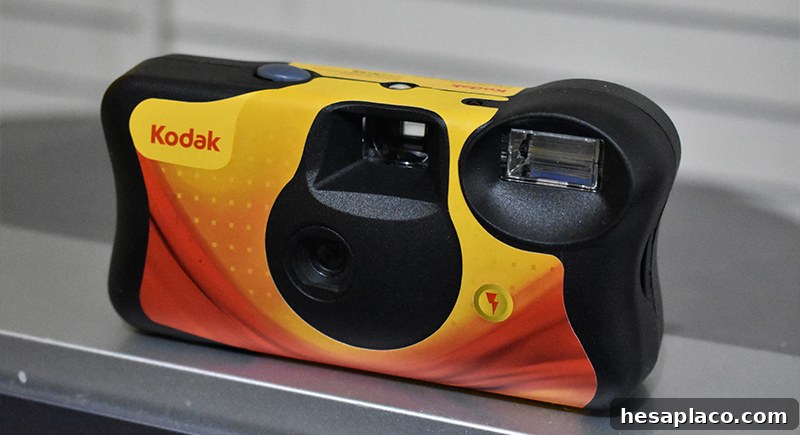
Kodak Ignored Its Own Innovation
Credit: Wikimedia Commons
Kodak developed key digital imaging technology decades before digital cameras became mainstream, but the company feared cannibalizing its lucrative film business and delayed embracing the new format. By the time Kodak pivoted, rivals had already captured the market. The failure to act on its own invention was a major factor in Kodak’s decline and eventual bankruptcy filing in 2012.
Yahoo Walked Away from Google and Facebook

Credit: flickr
Yahoo once had opportunities to acquire promising startups and aggressively shape the emerging web, including the chance to buy Google and later to make serious offers for Facebook. Strategic missteps and a scattered focus on media rather than core search and advertising allowed competitors to dominate. By 2017 Yahoo had been sold at a fraction of its former value.
Borders Outsourced Its Future to Amazon

Credit: flickr
Borders made a surprising decision to outsource its online bookstore to a competitor—Amazon—just as consumers shifted to online shopping. Meanwhile, Borders underinvested in its own e-commerce and ebook initiatives. The reliance on physical stores and failure to build a robust digital channel contributed to the chain’s liquidation in 2011.
BlackBerry Clung to the Physical Keyboard

Credit: flickr
BlackBerry built strong loyalty among business users with its physical keyboards and secure messaging. However, the company underestimated how quickly consumer preferences would shift toward touchscreen smartphones and app ecosystems. Slow to adapt, BlackBerry lost market share and stopped producing its own phones by 2017.
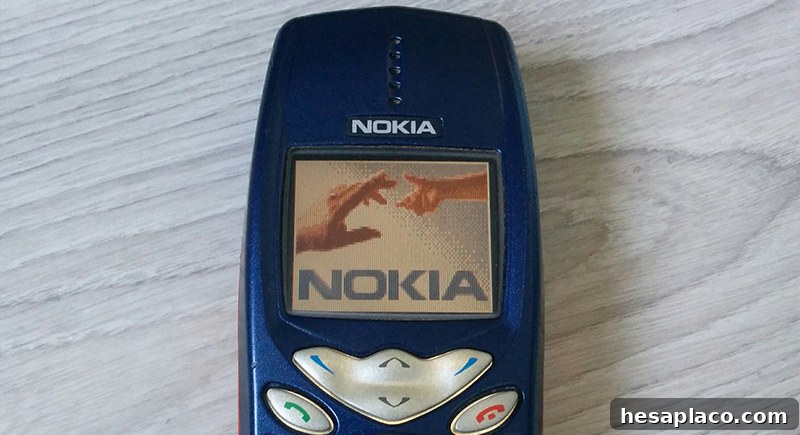
Nokia Failed to Pivot When It Counted
Credit: Wikimedia Commons
Nokia once led the mobile phone market but misjudged the rise of software-centric smartphones. Instead of embracing Android or building a compelling proprietary platform, Nokia partnered with Windows Phone, which struggled to attract developers and users. The result was a rapid decline in handset relevance as competitors surged ahead.
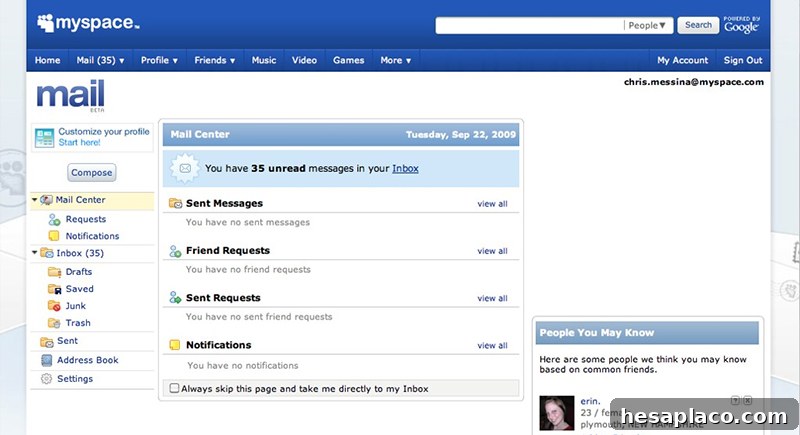
Myspace Overlooked Facebook’s Momentum
Credit: flickr
MySpace dominated early social networking but failed to evolve its user experience and product focus as Facebook gained traction. Cluttered layouts, inconsistent product decisions, and a late effort to reposition as a music hub weren’t enough to recover lost users, many of whom migrated to cleaner, more user-friendly platforms.
Red Lobster Mispriced a Promotional Gamble

Credit: Wikimedia Commons
In 2003, Red Lobster launched a widely publicized all-you-can-eat snow crab promotion that attracted customers in droves. The company underestimated how that demand and rising seafood costs would impact margins. The promotion turned into a costly miscalculation, contributing to financial strain and leadership changes.
David’s Bridal Discounted Itself Into Trouble

Credit: Wikimedia Commons
David’s Bridal pursued aggressive discounting and rapid expansion following a leveraged buyout. Deep promotions without careful financial controls, combined with high debt, left the company vulnerable. The brand filed for bankruptcy in 2018 and has since been working to regain stability.
Photobucket Shocked Users with Sudden Fees

Credit: Reddit
In 2017, Photobucket introduced a sudden and steep annual fee for image hosting that disrupted many users and third-party communities. The abrupt pricing change drove users away and diminished the site’s cultural relevance as alternatives like Google Photos and other free services filled the void.
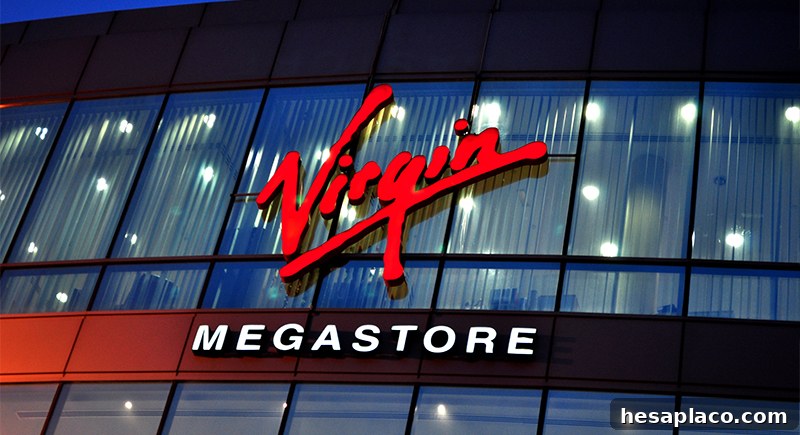
Virgin Megastores Missed the Streaming Shift
Credit: Wikimedia Commons
Virgin Megastores focused on CDs and in-store experiences long after digital downloads and streaming reshaped music consumption. The retailer’s slow adaptation and insufficient investment in digital services led to the closure of its U.S. stores by 2009 as the industry moved online.
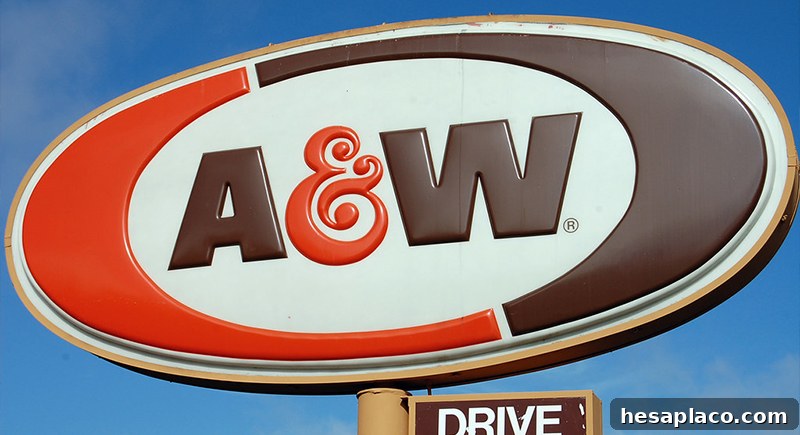
A&W Misread Simple Math and Customer Perception
Credit: flickr
A&W introduced a third-pound burger to compete with McDonald’s Quarter Pounder at the same price. Unexpectedly, some customers perceived the third-pound size as less than a quarter-pound because “3” looks smaller than “4.” The misstep highlighted how even clear product advantages can fail if customers misunderstand them.
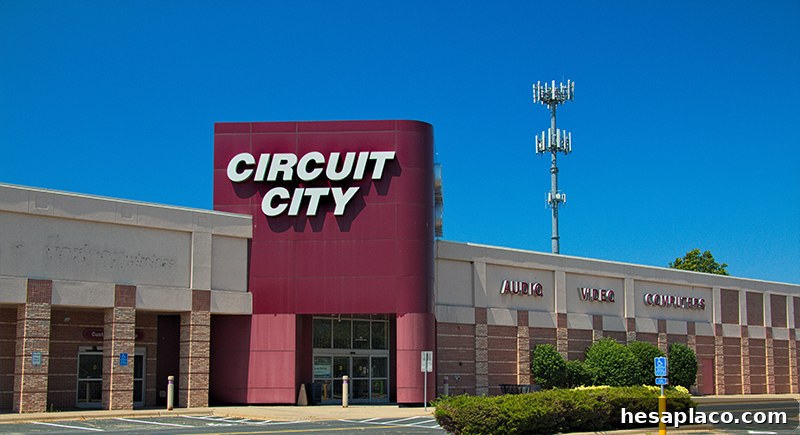
Circuit City Cut Expertise and Paid the Price
Credit: Wikimedia Commons
In 2007 Circuit City laid off thousands of experienced sales staff to cut costs, replacing them with lower-wage employees. The loss of product expertise and customer service, combined with increased competition and strategic errors, led to falling sales and a 2008 bankruptcy filing that forced many store closures.
Quaker Oats Botched the Snapple Acquisition

Credit: Wikimedia Commons
Quaker Oats paid $1.7 billion for Snapple in 1994 but mishandled distribution and marketing. Snapple’s success depended on convenience-store and regional channels, yet Quaker pushed the brand through the wrong retail systems. Sales declined and the company sold Snapple just a few years later at a steep loss.
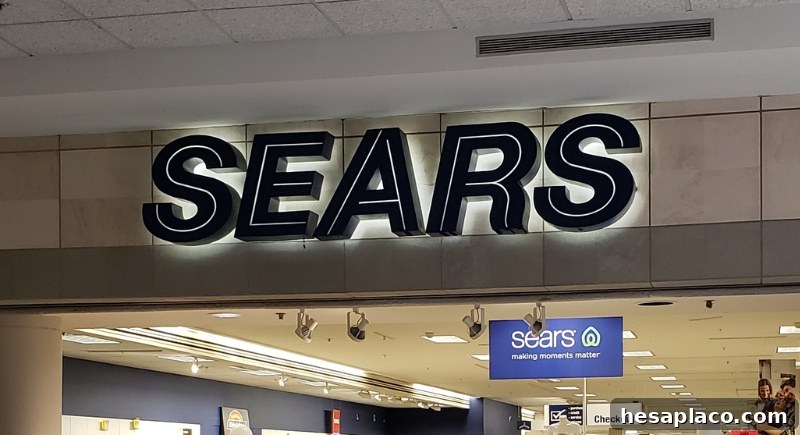
Sears Abandoned the Catalog That Built It
Credit: Wikimedia Commons
For generations, the Sears catalog connected the company to households across America. As retail evolved, Sears reduced investment in the catalog and shifted strategies that weakened its connection to customers in smaller communities. Losing touch with the audience that once relied on the catalog contributed to a long decline in relevance and store closures.