
Some robberies are chaotic acts of desperation. Others were carefully orchestrated operations executed by teams who knew exactly what they were doing. These heists seized millions in cash and valuables through tunnels, explosives, insider access, deception, and, in a few cases, audacious boldness. Below are some of the most methodical and infamous bank robberies in history.
Stay with us for the final entry: the largest bank theft on record, involving a dictator and nearly a billion dollars in cash.
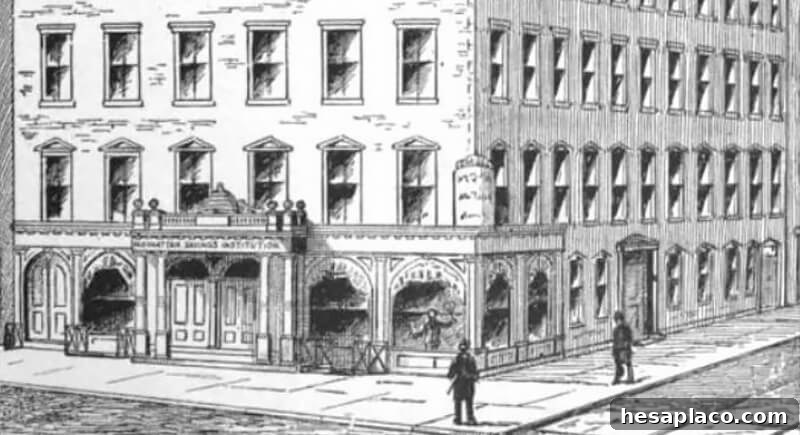
Manhattan Savings Institution Robbery (1878)
Credit: Wikipedia
In 1878 a professional gang led by George Leslie stole an estimated $2.7 million from the Manhattan Savings Institution—a staggering amount for the time. Leslie, an architect-turned-thief, planned the operation with meticulous care, but was murdered before the job. His crew proceeded using copied keys and inside assistance to access the vaults. Authorities recovered a significant portion of the stolen funds, but the brazen theft remains a landmark in bank-robbing history.
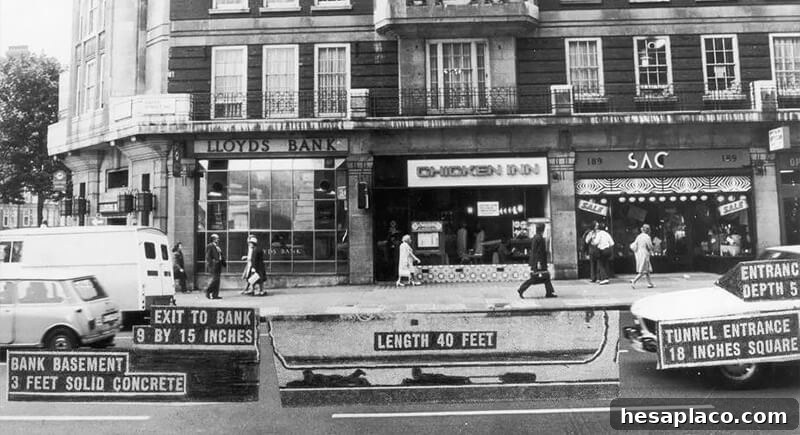
Baker Street Robbery (1971)
Credit: Reddit
In London, thieves rented a shop two doors down from Lloyds Bank, tunneled through the floor and into the bank’s vault, then emptied safe deposit boxes over a weekend. The break-in was so cleanly executed that it went unnoticed until Monday morning. Estimates of the haul vary, but valuables taken were worth as much as £3 million. The operation’s radio transmission—”We’re in the vault. It’s all go.”—was famously intercepted by an amateur radio operator.
British Bank of the Middle East Robbery (1976)

Credit: Facebook
During the Lebanese civil war, attackers used explosives to blast into the British Bank of the Middle East in Beirut. Locksmiths then opened vaults amid the surrounding chaos. Over two days the thieves removed cash, gold, and securities estimated at $44.5 million. Given the lawlessness of the period, no one was ever definitively charged and much of the loot vanished into the fog of conflict.
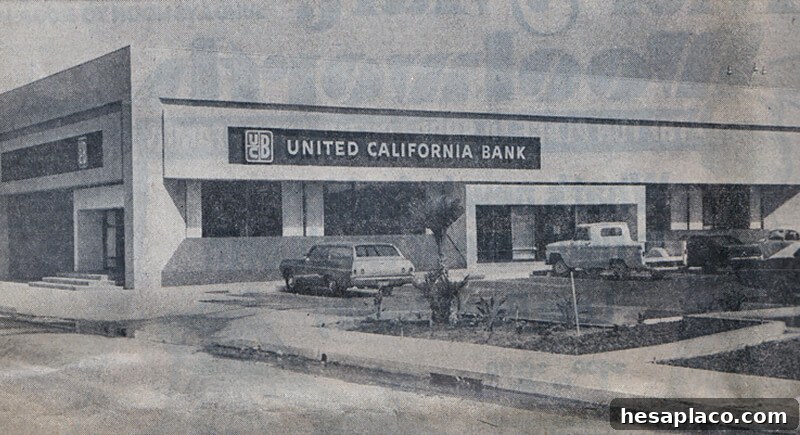
United California Bank Heist (1972)
Credit: Instagram
Amil Dinsio and his crew believed President Nixon maintained a secret slush fund at a California bank. They used explosives to breach the vault and took roughly $30 million. The gang nearly escaped unpunished, but a crucial fingerprint left on a dishwasher in a rental hideout ultimately helped investigators crack the case.
Seafirst Bank Robbery (1997)

Credit: Yahoo
Ray Bowman and Billy Kirkpatrick carried out a flawless-looking daylight robbery in Seattle, walking into Seafirst Bank dressed in long coats and using automatic weapons to intimidate staff. They emptied a vault and escaped with about $4.4 million. The FBI dubbed them the “Trenchcoat Robbers.” Their calm, professional approach allowed them to operate for a time, but earlier similar jobs eventually led to their capture.
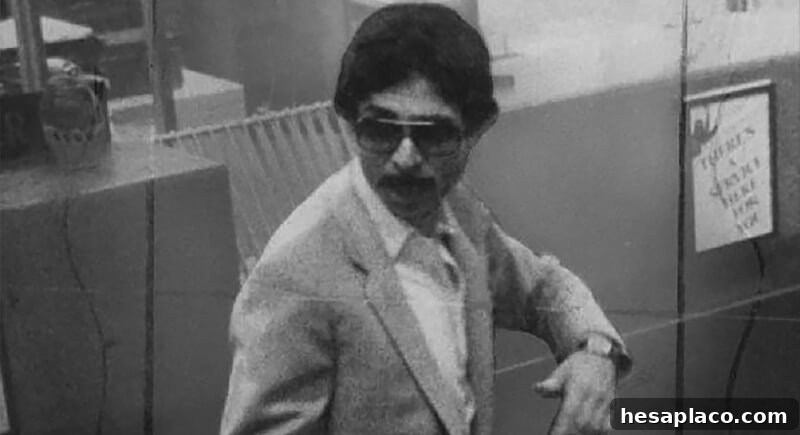
Commonwealth Bank Robbery, Sydney (1984)
Credit: bunniestv
In Sydney, a group of masked men forced staff at the George Street branch to open the vault and walked out with more than AUD 1 million. There were no elaborate tunnels or disguises—just a bold hold-up that prompted a nationwide review of bank security procedures.
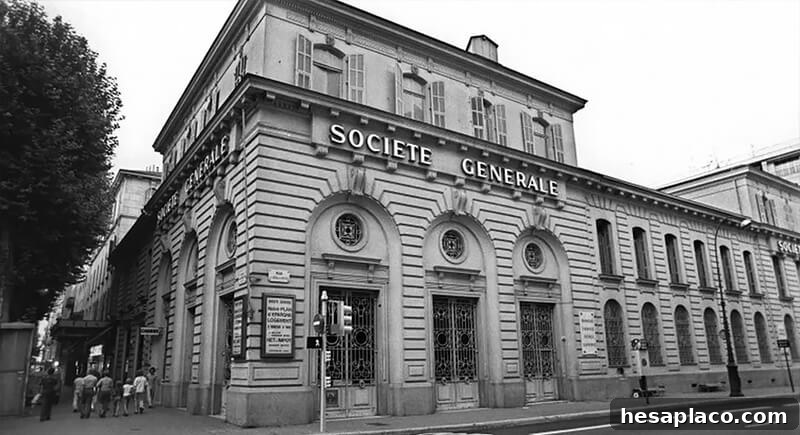
Société Générale Heist, Nice (1976)
Credit: bbc
Albert Spaggiari and his team spent months digging a tunnel from the sewer to the vaults of Société Générale in Nice. They entered on a quiet weekend, cracked open more than 400 safety deposit boxes and made off with a large haul. Before leaving they scrawled a message: “Without weapons, nor hatred, nor violence.” The poetic note didn’t spare them from later arrests, and some of the stolen goods were never recovered.
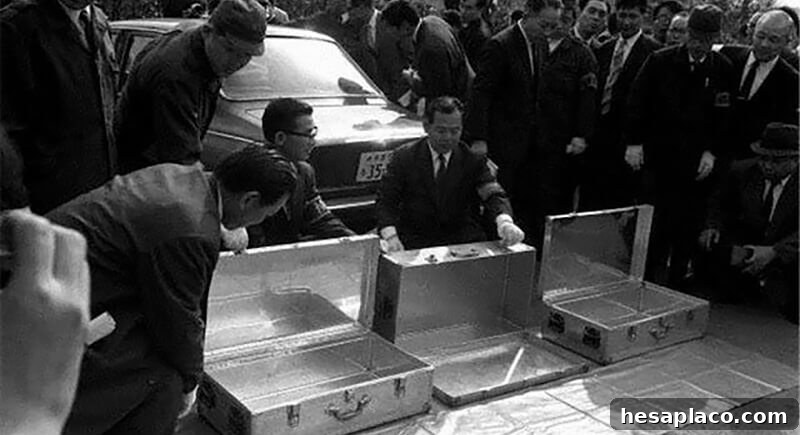
300 Million Yen Robbery, Tokyo (1968)
Credit: Facebook
In Tokyo a man impersonated a police officer and stopped a bank vehicle carrying employee bonuses for Toshiba. Claiming an explosive device was present, he convinced staff to evacuate the vehicle, then drove away with approximately 294 million yen. Japanese authorities conducted extensive inquiries, but the case remains unsolved and is one of the country’s most notorious robberies.
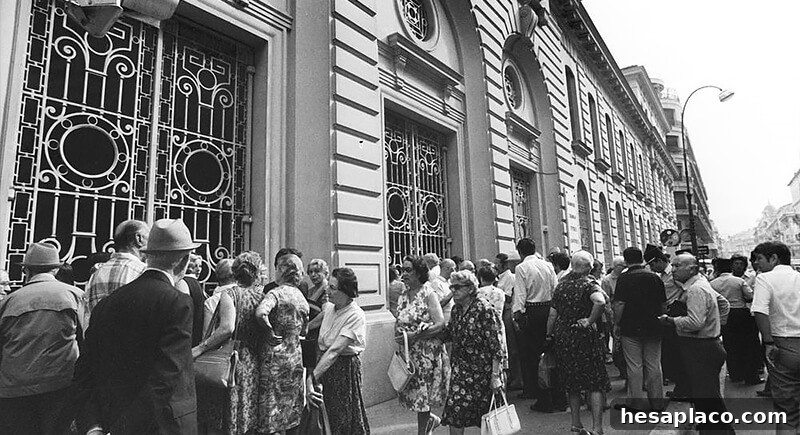
Bank of France Robbery, Saint-Nazaire (1986)
Credit: BBC
Armed robbers stormed the Saint-Nazaire branch of the Bank of France, held employees at gunpoint and fled with about €11 million before authorities could intervene. Although some suspects were later arrested, a significant portion of the stolen money was never recovered.
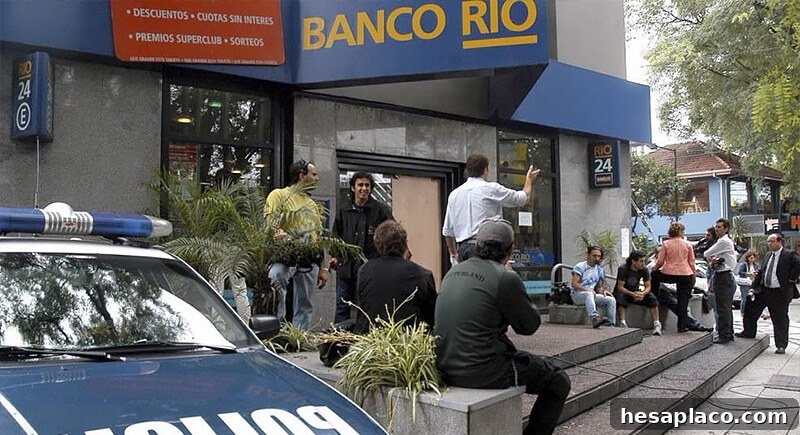
Banco Río Heist, Argentina (2006)
Credit: Facebook
In Buenos Aires, robbers posed as hostage-takers and created a staged standoff that distracted police. While police were occupied negotiating, the crew escaped through a pre-prepared tunnel to a neighboring building after emptying more than 100 safety deposit boxes. They left behind a note that read, “It’s not love, it’s just money.” The theatrical deception and clever escape still draw attention from crime historians.
Northern Bank Robbery, Belfast (2004)
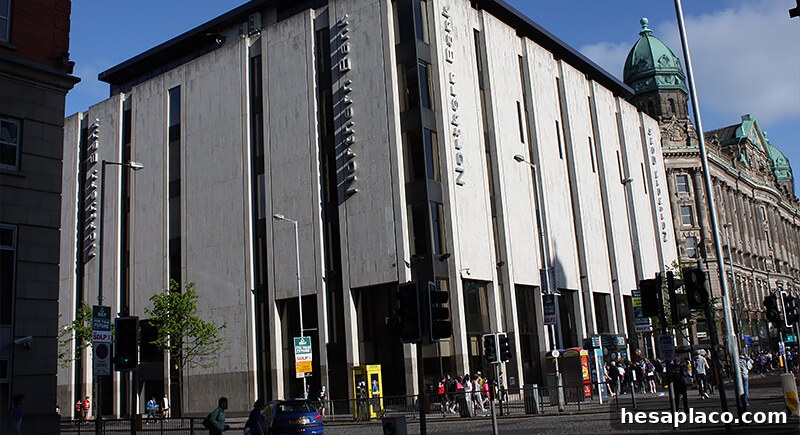
Credit: Wikipedia
In one of the UK’s most dramatic robberies, criminals held two bank executives’ families overnight and coerced the executives the next day to unlock vaults. The gang loaded £26.5 million into vehicles and vanished. Although investigative leads later pointed to links with paramilitary groups, the crime remains officially unsolved and the majority of the money has never been recovered.
Knightsbridge Safe Deposit Centre Heist (1987)
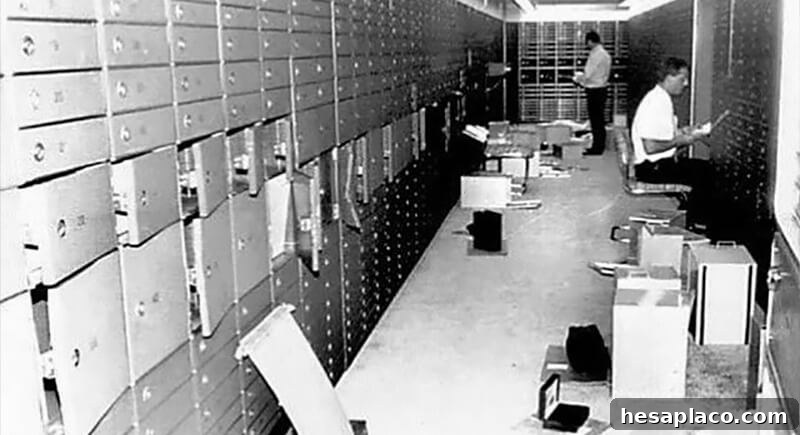
Credit: Instagram
Valerio Viccei, an Italian who cultivated a flashy lifestyle, entered the Knightsbridge Safe Deposit Centre posing as a prospective client, then overpowered staff and allowed his accomplices to clear hundreds of boxes. The thieves made off with valuables estimated at $97 million. Viccei was later apprehended while attempting to ship his Ferrari out of the country—his charm couldn’t hide his slip-up.
Banco Central Burglary, Brazil (2005)
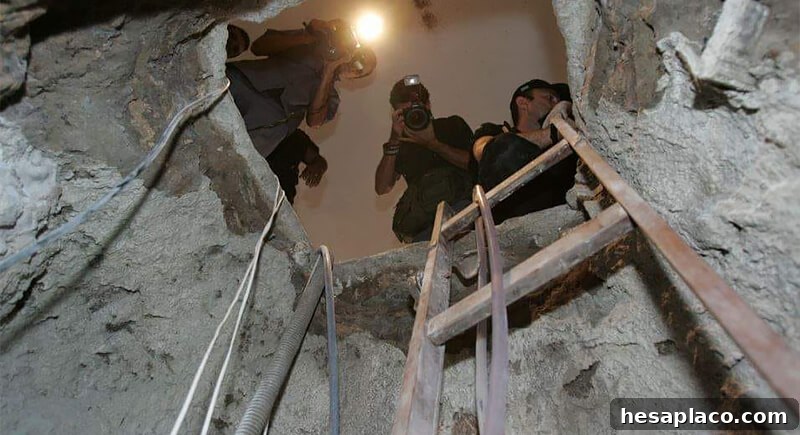
Credit: Facebook
A group posing as landscapers rented a property near the Banco Central in Fortaleza, Brazil, then spent three months digging a 78-meter tunnel directly into the bank vault. Over a weekend they carried away roughly $71.6 million in used notes. Despite arrests and an extensive investigation, only a fraction of the cash was ever recovered, making this one of Brazil’s most staggering thefts.
Dar Es Salaam Bank Heist, Baghdad (2007)

Credit: Reddit
Insiders at Dar Es Salaam Bank in Baghdad reportedly removed $282 million in cash from the institution. Security guards with connections to local militias are believed to have walked out with the money, and no prosecutions followed. The disappearance of these funds is often cited as an example of how corruption and instability in post-war settings can conceal massive thefts.
Central Bank of Iraq Robbery (2003)

Credit: Wikipedia
Not all major cash removals are typical robberies. On the eve of the 2003 U.S. invasion of Iraq, Saddam Hussein ordered the withdrawal of approximately $920 million in cash from the Central Bank of Iraq. Trucks transported pallets of U.S. dollars out of Baghdad. U.S. forces later recovered some of the money, but significant amounts remained missing, and dozens of service members were convicted for illicitly taking portions of the recovered cash.
Securitas Depot Robbery (2006)

Credit: Wikimedia Commons
The Securitas depot robbery in Kent relied on coercion and inside knowledge rather than brute force. Kidnappers abducted the depot manager and threatened his family, forcing him to grant access to the facility. By the end of the night the gang had loaded roughly £53 million into a convoy of vehicles, making it one of the biggest cash robberies in British history.
Brink’s-Mat Robbery (1983)

Credit: Wikimedia Commons
At the Brink’s-Mat warehouse near Heathrow, six armed men expected to find foreign currency but instead discovered gold bullion stored in the vault. The haul was valued at about £26 million, but the robbery triggered a long and brutal aftermath: murders, money laundering operations and violent feuds that drew out investigations across years. The ripple effects of this single theft had a profound impact on organized crime in the UK.