
The sleep habits of highly successful people are far from uniform. Some practices—waking at 3 a.m., keeping the bedroom near-arctic, or dividing sleep into multiple short rests—may sound unusual, but those who use them insist they’re part of a winning formula. Whether the aim is increased productivity, clearer thinking, or true restoration, these routines share one goal: helping high performers wake up prepared to own the day.
Up Before Sunrise (Yes, Really)

Credit: Getty Images
Many leaders value pre-dawn hours for their quiet and focus. Apple CEO Tim Cook, for example, begins his day before sunrise to claim uninterrupted time for planning, workouts, or concentrated work. Waking early isn’t for everyone, but for people managing large responsibilities, the stillness before dawn can provide a reliable productivity edge.
Daily Wind-Down Rituals

Credit: Getty Images
High achievers often treat bedtime as a ritual. Author Neil Gaiman reads fiction each night to shift away from work, while others journal to clear their minds. The common thread is consistency: a predictable routine signals the body it’s time to wind down, improving sleep onset and quality.
Cutting Out Late-Night Eating

Credit: Getty Images
Athletes and other high performers often avoid late meals to protect sleep quality. Digesting food raises core body temperature and can disrupt sleep cycles, so scheduling dinner earlier helps many wake up feeling lighter and more alert. Elite athletes like Tom Brady avoid eating within several hours of bedtime to support deeper rest.
No Screens One Hour Before Bed

Credit: Getty Images
Many executives enforce a screen curfew to protect melatonin production and calm the mind. Lights from phones and laptops emit blue light that suppresses melatonin and stimulates the brain. Some, like Arianna Huffington, keep phones out of the bedroom entirely to preserve a restful environment.
Sleep Tracking with Wearables
Credit: Getty Images
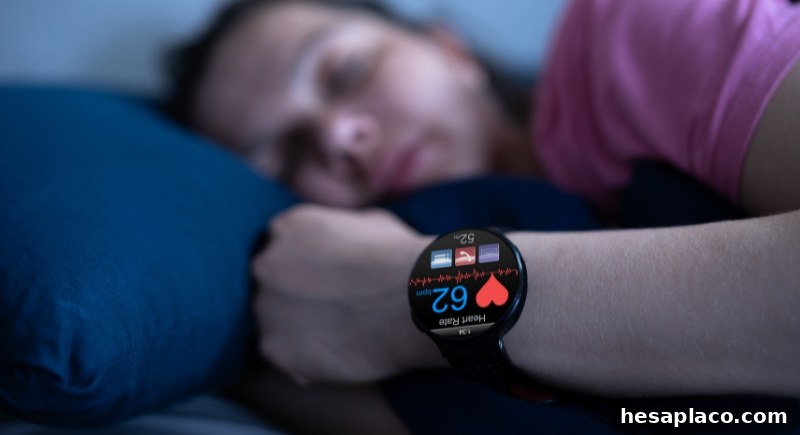
In tech circles, biohacking sleep with wearables is common. Devices like the Oura Ring or Whoop band track REM cycles, heart rate, and sleep efficiency so users can adjust schedules or habits. Treating sleep data like performance metrics allows gradual optimization of rest for better daily functioning.
Cold Room, Warm Blanket

Credit: pexels
Keeping the bedroom cool is a widely recommended strategy. Temperatures around 60–67°F (15–19°C) help the body lower its core temperature, supporting faster sleep onset and deeper rest. Pairing a cool room with comfortable, warm bedding offers both physiological and psychological comfort.
Power Naps During the Day

Credit: pexels
Short naps are a common tool for busy people. CEOs and creatives alike use power naps—usually 10–30 minutes—to improve memory, boost alertness, and reduce stress without the groggy aftereffects of longer naps. A brief midday rest can help sustain performance through long days.
Meditation Before Bed
Credit: pexels
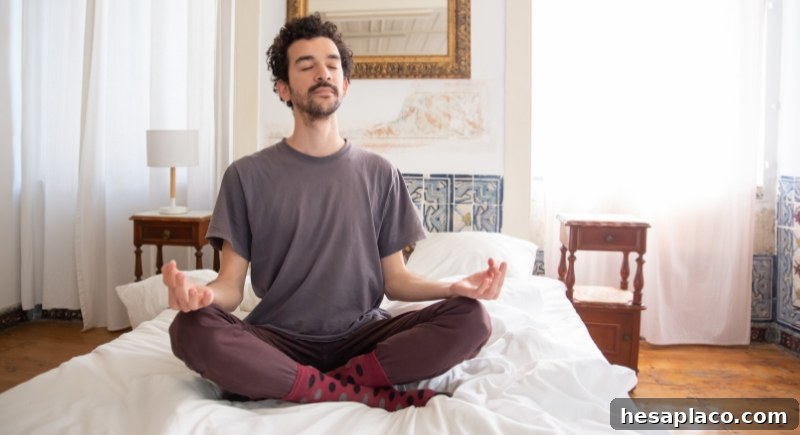
Meditation is a preferred alternative to late-night scrolling for many high performers. Short, focused sessions lower cortisol and ease anxiety—two major barriers to restful sleep. Practitioners report a smoother transition into sleep and an overall more mindful evening routine.
Sleeping Solo (on Purpose)

Credit: baseimage
Some couples choose separate beds or bedrooms to protect sleep quality. Snoring, movement, or different schedules can interfere with deep sleep, so sleeping separately can be a practical decision rather than a relationship signal. Prioritizing uninterrupted rest can improve day-to-day functioning for both partners.
Weighted Blankets for Stress Relief

Credit: Getty Images
Weighted blankets mimic deep pressure therapy and are used by some leaders to reduce anxiety and accelerate sleep onset. The added weight can create a calming sensation that promotes relaxation and deeper rest, making them a simple, low-tech solution for stress-related sleep issues.
Limiting Alcohol Before Bed

Credit: Getty Images
Although alcohol can induce drowsiness, it fragments REM sleep and reduces restorative sleep quality. High-stakes professionals often avoid nighttime drinks to prevent impaired decision-making the following day. Skipping alcohol in the evening helps maintain consistent sleep architecture and clearer mornings.
Blackout Curtains or Sleep Masks
Credit: pexels
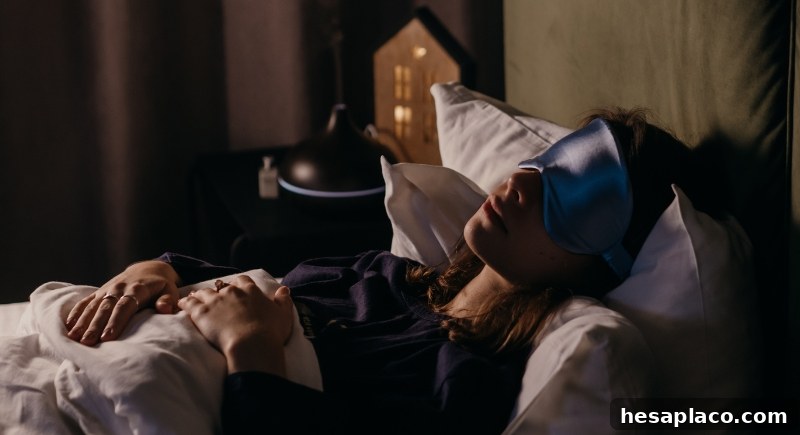
Controlling light is crucial for many top performers. Blackout curtains or sleep masks create an environment of near-complete darkness, which supports melatonin production and signals the brain that it’s time to sleep. Treating the bedroom as a sanctuary rather than a workspace reinforces healthy sleep habits.
Sleep Consistency Over Quantity

Credit: pexels
Rather than fixating on getting an arbitrary large number of hours, many successful people prioritize a consistent sleep schedule. Going to bed and waking up at the same time every day—weekends included—helps stabilize the circadian rhythm and prevents “social jet lag,” which can sap focus and energy for days.
No Caffeine Immediately After Waking

Credit: Prostock-studio
Some leaders delay caffeine until later in the morning to let the body’s natural cortisol rhythms wake them. Instead of an immediate coffee, they choose hydrating options like warm water with lemon to rehydrate and gently stimulate the system without relying on stimulants right away.
Segmenting Sleep Into Phases

Credit: Rido
Some creatives and night owls adopt biphasic or segmented sleep: a core night period supplemented by one or more naps. While unconventional, this approach can align with certain schedules and personal biology, offering bursts of focused productivity for those who tolerate it well.
The Da Vinci Polyphasic Method

Credit: Getty Images
Some productivity enthusiasts experiment with polyphasic schedules—short, frequent naps throughout the day rather than one long nightly sleep. Often linked to historical figures like Leonardo da Vinci, this method is extreme and challenging to maintain, but some people claim brief productivity boosts when adapting successfully.
Total Silence via Earplugs or Soundproofing

Credit: iStockphoto
Noise control is vital for light sleepers and those with demanding schedules. Earplugs, white noise machines, padded walls, or professional soundproofing are common investments. Eliminating disruptive sounds helps ensure uninterrupted rest, making it easier to recover and perform at a high level the next day.