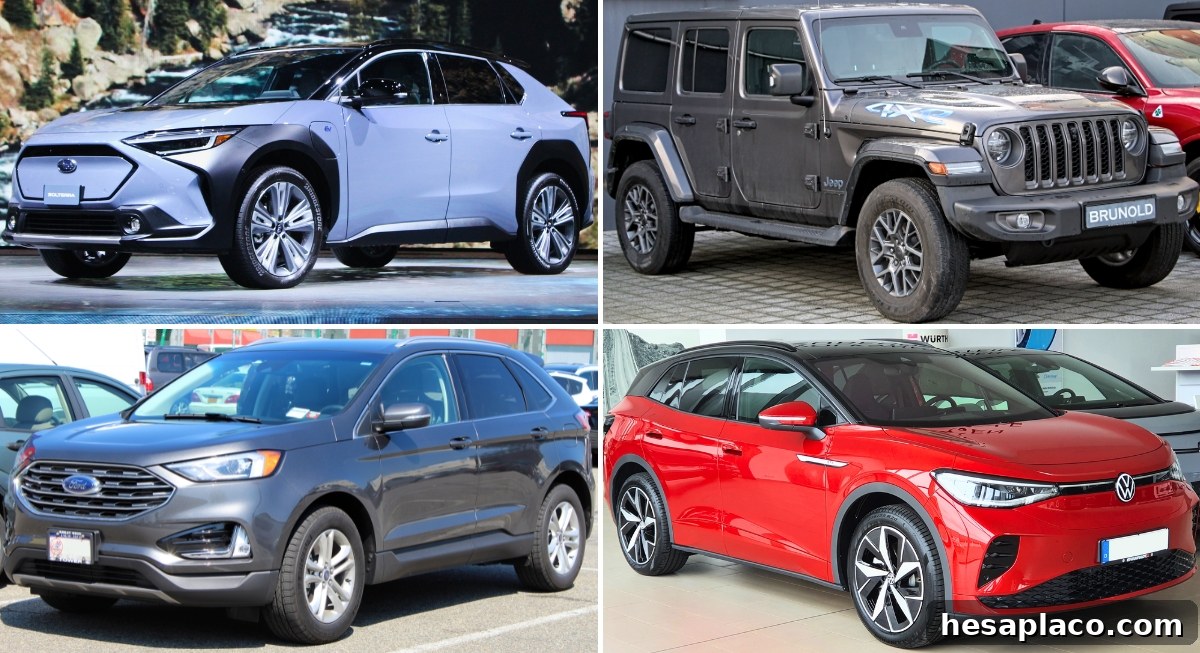
Buying a car is one thing, but owning it five years later can tell a very different financial story. Some vehicles lose value so rapidly that even dealers grow reluctant to take them back. Based on current data from CarEdge, the models below rank among the biggest resale disappointments in today’s market. This guide explains why each vehicle underperforms on the used-car market and what buyers should consider before committing.
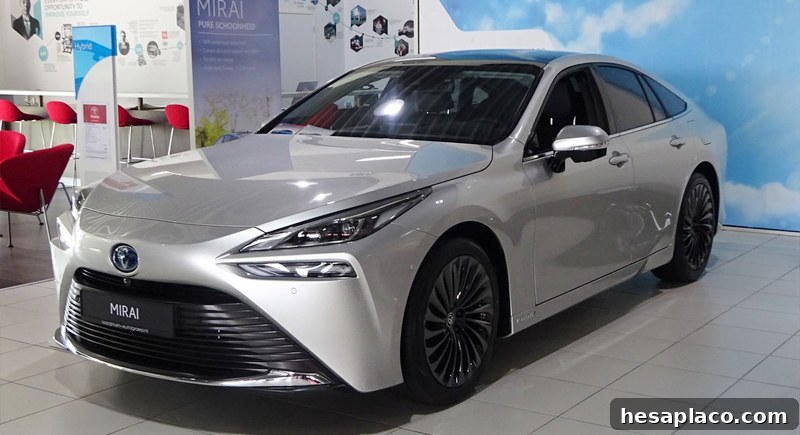
Toyota Mirai – 20.6% Resale Value
Credit: flickr
Hydrogen fuel-cell technology holds long-term promise, but in the current marketplace the Mirai depreciates sharply—losing nearly 80% of its value after five years. Limited refueling infrastructure, weak buyer demand, and niche appeal combine to create a steep resale decline. Buyers who prioritize strong long-term value should weigh the Mirai’s unique advantages against its resale risks.
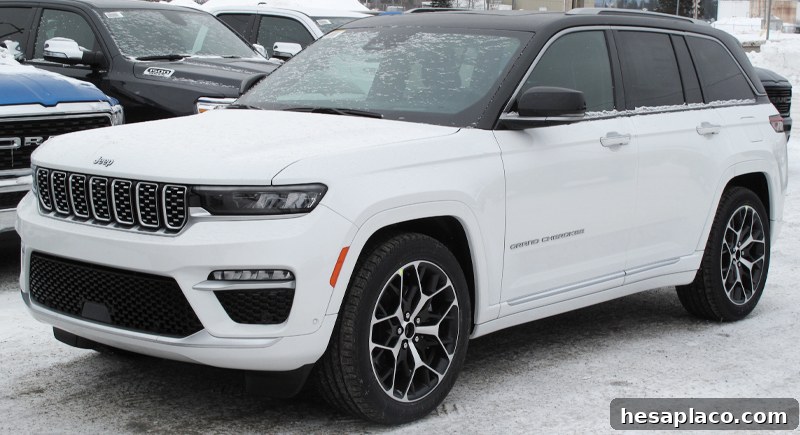
Jeep Grand Cherokee – 32.3% Resale Value
Credit: Wikimedia Commons
The Grand Cherokee is a recognizable name, but it still suffers steep depreciation. An oversupply of used units, persistent reliability concerns, and increasing competition from modern crossovers drive its resale value down. While the styling remains rugged, many buyers prefer fresher platforms and better fuel economy, which harms resale prospects.
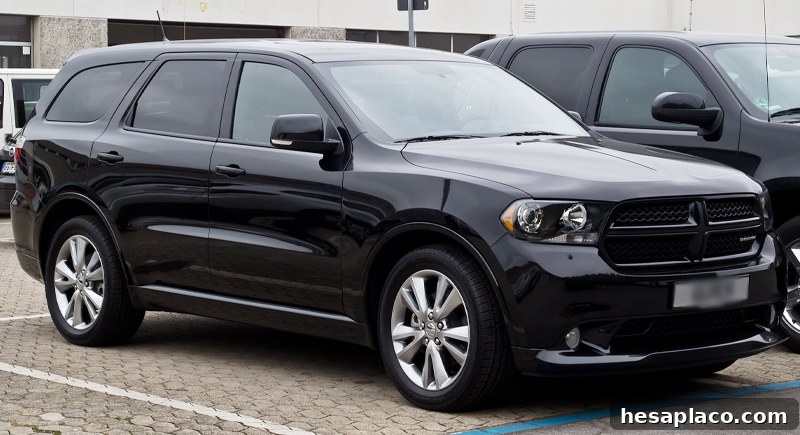
Dodge Durango – 35.3% Resale Value
Credit: Wikimedia Commons
The Durango’s muscular image and available V8 may appeal at purchase, but thirsty engines and shifting buyer preferences erode its resale quickly. In a market favoring efficiency and modern tech, large, fuel-heavy SUVs like the Durango lose appeal sooner, reducing trade-in values.
Dodge Hornet – 35.3% Resale Value
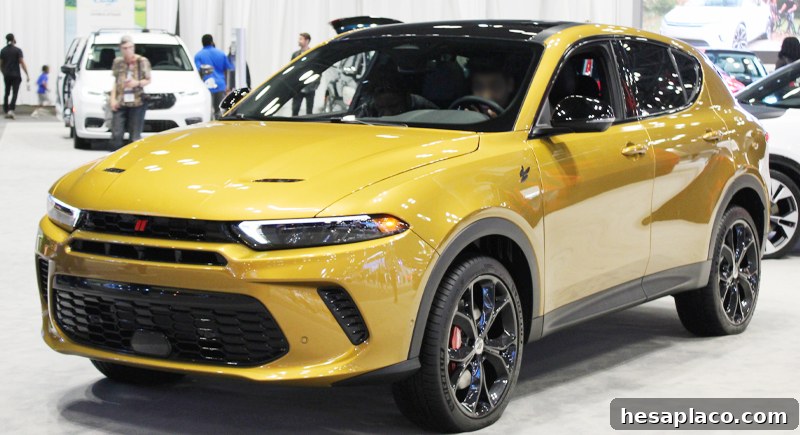
Credit: Wikimedia Commons
The Hornet has struggled to establish a clear identity—neither comfortably sporty nor convincingly premium—which weakens its appeal on the used market. Entry-level pricing, crowded segments, and brand perception challenges contribute to accelerated depreciation. Buyers seeking long-term value may find better stability elsewhere.
Chrysler Voyager – 35.8% Resale Value
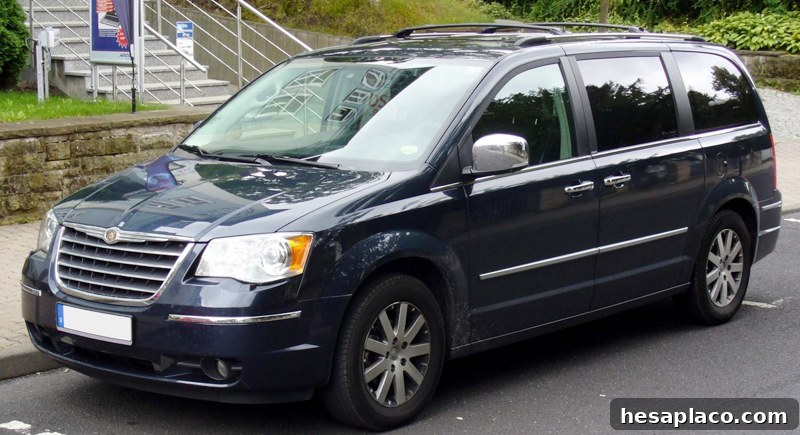
Credit: Wikimedia Commons
Positioned as a budget alternative to the Pacifica, the Voyager cuts features and cost—unfortunately at the expense of resale value. Minivans already face low demand in the used market, and pared-down trim and limited excitement make the Voyager a tougher sell after a few years.
Nissan ARIYA – 36.1% Resale Value
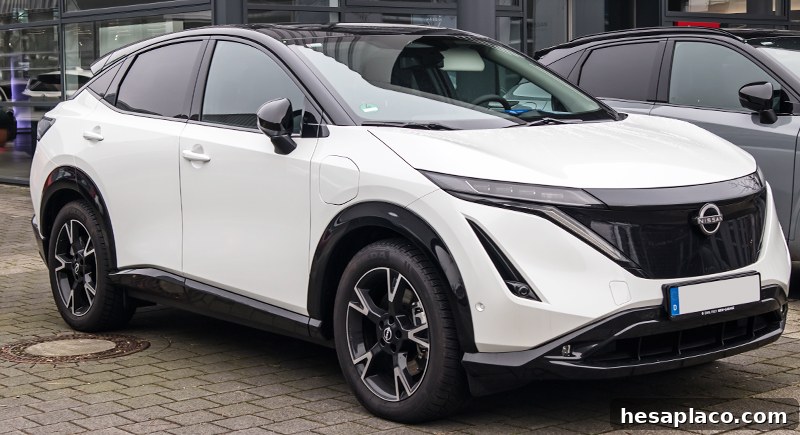
Credit: Wikimedia Commons
Electric vehicles are not immune to depreciation, and the ARIYA demonstrates that late-market entry, high initial pricing, and intense competition can undercut long-term value. Mediocre range and mixed performance compared with rivals have led to softer demand and a faster decline in resale worth.
Nissan Armada – 37.7% Resale Value
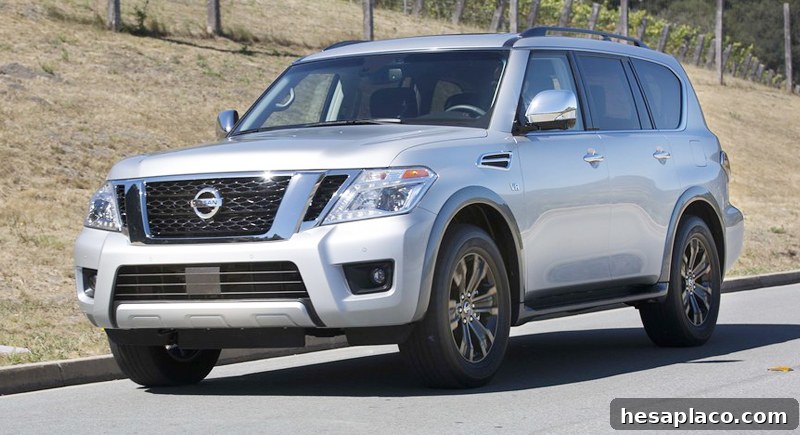
Credit: flickr
Large, powerful, and fuel-hungry, the Armada is losing favor as buyers prioritize efficiency and modern tech. Its dated design and heavy footprint make it harder to move on the used market, especially compared to newer three-row SUVs that offer the same utility with better economy.
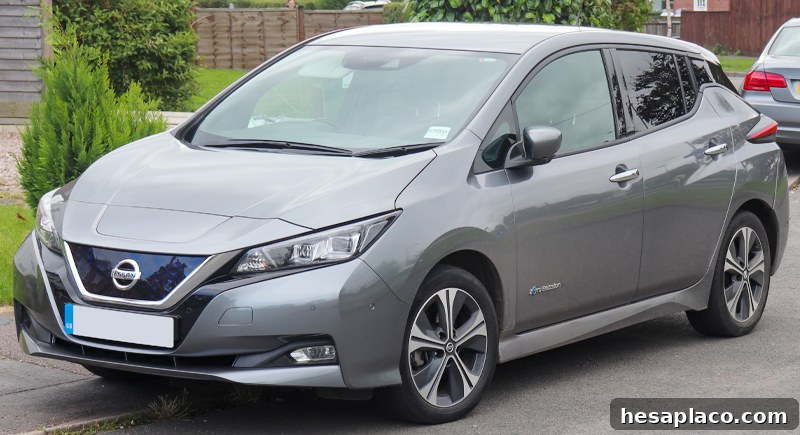
Nissan LEAF – 37.7% Resale Value
Credit: Wikimedia Commons
Once an EV pioneer, the LEAF’s aging battery technology and shorter range compared with newer competitors have reduced its resale strength. Buyers increasingly seek longer-range, more feature-rich EVs, leaving early-generation models like the LEAF at a disadvantage on trade-in values.
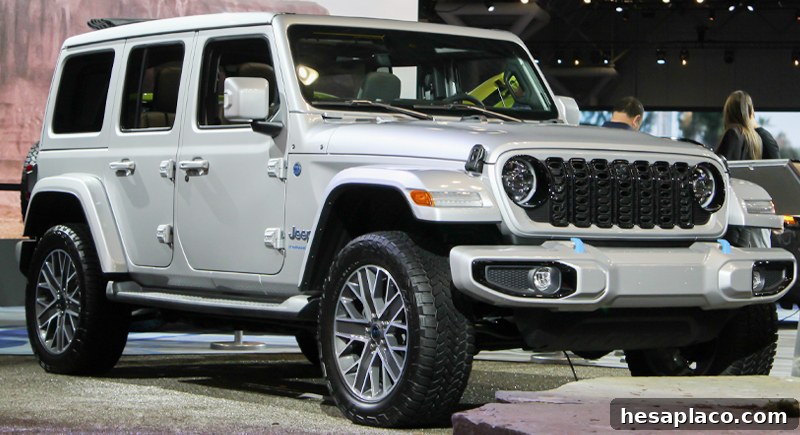
Jeep Wrangler 4xe – 39.5% Resale Value
Credit: Wikimedia Commons
The Wrangler 4xe promised the best of electric efficiency and off-road capability, but real-world complexity, higher purchase prices, and limited electric-only range have dulled its resale appeal. Hybrid systems can complicate ownership and lower demand, which pressures used values despite the iconic nameplate.
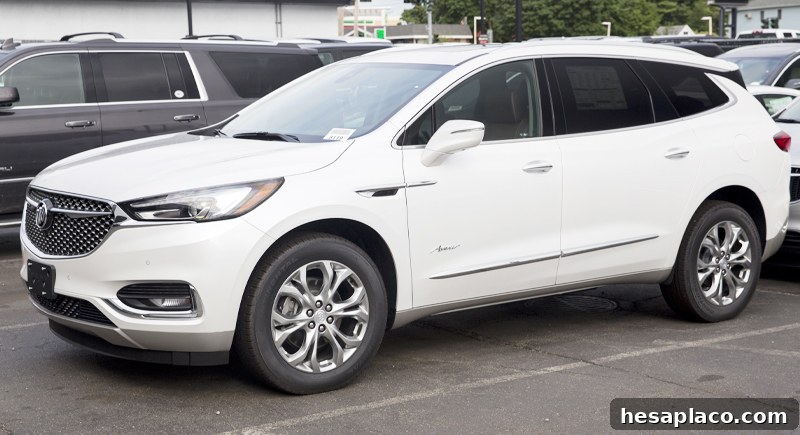
Buick Enclave – 39.7% Resale Value
Credit: Wikimedia Commons
The Enclave delivers comfort and space, but its resale takes a hit from weak brand demand and stiff competition in three-row SUVs. Consumers often favor more aspirational or tech-forward alternatives, leaving the Enclave with faster-than-average depreciation.
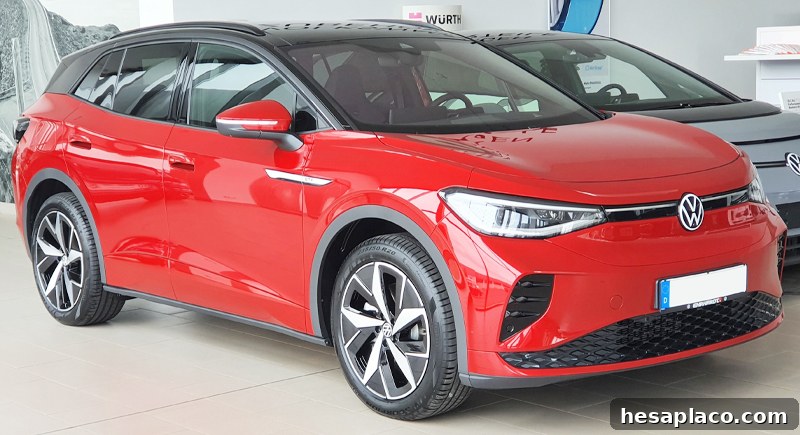
Volkswagen ID.4 – 39.7% Resale Value
Credit: Wikimedia Commons
Despite Volkswagen’s branding, the ID.4 has lost favor in the used market due to software glitches, moderate driving range, and average charging performance. As more polished EVs enter the field, the ID.4’s resale value falls faster than some rivals.
Subaru Solterra – 40.3% Resale Value
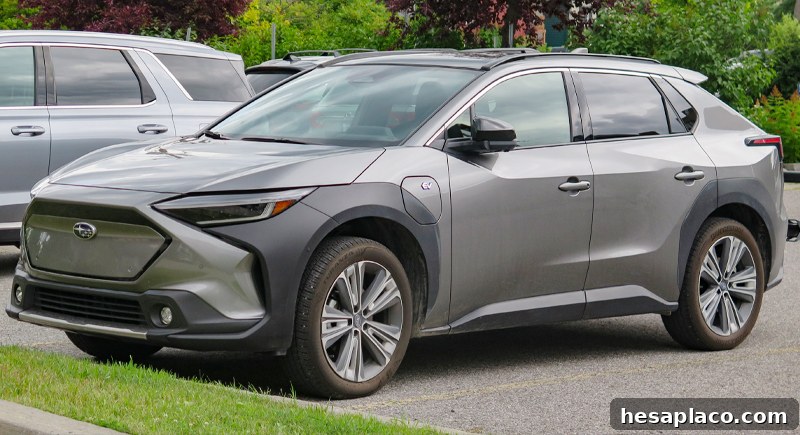
Credit: Wikimedia Commons
Developed with Toyota, the Solterra looked promising on paper but has struggled to win buyers. Short driving range and tepid demand from Subaru’s traditional audience have contributed to a weaker resale position. For customers expecting Subaru’s usual rugged practicality, the Solterra may feel like a compromise.
Ford Expedition – 41.0% Resale Value
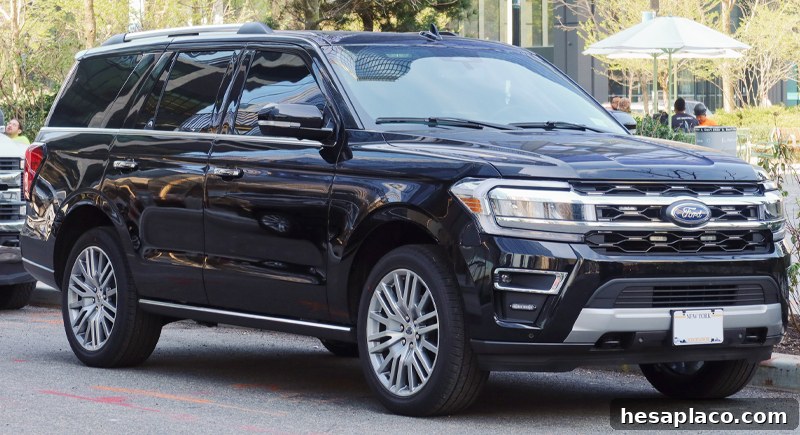
Credit: Wikimedia Commons
The Expedition remains a capable full-size SUV, but changing buyer priorities—rising fuel costs, a shift toward hybrids, and demand for modern tech—have dented its resale performance. While still appealing for those needing maximum space and towing, its long-term value lags newer, more efficient competitors.
Chrysler Pacifica – 41.4% Resale Value
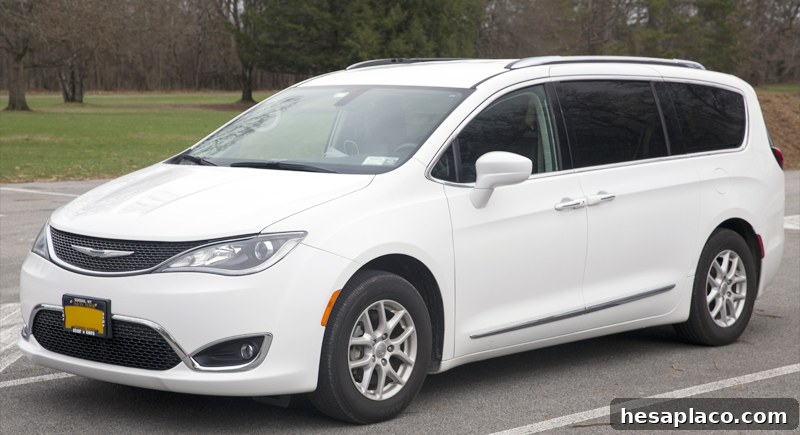
Credit: Wikimedia Commons
The Pacifica checks many family-friendly boxes and offers a hybrid option, but minivan stigma, brand uncertainty, and lease-heavy sales patterns combine to suppress resale values. Families and used buyers often prefer crossover alternatives that feel fresher and more modern.
Ford Edge – 42.1% Resale Value
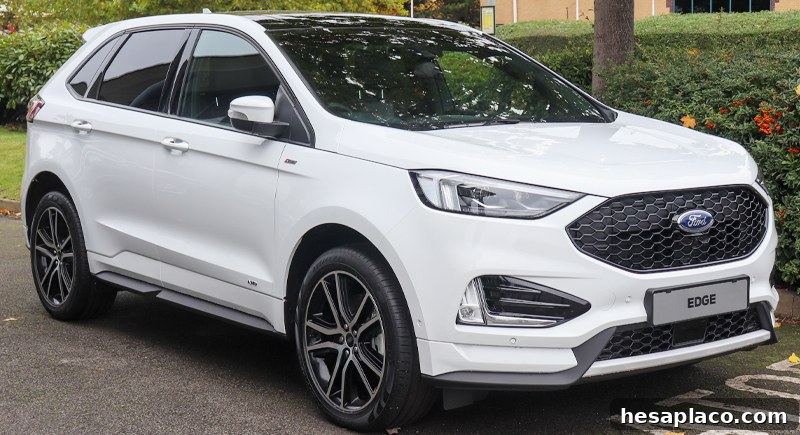
Credit: Wikimedia Commons
Once a popular midsize SUV, the Edge now faces tougher competition and lacks the most current tech and fuel-efficiency offerings. With Ford focusing on electrification, this model can feel overlooked, which shows up in lower resale values and slower turnover on dealer lots.
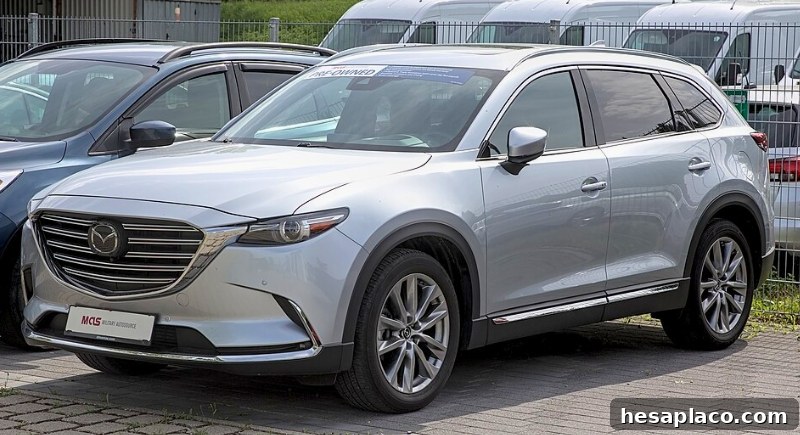
Mazda CX-9 – 41.9% Resale Value
Credit: Wikimedia Commons
The CX-9 offers attractive styling, a comfortable cabin, and a refined ride, yet it struggles to retain value. Buyers increasingly seek the newest features and advanced systems, and the CX-9’s slower update cycle can leave it trailing competitors in resale value despite its many strengths.
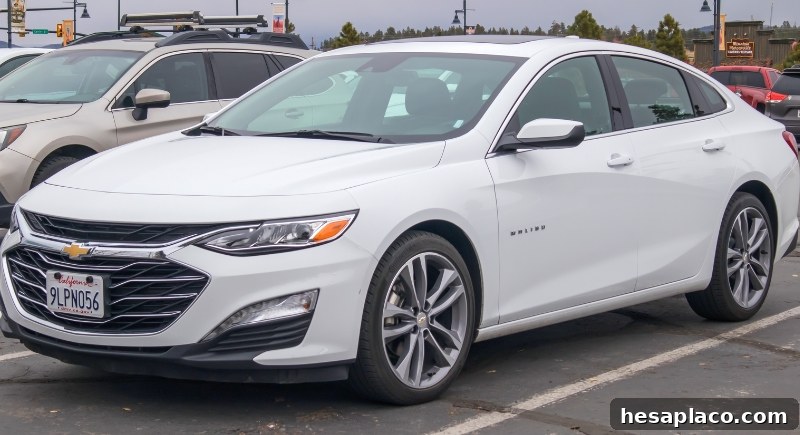
Chevrolet Malibu – 40.6% Resale Value
Credit: Wikimedia Commons
Once a common sight in suburban driveways, the Malibu now depreciates faster as consumer demand shifts heavily toward SUVs and crossovers. With nearly 60% of value lost in five years, sedans like the Malibu face steep resale headwinds in today’s market.
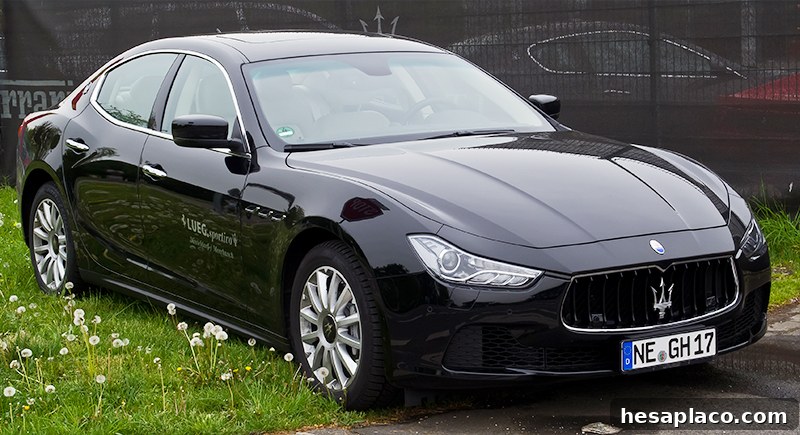
Maserati Ghibli – 31.1% Resale Value
Credit: Wikimedia Commons
The Ghibli impresses with style and a sporty driving experience, but luxury ownership comes with higher maintenance costs and a narrower pool of used buyers. As a result, this Italian luxury sedan tends to lose value quickly after the initial ownership period, even though it remains a rewarding drive for enthusiasts.
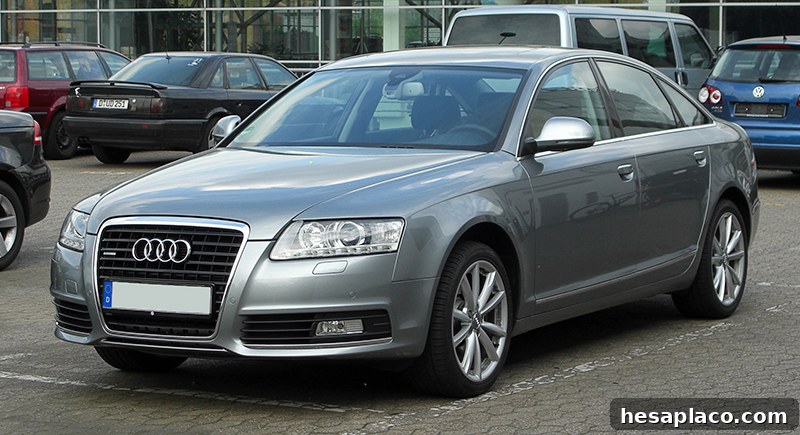
Audi A6 – 34.8% Resale Value
Credit: Wikimedia Commons
The Audi A6 offers a refined cabin and composed ride, yet newer tech-laden rivals and frequent model updates pull attention away and reduce demand for older units. That shift translates to lower resale values and longer dwell times on dealer lots for previous-generation A6 models.
Resale value depends on many factors including fuel type, brand perception, reliability, segment demand, and the pace of technological change. If resale is an important consideration for you, prioritize models with proven reliability, strong demand, efficient powertrains, and consistent brand appeal. Use these insights to compare total ownership cost over time rather than price alone when choosing your next vehicle.