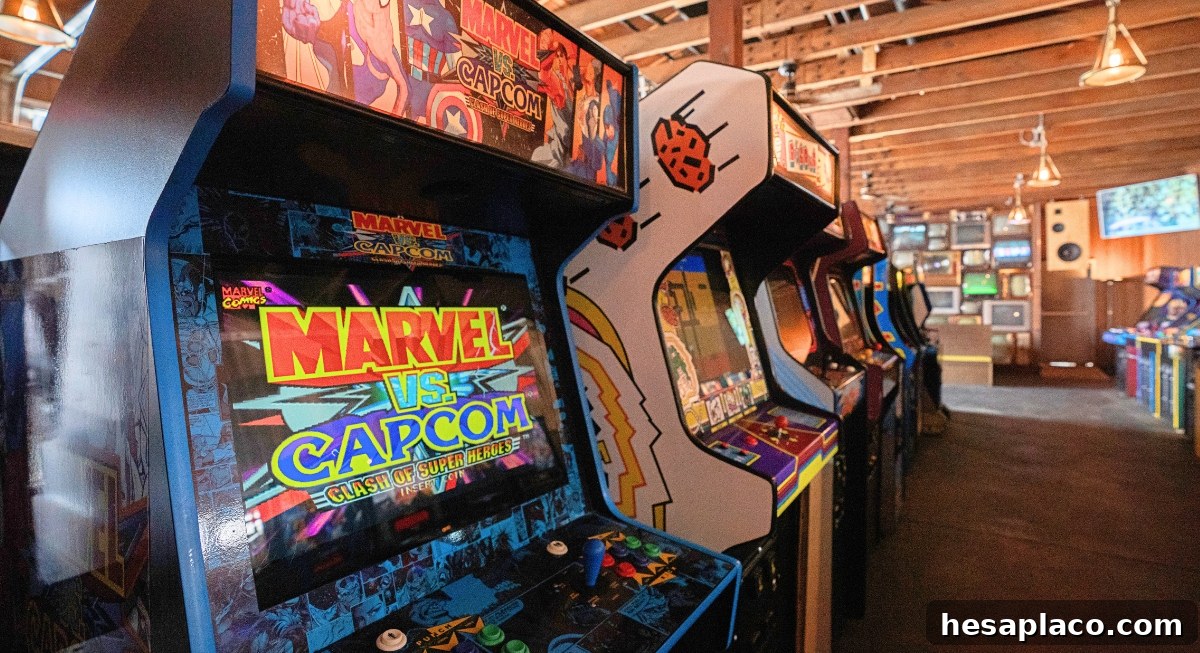
Collectors long bought pieces meant primarily to be admired from afar. By 2026 that approach feels less appealing to many buyers. Today’s collectors increasingly seek objects they can touch, hear, customize, or actively use. That change has pushed “playable art” into the spotlight, especially among younger collectors who want pieces that feel personal, memorable, and experiential rather than purely decorative.
Luxury Pinball Machines
Credit: Instagram
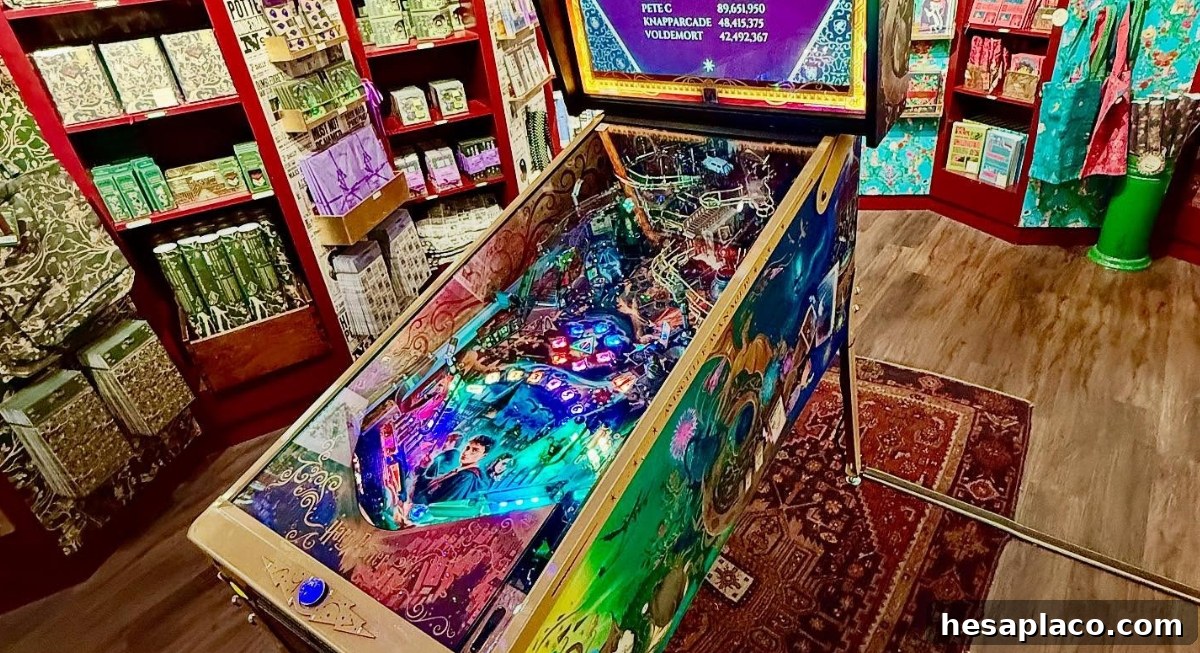
Contemporary pinball machines have evolved into serious collector’s items, particularly high-end models from manufacturers known for craftsmanship and theatrical presentation. Limited-edition machines tied to familiar franchises drew intense interest in recent years. Buyers are attracted as much to the detailed artwork, mechanized components, lighting choreography, and engineering complexity as they are to the gameplay—these machines function as kinetic sculptures that invite repeated interaction.
Retro Arcade Cabinets
Credit: Wikimedia Commons
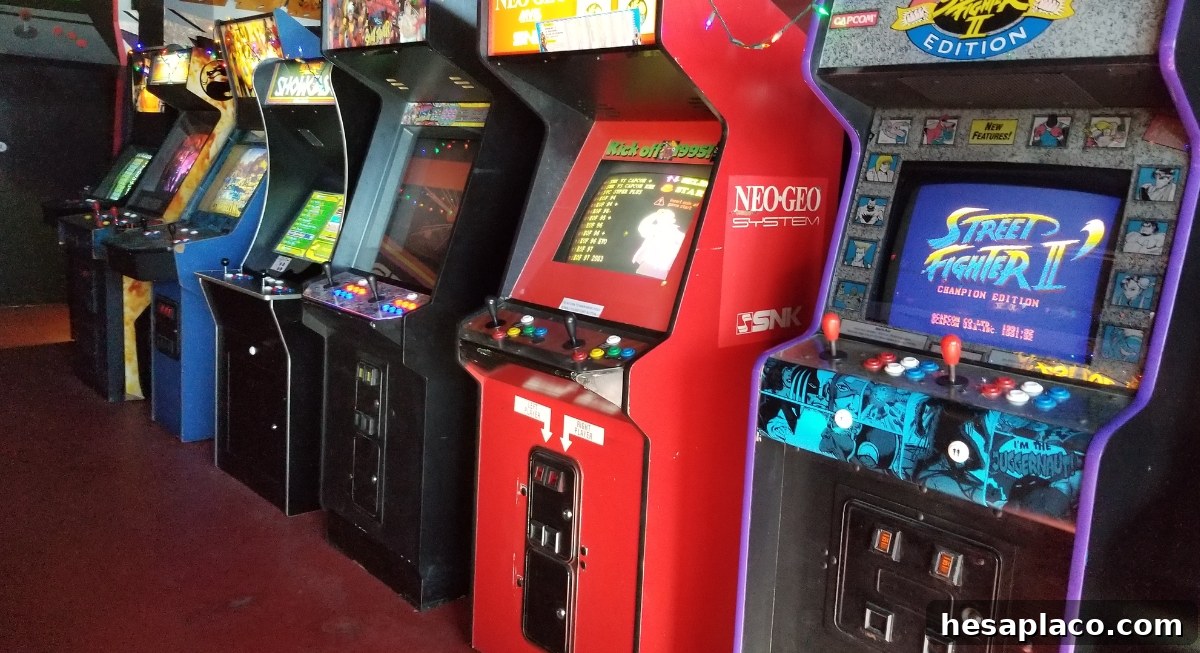
For collectors who grew up feeding quarters into arcade machines, restoring that tactile nostalgia at home has become a priority. Custom cabinets are especially popular because they let owners personalize exterior art, control layouts, sound systems, and curated game libraries. Original cabinets associated with classic titles continue to appreciate, while bespoke recreations offer modern conveniences and tailored aesthetics.
Modular Synthesizers
Credit: Wikimedia Commons
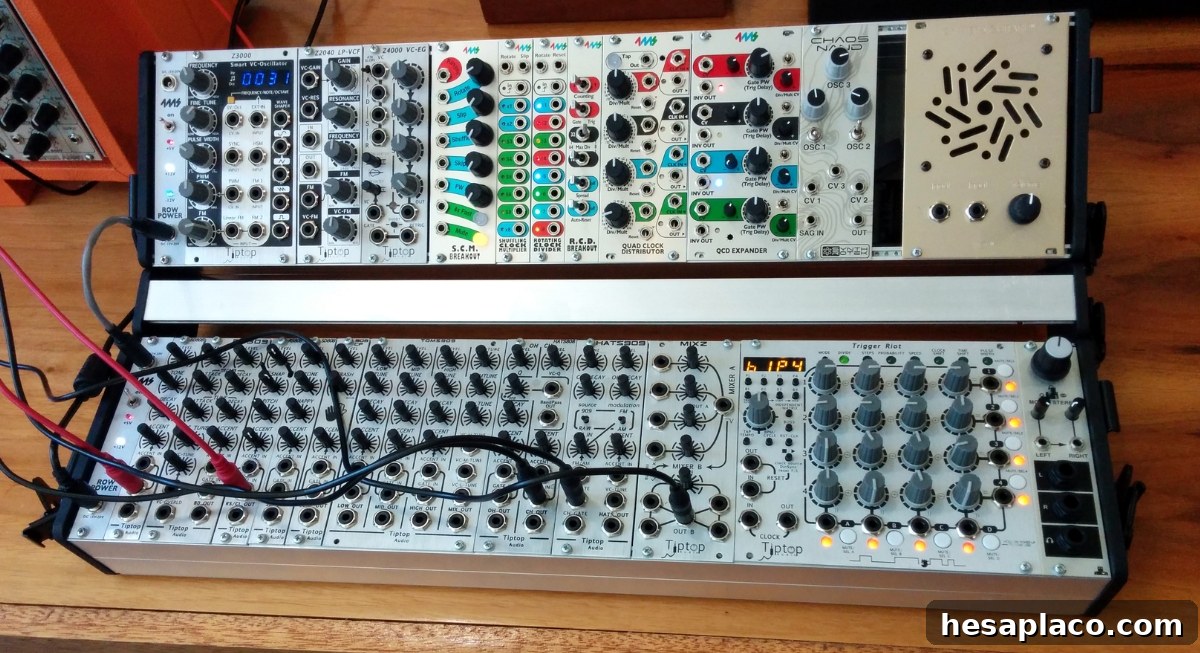
Modular synthesizers have migrated from studios into galleries and private collections as musicians and visual artists embrace their hybrid of sound design and industrial aesthetics. Each modular setup is unique, with tactile patching and manual control replacing mouse-driven interfaces. The appeal lies in building sound physically—knobs, patch cables, and hands-on modulation—making each performance and configuration a one-of-a-kind experience.
Mechanical Watches
Credit: pexels
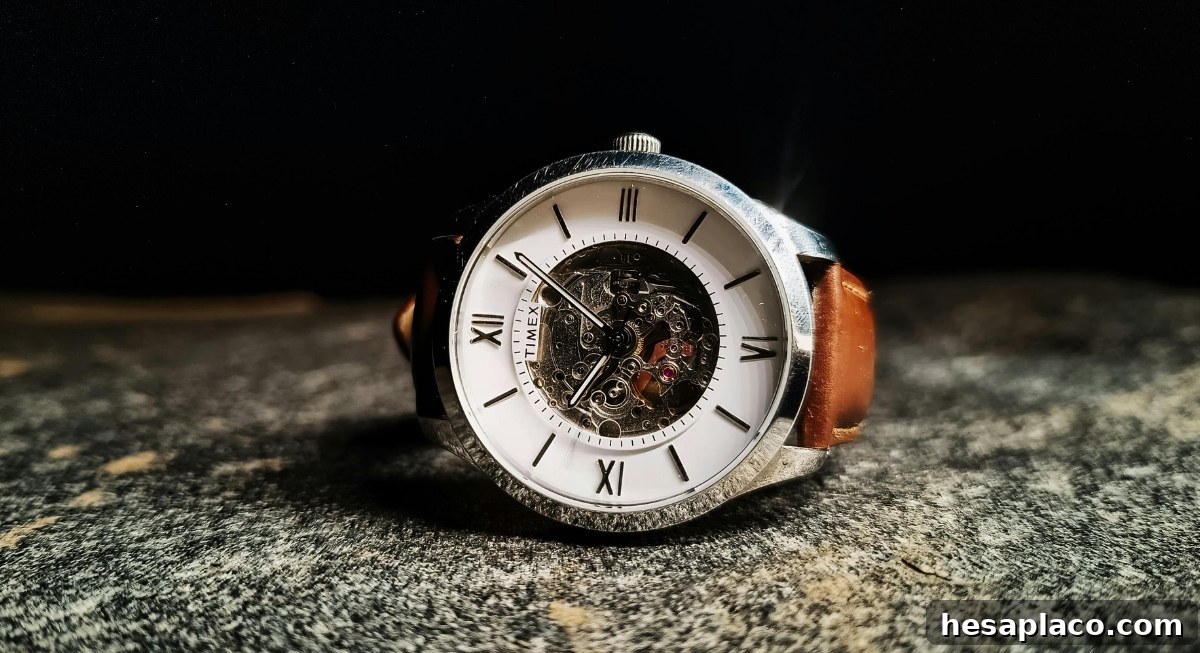
The rise of smartwatches helped mechanical watches regain cultural cachet. Younger collectors have rediscovered the appeal of visible gears, intricate movements, and devices that operate without screens or batteries. Mechanical complications—chronographs, moon-phase displays, and rotating bezels—add playful, interactive elements to everyday wear, turning precision engineering into a living, wearable object.
Playable Music Installations

Credit: Tripadvisor
Interactive sound sculptures and playable music installations have moved beyond museums and public exhibitions into private homes. These pieces react to movement, touch, or pressure to generate shifting soundscapes; some integrate with lighting or smart-home systems. Collectors prize the variability of the experience—each interaction produces a different sonic result, making the artwork a living system rather than a fixed object.
High-End Racing Simulators
Credit: pexels
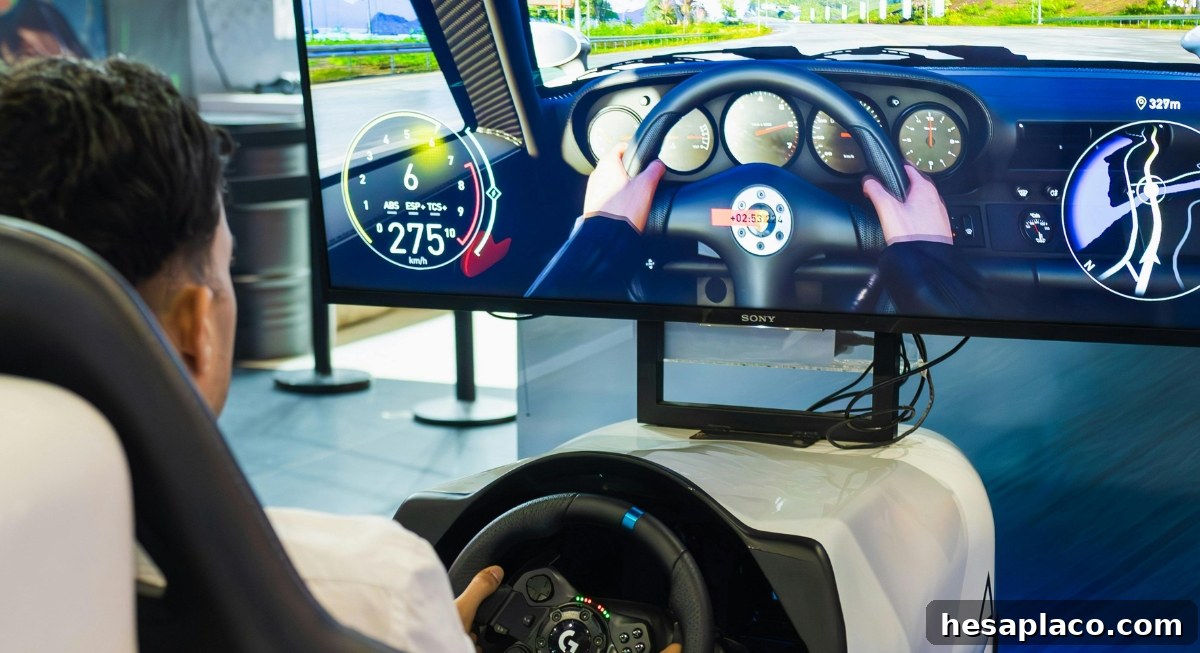
Professional-grade racing simulators have become sought-after collector items as motorsport and esports interest surged. Premium rigs incorporate carbon-fiber frames, force-feedback steering, hydraulic pedals, immersive displays, and motion platforms that simulate driving dynamics. Luxury automakers and specialty manufacturers have produced limited editions, appealing to collectors who value realism, technology, and the thrill of hands-on engagement.
Generative Digital Art Displays
Credit: Wikipedia
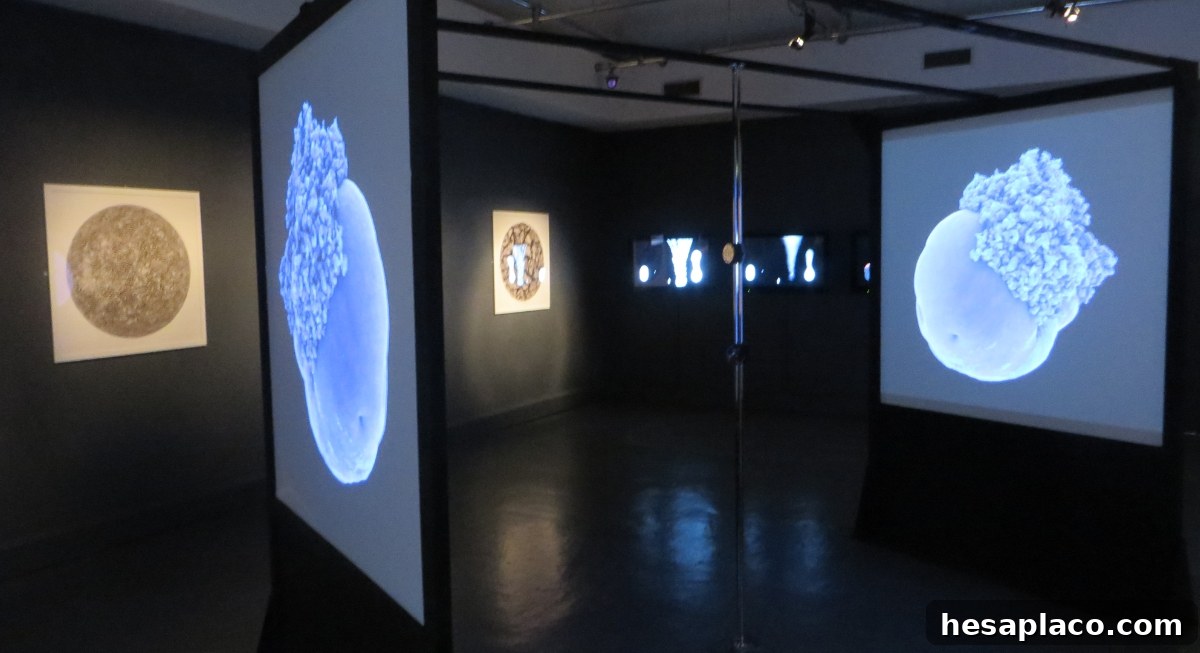
Generative digital art displays have become more acceptable in domestic settings as collectors re-evaluate digital ownership. Rather than static images or speculative tokens, these systems present evolving visuals—algorithmic canvases that continuously transform. Collectors purchase frameworks and ongoing generative programs, emphasizing process and system-based authorship over single, immutable works.
Restored Vintage Jukeboxes
Credit: Wikimedia Commons
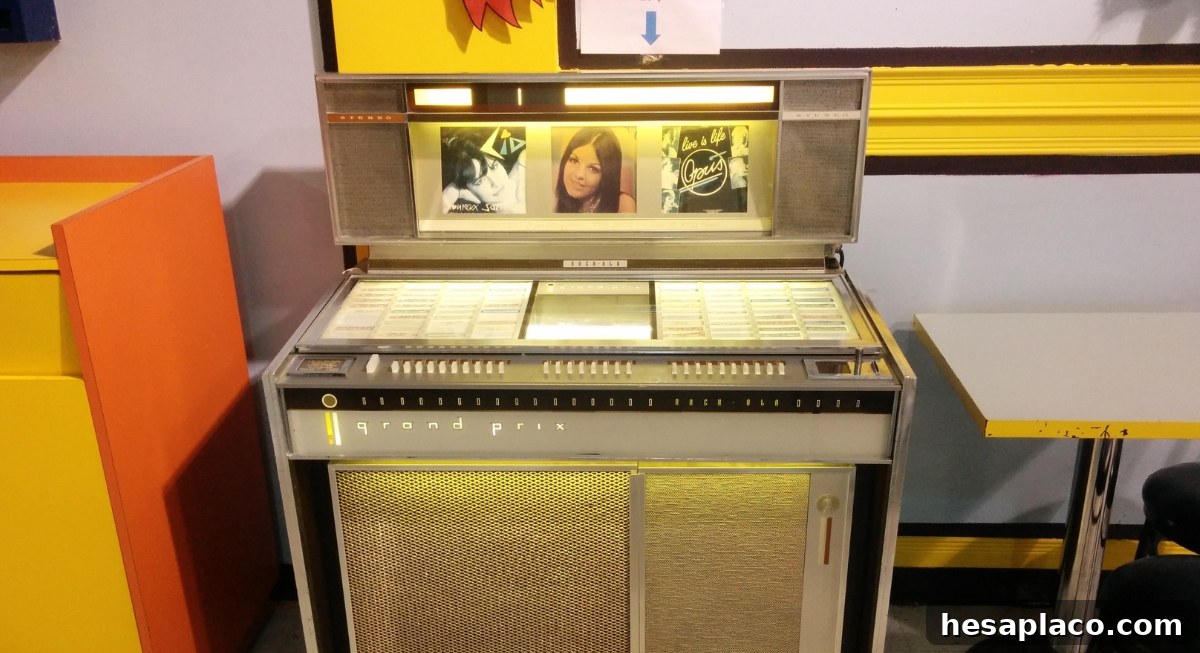
Vintage jukeboxes have reemerged because collectors crave tangible music experiences. Watching a record or selector mechanism engage delivers a sensory satisfaction that playlists cannot replicate. Restoration shops increasingly modernize these machines with Bluetooth and upgraded audio while preserving their original character, allowing collectors to enjoy both authenticity and usability.
Designer Toys With Interactive Features
Credit: pexels
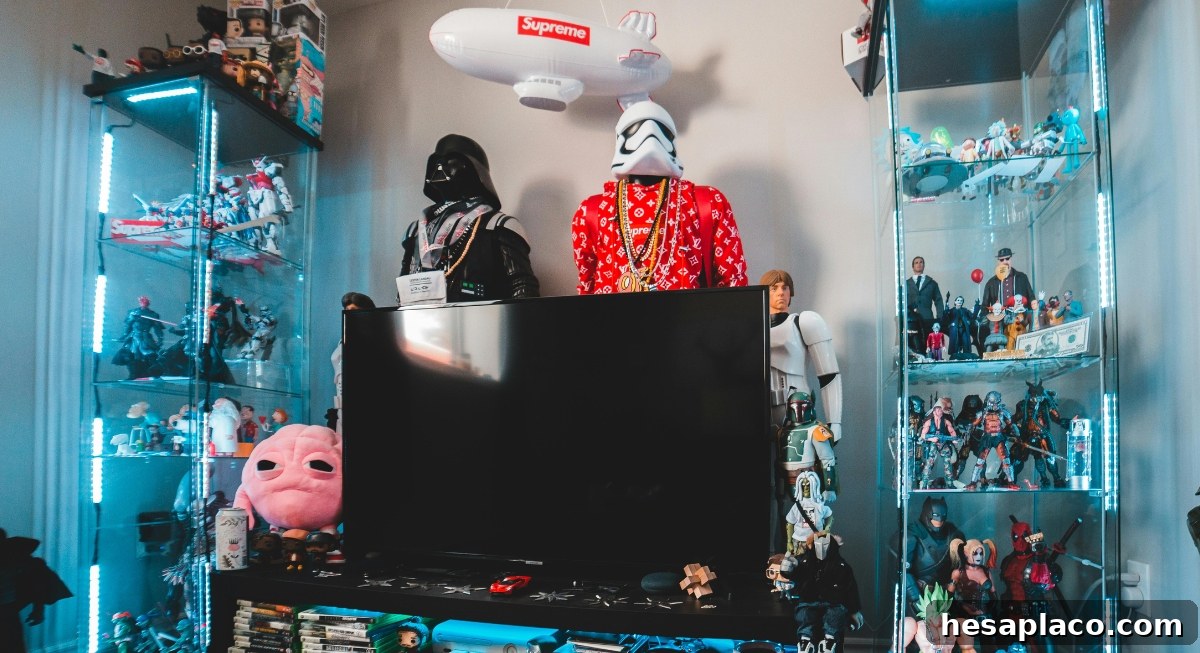
Designer toys have shifted from static shelf pieces to interactive mini-installations. Contemporary creators incorporate lighting, sound, motorized components, and touch-sensitive elements, making each release an engaging object to handle and activate. Limited drops—often inspired by Japanese design traditions—sell quickly, driven by collectors who want playable, artful objects that blur the line between toy and sculpture.
Interactive Projection Art
Credit: pexels
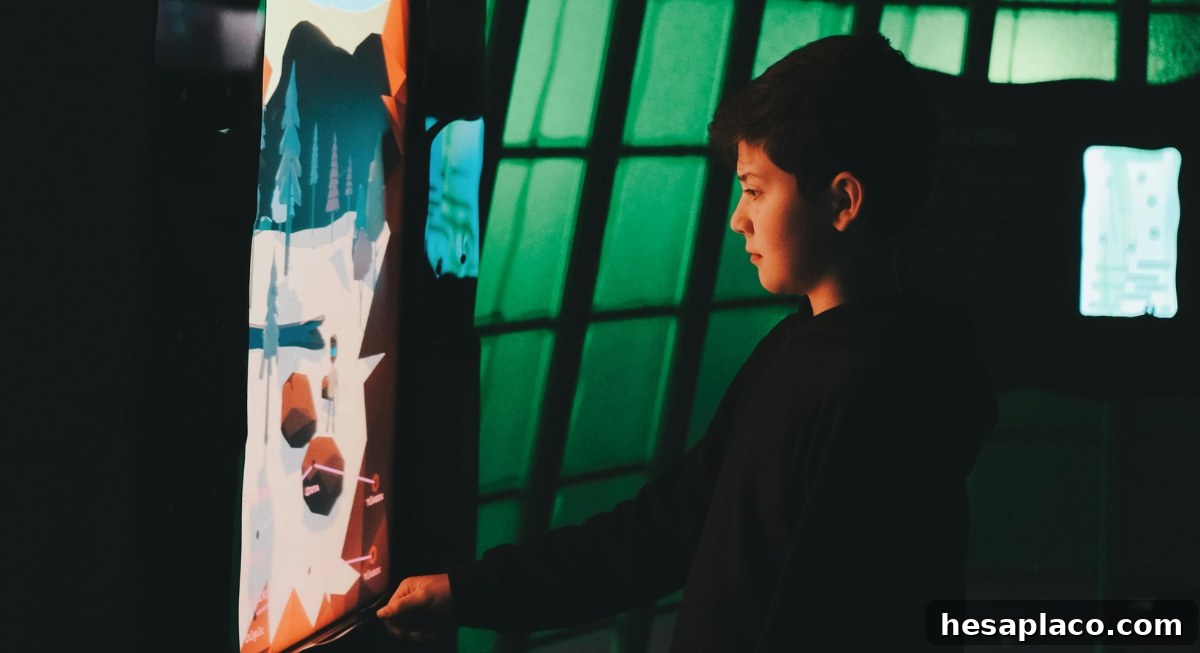
Projection mapping, once reserved for concerts and public spectacles, is now accessible in compact formats suitable for private collections. These systems cast moving artwork onto walls, floors, and sculptural surfaces while reacting to sound or motion. Interior designers, hospitality creatives, and nightlife producers helped bring interactive projection into residential contexts, where it creates immersive visual environments that change with each encounter.
Across categories, the common thread is interaction: collectors today prize objects that invite engagement, surprise, and repeat experiences. Whether animated by mechanics, electronics, or software, playable art transforms ownership into an ongoing exchange between person and object—an approach that feels especially resonant for a generation seeking meaningful, usable experiences in the things they collect.