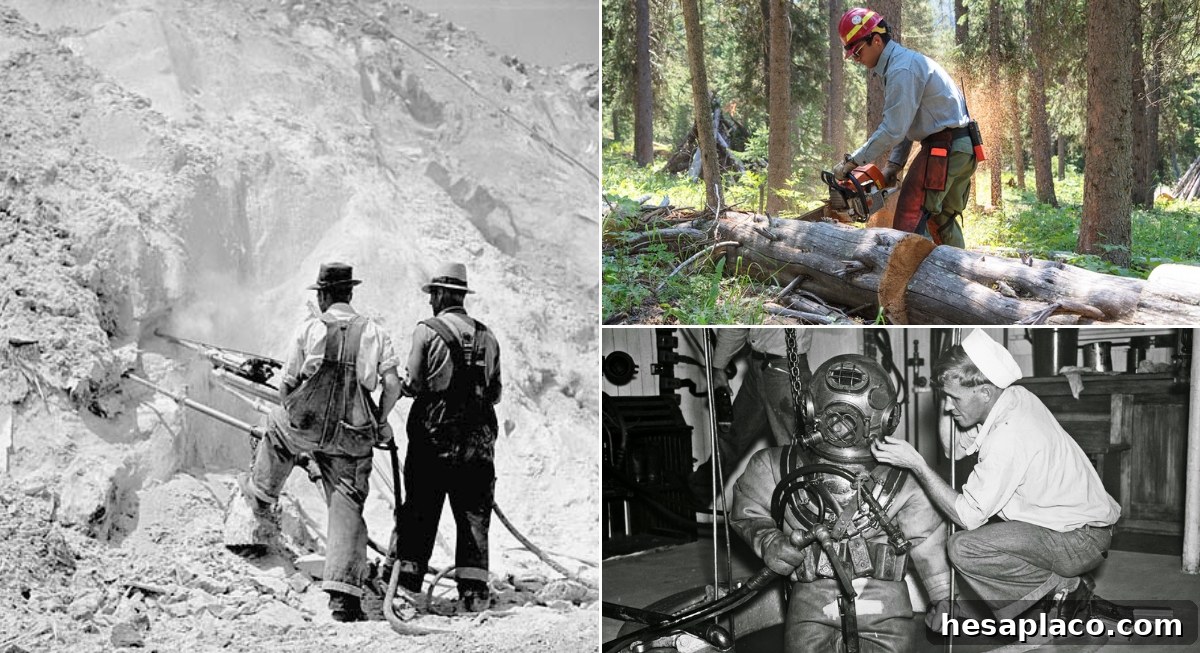
Before the Occupational Safety and Health Administration (OSHA) enforced workplace protections, many jobs routinely exposed workers to severe hazards with little oversight. Heavy machinery often lacked guards, toxic exposures went untracked, and emergency procedures were minimal or nonexistent. Accidents—explosions, collapses, fires—could be fatal. The result was a legacy of injuries, chronic illnesses, and families left to cope with long-term consequences.
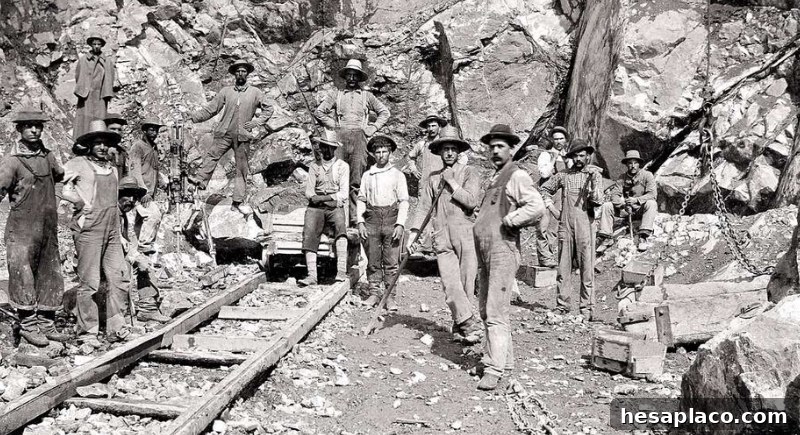
Asbestos Miner
Credit: Picryl
Asbestos miners removed fibrous rock from the earth and often worked in clouds of dust without respiratory protection. Many were unaware those microscopic fibers would lodge in their lungs and cause diseases such as mesothelioma and asbestosis decades later. By the time symptoms appeared, workers and their families were left to face devastating health and financial consequences.
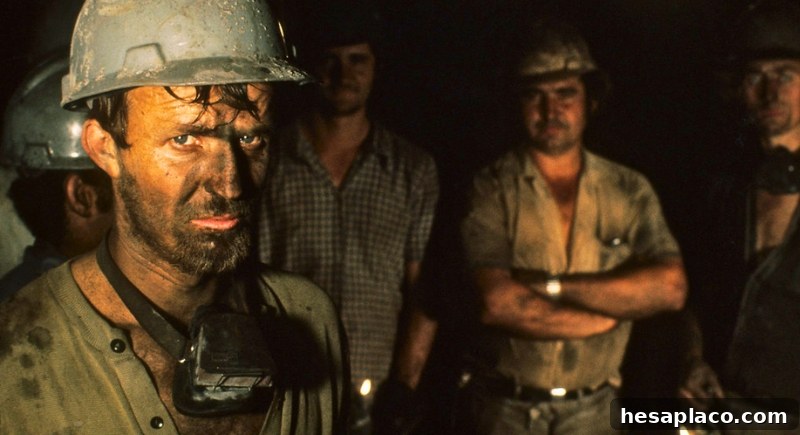
Coal Miner
Credit: flickr
Coal mining was fraught with dangers: chronic inhalation of coal dust that caused black lung, the ever-present threat of methane explosions, and the risk of cave-ins. Mines could become death traps in an instant, yet generations continued to work in conditions that gave little margin for error.
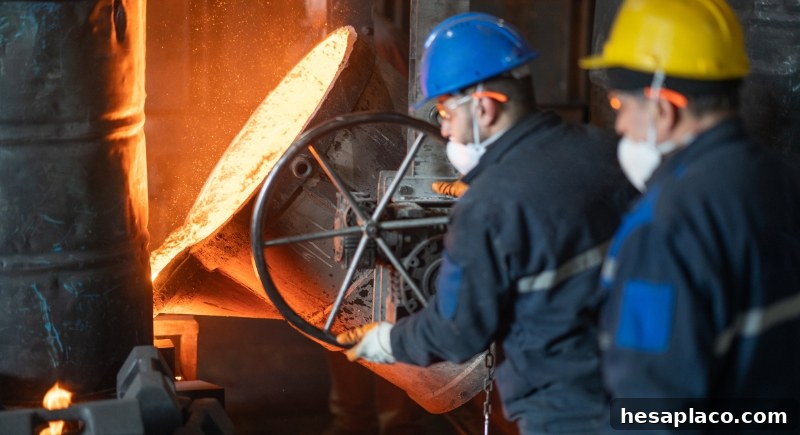
Steel Mill Worker (Hot Roller)
Credit: Getty Images
Workers in steel mills faced intense heat from molten metal and furnaces, routine exposure to burns, and moving rollers that could easily catch clothing or limbs. Protective equipment was often rudimentary and emergency procedures sporadic, making heatstroke, severe burns, and crushing injuries common.
Chemical Plant Worker
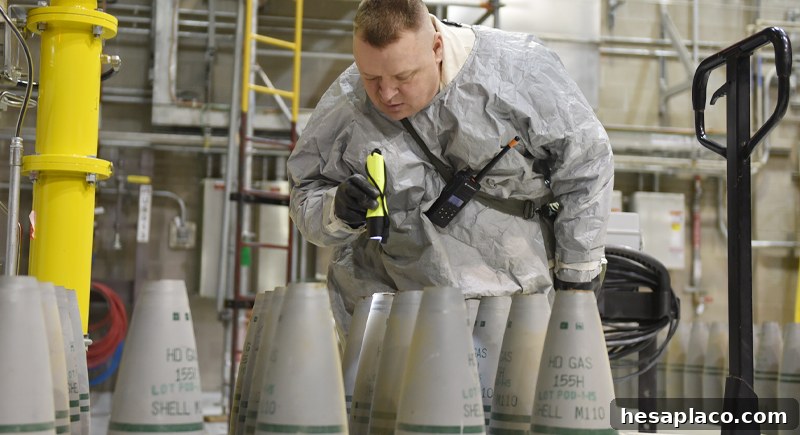
Credit: Wikimedia Commons
Chemical plant employees often handled hazardous substances such as benzene, lead, and formaldehyde with inadequate personal protective equipment and limited training. Leaks, spills, and poor ventilation exposed workers to chemicals that can cause cancers and neurological damage years after the initial exposure. Corporate changes and weak recordkeeping sometimes made it difficult for victims to seek accountability.
Assembly Line Worker
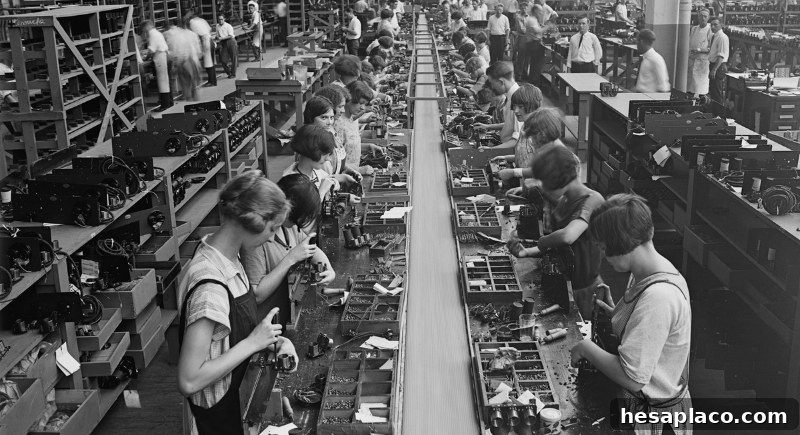
Credit: Canva
Assembly line work subjected employees to repetitive motions and relentless pace. Machinery without proper guarding led to crushed fingers, amputations, and other traumatic injuries. Even when machines spared physical harm, the monotony and physical strain produced chronic musculoskeletal problems.
Railroad Switchman
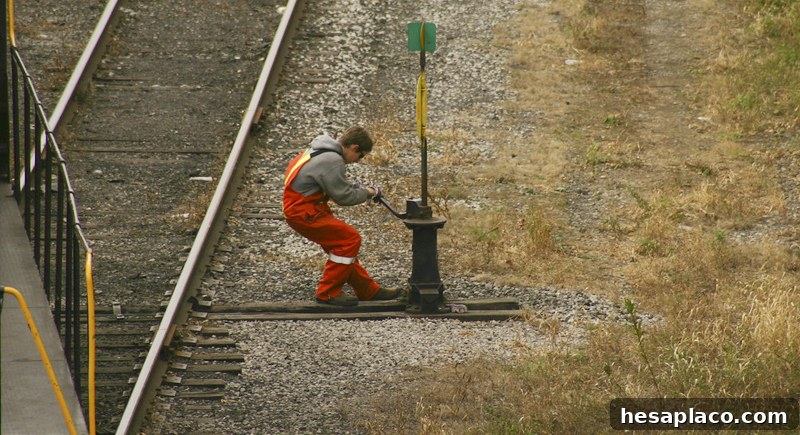
Credit: flickr
Railroad switchmen worked amid moving trains, manual couplings, and noisy yards where a single misstep could be fatal. The work required constant vigilance and quick reflexes in chaotic environments, often without the protective systems we take for granted today.
Radioactive Material Transporter
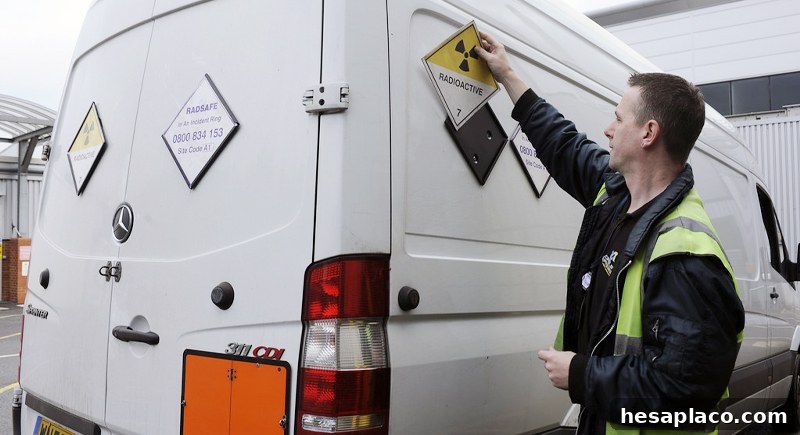
Credit: flickr
Before robust standards for shielding and handling existed, workers transported radioactive materials with minimal protection. Drivers and loaders sometimes relied on basic gloves and hope rather than engineered safety systems. Years later, clusters of cancers and other illnesses revealed the long-term cost of inadequate safeguards.
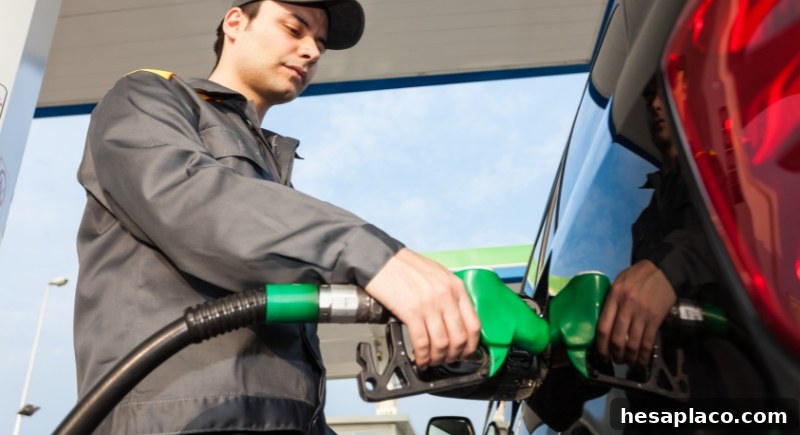
Full-Service Gas Station Attendant
Credit: Canva
Attendants at full-service stations were regularly exposed to gasoline vapors rich in benzene and handled flammable liquids daily. Static sparks, spills, and lack of ventilation increased the danger, while long-term respiratory and other health effects were poorly understood and largely unmonitored.
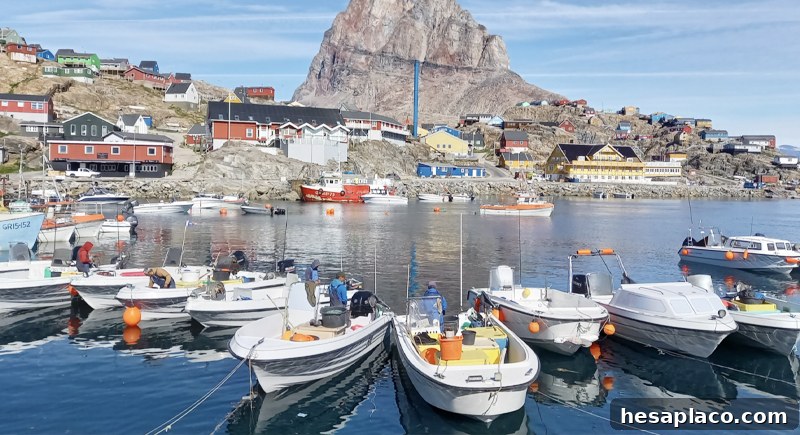
Longline Fisherman
Credit: Wikimedia Commons
Longline fishermen faced rugged conditions: heavy hooks and gear, slippery decks, violent weather, and long hours. The risk of falling overboard or suffering crushing injuries was high, and rescue options were limited at sea. Despite the danger, many took the work for the pay and lifestyle it offered.
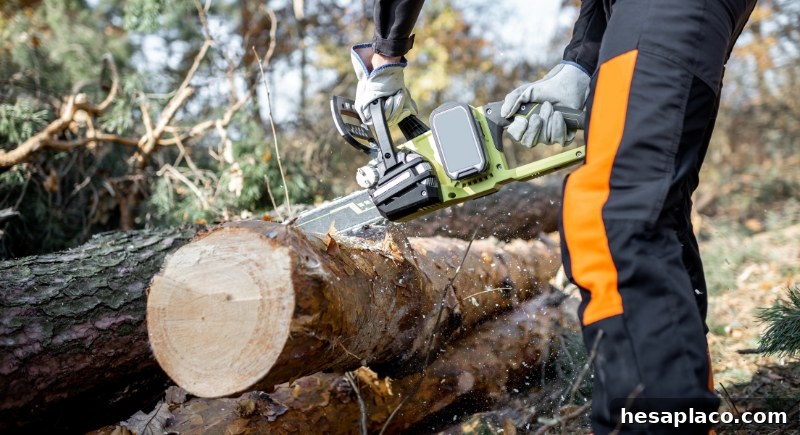
Chainsaw Logger
Credit: Getty Images
Logger work with early chainsaws meant heavy, noisy equipment, unpredictable trees, and remote locations without reliable communication. Accidents from falling trees, chainsaw kickback, and terrain-related slips were common and often deadly.
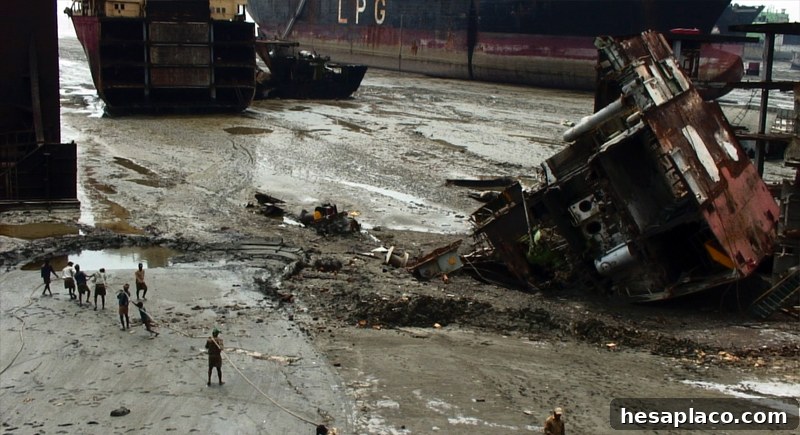
Ship Breaker
Credit: Wikimedia Commons
Breaking down decommissioned ships exposed workers to lead paint, asbestos, and unstable structures. Cutting and torching metal without adequate protective equipment or containment released hazardous materials and created high risks of injury from collapsing sections and sharp debris.
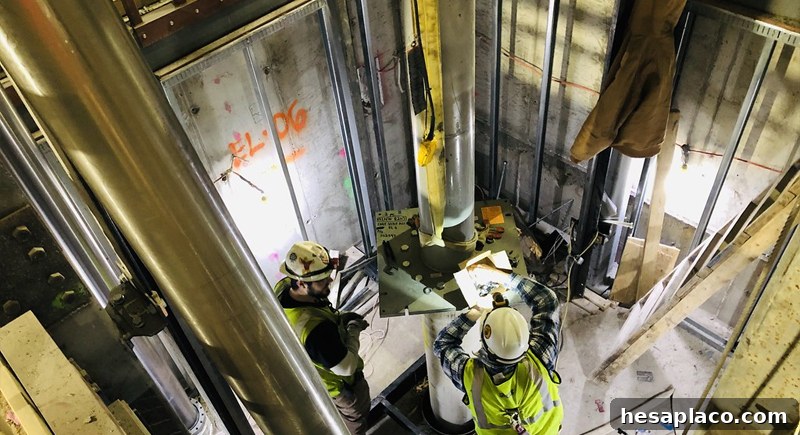
Elevator Installer
Credit: flickr
Installing elevators required working in narrow shafts beneath heavy counterweights and cables. Falls, equipment failures, and miscommunications could lead to fatal drops. Safety practices were often minimal, making the role one of the more dangerous trades on construction sites.
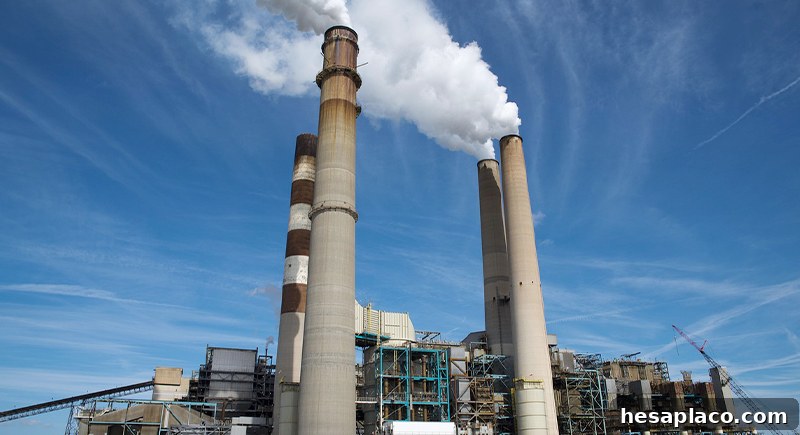
Smoke Stack Cleaner
Credit: pixabay
Cleaning tall chimneys and smokestacks involved climbing hundreds of feet, often without adequate fall protection or respiratory gear. Workers inhaled soot and other residues while balancing tools in high winds, making the job extremely hazardous and physically taxing.
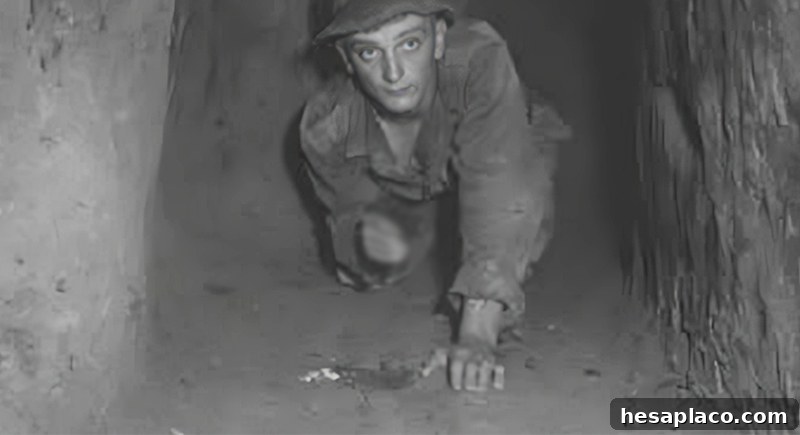
Tunnel Rat (Vietnam War Era)
Credit: Instagram
Tunnel rats were soldiers who entered narrow, dark Viet Cong tunnels to search for booby traps and enemy fighters at extremely close quarters. Equipped with a flashlight and sidearm, they faced immediate threats from ambushes, traps, and poisonous wildlife—assignments that were among the most psychologically and physically harrowing in that conflict.
Steeplejack

Credit: Wikimedia Commons
Steeplejacks climbed towers, chimneys, and spires to perform repairs and maintenance, often working on narrow ledges and with minimal anchoring. A sudden gust or a failed anchor could be fatal, and many of these specialists worked alone at heights few people could imagine.
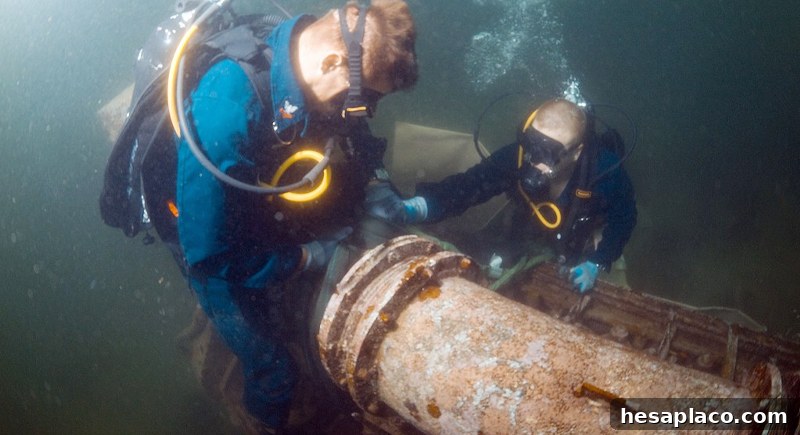
Commercial Diver
Credit: flickr
Commercial diving in earlier decades involved unreliable seals, faulty valves, and inconsistent decompression practices. Divers faced risks of equipment failure, getting torn from safety lines by strong currents, decompression sickness, and drowning. Over time, improved standards and gear have reduced—but not eliminated—these dangers.
Wildcat Oil Driller
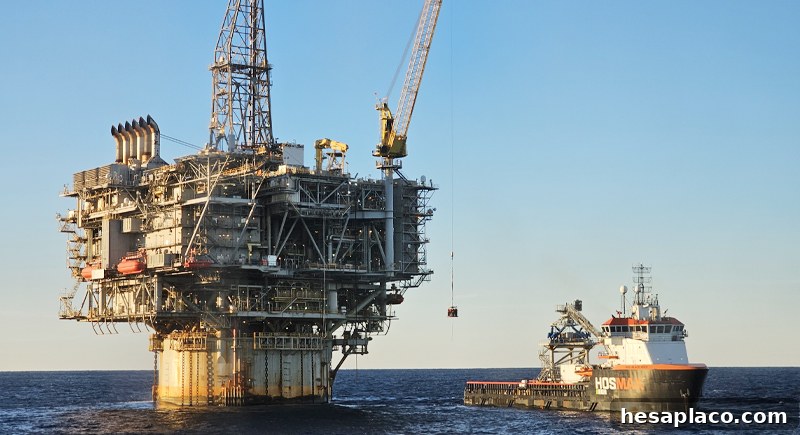
Credit: Wikimedia Commons
Wildcatters drilled exploratory wells in remote locations under pressure to strike oil quickly. Blowouts, fires, and collapsing derricks were real hazards on poorly controlled sites. The combination of volatile materials and limited safety systems made drilling a high-risk endeavor.
Dynamite/Explosives Handler
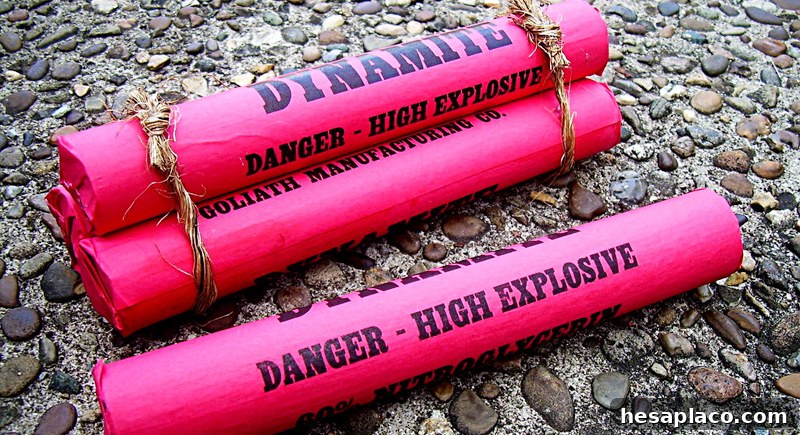
Credit: flickr
Handlers who packed and detonated explosives for mining and construction worked with materials that could kill instantly if mishandled. Static, misfires, improper timing, or unsafe storage could cause catastrophic blasts. Training standards varied, and many survivors carried lasting physical and psychological scars.
Aerial Pesticide Applicator
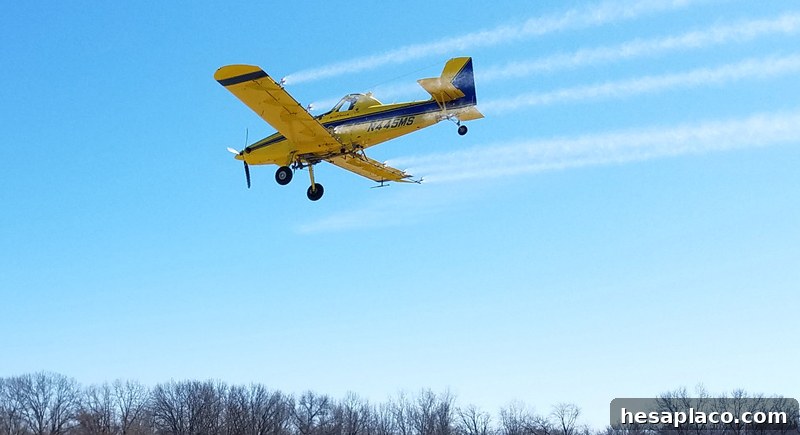
Credit: flickr
Pilots who sprayed pesticides flew low and fast, exposed to chemical drift and the risk of mechanical failure. Obstacles such as power lines, uneven terrain, and sudden gusts made the work perilous, and accidents sometimes proved deadly.
Lead Paint Scraper

Credit: pexels
Workers who removed lead-based paint often did so with hand tools and little respiratory protection. Inhaling paint flakes and dust led to headaches, tremors, and long-term neurological damage. Awareness and regulations around lead exposure have since improved, but the legacy of harm remains.
Carnival Ride Mechanic
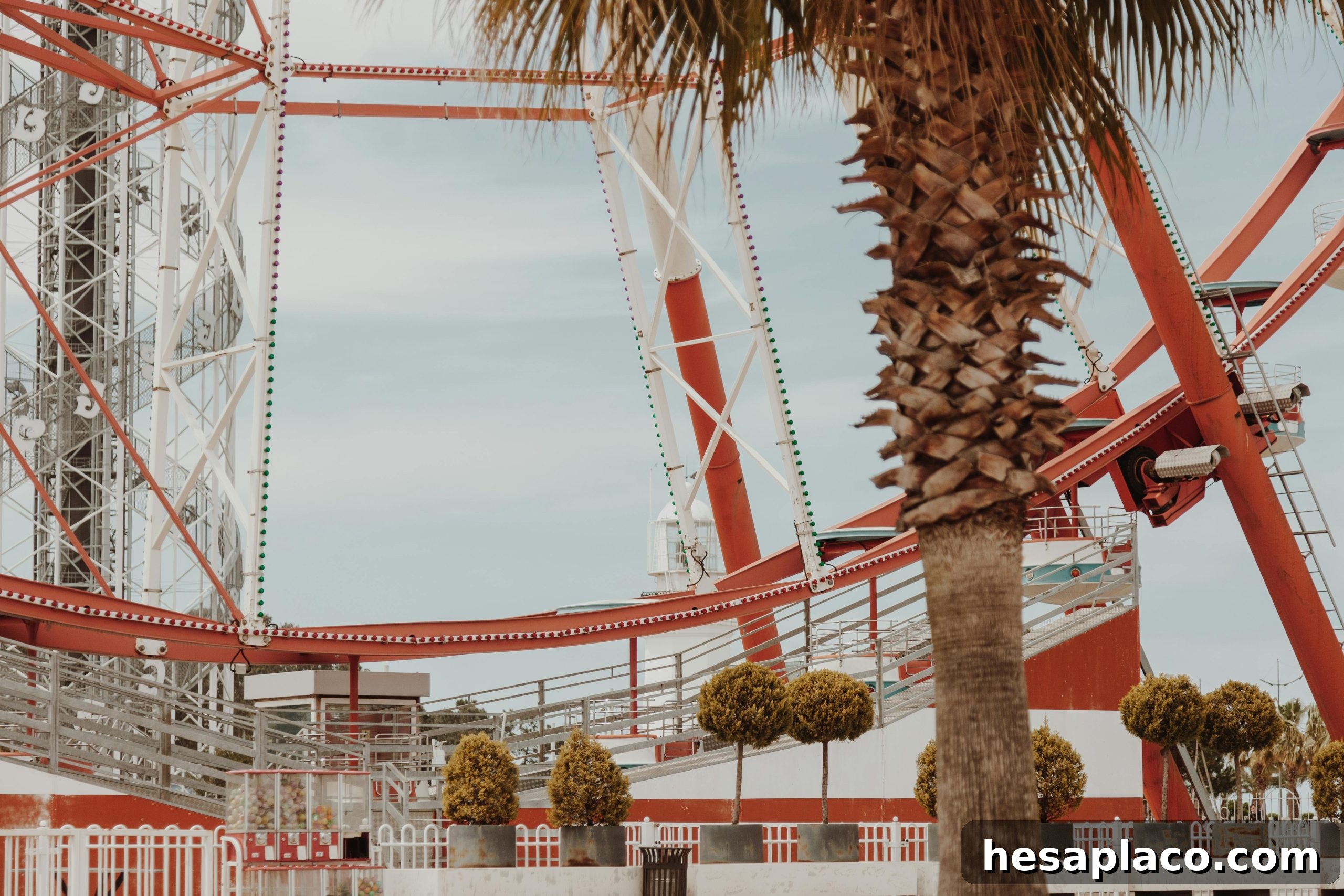
Credit: pexels
Carnival mechanics often repaired rides under challenging conditions—at night, outdoors, and sometimes while rides were still in partial operation. Makeshift fixes, exposed wiring, and worn components increased the likelihood of malfunctions that could injure riders and crew alike.
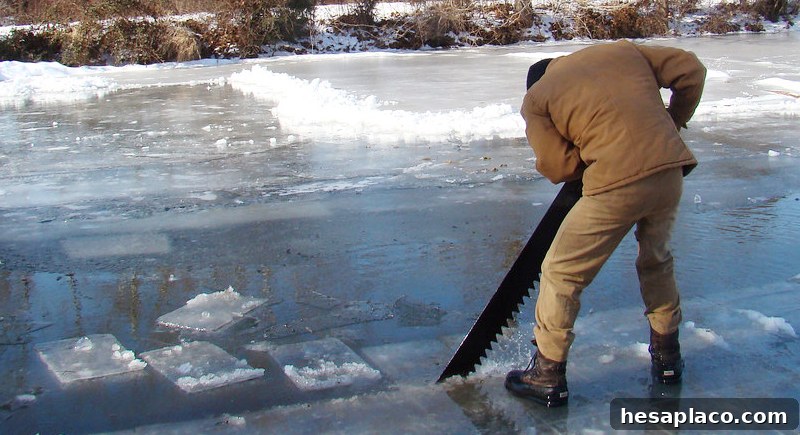
Ice Cutter
Credit: flickr
Before mechanical refrigeration, cutting ice from frozen lakes was backbreaking and dangerous. Workers used saws to harvest heavy blocks on slippery ice, facing the constant threat of falling through thin sections and suffering hypothermia or crushing injuries from large ice blocks.
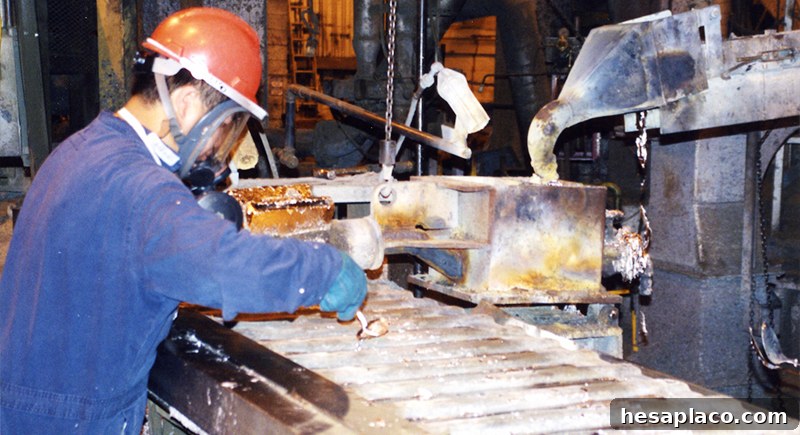
Lead Smelter Worker
Credit: Wikimedia Commons
Lead smelting exposed employees to molten metal and toxic fumes with limited ventilation and protective measures. Long-term exposure carried serious health consequences, including neurological and organ damage. Modern regulations now enforce strict controls to prevent such hazards.
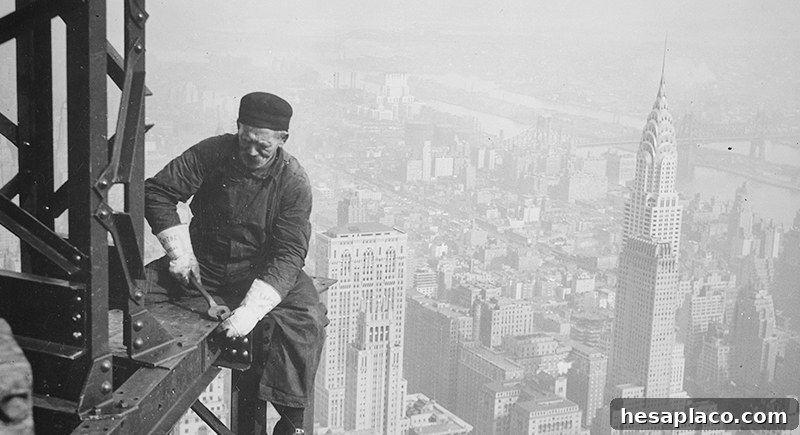
High-Rise Construction Riveter
Credit: Wikimedia Commons
Riveters worked on skyscraper frames high above city streets, often balanced on narrow beams without adequate fall protection. The work required steady hands and nerves of steel; one mistake could mean a fatal drop. Today’s construction safety standards, including harnesses and fall-prevention systems, drastically reduce those once-common risks.