
A diploma in Vietnam still matters, but it no longer guarantees a steady path to employment. Youth unemployment sits near 9%, several times higher than the national average, placing particular pressure on first-time job seekers and recent graduates.
Despite these obstacles, young people across campuses, community networks, and informal groups are finding new routes forward. They are experimenting with different approaches, building purposeful careers, and creating support systems to navigate a challenging labor market.
Turning Rejection Into Direction

Credit: Facebook
Waiting for replies after sending applications can be draining. For Tạ Khánh Linh, that waiting period became an opportunity to rethink what her degree actually prepared her for. She joined research discussions, accepted speaking engagements, and stayed active in professional circles. Those activities rebuilt her confidence and broadened her experience. Today she works in career guidance, helping students recognize and navigate the same gaps she once faced.
Building Career Paths Without Clear Maps
Credit: Facebook
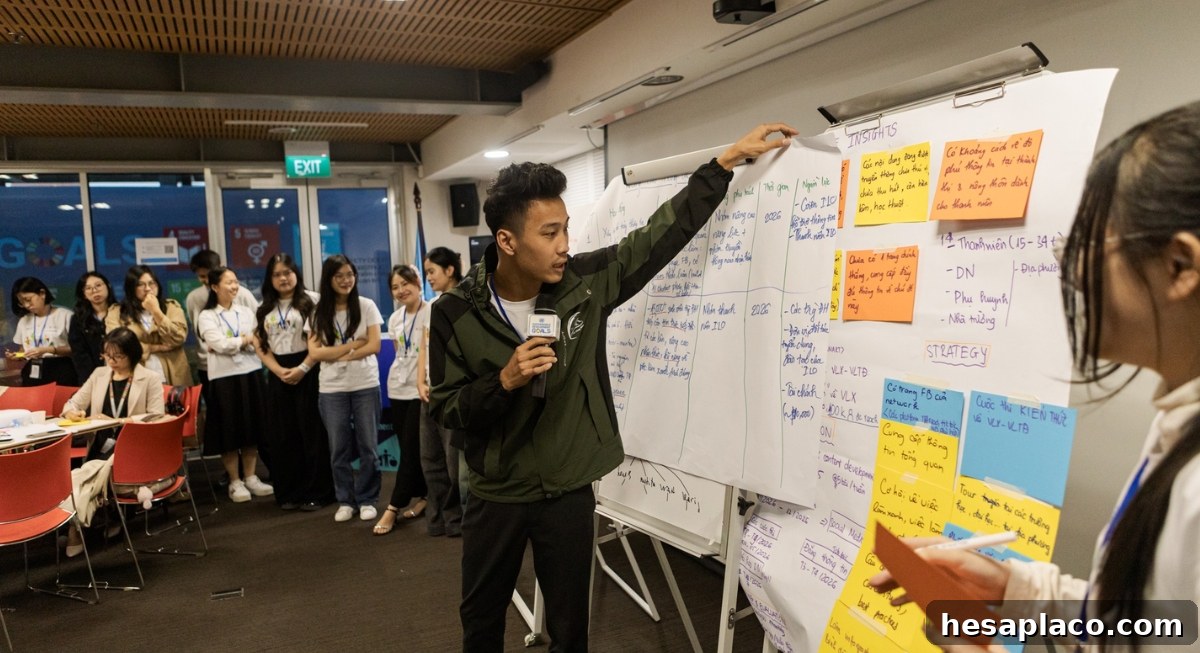
Applying to one university without a fallback option pushed Nguyễn Hữu Quân beyond the limits of his rural upbringing in Hà Giang. Unlike some peers with easier access to guidance and networks, he lacked clear direction during his studies. After graduating, he shifted focus: instead of competing alone, he returned home to help others avoid the uncertainty he experienced, building programs and resources tailored to their needs.
Learning Through Community, Not Classrooms

Credit: International Labour Organization
Many of the most practical lessons come from working directly with peers. Tú Anh experienced this when collaborating with youth employment networks. Observing how others handled actual tasks and challenges gave her clearer insights than classroom theory alone. That informal, experience-based learning helped her develop practical skills and confidence that formal education often fails to provide.
Redefining What a “Good Job” Means

Credit: pexels
For many young people today, a steady paycheck is no longer the sole measure of a good job. Youth program participants increasingly prioritize safety, fairness, and long-term security. Early exposure to precarious or exploitative work reshapes expectations and broadens definitions of success. Over time, the criteria they use to choose jobs reflect values like stability, respect, and growth opportunities.
Creating Opportunities Instead of Waiting for Them

Credit: Facebook
The youth-led organization Ước Mơ Vùng Biên (Border Dreams) started with a simple goal: bring career guidance closer to communities that rarely receive it. Quân’s initiative connects young people in border areas and other regions with limited formal job openings to resources, conversations, and practical support. While these efforts don’t replace systemic change, they create crucial access where it was previously scarce.
Turning Peer Networks Into Platforms for Engagement

Credit: Facebook
Historically, discussions about employment rarely included young voices. That is changing as youth networks, with support from organizations such as the ILO, are invited into research and program design conversations. The extent of their influence varies, but their participation ensures ideas come directly from lived experience rather than assumptions. This speeds up innovation and produces more relevant solutions.
Speaking Up in Professional Spaces
Credit: Facebook
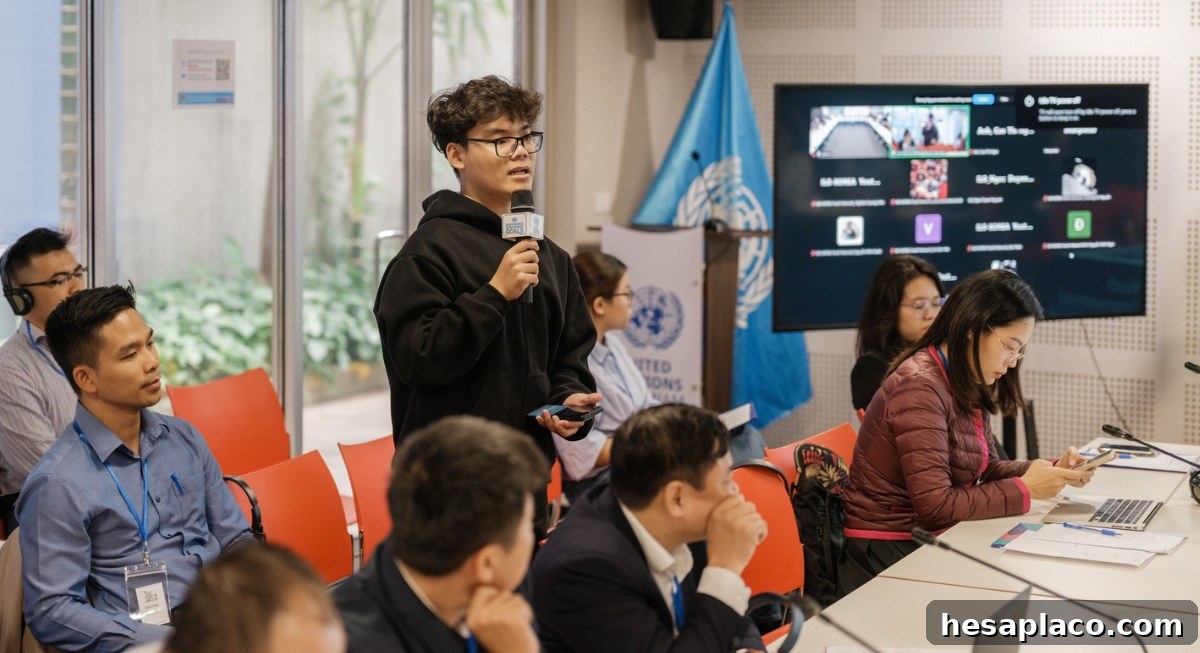
The atmosphere changed the first time Linh spoke at an ILO seminar: experts listened, engaged, and responded. That recognition made clear that her perspective mattered. Exposure to professional forums can transform how young people view their role in the workforce, helping them find the confidence to contribute, pursue leadership roles, and make more informed career choices.
Bridging the Gap Between School and Work

Credit: pixabay
The disconnect between academic learning and workplace expectations becomes apparent soon after graduation. Knowledge gained in the classroom does not always translate into the practical skills employers demand. Platforms such as COFY work to close that gap by exposing students to workplace realities and helping them set realistic expectations before entering the labor market. While uncertainty doesn’t disappear, clearer preparation reduces early missteps and eases the transition.
Bringing Career Support Back to Local Communities
Credit: Facebook
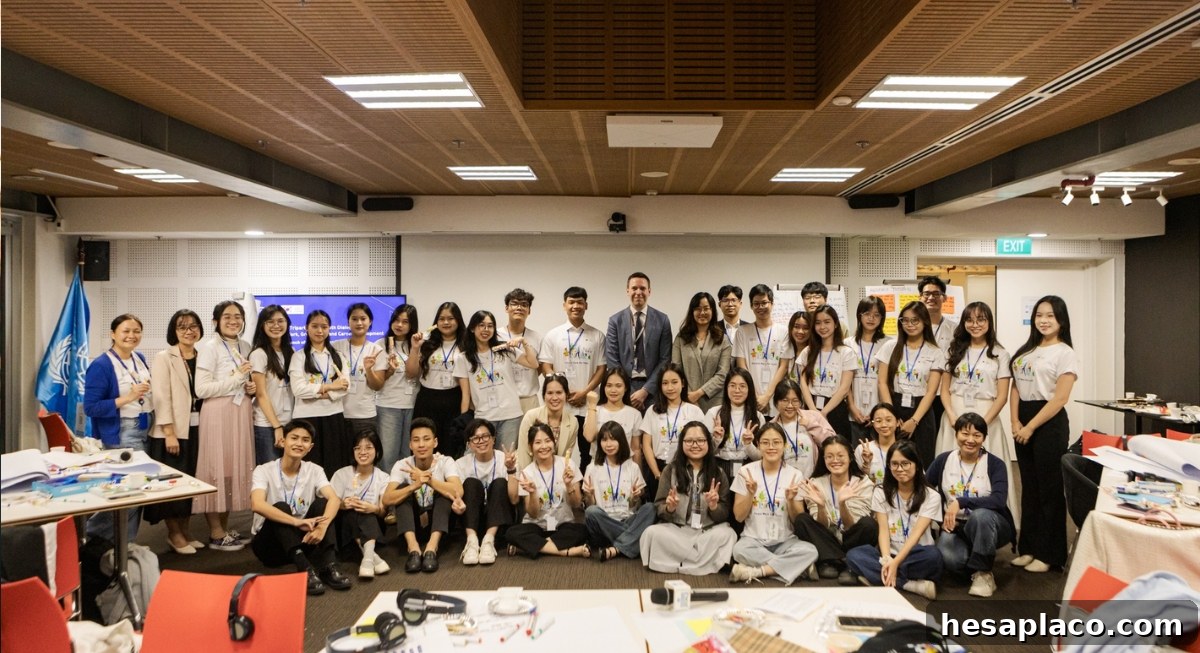
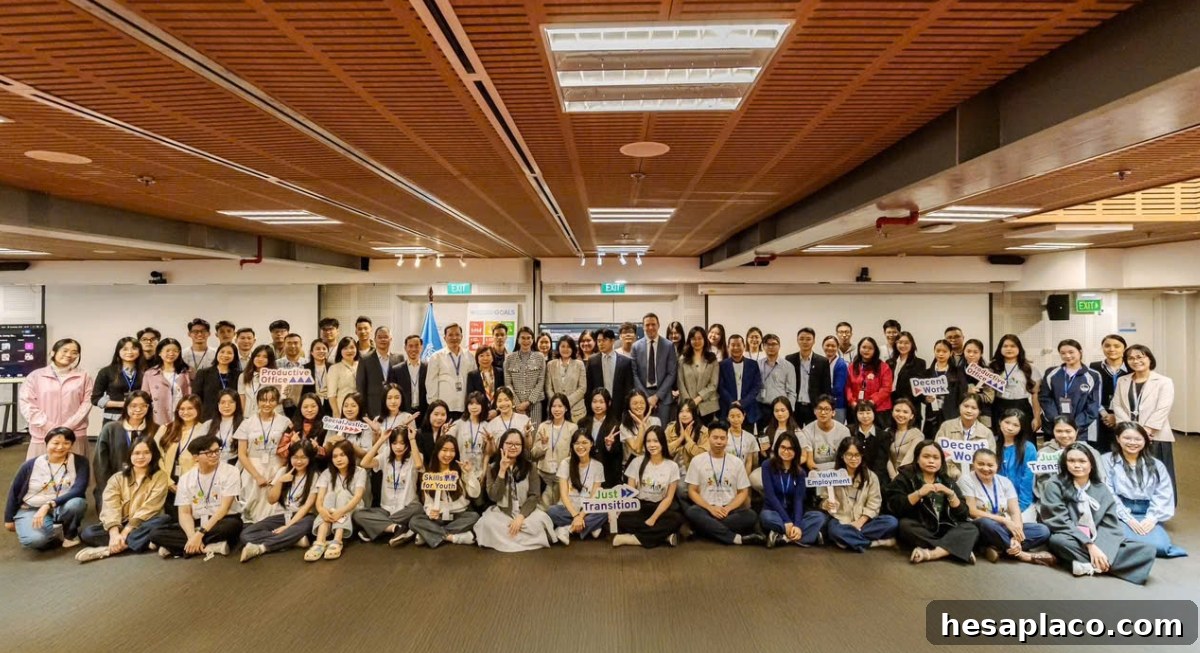
Quân’s Green Jobs and Opportunities for Youth forum, hosted at Dai Nam University in January 2026, drew more than 100 in-person attendees and around 50,000 online participants. The event brought conversations about sustainable careers and labor rights to communities that rarely hear them. By reaching rural areas, the forum expanded engagement and created space for more young people to participate in shaping their futures.
Prioritizing Mental Strength Alongside Career Growth
Credit: Facebook
Lengthy job searches can erode confidence, and many programs are beginning to address this openly. Within youth initiatives, mental well-being is becoming a visible part of career support. Peer networks offer emotional support, share coping strategies, and normalize the experience of setbacks. When young people feel supported and mentally resilient, they remain more hopeful and better able to pursue long-term career goals.