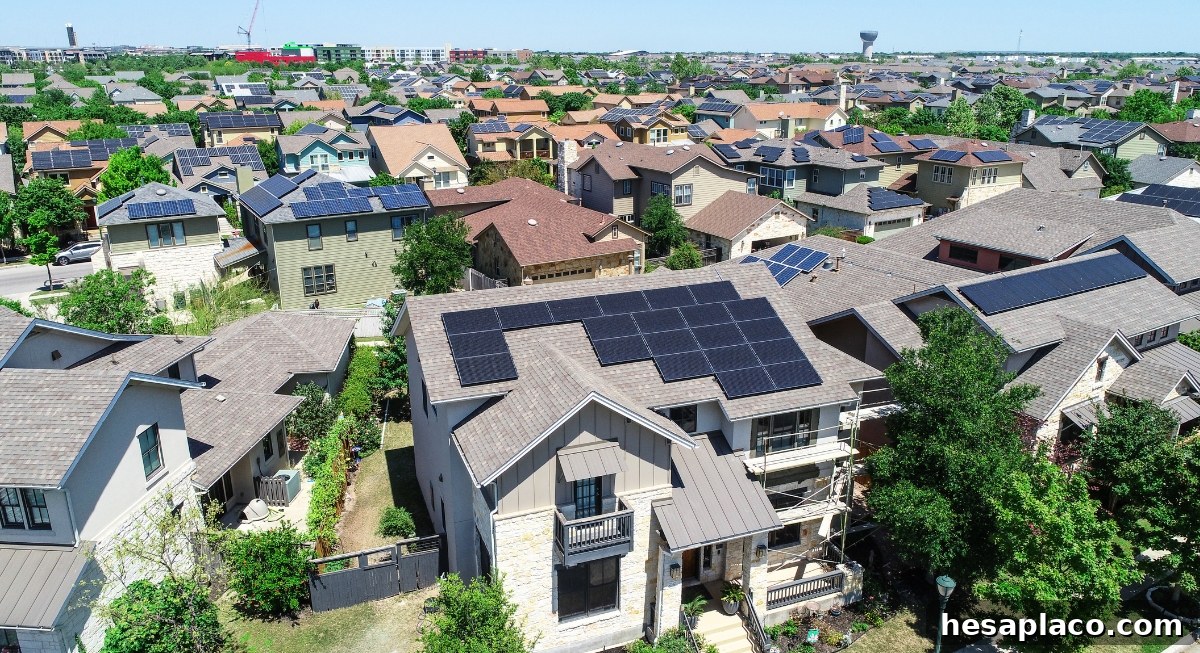
Low-carbon real estate is no longer an optional extra; it now shapes projects from the outset. Sustainability considerations influence design, material selection, systems integration, and financing. Governments, investors, tenants, and occupiers expect specific, measurable outcomes rather than vague promises, pushing developers to embed efficiency and resilience into every phase of a building’s life cycle.
What accelerates this shift are the established frameworks and standards that define how buildings should be planned, constructed, operated, and assessed. These systems set expectations for energy consumption, thermal performance, indoor environment quality, and resource efficiency—factors that directly affect daily operation, tenant experience, and long-term asset value.
Energy Performance of Buildings Directive (EPBD)
Credit: Wikimedia Commons
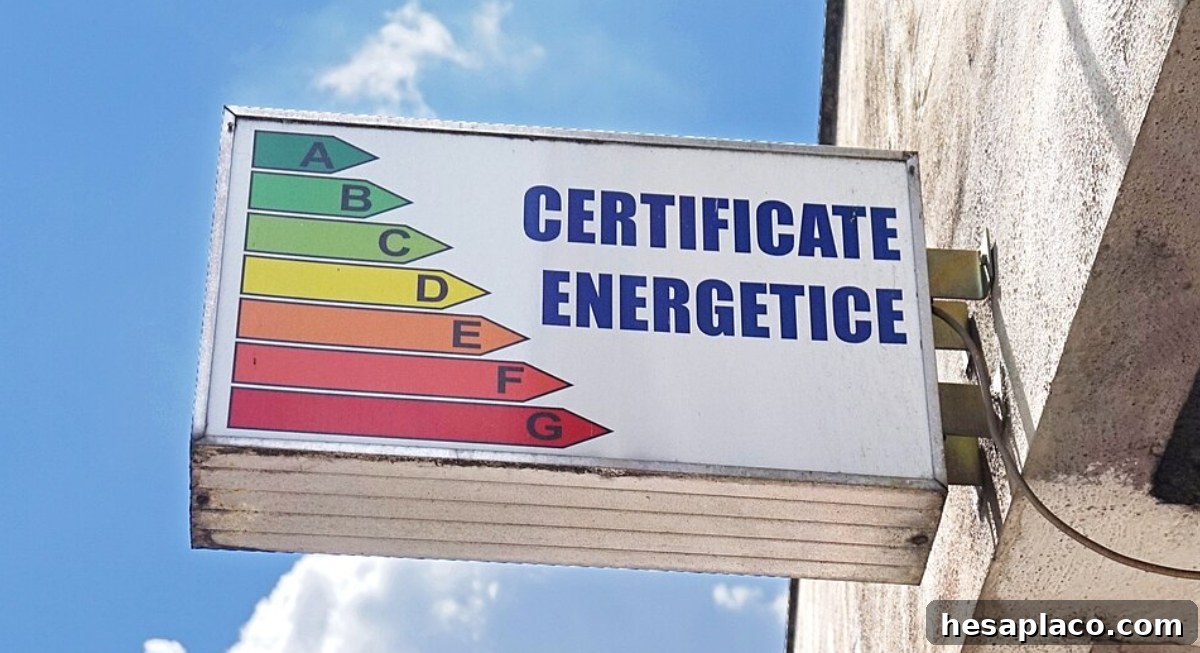
The Energy Performance of Buildings Directive has steered new construction toward near-zero-energy targets, making energy credentials a visible and marketable attribute. Energy performance certificates now influence pricing and marketing, encouraging better insulation, efficient heating and cooling systems, and reduced dependence on fossil-fuel-based power. For buyers and tenants, energy labels are increasingly part of the decision-making checklist.
Leadership in Energy and Environmental Design (LEED)
Credit: Wikimedia Commons
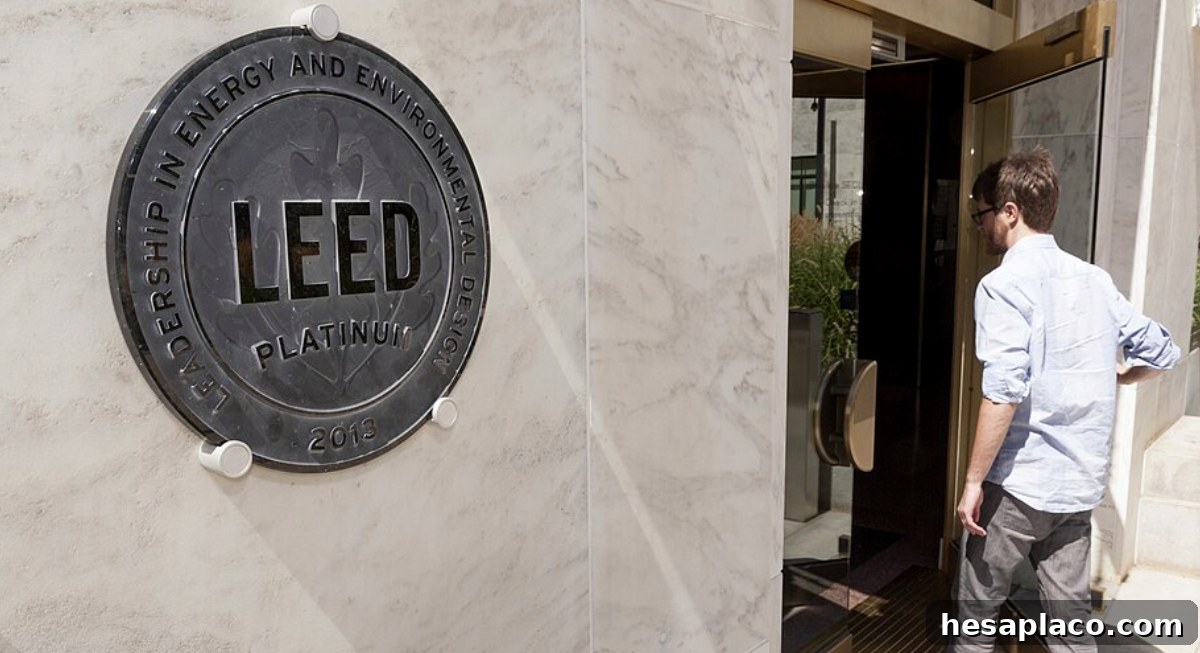
LEED certification remains a widely recognized benchmark. It evaluates energy performance, water efficiency, indoor air quality, and overall environmental impact. Achieving LEED encourages a holistic approach to building design and operation, and certified buildings often offer lower operating costs and healthier workplaces—advantages that appeal to both occupiers and investors.
Minimum Energy Efficiency Standards (MEES)

Credit: pexels
In the United Kingdom, MEES requires rental properties to meet minimum energy ratings before they can be let. This has forced owners to retrofit older stock—improving insulation, upgrading heating and lighting systems, and sealing building envelopes—to avoid losing rental income. As a result, poor energy performance now represents a tangible financial liability rather than an abstract issue.
National Australian Built Environment Rating System (NABERS)
Credit: Canva
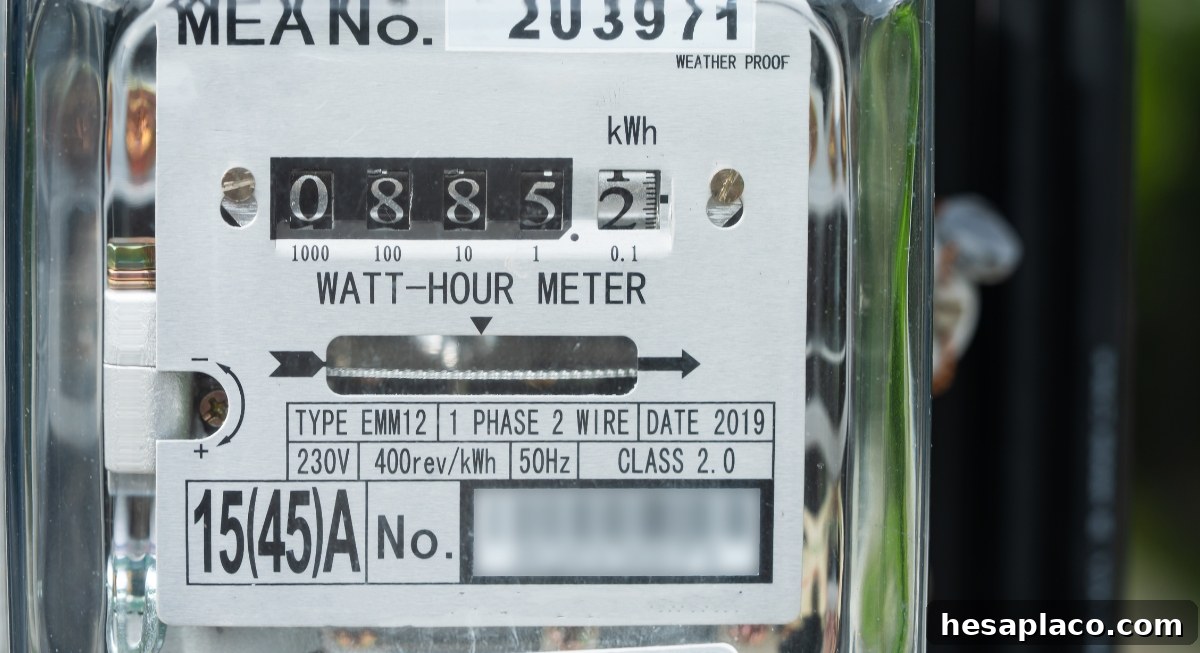
NABERS provides a performance-based rating that reflects actual operational energy and water use. Because tenants often reference NABERS scores when considering leases, landlords are incentivized to maintain strong operational performance through monitoring, tenant engagement, and improvements to systems and controls. The rating system also encourages organizations to adopt energy-conscious behaviors in daily operations.
Singapore Green Mark Scheme

Credit: pexels
Singapore’s Green Mark focuses on urban performance—energy efficiency, thermal comfort, and resource management in dense city settings. High Green Mark ratings can translate into incentives such as tax benefits and streamlined approvals, motivating developers to adopt efficient cooling systems, smart controls, and water-conserving strategies. Over time these incentives have driven higher standards across the city-state’s building stock.
International Energy Conservation Code (IECC)

Credit: Canva
The IECC provides a model for energy-efficient construction practices—covering insulation, air sealing, lighting, and HVAC efficiency. Many local and regional building codes adopt or adapt IECC requirements, creating a consistent baseline for performance. In competitive markets, builders frequently exceed these standards to enhance asset value and reduce lifecycle operational costs.
China’s Green Building Label (GBL)

Credit: Wikimedia Commons
China’s Green Building Label addresses the scale and pace of construction across the country by assessing land use, energy efficiency, and environmental performance. The framework has supported widespread adoption of efficient materials and construction methods, and it has enabled pilot net-zero projects that demonstrate scalable approaches to low-carbon urban development.
California Title 24 Standards

Credit: Wikimedia Commons
California’s Title 24 energy codes apply to residential and commercial buildings, setting robust requirements for thermal performance, lighting efficiency, and increasingly, on-site renewable readiness. Many new developments in the state incorporate rooftop solar and are designed for future battery storage integration. The state’s standards have influenced construction practices nationwide as builders adopt similar energy strategies.
GRESB and ESG Reporting Frameworks

Credit: Canva
GRESB and other ESG reporting frameworks have shifted investor focus toward measurable sustainability outcomes. Investors now require detailed reporting on emissions, energy consumption, and environmental impact, prompting property owners and managers to invest in data collection, analytics, and building management systems that track performance in near real time. Transparent reporting influences investment decisions, financing terms, and portfolio strategies.
Task Force on Climate-Related Financial Disclosures (TCFD)

Credit: Canva
TCFD guidance links climate risk to financial decision-making by encouraging organizations to disclose how climate hazards—such as floods, extreme heat, and evolving regulations—may affect asset values and operations. By assessing physical and transition risks, investors and managers can prioritize resilience measures and align sustainability initiatives with long-term financial planning, reducing exposure and improving asset performance under a wider range of future scenarios.
Collectively, these standards and reporting frameworks are reshaping real estate: they make energy efficiency and climate resilience measurable, enforceable, and financially relevant. As a result, low-carbon practices are moving from niche consideration to core strategy, driving innovation in building materials, systems, and operational management while creating better places to live and work.