
There’s a generational spending gap that isn’t just about inflation or rent. Many millennials are baffled by the habits older generations maintain—purchases and subscriptions that seem outdated, unnecessary, or wasteful. Below are common boomer money habits that younger people often find hard to justify.
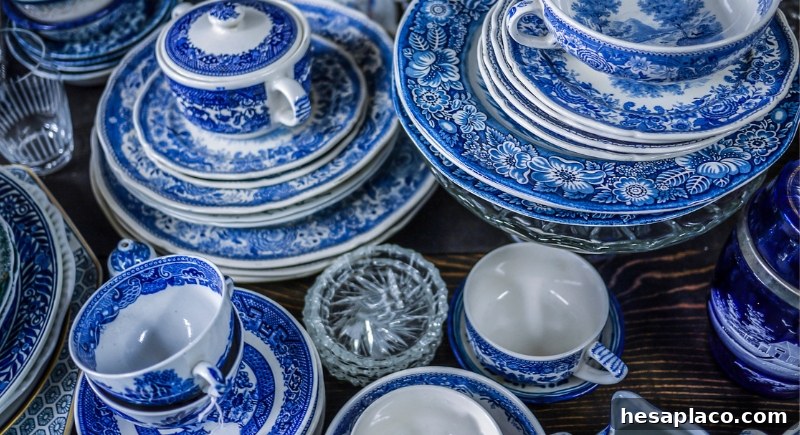
Fine China Sets
Credit: Getty Images
Spending hundreds on porcelain dinnerware that rarely leaves a cabinet feels unnecessary to many younger people. Baby boomers often keep complete china sets for special occasions, while millennials favor durable, dishwasher-safe plates that are practical and easy to maintain. For most, function and convenience trump formality.
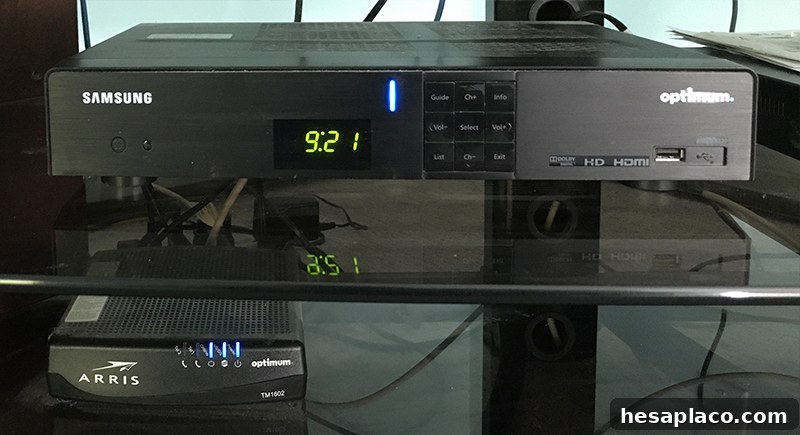
Extended Cable TV Packages
Credit: Wikimedia Commons
Paying a large monthly bill for hundreds of channels when only a few are watched strikes many millennials as wasteful. Younger viewers have largely cut the cord in favor of streaming services that offer on-demand content, lower costs, fewer ads and no bulky equipment or long-term contracts.
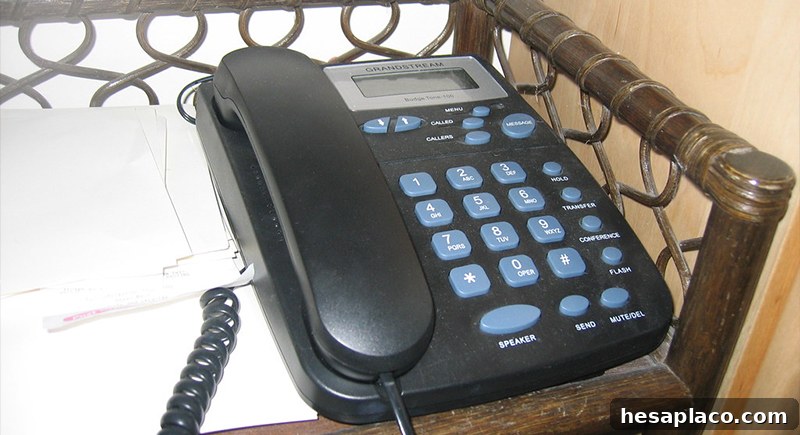
Landlines
Credit: flickr
Maintaining a phone attached to the wall is a habit many boomers keep even after adopting smartphones. For millennials, a separate landline often feels redundant—mobile plans, Wi‑Fi calling and messaging apps handle most communication needs at lower cost.
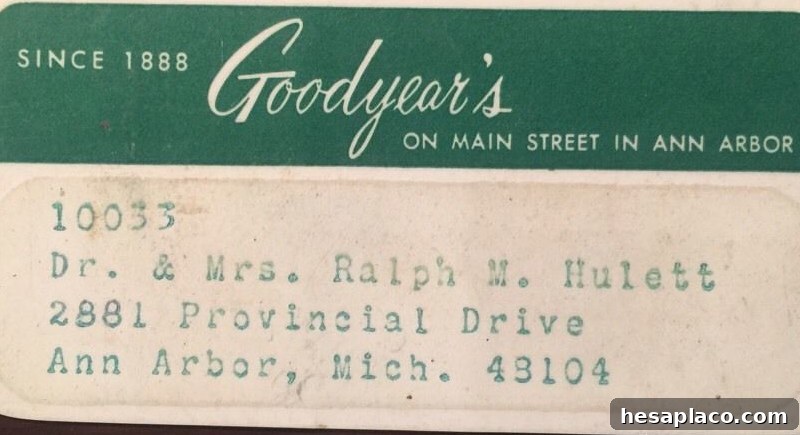
Department Store Credit Cards
Credit: flickr
That short-term discount for signing up often isn’t worth the high interest rates and temptation to overspend. While boomers frequently accepted store credit cards, many millennials prefer rewards cards that offer cash back or travel points and better long-term value.
Collector Plates and Figurines

Credit: Canva
Items like collector plates, porcelain figurines and commemorative dolls were popular investments and gifts in past decades. Today, younger adults who live in smaller spaces are less likely to buy decorative pieces that gather dust, and resale markets don’t always recover the original cost.
Magazine Subscriptions
Credit: pixabay
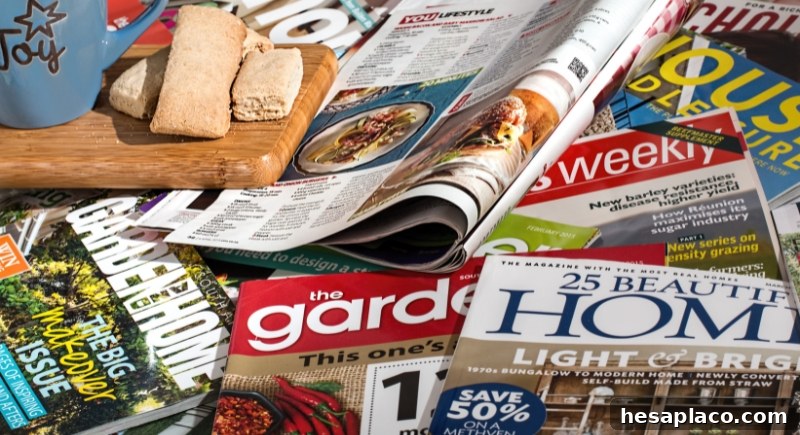
Despite most editorial content being freely available online, many boomers still subscribe to print magazines. Younger readers often choose ad‑free digital platforms, email newsletters or curated feeds—cheaper, searchable and easier to store.
Timeshares

Credit: Backyard Productions
Owning a piece of a vacation property with recurring maintenance fees appealed to many buyers in prior decades. Millennials tend to prefer flexible, pay-as-you-go options like short-term rentals and boutique hotels that avoid long-term obligations and annual fees.
New Cars Every Few Years

Credit: Getty Images
Keeping up with frequent car replacements used to be common, but many millennials prioritize paying down debt and getting more life from a vehicle. Driving older, reliable cars longer helps avoid monthly payments and preserve cash flow.
Premium Lawn Care Services

Credit: Canva
Professional landscaping and frequent lawn maintenance can be costly. For boomers who view manicured yards as a status symbol it’s often an ongoing expense. Younger homeowners—especially in urban or drought-prone areas—opt for low‑maintenance landscaping or DIY approaches to cut costs and conserve water.
Greeting Cards for Every Occasion
Credit: pexels
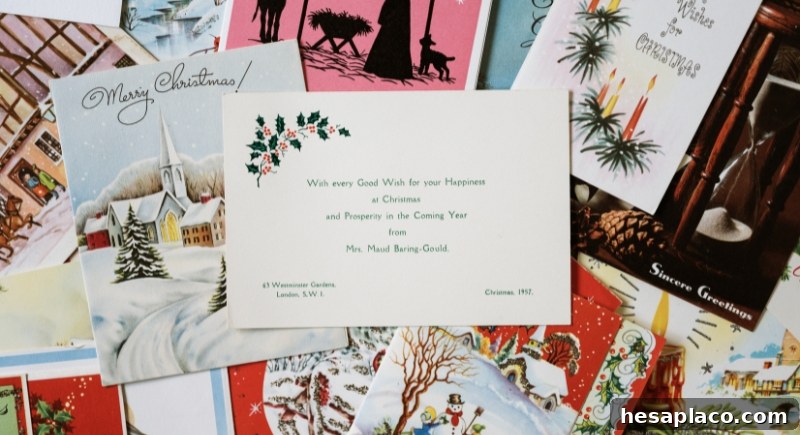
Buying paper cards for many events remains a habit for some; others see digital messages, short videos or voice notes as equally meaningful and far less expensive. The sentiment is the same, but the format has changed for many younger people.
Fancy Drapes and Custom Curtains
Credit: pexels
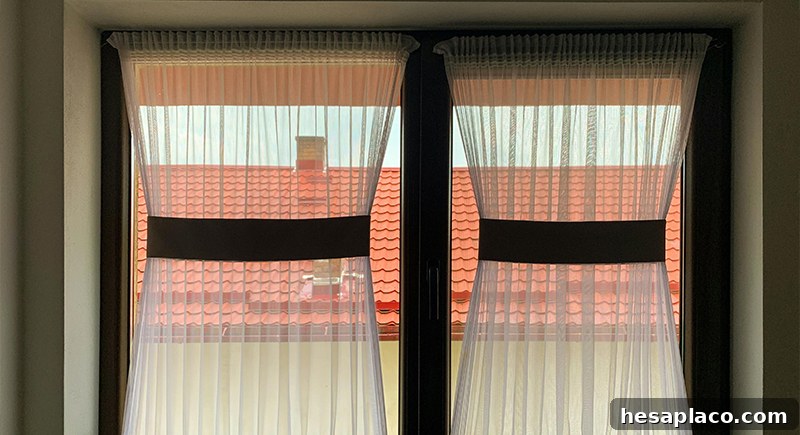
Custom window treatments and professional installation can be expensive, but many boomers still invest in them for aesthetics. Millennials often choose ready-made curtains or DIY solutions that are affordable, easy to replace and perfectly functional.
Fine Jewelry That’s Hardly Worn

Credit: Getty Images
Expensive jewelry pieces are often treated as keepsakes or investments, worn only on special occasions. Younger buyers typically favor simpler, versatile pieces or skip costly items that require insurance and maintenance.
Hardcopy Encyclopedias

Credit: pexels
Comprehensive printed reference sets were once a major household expense; now online resources and search engines provide faster, up-to-date information. Many of those heavy book collections sit mostly unused or are repurposed around the home.
China Cabinet Furniture
Credit: Wikimedia Commons
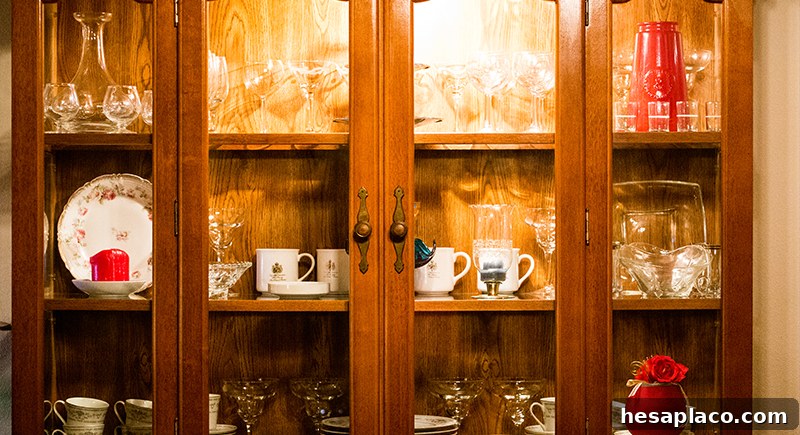
Large display cabinets for glassware and memorabilia were a staple in many homes. For those who don’t collect fragile heirlooms, these units take up space and add moving complexity, so they’re less popular with younger generations who favor compact, multifunctional furniture.
Country Club Memberships

Credit: Wikimedia Commons
Paying for exclusive access to amenities appeals to some as a lifestyle choice, but many younger adults view those memberships as an unnecessary expense. Alternatives like public parks, community centers, and shared work or fitness spaces provide similar benefits without the hefty fees.
Premium Gas for Non-Luxury Cars

Credit: Wikimedia Commons
Many drivers pay extra for premium fuel out of habit, despite most modern engines running fine on regular gas. Unless a vehicle specifically recommends higher-octane fuel, the added cost often provides little benefit.
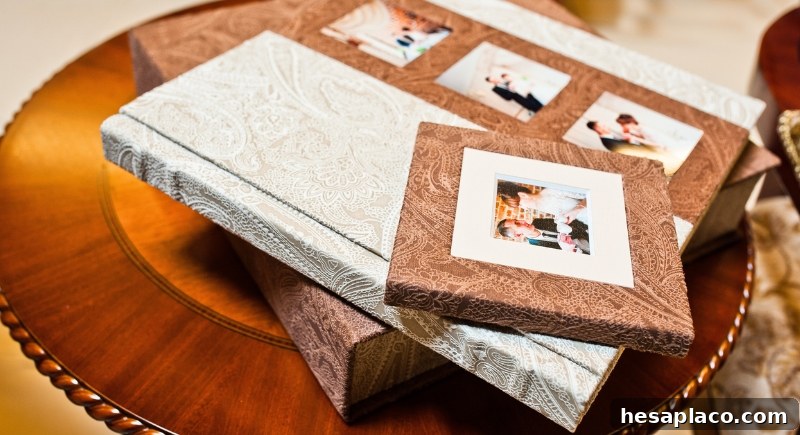
Physical Photo Albums
Credit: Getty Images
Printed photo albums carry sentimental value, but producing and storing them is costly and time-consuming. Digital photo libraries and cloud services make it easier to organize, share and preserve memories without the expense and space required for physical prints.