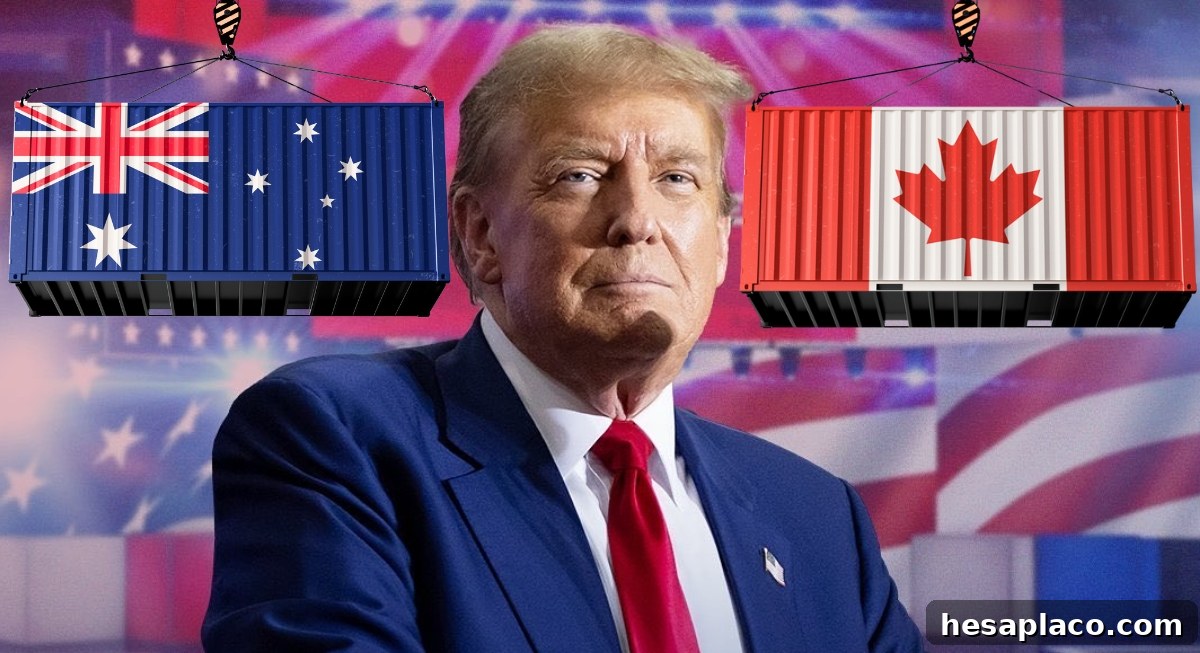
President Trump’s decision to impose steep import tariffs provoked swift and significant retaliation from many major economies. These tit-for-tat measures disrupted trade routes, increased costs across several sectors, and escalated tensions that now affect agriculture, retail, manufacturing and international policy. Below is a country-by-country summary of how various governments responded to the U.S. tariff actions and how those responses are reshaping global trade.
Australia

Credit: flickr
Australia criticized the U.S. tariff as “illogical” and damaging to allied relations, but Canberra chose a measured approach rather than immediate retaliation. Prime Minister Anthony Albanese introduced a five-point plan focused on protecting domestic industries, diversifying export markets and providing direct support for affected producers. A targeted assistance package—valued at $50 million—helped agricultural exporters such as beef producers pivot to alternative markets and offset short-term losses while long-term trade ties were strengthened with partners outside the United States.
Brazil
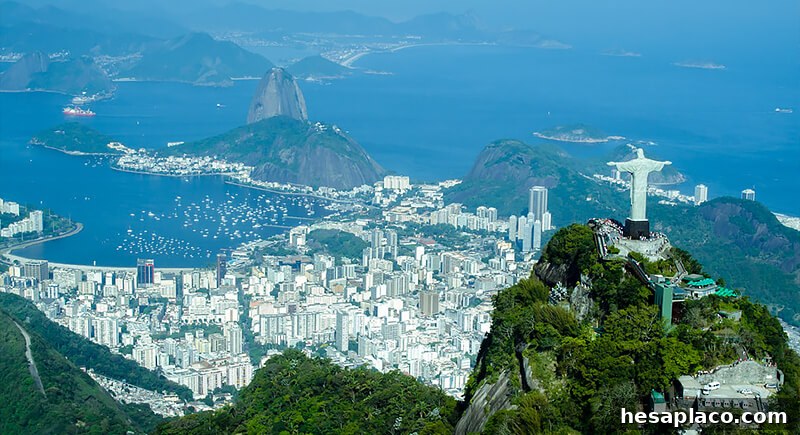
Credit: flickr
Brazil opted for a calibrated response to the U.S. tariff increases. Instead of immediately imposing broad reciprocal tariffs, Brasília enacted a Reciprocity Law that empowers targeted countermeasures should negotiations fail. President Lula’s administration maintained diplomatic pressure on Washington while quietly expanding trade talks with the European Union and China, seeking alternatives to blunt the tariffs’ economic impact and to preserve market access for key Brazilian exports.
Canada

Credit: Reddit
Canada responded forcefully, imposing 25% retaliatory tariffs on approximately C$29.8 billion (roughly $20 billion USD) in U.S. goods. Ottawa framed the move as necessary to defend Canadian industries. The political reaction included public calls to support domestic products, and the tariff dispute contributed to a noticeable dip in cross-border tourism and consumer spending on U.S. items. The Canadian government combined trade measures with targeted supports for affected firms.
China

Credit: Reddit
China launched a broad and strategic response, imposing substantial tariffs on key American exports and restricting sensitive materials. Beijing applied heavy duties to products like soybeans, pork and industrial machinery, while tightening controls on rare earth exports that are essential for electronics and defense manufacturing. These moves aimed to protect Chinese industry, raise the cost of U.S. imports, and exert pressure on U.S. supply chains that rely on critical Chinese components.
France

Credit: flickr
France responded with a blend of political pressure and economic measures. President Emmanuel Macron publicly condemned the tariffs and encouraged European corporations to reconsider or pause investments in the U.S. French policymakers also proposed tightening digital taxation and data regulations as potential counterweights, signaling readiness to leverage regulatory tools in defense of French and European economic interests.
Germany

Credit: flickr
Germany viewed the U.S. tariffs as an attack on the postwar trade order and responded firmly. High duties hit major German automakers—including Volkswagen, Mercedes and BMW—prompting sharp criticism from Berlin. German leaders called for coordinated European responses, and some officials proposed targeted levies on large U.S. tech firms as a potential countermeasure. The government combined diplomatic engagement with contingency planning to limit the damage to German manufacturing and exports.
India
Credit: flickr
India sought to manage the dispute with a mix of concessions and strategic adjustments. New Delhi lowered tariffs on certain U.S. exports and offered duty reductions on a substantial share of imports from the United States to ease tensions and preserve bilateral trade growth. At the same time, India protected vulnerable domestic sectors and pursued new export opportunities—particularly in textiles—while engaging in talks aimed at a broader trade framework with Washington.
Malaysia

Credit: Reddit
Malaysia described the U.S. tariff action as unwarranted and harmful, and rolled out a US$356 million relief package to support small and medium-sized enterprises. While critical semiconductor exports were largely spared, other electronics and consumer goods faced higher levies that threatened short-term GDP growth and supply-chain stability. Kuala Lumpur prioritized damage control and accelerated trade discussions to find alternative markets and partners.
Mexico
Credit: flickr
Mexico took a cautious, strategic stance. While avoiding an immediate wholesale retaliation, Mexico prepared tariff reforms to shield domestic industries and used provisions in the USMCA to secure exemptions for a large share of imports. Officials emphasized negotiations and legal mechanisms to protect trade flows, while the government readied targeted adjustments to support vulnerable sectors and maintain regional economic stability.
South Korea

Credit: flickr
South Korea emphasized diplomacy over confrontation. Acting President Han Duck-soo rejected the idea of joining a multilateral bloc to retaliate and instead prioritized calm negotiations with Washington. Seoul dispatched officials to engage directly with U.S. counterparts, aiming to protect South Korea’s export-led economy and preserve strategic ties while seeking exemptions or mitigations for key industrial sectors.
Netherlands

Credit: Reddit
Instead of immediate trade retaliation, the Netherlands focused on domestic policy responses to limit economic fallout. Dutch forecasters trimmed growth projections and policymakers mobilized fiscal measures to support households and businesses. The government’s approach was defensive and pragmatic: buffer the short-term shock, safeguard competitiveness and coordinate with EU partners on any broader response.
European Union
Credit: iStockphoto
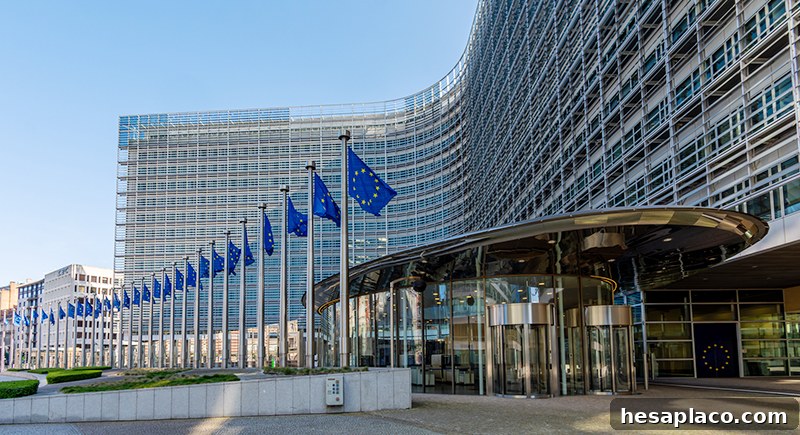
The European Union coordinated a collective response, imposing tariffs on a range of American products from motorcycles to agricultural commodities. EU leaders framed these measures as a balanced but resolute reaction designed to protect European industries while keeping the door open for negotiations. The EU response underscored the strain on transatlantic trade relations and heightened the urgency of diplomatic engagement to prevent further escalation.
Vietnam
Credit: pixabay
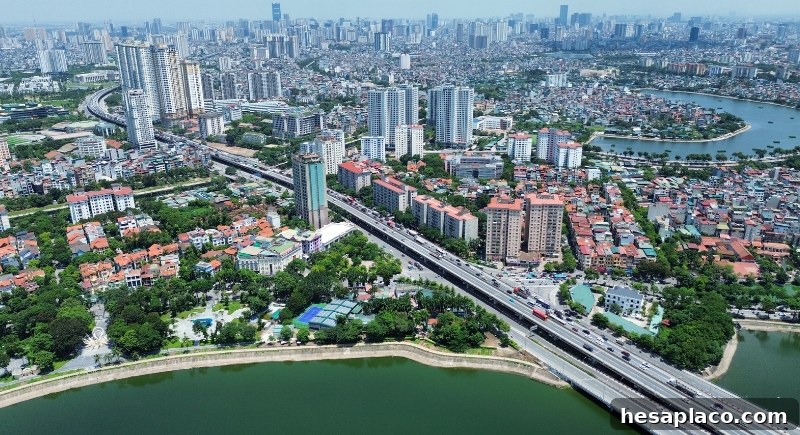
Vietnam adjusted trade and industrial policies to cope with shifting global supply chains. Rather than immediate retaliation, Hanoi focused on diversifying trade partnerships and attracting investment from companies relocating production out of China. Vietnamese manufacturers reworked sourcing and production strategies to seize new export opportunities created by the disruption, positioning the country as an alternative manufacturing hub.
Across regions, the tariff dispute has demonstrated how interconnected modern trade is and how quickly protective measures can ripple through supply chains, consumer prices and political alliances. Responses have ranged from direct reciprocal tariffs to defensive fiscal measures and intensified diplomacy—each designed to protect domestic industries while keeping options open for negotiation. As governments recalibrate trade relationships and businesses adapt supply chains, the longer-term impacts will depend on the duration of tariffs, the effectiveness of diplomatic channels, and how quickly countries can establish new trade patterns and agreements.