
Money and technical skills often dominate conversations about success, but they aren’t the full story. Who you know and how you’re connected matter just as much—sometimes more. Economists and business leaders increasingly acknowledge the power of social capital: the web of relationships, trust, and reputation that shapes opportunities. Social capital doesn’t show up in your bank account, yet it frequently determines who gets hired, who gets recommended, and who moves ahead professionally.
It Speeds Up Decision-Making in High-Stakes Situations

Credit: pexels
When decisions carry risk and time is short, uncertainty often stalls progress. A trusted connection can remove that hesitation by providing reliable context or a quick endorsement. In fast-moving industries, this kind of social proof accelerates hiring, partnerships, and project approvals. The result: less time spent on lengthy evaluations and more time on execution.
It Creates a Buffer Against Market Shifts

Credit: iStockphoto
Workplaces and markets change quickly—roles evolve, companies restructure, and sometimes jobs disappear with little notice. In such moments, who you know often matters more than what’s on your resume. Strong relationships make it easier to land on your feet: a message to the right contact can surface a new role, a freelance engagement, or a timely introduction. Social capital doesn’t eliminate risk, but it softens the fall and shortens recovery time.
It Helps Ideas Gain Early Momentum

Credit: pexels
New ideas and early-stage projects often struggle to attract attention. Social capital provides the crucial early push: introductions, endorsements, and word-of-mouth from trusted people bring first users, collaborators, or investors. That initial traction shapes perceptions and can determine whether an idea scales. Momentum frequently begins inside networks before reaching a broader audience.
It Helps You Read the Room Before You Enter

Credit: pexels
Networks convey insider knowledge: the unspoken norms, personalities, and current dynamics that shape interactions. That contextual awareness lets you time your approach, choose the right tone, and anticipate objections. Entering a meeting already informed by these cues improves how your ideas are received and increases the chance of productive outcomes.
It Encourages Accountability Without Formal Oversight

Credit: pexels
Social ties create informal accountability. When a commitment affects someone’s reputation or a relationship, people are more likely to follow through without formal rules or supervision. That expectation of reliability improves outcomes in teams, partnerships, and client work—often more effectively than formal oversight.
It Expands Visibility Across Different Circles

Credit: pexels
Social capital links you to diverse industries, roles, and communities, increasing your visibility beyond a single workplace. Without explicit self-promotion, your reputation can travel across networks and place you in front of opportunities that wouldn’t appear inside a narrower circle. That cross-pollination often yields unexpected collaborations and career openings.
It Supports Long-Term Career Satisfaction

Credit: pexels
Career success isn’t measured only by salary or title. Strong relationships influence how meaningful and sustainable work feels over time. People embedded in supportive networks report higher engagement and well-being, with collaboration reducing isolation and increasing motivation. That social support contributes to long-term stability and career fulfillment.
It Turns Individual Success into Shared Growth

Credit: Getty Images
When one person advances, their network often benefits. Opportunities, knowledge, and resources circulate within connected groups, creating ripple effects that strengthen communities and professional ecosystems. Over time, the gains of individuals compound into collective improvements for teams, industries, and neighborhoods.
It Helps Align Opportunities with Personal Values

Credit: Getty Images
Not every opening fits an individual’s goals or values. Trusted contacts help reveal what roles and organizations are truly like, beyond polished job descriptions. Those conversations make it easier to choose paths that align with personal priorities, leading to more meaningful and sustainable career decisions.
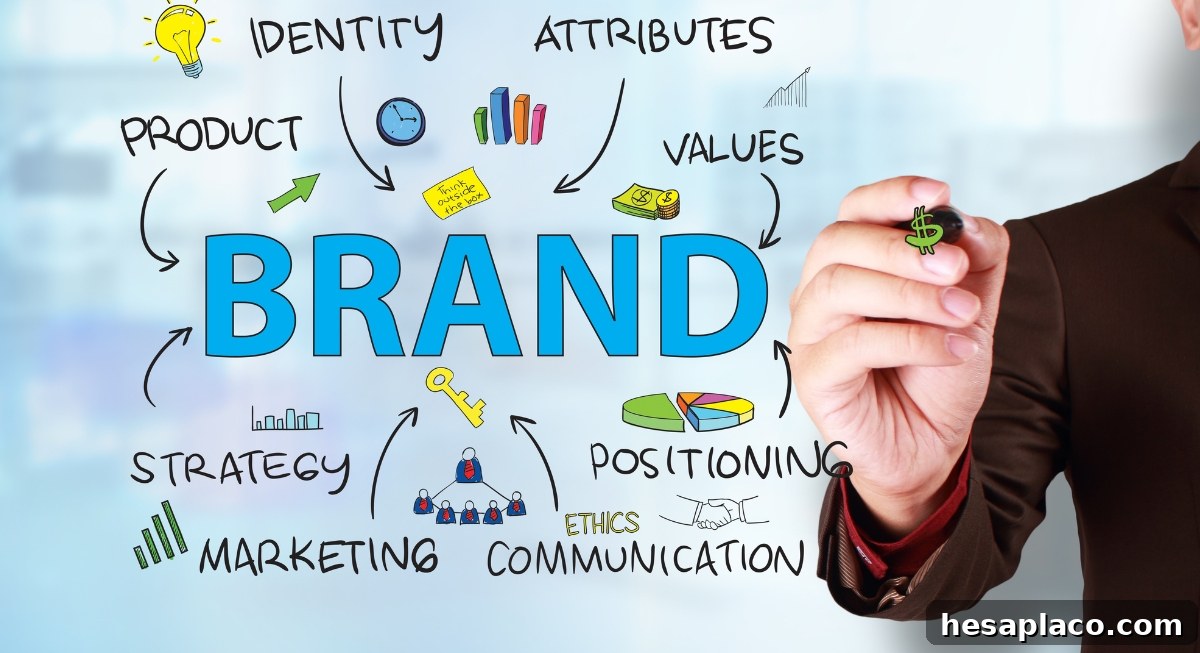
It Builds a Personal Brand Without Strategy Sessions
Credit: Getty Images
A personal brand often emerges naturally from everyday interactions—how you show up, how you deliver on commitments, and how others experience working with you. Over time, consistent behavior creates a reputation that carries more weight than carefully crafted online messaging. Trust and reliability built through real relationships form the foundation of a strong, lasting personal brand.